





 Portuguese
  English
  Spanish
  3 min of reading
  0 comments


The recovery of a Japanese airplane from World War II, retrieved from the sea 80 years after falling in combat off the coast of Kagoshima, revealed a rare aircraft with intact wings and engine, preserved at less than 3 meters deep since April 21, 1945
The recovery of a Japanese airplane from World War II mobilized an operation off the coast of Kagoshima Prefecture in Japan, 80 years after the aircraft was lost in combat. The Shiden-Kai fighter, from the Imperial Japanese Navy, was retrieved from the ocean with its wings and engine still intact, in a state of preservation better than initially expected.
The aircraft crashed on April 21, 1945, and the pilot, Lieutenant Hayashi Yoshishige, died on impact. The wreck site had long been known, as the plane rested on the seabed at less than three meters deep and could be seen on clear water days.
Recovery of the Japanese airplane after 80 years
After decades submerged in turquoise waters, the Japanese airplane became the target of a project organized by a local heritage preservation group. With a large part of the fuselage preserved, the team secured cables to each section of the aircraft to allow for safe retrieval.
-
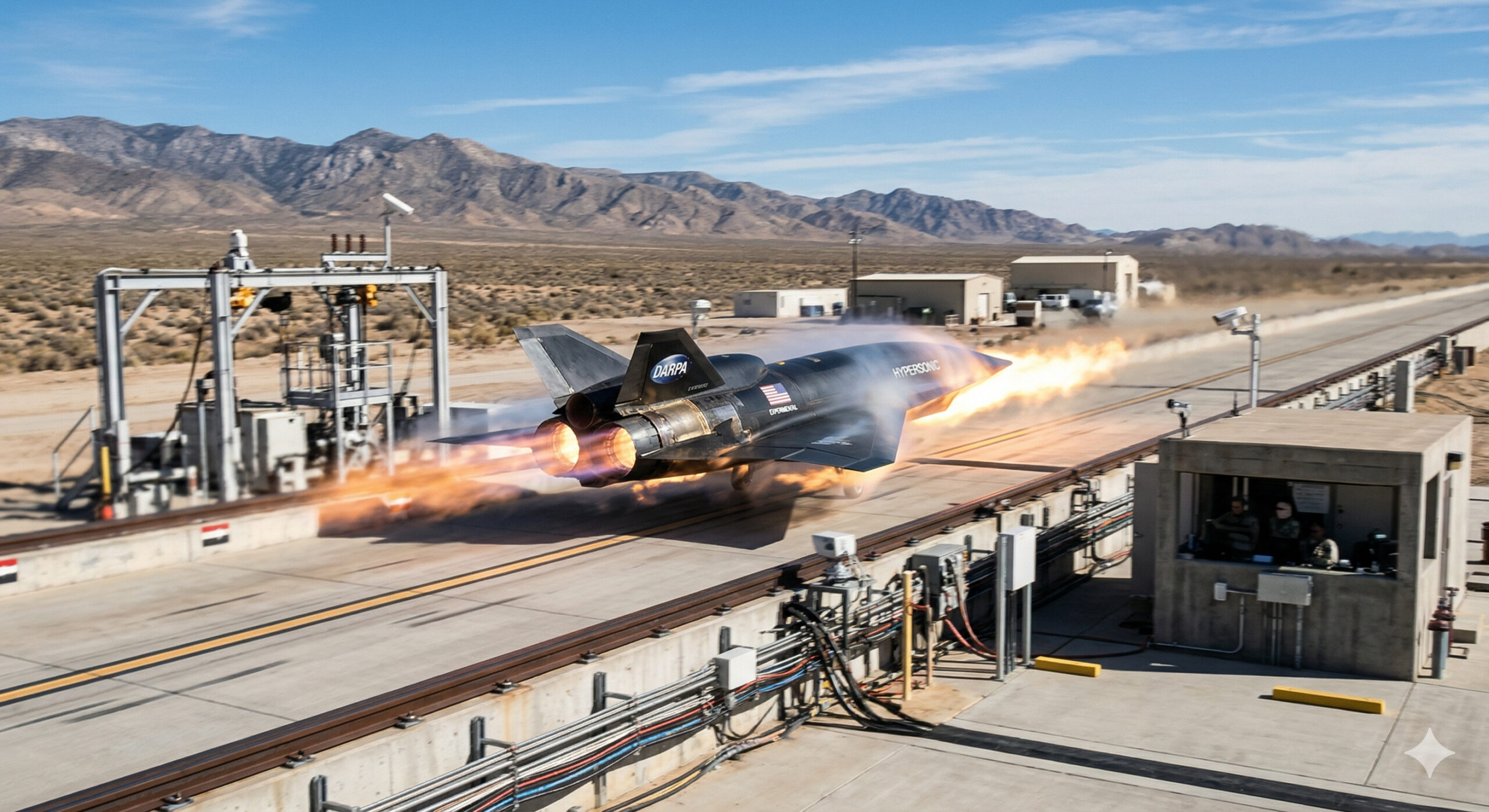
DARPA surprises by launching a program to create an engine capable of taking off and accelerating to hypersonic speeds above 5,300 km/h (Mach 5), combining turbine and ramjet/scramjet in a unique architecture to finally make reusable flight viable.
-
Scientists identify a unique cell that appears only during pregnancy and plays a role in the connection between the placenta and blood flow, revealing an essential mechanism for fetal development and possible causes of gestational complications.

-
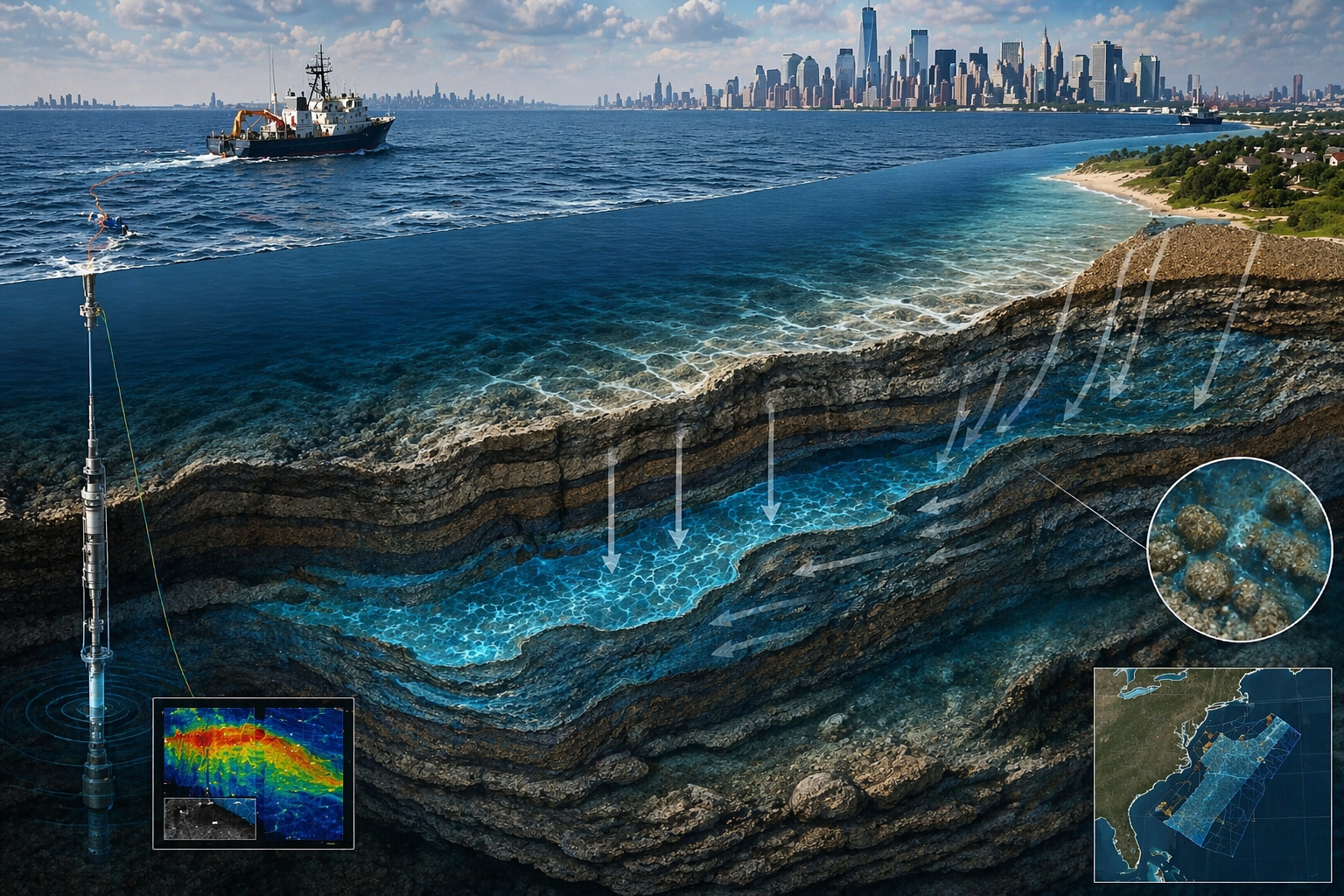
A true “invisible ocean” of fresh water has been found beneath the Atlantic and could sustain a metropolis like New York for centuries while challenging everything that was known about natural water reserves on the planet.
-
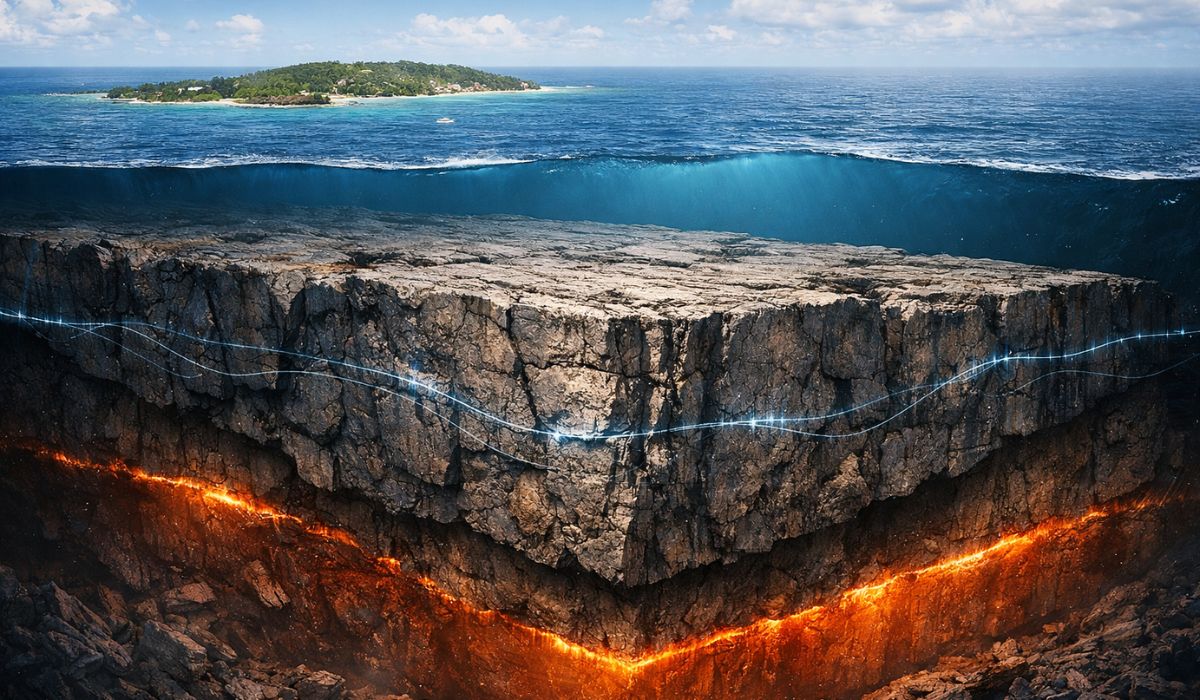
Forget land-based data centers: the company wants to install AI modules inside giant turbines at sea and create floating wind-powered computing farms.
Using a crane, those responsible for the recovery hoisted the fighter from the seabed on Wednesday morning. The scene revealed what was described as a “gray ghost” suspended over the waters off the coast of Kagoshima, visually reconstructing the memory of the accident that occurred in 1945.
After the retrieval, the aircraft was anchored on a barge and is expected to be taken to a port. The plan is to initiate a preservation process to maintain the structure and prepare for the future public display of the fighter.
The fighter created to confront the United States
The Shiden-Kai was conceived in the context of Japanese technological expansion during the war. In December 1941, the engineering team at Kawanishi had practically completed the designs for what would be the new improved Japanese seaplane fighter.
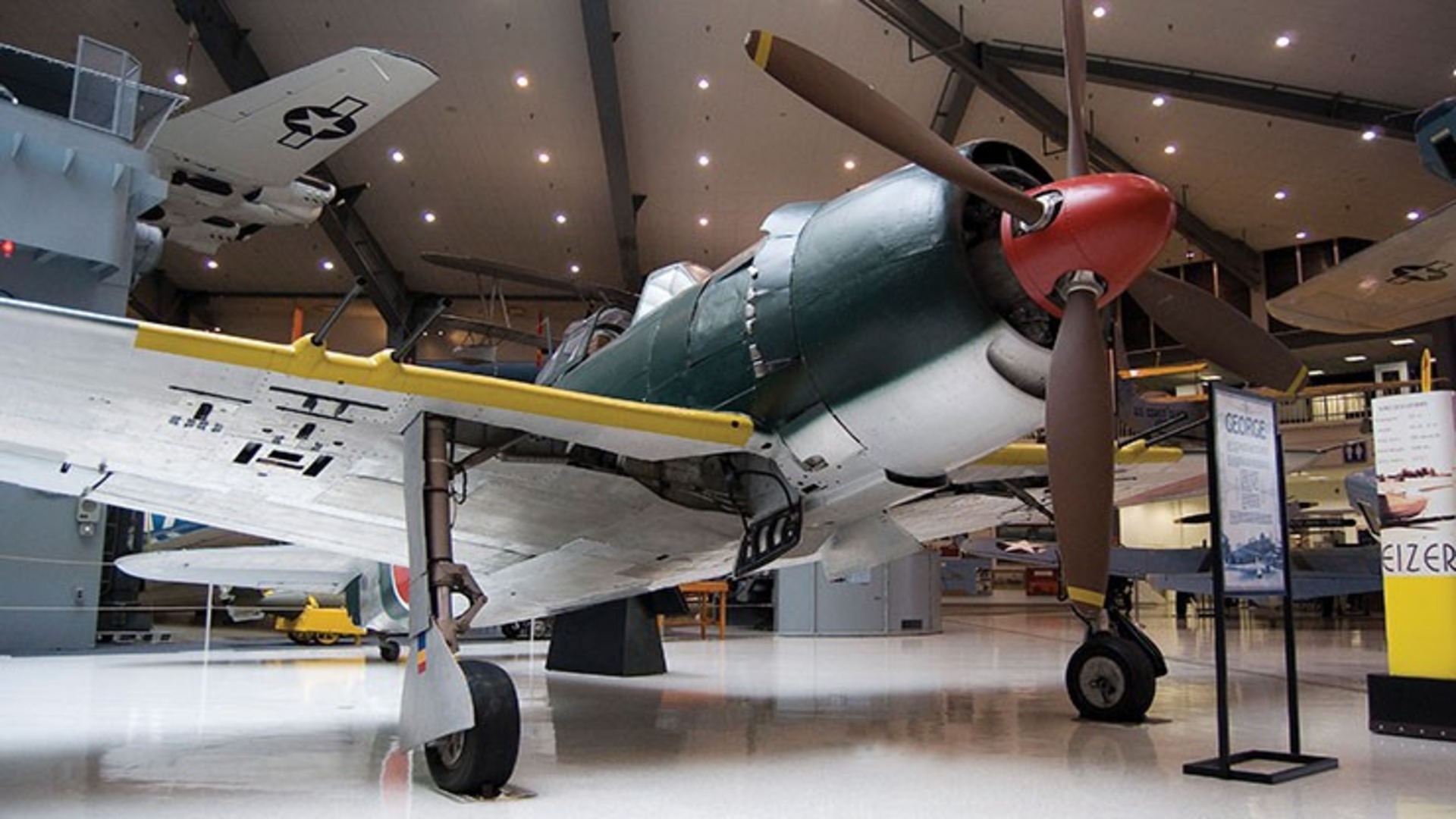
Called “George” by the Allies, the model was nicknamed “Violet Lightning-Improved” by the Japanese. The aircraft was heavily armed, maneuverable, and represented a significant leap in Japanese military technology of that period.
The first flight of the Shiden-Kai occurred after Christmas 1942. Before the end of the war, only 1,435 units were produced, a number cited by the National Naval Aviation Museum.
The model was equipped with two 7.7 mm machine guns mounted on the fuselage and four 20 mm cannons. Its revised wing and improved handling ensured great maneuverability and range, making the aircraft a formidable opponent in combat.
The Nakajima Homare 18-cylinder radial engine had a projected power of 2,000 horsepower. The setup was completed by a 3.35-meter four-blade propeller, which significantly enhanced the fighter’s performance.
In one cited incident, a single Shiden-Kai managed to attack 12 American F6F Hellcat fighters alone. In that action, it reportedly shot down four aircraft and forced the others to disengage.
Limits of the design and historical value of the aircraft
Despite its technical qualities, the fighter also faced significant limitations. Delays in production and shortages of materials compromised its ability to challenge the air supremacy of the United States.
The combination of the large propeller with the wing positioned in the middle of the fuselage required long landing gear, which brought problems for the aircraft. In the final months of the war, bombings by B-29 Superfortresses further reduced its effectiveness by destroying aircraft and engine factories.
As a result, only a limited number of these fighters were effectively produced, and most of them ended up being used in the defense of the Japanese islands. Now, the Japanese airplane that was recovered is expected to spend about a year in a specially designed tank to extract the salt deposits accumulated over the decades.
The team’s intention is to preserve the aircraft and then display it to the public. In addition to providing information about wartime aviation, the Japanese airplane is expected to serve as a symbol of the real consequences of the conflict and as an invitation to reflection during a time of global instability.








Seja o primeiro a reagir!