Portuguese
 Spanish


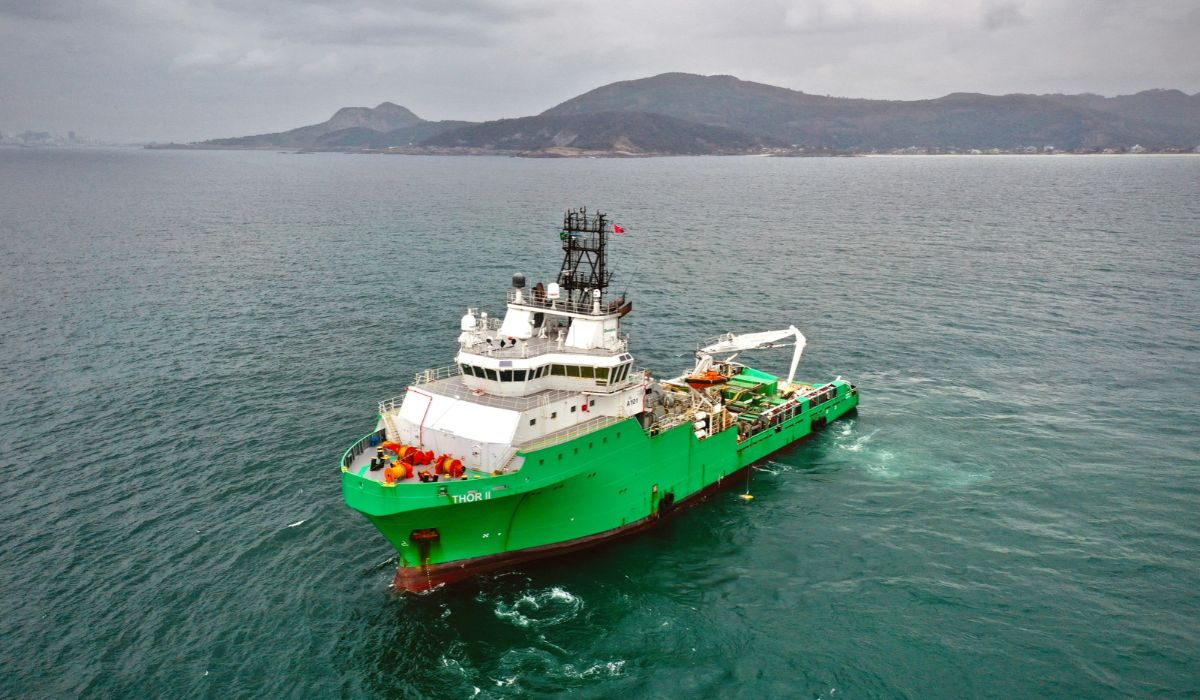

Brazilian subsea engineering company reorganizes its operations after contracts for two specialized vessels are terminated, using a hull inspection deal to bring its fleet back into service while challenging multimillion-real penalties.
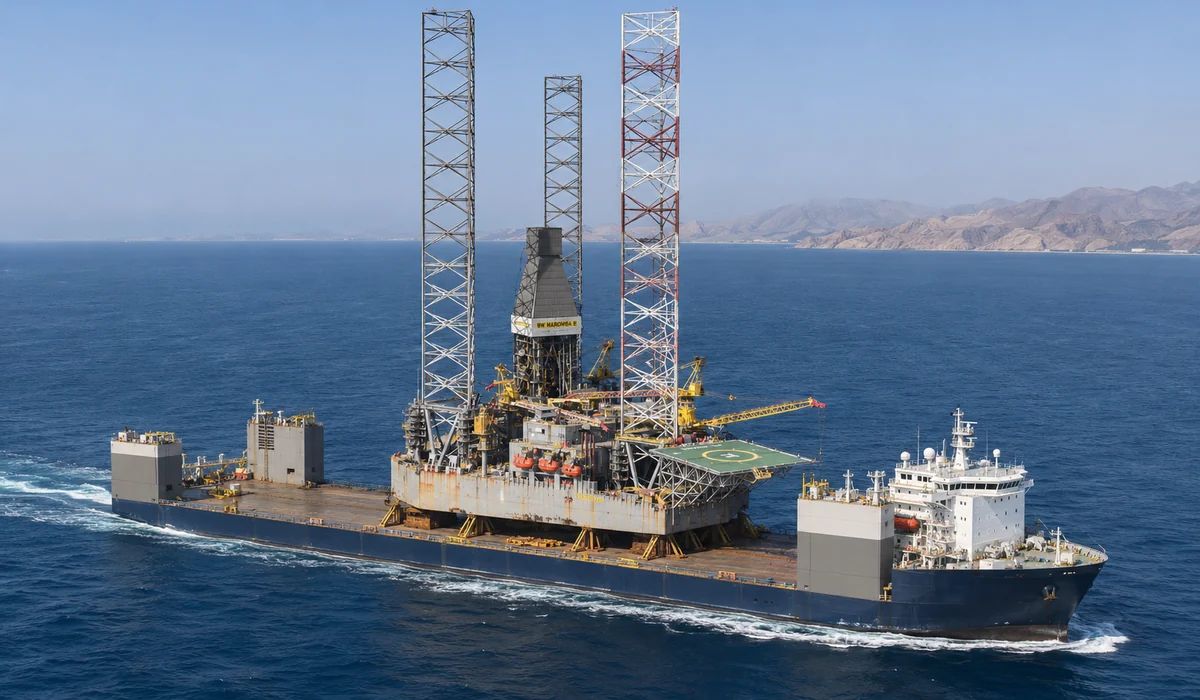
Two vessels prepared to serve Petrobras had to change their operating plans after their respective contracts were canceled. Oceânica Engenharia e Consultoria has now found a way to redeploy the vessels on another service for the state-controlled oil company.
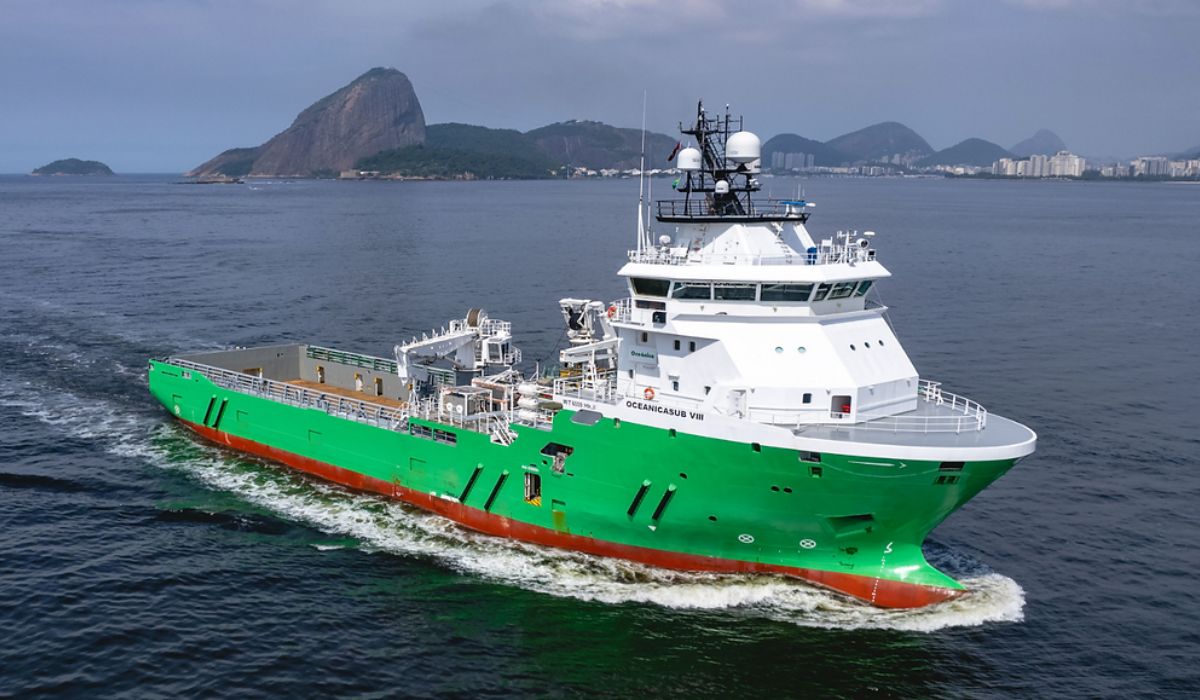
Oceanicasub XVIII returned to service in October 2026, while Oceanicasub XIII is expected to resume operations by the end of November.
The vessels are being assigned to a hull inspection contract that was expanded in May of this year by approximately R$650 million and 535 days.
-

-
-
-

Oceânica detailed the strategy in its third-quarter earnings report, released on November 13.
Alongside its fleet reorganization, the company is challenging the contract terminations and penalties issued by Petrobras.
Why Petrobras canceled the vessel contracts
In 2024, Oceânica won four Petrobras tenders that required it to prepare the SUB XIII, SUB XVII, SUB XVIII and SUB XIX vessels simultaneously for new contracts.
SUB XVII and SUB XIX began work in June and July 2026, respectively, while the contracts for the other two vessels were terminated.
Oceânica’s financial statements say Petrobras cited delays in making the vessels available.
The charter and service contracts for SUB XIII were canceled on May 19. The next day, the state-controlled company notified Oceânica that it intended to impose a compensatory fine of R$63.378 million.
The contract termination involving SUB XVIII took place on July 31, followed by a notice of a R$60.666 million fine in September.
The compensatory penalties notified by Petrobras total approximately R$124 million.
Oceânica disagrees with the decisions, arguing that the vessels were at an advanced stage of preparation and that it had already made the major investments needed to fulfill the contracts.
The circumstances cited by the company include work on SUB XIII’s engines and delays in delivery of SUB XVIII’s main crane and subsea robotics systems.
The parties were negotiating a consensual solution when the quarterly results were released. The contracts provide for the possibility of arbitration.
R$650 million contract paves the way to redeploy the vessels
The alternative Oceânica found involves a service both vessels were already familiar with.
Before beginning preparations for the contracts that were later canceled, SUB XIII and SUB XVIII had worked on hull inspections for Petrobras for approximately 18 and 13 months, respectively.
In May 2026, the agreement was extended and its value increased, creating room for the work to continue.
SUB XVIII is already back on the contract.
Oceânica’s management expects to complete the reassignment of SUB XIII by the end of November, although its actual return to service has not yet been publicly confirmed.
The measure could also help restore revenue. During the third quarter, only one vessel, the SUB VI, worked under the hull inspection contract.
Reduced operating capacity, combined with unfavorable weather conditions and temporary stoppages of other vessels, contributed to Oceânica’s decline in net revenue, which totaled R$ 367.1 million for the period.
How subsea inspections work in the oil industry
A significant part of the work performed on oil platforms takes place below the surface, out of sight of the teams remaining on board.
Hulls, metal structures, mooring systems and subsea equipment must undergo regular inspections to identify wear, corrosion and potential damage.
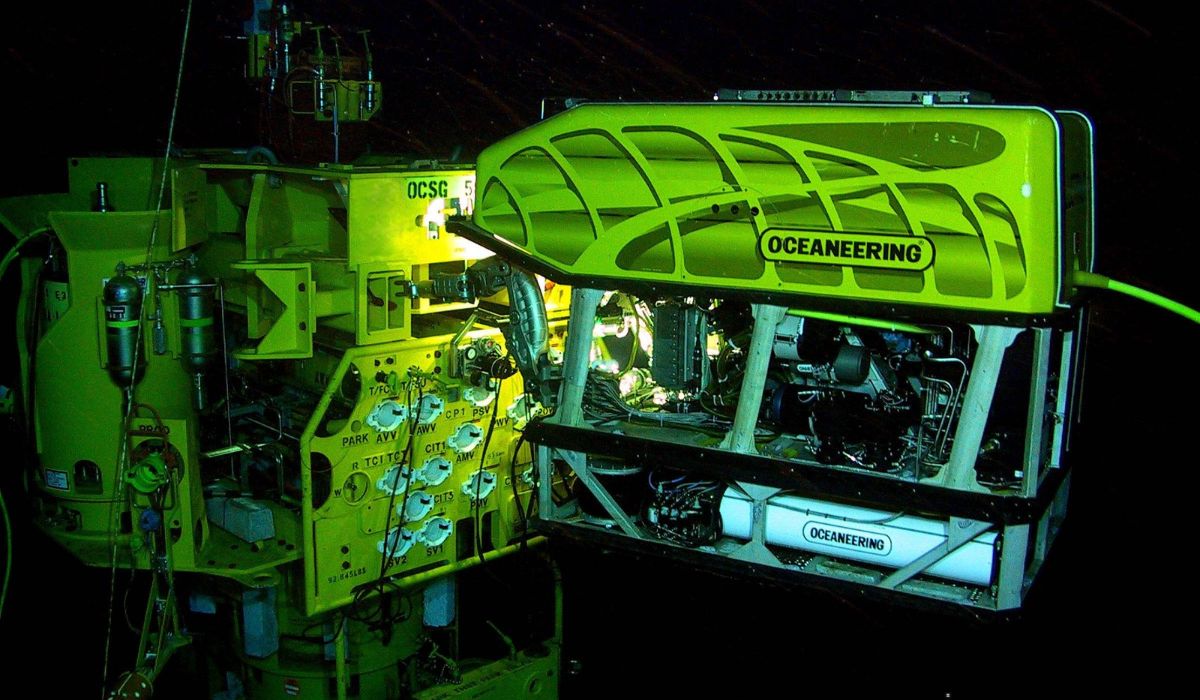
Depending on the depth and complexity of the work, these operations can be carried out by divers or remotely operated vehicles, known as ROVs.
Equipped with cameras, lighting, sensors and intervention tools, these robots allow workers to monitor and carry out subsea operations from support vessels.
The Oceanicasub XVIII, acquired in 2024, was modified to meet a range of offshore requirements, including ROV operations.
Oceânica’s latest financial statements show that it has 18 vessels and 19 Work Class subsea robots capable of operating at depths of up to 3,000 meters.
Oceânica maintains R$ 10.3 billion contract backlog and projects growth in 2027
Despite the contract terminations, Petrobras remains the Brazilian company’s main customer.
In the first nine months of 2026, approximately 94% of Oceânica’s net revenue came from contracts with the state-owned oil company.
The business relationship gained a new chapter in October, when the companies signed a contract worth approximately R$ 354 million for specialized subsea services involving divers and remotely operated equipment.
The four-year agreement helped increase Oceânica’s contract backlog to R$ 10.3 billion.
Six other company vessels have contracts renewed between December 2025 and February 2026, running through 2030 with an option to extend them through 2031.
Preparation of these vessels for their respective services is expected to take place between late this year and early 2027.
Under the plan announced in November, Oceânica expects to complete its current vessel mobilization cycle by the end of the second quarter of 2027.