Portuguese
 Spanish


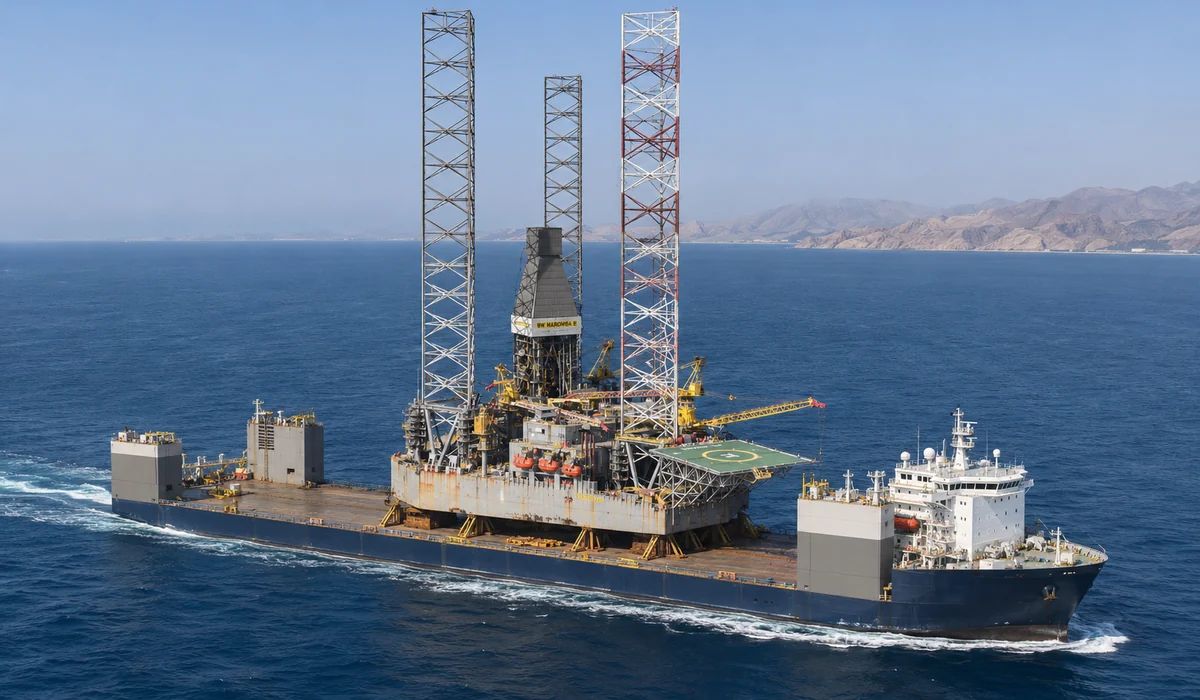

BW Energy is preparing a complex maritime transport operation to bring a platform converted in Dubai to Brazil’s coast. The unit is central to a billion-dollar oil project expected to reach production of 60,000 barrels per day.
A former offshore drilling rig that underwent an industrial conversion in the United Arab Emirates is being prepared for a new role in the Campos Basin. Before it begins operating in Brazil, however, it will have to make a complex sea voyage.
BW Energy expects the BW Maromba B platform to cross the Strait of Hormuz in December 2026, heading from Dubai toward Oman.
From there, a specialized heavy-lift vessel is scheduled to carry the structure, departing in early January 2027.
-

-

-

-
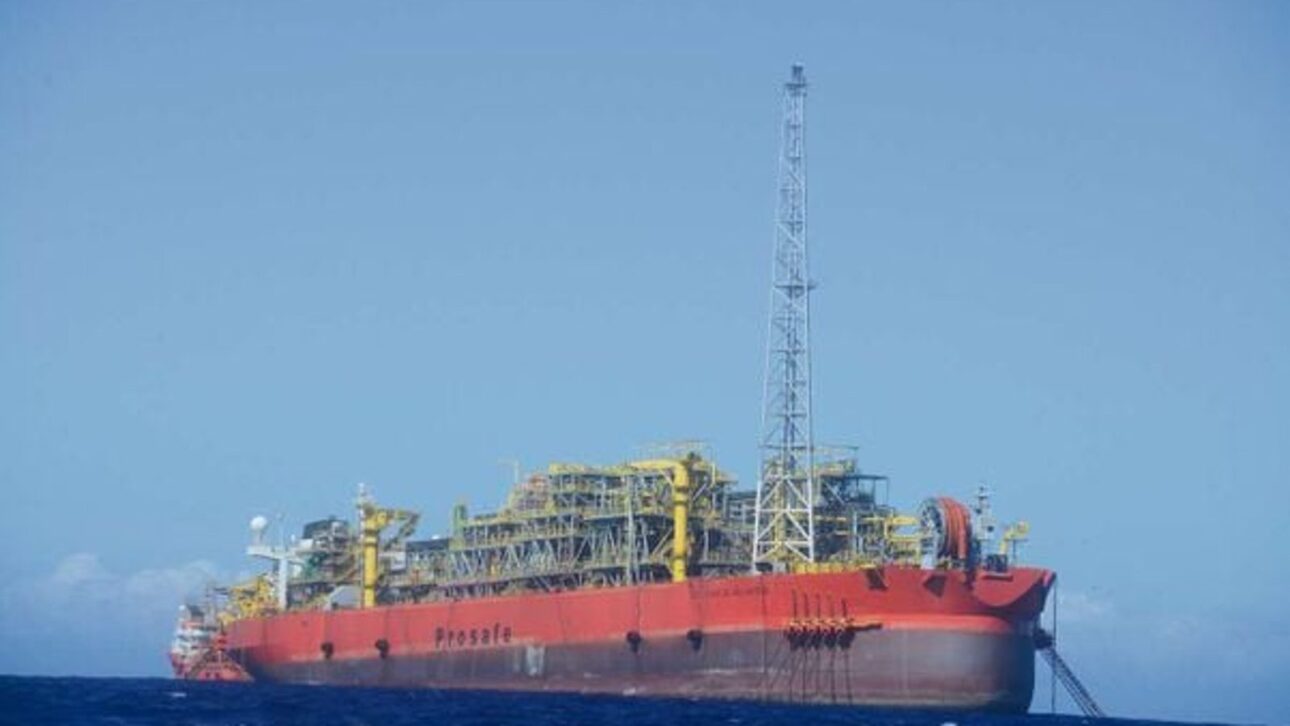

The timeline appears in the company’s third-quarter results presentation, released on October 29.
The platform is scheduled to be installed in the first quarter of 2027, marking one of the main milestones in the development of the Maromba field, a project with estimated investments of US$1.5 billion.
Crossing the Strait of Hormuz requires special planning
Located between Iran and the Arabian Peninsula, the Strait of Hormuz connects the Persian Gulf to the Gulf of Oman and is one of the most important shipping lanes for the international oil trade.
For BW Energy, crossing the region is a necessary step in moving the platform from the Drydocks World shipyard in Dubai, where work was carried out to prepare it for future operations in Brazil.
The first leg of the journey will use a method known in the shipping industry as a wet tow, in which the platform is towed while remaining afloat.
In Oman, the transport method will change.
The Maromba B will be loaded onto a specialized vessel that will carry the entire structure to Brazilian waters.
During the results presentation, BW Energy CEO Carl K. Arnet acknowledged that security conditions in the Strait of Hormuz could pose a risk to the schedule.
The company is continuing its assessments with the operators responsible for the tow while advancing discussions with Brazil’s oil regulator, the ANP, environmental agency Ibama, the Brazilian Navy and customs authorities to bring the unit into the country.
Platform received 205-meter steel legs during its conversion in Dubai
Before it was named BW Maromba B, the unit was known as Valaris 247, a Super Gorilla-class jack-up drilling rig.
This type of platform has large steel legs that can rest on the seabed, allowing the structure to be raised above the water’s surface.
The unit needed modifications, however, before it could operate in the Brazilian field.
Hired by the Drydocks World shipyard, engineering company Mammoet carried out the lifting and installation of nine steel sections to extend the platform’s three legs.
Each section weighed about 105 metric tons.
The work extended the legs from 175 to 205 meters, preparing the structure for conditions at its future operating site.
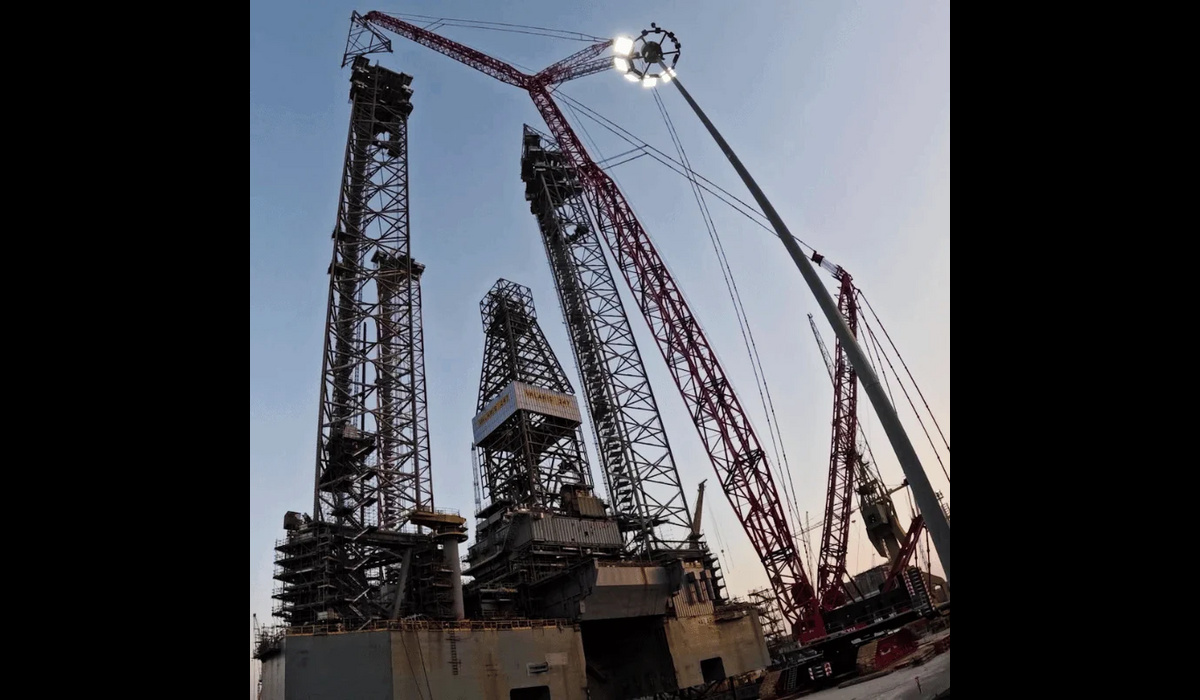
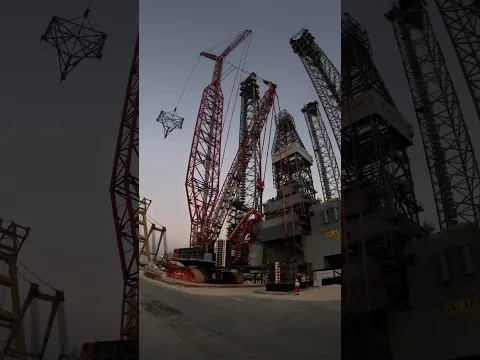
The work required a crawler crane equipped with a 120-meter main boom and a 96-meter auxiliary boom.
The platform will be installed in an area with approximately 150 meters of water depth and will house equipment for drilling and operating oil wells.

How an entire platform can be transported between continents
Moving a large offshore structure from one continent to another requires vessels very different from conventional ships.
Available options include semi-submersible heavy-lift vessels, which can partially submerge their decks to take on platforms that remain afloat.
Once the cargo is in position, the vessel pumps water out of its ballast tanks, rises back to sailing height and supports the structure on deck.
Brazil has already received large oil-production units using this method.
Petrobras’ P-70 platform, for example, was transported from China to Rio de Janeiro aboard Boskalis’ Boka Vanguard in an operation involving a cargo weighing more than 91,000 metric tons.
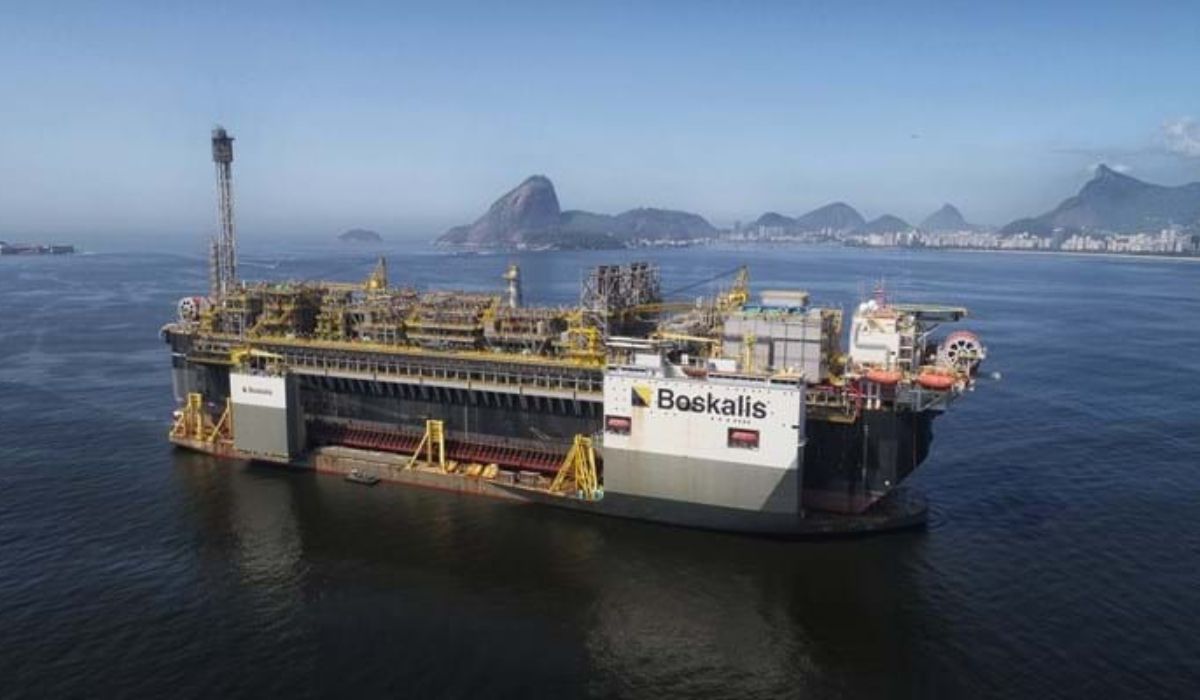
For Maromba B, BW Energy said it had secured specialized transport from Oman for early January 2027, but did not identify the vessel assigned to the voyage in its October presentation.
Maromba field could produce 60,000 barrels of oil per day
Discovered in 1980, the Maromba field lies in the southern part of the Campos Basin, about 100 kilometers off the Brazilian coast.
BW Energy’s strategy involves reusing two large offshore structures, reducing the need to build entirely new platforms.
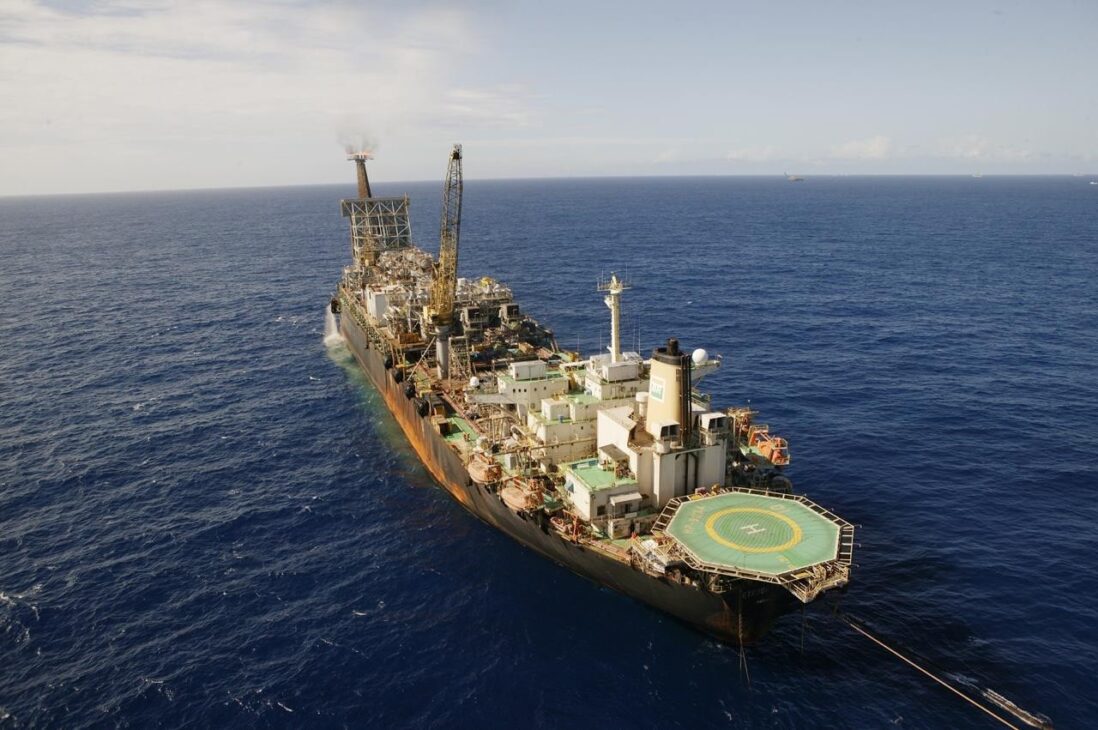
In addition to Maromba B, the project will include the BW Maromba FPSO, formerly the Polvo floating production vessel, which is being upgraded at the COSCO shipyard in Dalian, China.
The two units will serve complementary functions.
The jack-up drilling rig will house the drilling equipment and wellheads, while the FPSO will receive the extracted oil for processing and storage before transferring it to oil tankers.
The first campaign will include six production wells, followed by a second phase with six more.
The initial project aims to develop approximately 123 million barrels of proved and probable reserves, with production expected to reach 60,000 barrels per day.
The FPSO is expected to leave the Chinese shipyard in the second quarter of 2027. If installation of both units and drilling of the first wells stay on schedule, the company plans to begin oil production late that year.