Portuguese
 Spanish


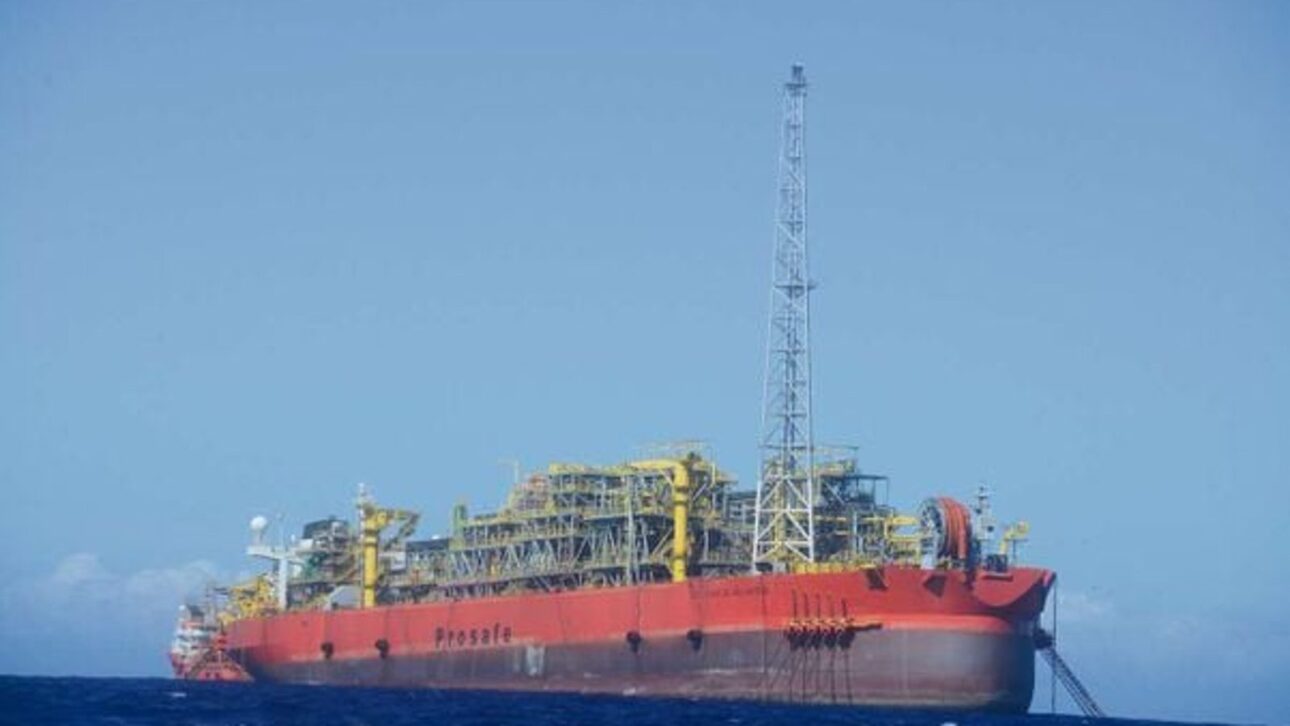

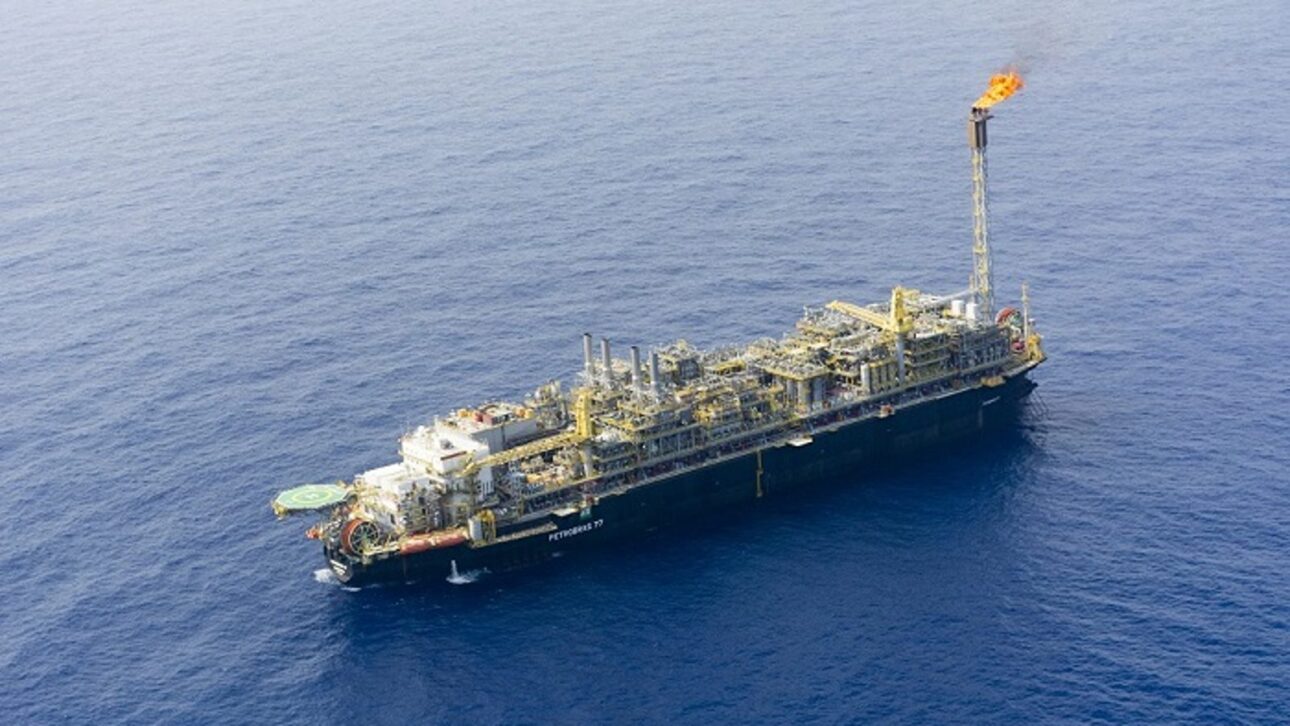
The 6th Panel of Brazil’s Regional Labor Court for the 1st Region (TRT-1) upheld an order requiring Petrobras and two BW Offshore group companies to pay R$1 million in moral damages to a deck officer who survived the 2015 explosion aboard the Cidade de São Mateus platform vessel. The ruling also guarantees a lifetime pension. Appeals are still possible.
Petrobras asked the labor court to cut compensation for a worker who survived a platform vessel explosion to no more than R$50,000. The TRT-1 rejected the request and upheld the R$1 million award.
The ruling came from the 6th Panel of the Regional Labor Court for the 1st Region (TRT-1), in Rio de Janeiro. The decision was unanimous and signed on October 13, 2026, according to Diário de Justiça.
Revista Proteção also reported on the case, citing a story by legal publication Consultor Jurídico (ConJur).
-

-
-

-
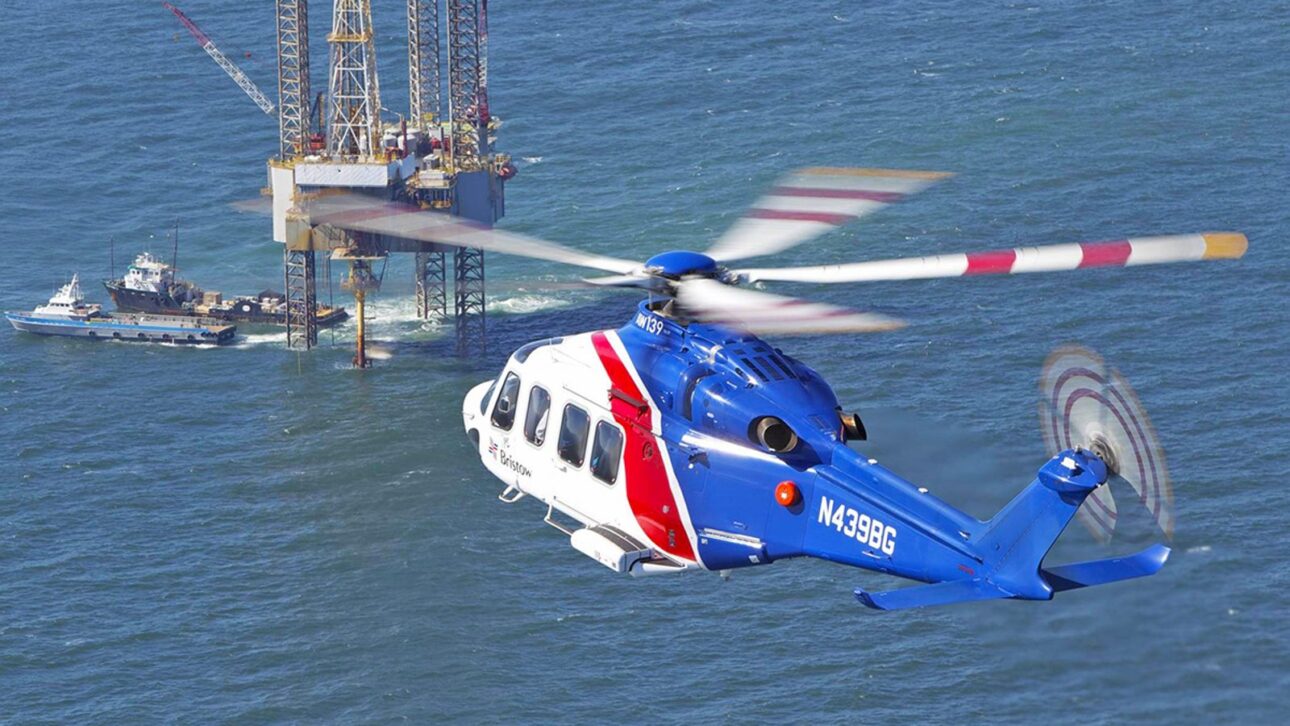
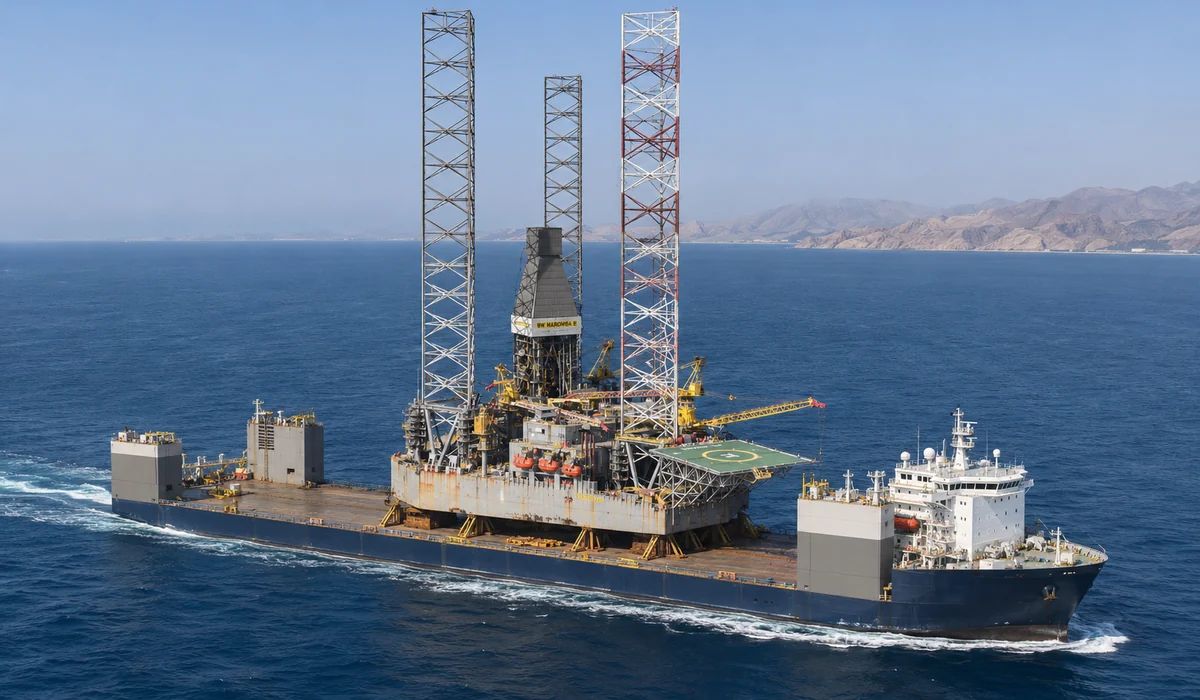
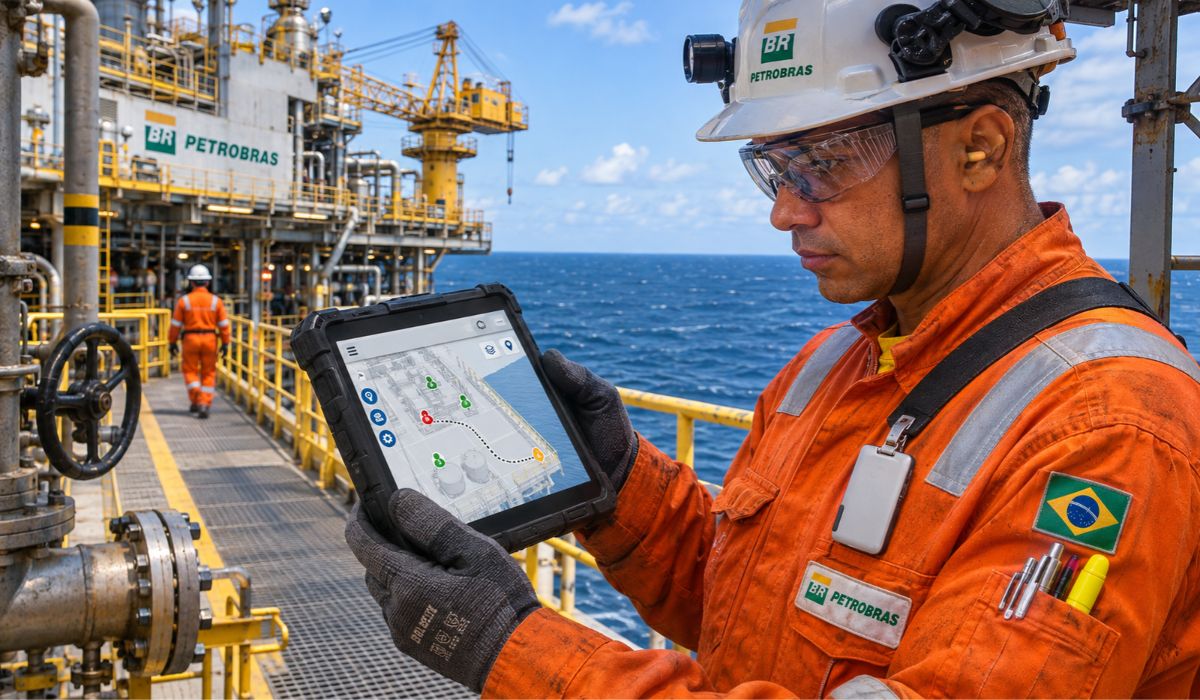
The explosion that killed nine
The accident occurred in February 2015 aboard the Cidade de São Mateus platform vessel. The explosion killed nine people and injured 26.
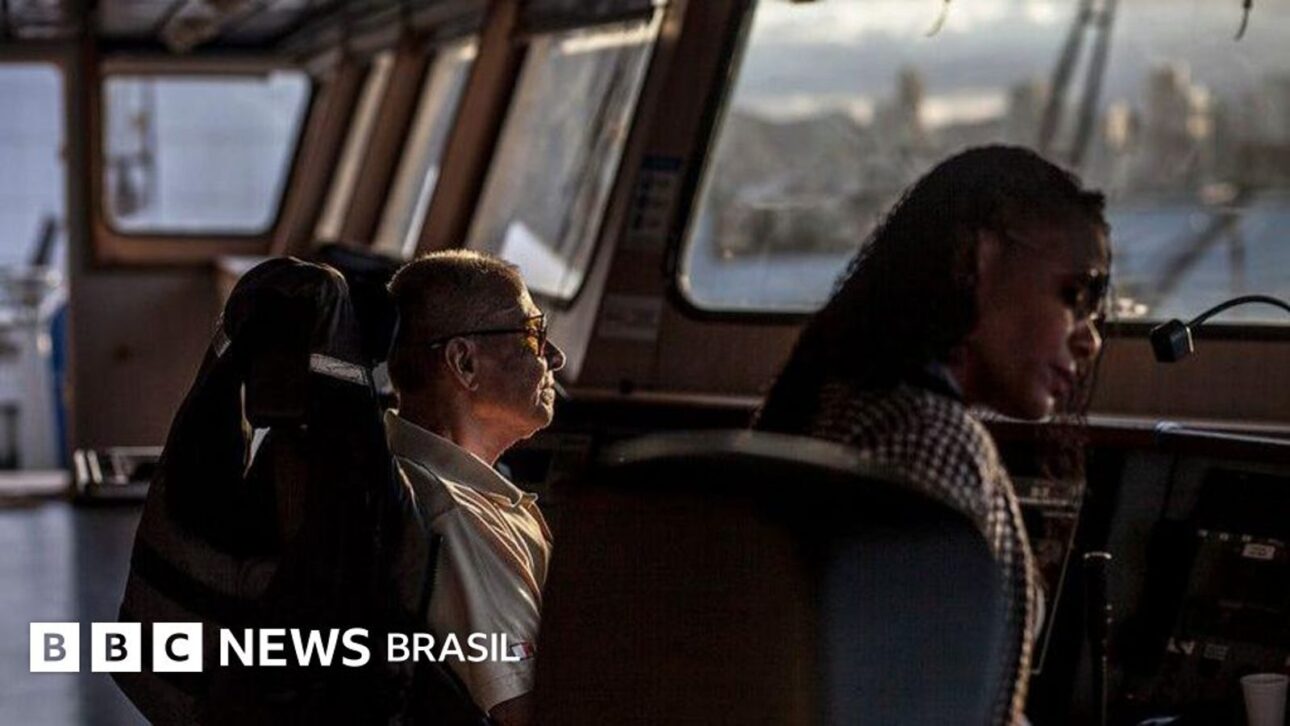
The worker was a deck officer on the platform, providing services to Petrobras. The blast threw her through the air as a rescue boat was being refueled.
She suffered scalp injuries and an open fracture in her hand that required surgery.
Trauma that kept her from returning offshore
In addition to her physical injuries, the survivor developed post-traumatic stress disorder (PTSD). She began having nightmares, involuntary memories of the explosion, anxiety and fear of returning to work.
Brazil’s National Social Security Institute (INSS) cleared her to return to work in November 2015, but she was unable to resume working on offshore platforms. A court-ordered medical evaluation diagnosed chronic PTSD and concluded that she was permanently unable to return to her former offshore occupation.
The medical expert also noted that she had no psychiatric disorders before the accident and showed no signs of faking her condition.
What Petrobras and the companies argued
The companies disputed the extent of her incapacity and the amount of compensation. Petrobras asked the court to eliminate the award for moral damages or reduce it to no more than R$50,000. The group companies asked for the award to be cut to R$20,000.
Petrobras also argued that the worker’s participation in political activities, including running for city council in 2020, and her work as an individual microentrepreneur showed that she was capable of working.
The TRT-1 rejected that argument. The medical expert said that taking part in public events does not rule out the diagnosis, since she can engage in activities that do not remind her of the explosion.
Liability without having to prove fault
The TRT-1 found that working on oil platforms is inherently hazardous. It therefore applied strict liability, as provided for in Article 927 of Brazil’s Civil Code.
Under this type of liability, the employer’s fault does not have to be proven. It is enough to show that harm occurred and that it was connected to the work.
The reporting judge, appellate judge Cláudio José Montesso, cited images of the people who died that were submitted as evidence in the case. He described them as “powerful, shocking and appalling”. The TRT-1 found that the R$1 million award was proportionate to the severity of the case and the companies’ financial capacity.
Lifetime pension and treatment
In addition to R$1 million in moral damages, the court upheld a lifetime monthly pension equal to 100% of the worker’s pay, with increases in line with wage adjustments for her occupational category.
The pension is calculated based on her average pay during the 12 months before the accident. The ruling also guarantees reimbursement for medical, psychiatric and psychological treatment, as well as medication.
Appeals are still possible
The ruling partially granted the worker’s appeal, adjusting the terms for payment of the pension. The TRT-1 ruling upholding the compensation can still be appealed.
The worker is represented by the João Tancredo Advocacia law firm.