





 Portuguese
  English
  Spanish
  4 min of reading
  0 comments


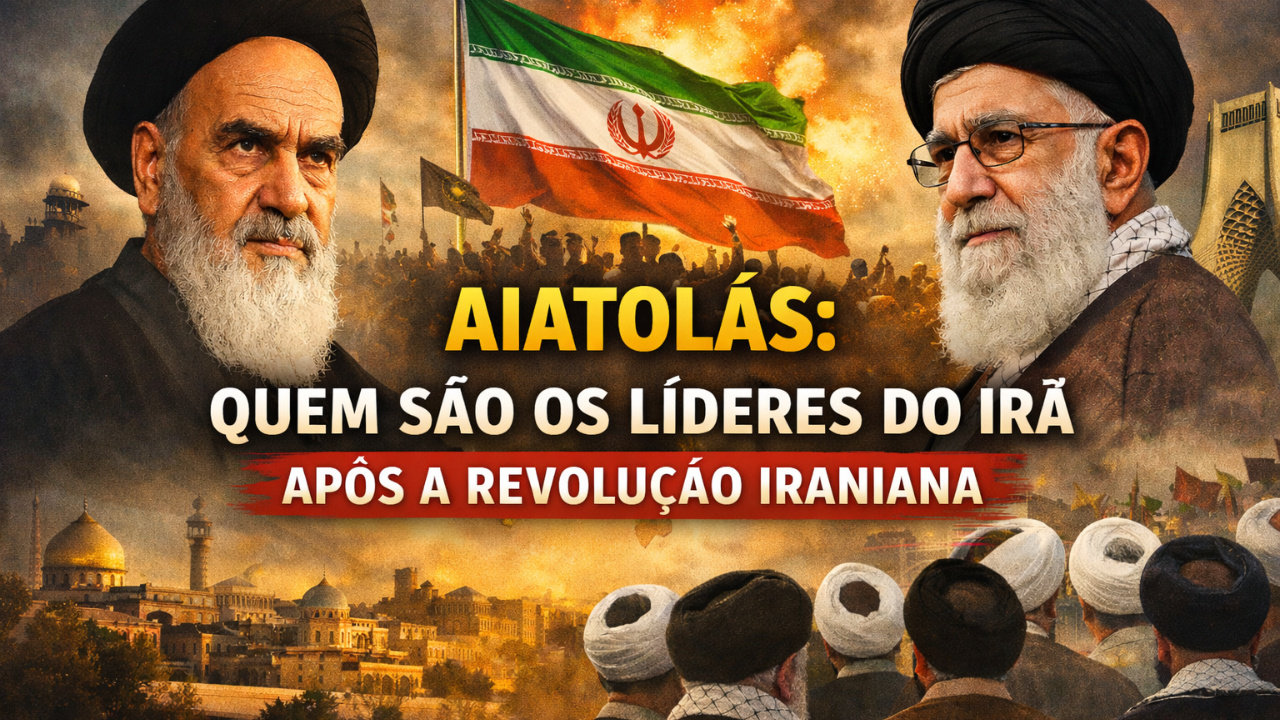
Ayatollahs: Understand Who the Leaders of Iran Are, How They Operate in Shia Islam, and Why They Came to Govern After the Iranian Revolution of 1979.
The ayatollahs are central figures in the political and religious system of Iran, especially after the Iranian Revolution of 1979, which transformed the country into an Islamic republic.
These leaders of Shia Islam came to occupy strategic positions in the government, acting as both religious leaders and political authorities at the same time.
The model was consolidated in Iran, in the Middle East, through a fusion of religion and state, based on the interpretation of Islamic laws.
-
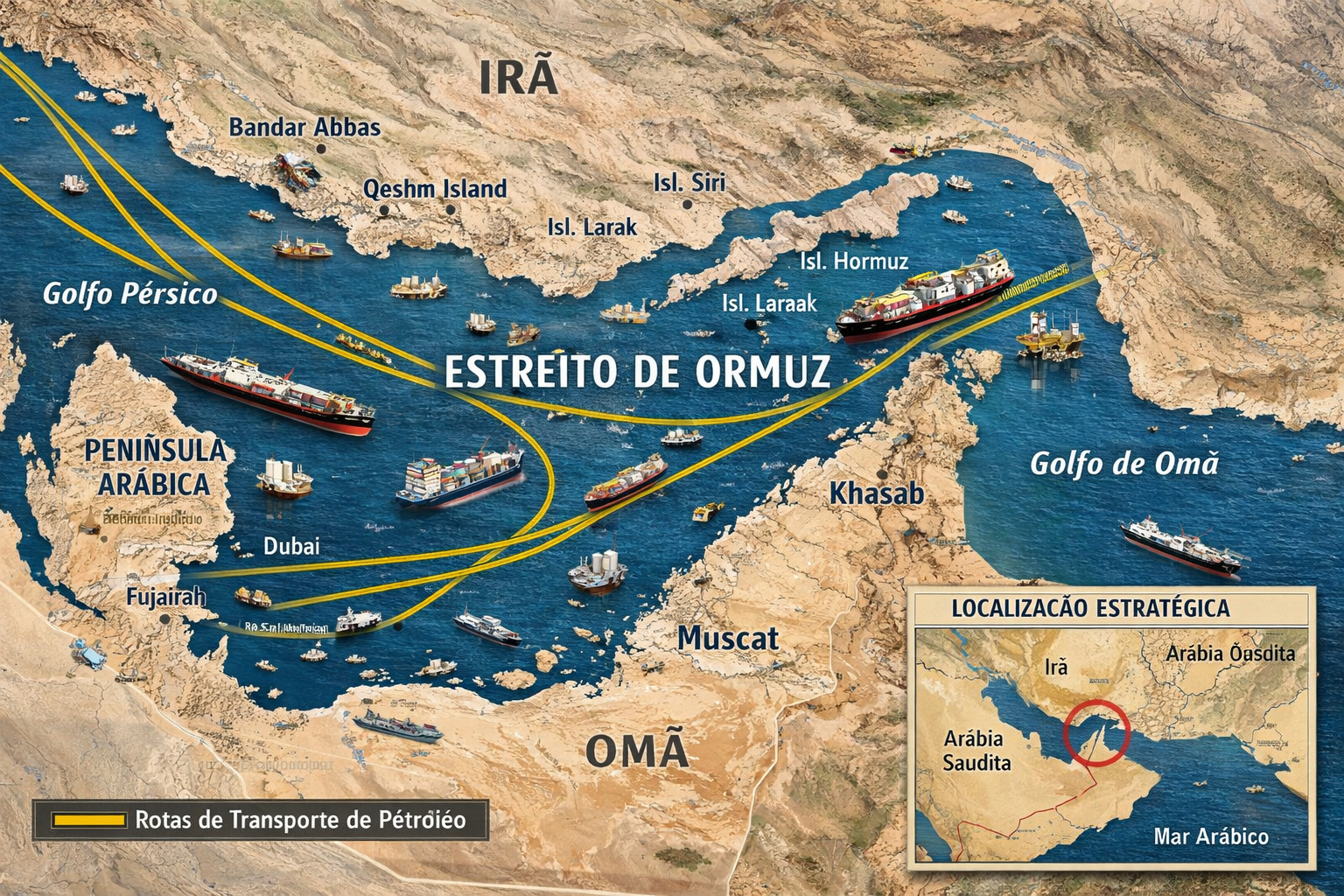
Global summit with over 40 countries pressures Iran for a blockade in the Strait of Hormuz and warns of direct impact on oil, food, and the global economy.
-
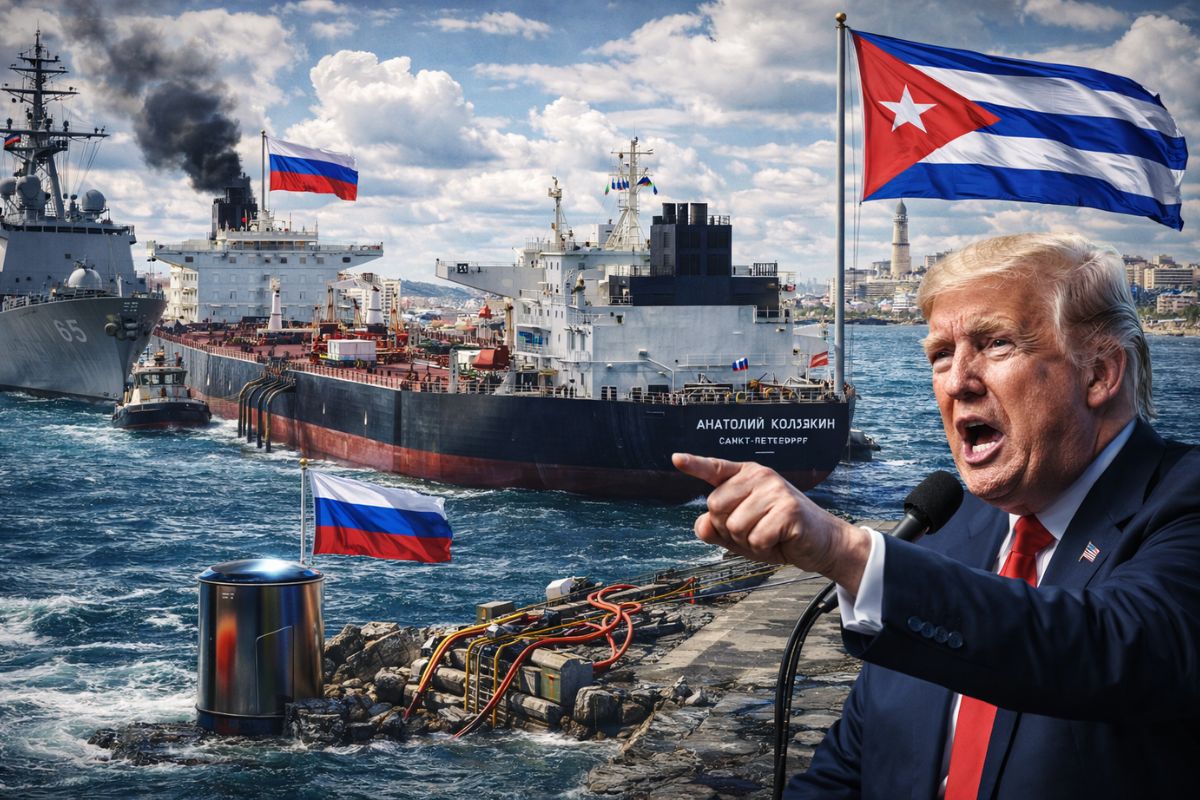
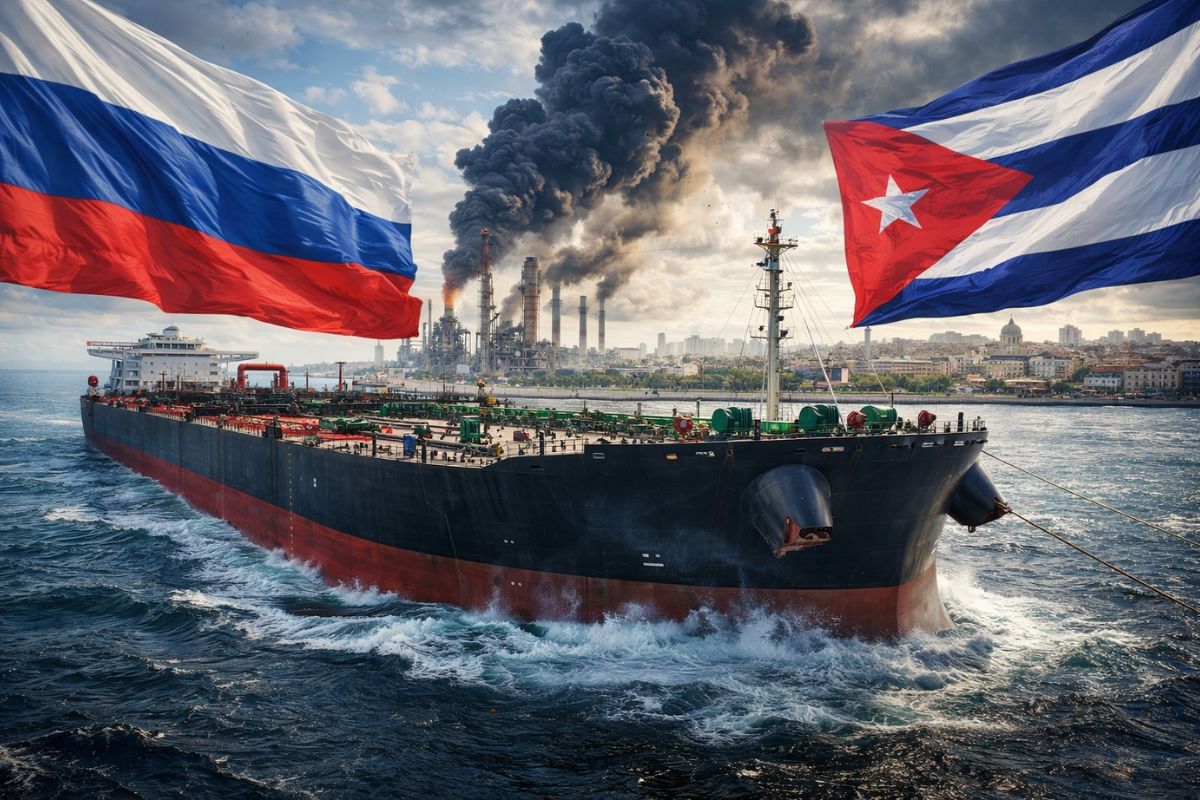
Russia has broken the U.S. maritime blockade to send oil to Cuba and is now loading a second ship while Trump says that “Cuba is next” in a possible military action against the island.
-
Spain challenges the USA and closes its airspace for operations against Iran, raising global tension and provoking the threat of a trade rupture.

-
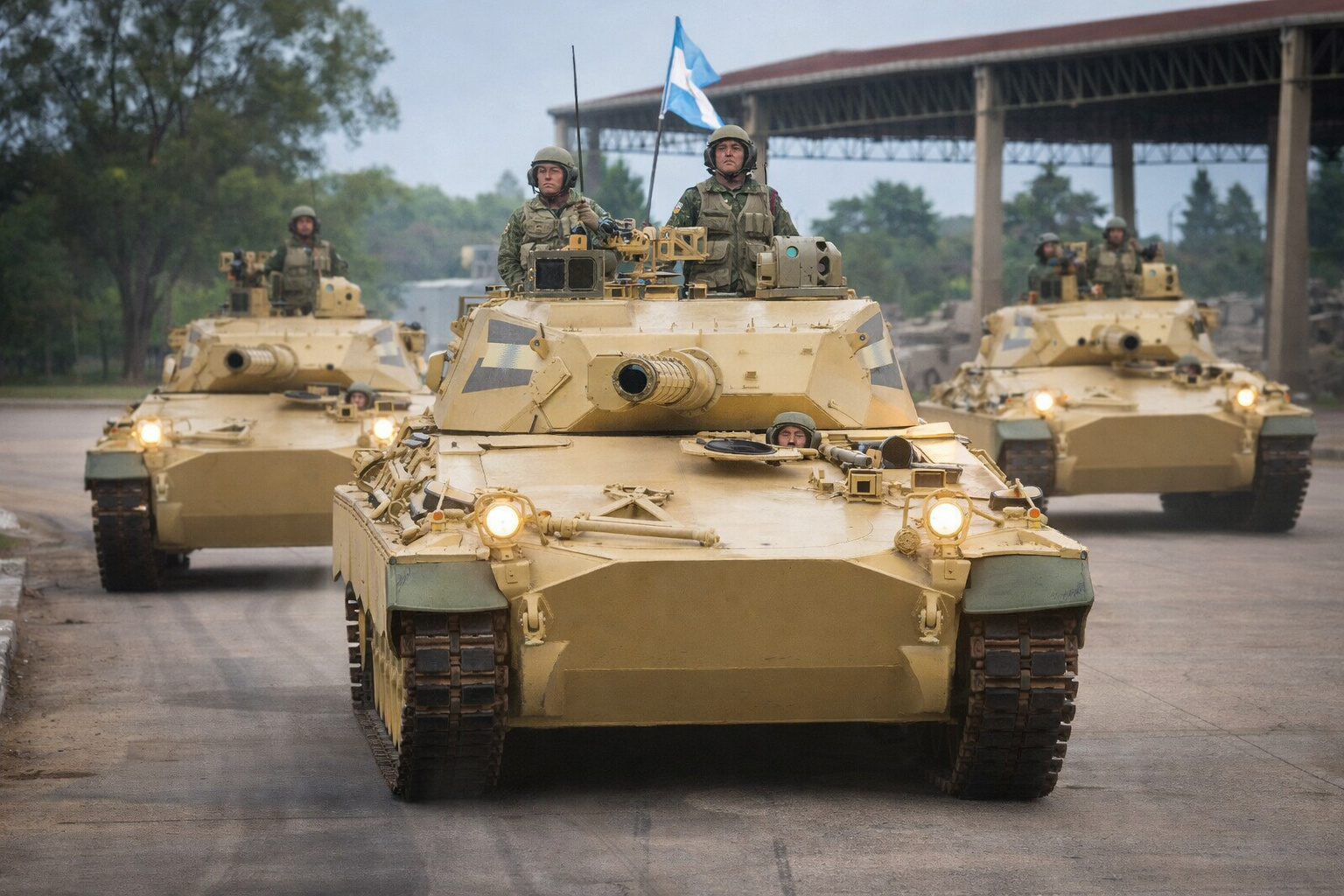
While no other country manufactures tanks in Latin America, Argentina activates the TAM 2C-A2 and raises a curiosity about the technological lag in the region.

Since then, the country has been governed by an ayatollah who serves as the supreme leader, with direct influence over political, social, and legal decisions.
This format emerged in response to the fall of the monarchy and the search for a system aligned with the religious principles of Shiism.
Thus, the ayatollahs have become not only scholars but also key figures in the governance of the nation.
What Are Ayatollahs in Shia Islam
Within Shia Islam, ayatollahs are not political positions by definition, but rather high-prestige religious titles.
They are recognized as highly qualified scholars of Islamic religion.
“It is attributed to scholars who reach one of the highest levels of authority in Islamic knowledge,” explains anthropologist Francirosy Campos Barbosa.
Furthermore, these leaders have a deep mastery of the Quran and the so-called sharia — the system of Islamic laws.
Sharia is based on the teachings of the holy book, the reports of the Prophet Muhammad, and Islamic traditions.
“They are the scholars who reach the highest level of study,” defines Nasser Khazraji.
Therefore, the title of ayatollah represents intellectual and religious recognition within the Shia community, not necessarily a political function.
Ayatollahs in Iran and Their Influence After the Iranian Revolution
The direct relationship between the ayatollahs and political power solidified in Iran after the Iranian Revolution. Before that, the country was a monarchy aligned with the West.
With the revolution, the system was replaced by a theocracy, where the religious leader came to occupy the top of the power structure.
The first to assume this role was Ruhollah Khomeini, followed later by Ali Khamenei.
“The Iranian Revolution made this junction between religion and politics clearer,” contextualizes Barbosa.
Currently, besides the supreme leader, other ayatollahs act as advisors and directly influence government decisions.
In this model, religion and politics become inseparable.
“They are political and religious leaders because, in this worldview, Islamic theology intertwines with political organization,” explains political scientist Paulo Nicolli Ramirez.
How Many Ayatollahs Exist and Where Do They Operate
Although Iran is the main example of a government led by ayatollahs, these scholars exist in various countries with a presence of Shia Islam, such as Iraq and Lebanon.
It is estimated that there are hundreds of ayatollahs currently, with most concentrated in Iran and Iraq.
However, only in Iran do they officially hold political command.
“They are religious leaders of Muslims. They lead the nation on various issues: religious, social, and political,” states Khazraji.
Additionally, each believer can choose which ayatollah to follow based on their religious interpretations.
Despite small differences, the doctrinal basis remains similar.
How to Become an Ayatollah in Shia Islam
The path to becoming an ayatollah is long and requires decades of study.
There is no formal appointment, but rather a gradual recognition within the religious community.
According to experts, training occurs in Islamic seminaries called hawza, such as those in Qom, Iran, and Najaf, Iraq.
“It results from a long process of intellectual formation and religious recognition,” explains Barbosa.
During this journey, students learn theology, philosophy, Islamic jurisprudence, history, and Arabic language.
Additionally, they must develop their own capacity for interpretation of the sacred texts.
“When one reaches a very high level of knowledge, they can extract religious rules on their own,” states Khazraji.
Ayatollahs: Religious Authority and Social Influence
Ayatollahs are considered references within Shia Islam, responsible for guiding believers on everyday issues, from religious practices to personal decisions.
“They are the source of knowledge and the manual for Muslims,” explains Khazraji.
Some reach even higher levels, such as the so-called “grand ayatollahs,” who become global references for followers.
These leaders are known as marja’ al-taqlid, meaning maximum authorities in religious interpretation.
Furthermore, symbols like the black turban indicate descent from the prophet, although they do not necessarily represent greater power.
Why Are Ayatollahs So Influential in Iran
The influence of the ayatollahs in Iran is directly related to the political structure created after the Iranian Revolution.
In this model, religious knowledge became the foundation of state power.
As a result, the religious leader began to define guidelines not only spiritual but also political and legal.
This characteristic differentiates Iran from other Islamic countries.
Thus, ayatollahs have ceased to be merely scholars and have become protagonists in governing the country, maintaining a central role in Iranian society to this day.
See more at: Who Are the Ayatollahs, Who Have Governed Iran Since 1979 – BBC News Brazil









Seja o primeiro a reagir!