





 Portuguese
  English
  Spanish
 3 min of reading
  0 comments


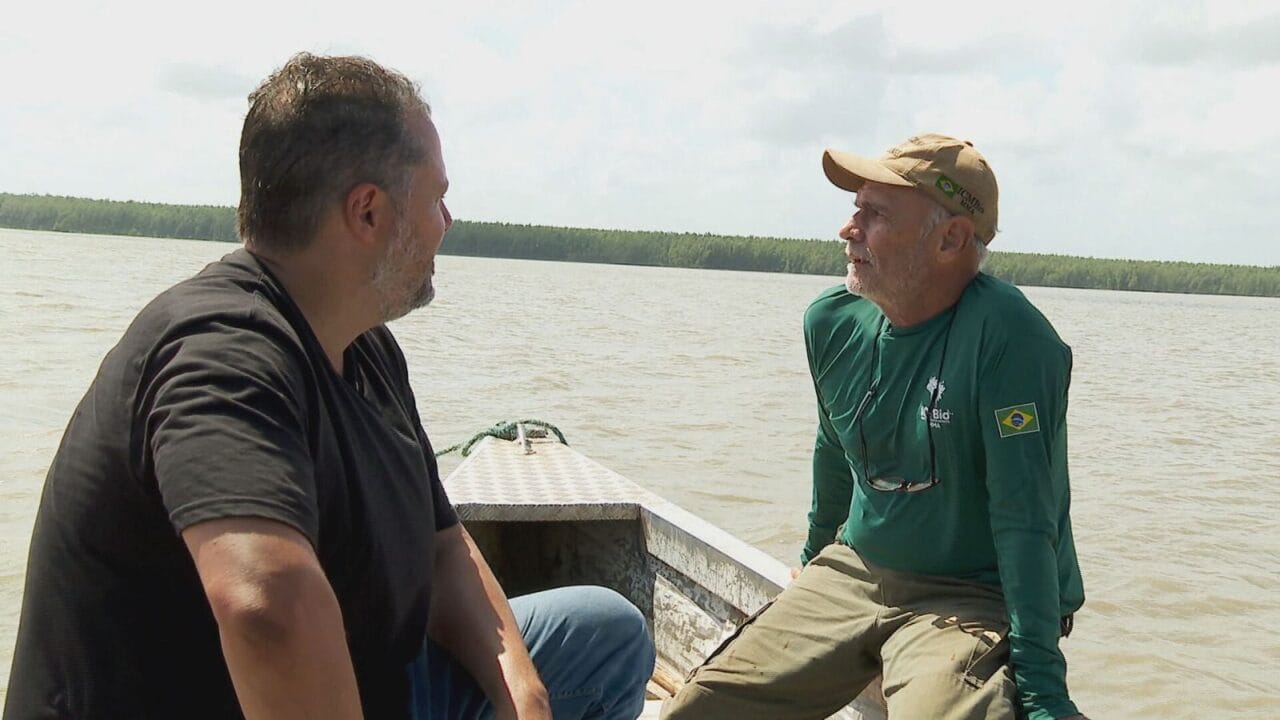
Environmental Analyst from ICMBio Fears That Oil Spot Might Spread Artifacts in the Atlantic Ocean, Impacting Biodiversity.
The environmental analyst from ICMBio, Ricardo Pires, has extensive experience of 20 years in the Cabo Orange National Park, the closest point on land to the block that Petrobrás intends to explore in the Atlantic Ocean. During this time, he has closely observed the importance of protecting the region from potential oil spills that may harm the marine ecosystem.
In an interview with CNN, he reported on his work routine and how he witnessed, with his own eyes, the sea bringing artifacts to the shore, such as fragments of a rocket and a sailboat. Episodes that, for him, confirm the high chances of an eventual oil spill reaching the shore, representing a significant threat to marine life and the sustainability of the area.
Interview with the Environmental Analyst
Read below the interview with the environmental analyst. The oil activity and the potential spill are one of the biggest concerns in the Cabo Orange National Park. With the presence of the Amazon River and its sedimentation, the risk of oil spills is a critical issue that needs to be carefully considered.
-
A study confirms that the natural gas sector will reduce greenhouse gas emissions in Brazil by 0.5% and accelerate the energy transition by 2026.

-
Petrobras implements a severe adjustment and confirms a 55% increase in the price of aviation kerosene with a proposal for installment payments for the companies.

-
The rise in oil prices could ensure an extra revenue of R$ 100 billion for the Federal Government, indicates a recent economic study.

-
Naturgy begins an investment of R$ 1.6 million to expand the gas network in Niterói and benefit thousands of new residences and businesses.

Can you explain to us what Cabo Orange Park is.
Cabo Orange Park represents the northernmost part of Brazil’s coastline, where the sedimentation of the Amazon River provides a fragile and vulnerable environment to potential oil spills. The coastal expansion, tidal range, and the importance of biodiversity make these concerns even more significant.
As it’s very soft mud, if you imagine an oil spot coming here, with a four-meter tide, the tidal range here is four meters. Let’s say it arrives, there’s a spill, which is unlikely but the possibility exists. If an oil spot arrives during high tide, it will come in, because it’s all flat, it’s flat here, because it’s formed by sedimentation.
How much mangrove is there along this coast?
The mangrove here encompasses a vast area within the park, extending as far as Maranhão. This environmental richness and its sensitivity make any oil activity a potential risk to biodiversity and to the livelihood of local communities that depend on natural resources.
You have the environmental, human, social, and economic impact.
The human and economic impact of an oil spill in this region would be devastating. Besides the families that directly depend on local fishing, biodiversity and unique ecosystems are also at risk of being irreversibly affected.
Do you believe that a spill would reach here on the coast?
Yes, there is evidence that previous spills, such as that of a rocket and a sailboat, have manifested on this coast, highlighting the need for detailed studies and careful planning for emergency situations.
The Routine of the Environmental Analyst in the National Park
The routine of the environmental analyst is complex and varied, involving activities ranging from administrative tasks to field actions. With the recent expansion of the team and improvement in task division, it is now possible to focus more effectively on monitoring and preventing potential oil spills in the region.
From maintaining vehicles and bases to firefighting, the team must be prepared to handle a wide range of situations, including possible oil spills.
Challenges of Environmental Preservation
The preservation of the Cabo Orange National Park ecosystem faces significant challenges, especially in light of the expansion of oil activity in the region. Care and attention to prevent spills and minimize human and environmental impact are essential for the long-term sustainability of this unique area.
The special series Oil in the Amazon, published by CNN this week, highlights the urgency and importance of addressing these issues and seeking sustainable solutions to protect the environment and the communities that depend on it.
Source: CNN Brazil







Seja o primeiro a reagir!