Portuguese
  Spanish



From Zero to Space: How 3D Printing Is Changing the Game in the Space Industry
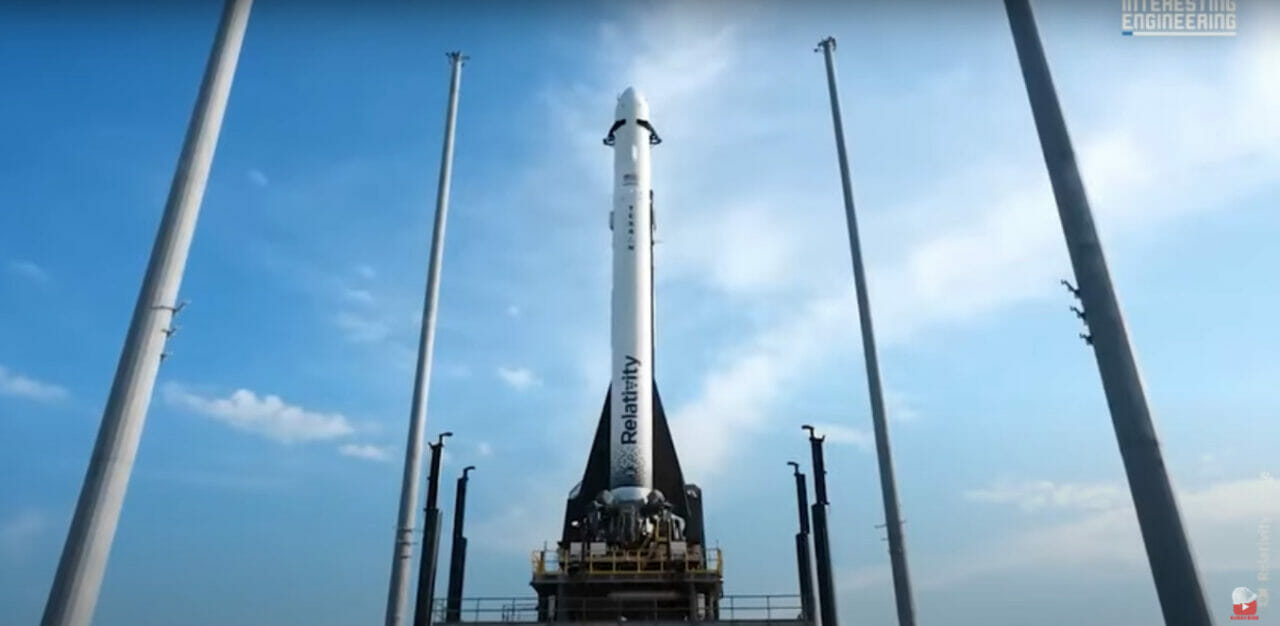
If you think you’ve seen it all when it comes to technology, take a 180-degree turn and look up at the sky. What’s rising isn’t a bird, nor a plane. It’s a rocket, but not just any rocket: it’s a 3D-printed rocket from scratch! The question remains: will this marvel actually cross the atmosphere and reach space?
The Phenomenon Called Terran 1
We are not talking about just any project. This is Terran 1, the first 3D-printed rocket in the world. Breathing life into this innovation is Relativity. It took five years of hard development, and in the end, 85% of the rocket’s parts were manufactured exclusively by 3D printers. Even the first stage is entirely made of printed parts.
Now, you might be wondering: “How do you print a rocket that actually flies?” Well, it’s not just any “plastic” that will withstand the pressures and temperatures of space. Relativity relied on two key materials: a unique type of aluminum for the body and a special alloy of copper, chromium, and niobium, courtesy of NASA.
-
A Japanese governor single-handedly stalled the construction of the world’s fastest train for nine years, and only now has he agreed to allow a tunnel excavated at a depth of 1,400 meters.

-
Almost 1 billion euros, two gigafactories, and a million-dollar public investment, Chinese company aims to turn Spanish city into Europe’s new battery hub.

-
Advancement in the industry: Brazilian company creates ultralight material comparable to steel and paves the way for hydrogen cylinders up to 70% lighter, with a direct impact on logistics, the energy industry, and national competitiveness – learn about Forza Composites

-
In Brazil’s backyard: Tesla, by Elon Musk, announces official operations in Uruguay, where electric vehicles already make up 20% of new cars but still leaves out the largest market in the region.





No Glue, Just Technology
The most amazing part is that the printing is done without a drop of glue. The process utilizes two techniques: laser powder bed fusion and directed energy deposition. The first creates strong and detailed parts, while the second is ideal for large pieces. And so, like a technological magic trick, the rocket begins to take shape.
But don’t think this story is all about successes. On March 22, 2023, the rocket took off. It ascended, ascended, and… well, it did not reach space. The second stage engines failed. But not all is lost: the rocket survived Max-Q, the point of greatest stress during ascent.
“But why bother printing a rocket in 3D?” you may ask. Simple: it’s faster and cheaper. If something goes wrong, you just change the code and print again. No sending it back to the manufacturer and waiting months for a fix. The cost-effectiveness is so good that even professionals in the field can’t help but praise it.
About Relativity and NASA
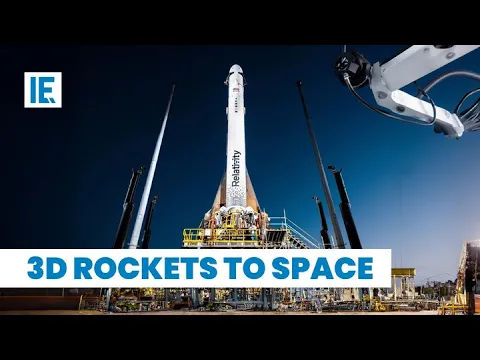

Relativity is the company responsible for this innovation that could change the game in the aerospace sector. With an unwavering focus on research and development, this American company has invested in cutting-edge technologies to take the Terran 1 rocket from concept to the skies. The blend of proprietary metals and the implementation of 3D printing methods are a testament to the innovative spirit driving Relativity.
We cannot overlook the role of NASA, which has always been a pillar in the field of space exploration. The organization not only inspired many of the technologies used but also invented the three-piece engines that made this feat possible. Even indirectly, NASA’s expertise and previous innovations continue to pave the way for new giant leaps for humanity.