Portuguese
  Spanish


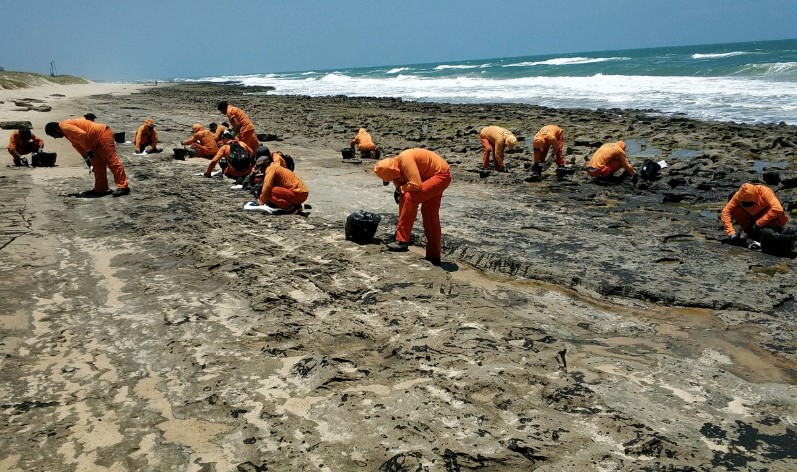

The Greek Ship Manager Delta Tankers Denied Its Involvement in the Crude Oil Spill Off the Coast of Brazil That Has Kept the Country’s Response Agencies Busy for the Last Two Months
Brazilian authorities said on November 1st that the Greek-flagged tanker Bouboulina, which was carrying Venezuelan oil, was responsible for the spill. Delta Tankers denied this, stating that a thorough review of the material from the cameras and sensors that all of its vessels carry as part of their safety and environmental policies revealed no evidence that the Bouboulina could be responsible for the spill.
“There is no evidence that the ship stopped, conducted any type of STS (ship-to-ship) operation, leaked/spilled oil, slowed down, or altered its course during its passage from Venezuela to Melaka, Malaysia”, the company said.
The company added that it would share its materials with Brazilian authorities if they reached out to the company, noting that no contact had been made so far.
-
US Mayor Goes Undercover as Homeless for a Week to Understand Rising Homelessness, Sparking Debate in His City
-
A Brazilian city decided to purchase a piece of the Atlantic Forest with more than 153,000 square meters, and owners of preserved areas will be able to submit proposals to transform the forest into a conservation unit.

-
Brazilian siblings aged 11 and 7 read 240 books in just one year and caught attention on social media: while many children spend hours on screens, they turned their family’s routine into an example of reading, discipline, and curiosity.
-
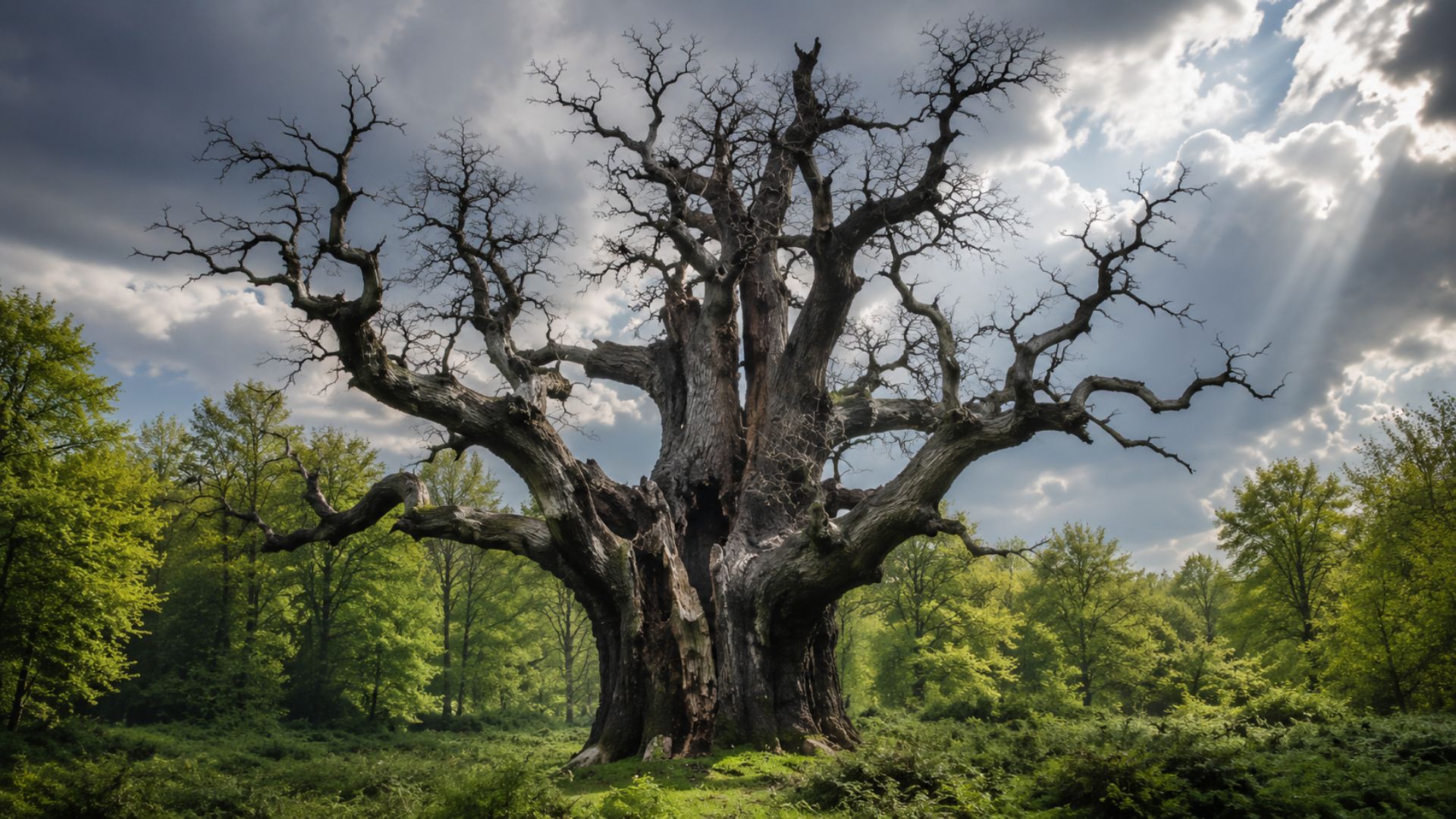
The legendary oak that, according to the story, hid Robin Hood from the Sheriff of Nottingham, died at the impressive age of 1,200 years in England, and the first chilling sign of its end was that no leaves sprouted on the tree this spring.


The oil spill, estimated to have occurred on July 28 and 29, affected 2,500 km of the Brazilian coast, hitting at least 120 sites in 77 municipalities. The Brazilian Environmental Agency IBAMA previously stated that the substance was ‘crude oil’ of a type not produced in Brazil.