





 Portuguese
  English
  Spanish
  7 min of reading
  0 comments


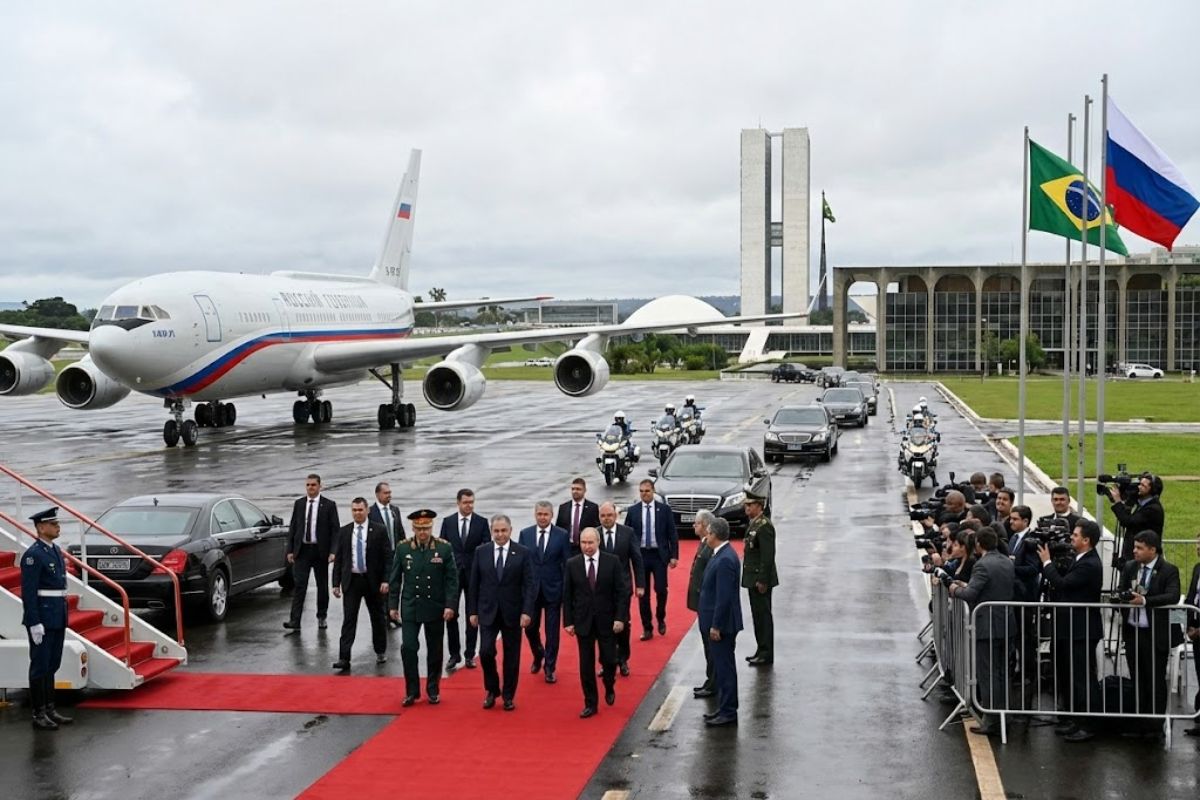
Russia’s High-Level Leadership Arrives in Brasília for the 8th High-Level Commission as the Brazilian Government and Moscow Discuss Billion-Dollar Trade, Energy, Fertilizers, Technology, and Possible Use of Local Currencies Amid the War in Ukraine, Western Sanctions, and the Search for New Global Power Balances on the Current Geopolitical Chessboard
The arrival of the Russia’s high-level leadership in Brasília elevates the bilateral relationship to a level not seen in over a decade. With Prime Minister Mikhail Mishustin leading the delegation, the 8th Meeting of the High-Level Commission for Cooperation between Brazil and Russia is no longer just a ceremonial meeting but instead serves as a showcase for the strategic choices that the Brazilian government intends to make in a scenario of international polarization and competition for critical resources.
At the same time, the Russian movement occurs in a context of sanctions, the war in Ukraine, and reconfiguration of supply chains. Moscow is using the trip to demonstrate that it is still capable of forming significant agreements outside its traditional sphere and that Latin America remains an alternative route for trade, investment and power projection. The way Brazil manages this rapprochement will say a lot about the limits and ambitions of its foreign policy in the coming years.
Who is Coming to Brasília and What is Really at Stake
The Russian delegation is described as high-level for a simple reason: it is not just diplomats, but a coordinated package of political, economic, and business power.
-
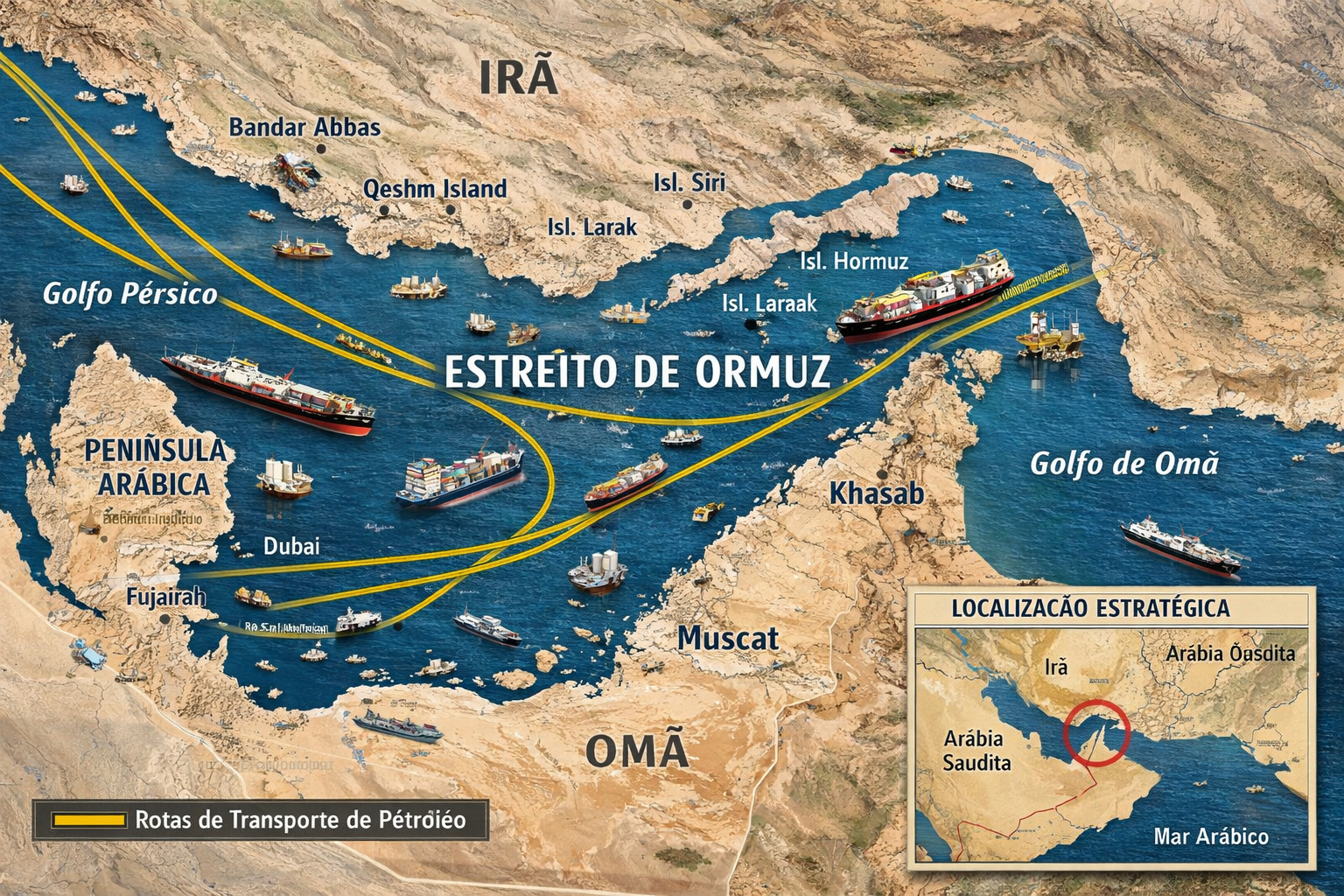
Global summit with over 40 countries pressures Iran for a blockade in the Strait of Hormuz and warns of direct impact on oil, food, and the global economy.
-
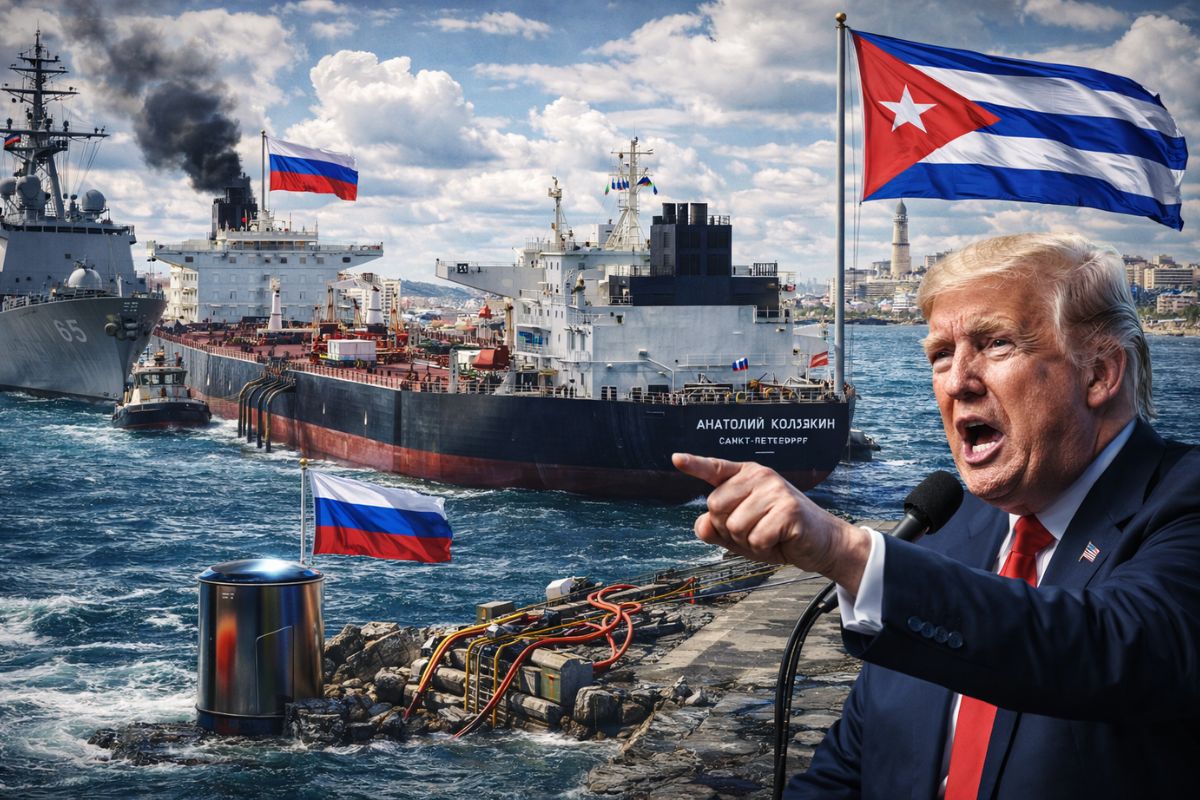
Russia has broken the U.S. maritime blockade to send oil to Cuba and is now loading a second ship while Trump says that “Cuba is next” in a possible military action against the island.
-
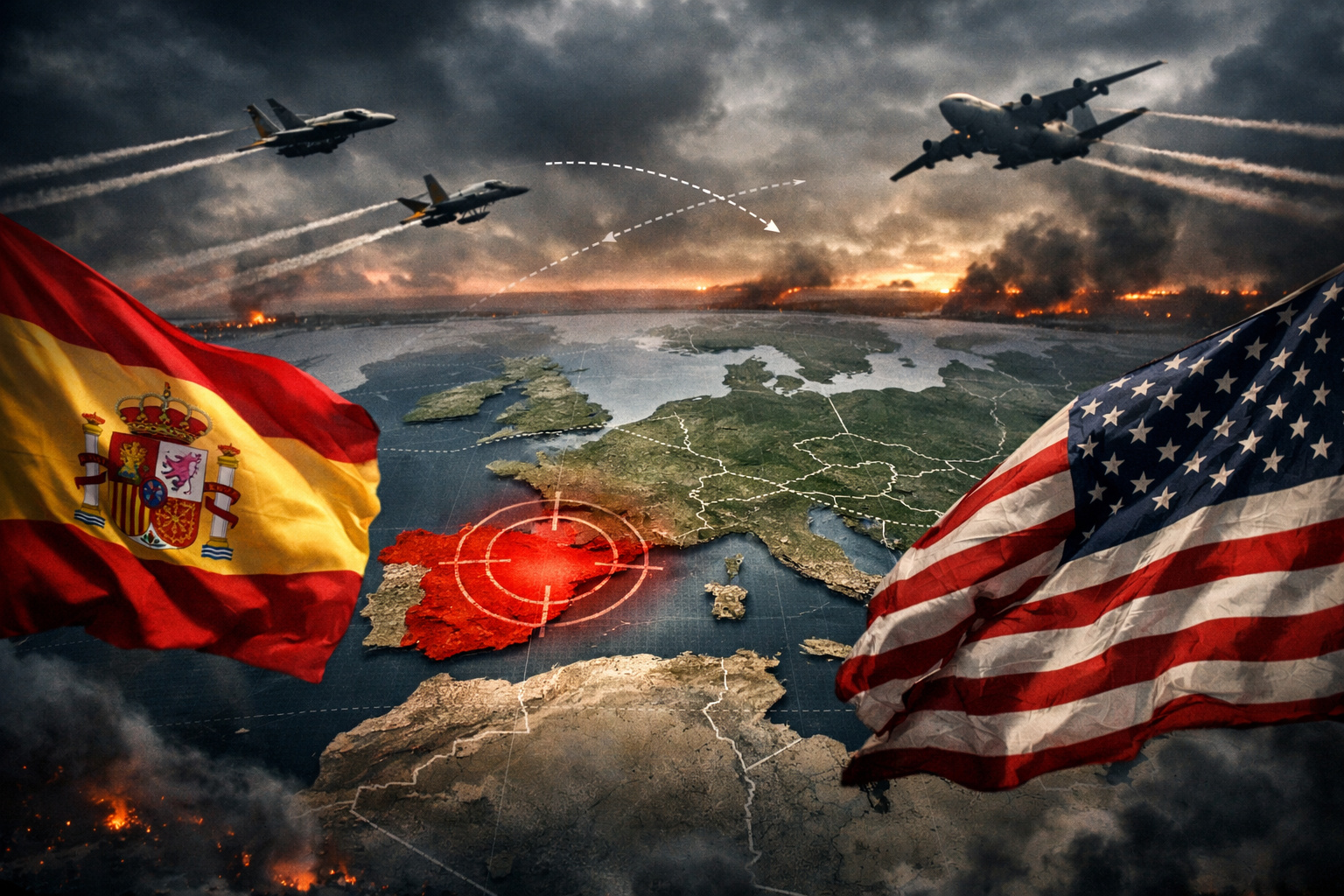
Spain challenges the USA and closes its airspace for operations against Iran, raising global tension and provoking the threat of a trade rupture.
-
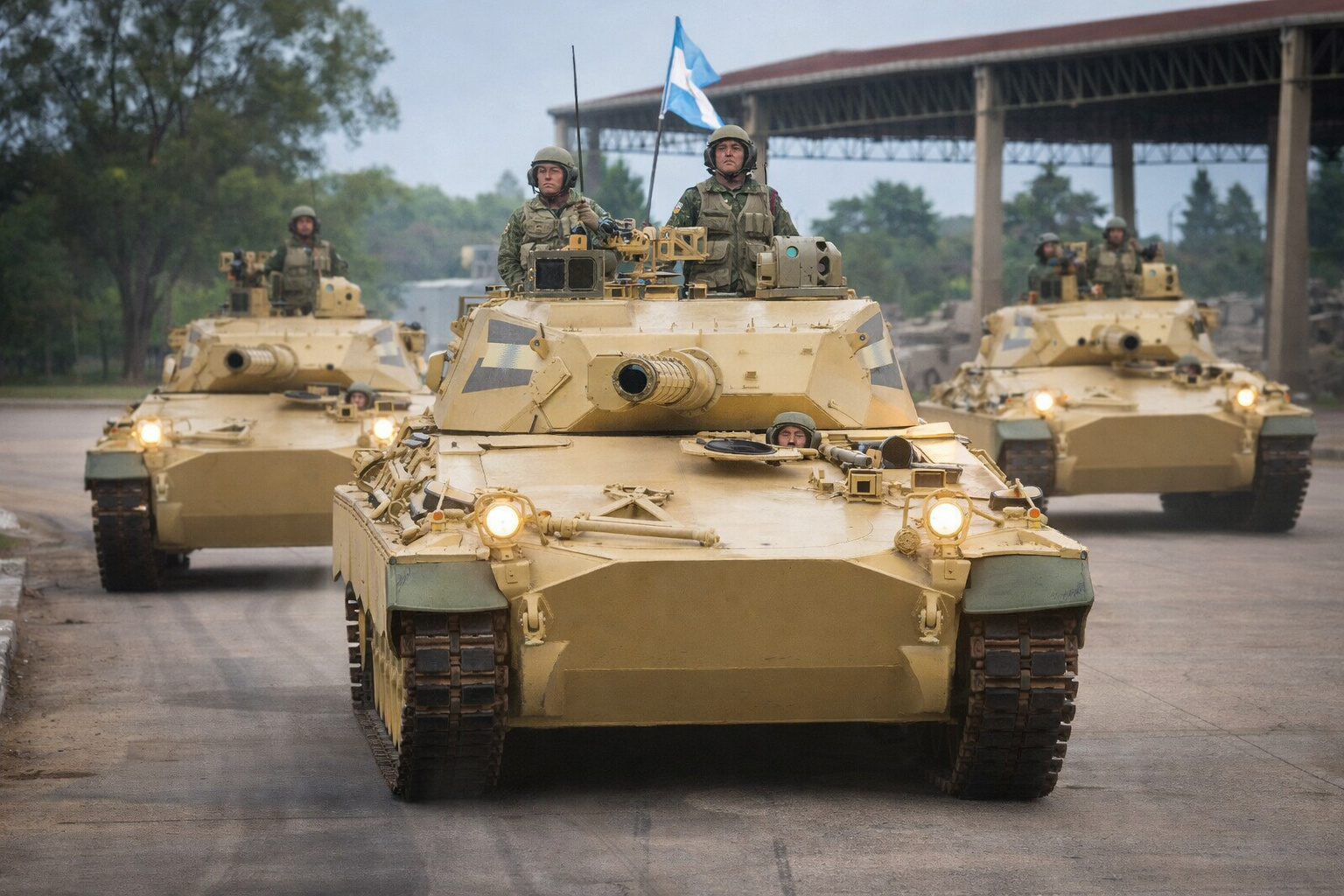
While no other country manufactures tanks in Latin America, Argentina activates the TAM 2C-A2 and raises a curiosity about the technological lag in the region.

The delegation is led by Prime Minister Mikhail Mishustin and includes ministers, deputy ministers, and leaders of large Russian economic groups, with an agenda specifically built for Brasília.
On the Brazilian side, the meeting will be led by Vice President Geraldo Alckmin, who also serves as Minister of Development, Industry, Commerce, and Services. This places the meeting at a clear intersection between diplomacy and economics.
In practice, it is not just a symbolic gesture of rapprochement, but an effort to unlock business in trade, energy, fertilizers, technology, and logistics, areas in which both countries see themselves as complementary.
The background is an exchange that is already moving significant amounts. In 2025, bilateral trade reached 10.9 billion dollars, with a strong weight of Brazilian imports of fertilizers and diesel.
The meeting in Brasília aims to answer a concrete question from both sides: how to transform this relationship focused on a few products into a more diversified partnership, less vulnerable to external shocks and political pressure from third countries.
Trade, Fertilizers, and Energy at the Center of the Table
Currently, the economic relationship is marked by a clear asymmetry. Brazil buys much more from Russia than it sells and depends on Moscow primarily on two sensitive points: fertilizers for agribusiness and fuels such as diesel.
In a country where the agricultural balance is a central piece of external accounts, any risk of shortages in chemical inputs quickly translates into concerns about harvests, domestic prices, and competitiveness in the global market.
For this reason, fertilizers appear as one of the central axes of the talks. The Brazilian priority is to ensure supply predictability, manageable prices, and long-term contracts, reducing exposure to sudden market shocks.
For Russia, maintaining and expanding this channel means preserving an important source of revenue at a time when several traditional markets have been closed due to sanctions. The language is diplomatic, but the content is basically economic risk management for both sides.
In the energy sector, the effect is similar. The supply of Russian diesel has gained recent relevance and serves as an alternative to other suppliers pressured by conflicts and price fluctuations.
In Brasília, the discussion will focus on deepening financial, insurance, and logistical mechanisms that allow these flows to continue even in a more hostile international regulatory environment.
The idea of using local currencies in part of the transactions, reducing exposure to the dollar, emerges as a possibility to be explored, both from a Russian interest perspective and from Brazil’s agenda to diversify international payment methods.
Technology, Science, and the Use of Local Currencies as a New Frontier
While fertilizers and energy are the hard core of the conversation, the resumption of the High-Level Commission opens space for medium- and long-term agendas.
In the field of science, technology, and innovation, the expectation is to discuss cooperation in areas such as agricultural research, natural resource extraction technologies, civil nuclear energy, and cybersecurity solutions applied to critical infrastructure.
Brazil is interested in accessing technological know-how in areas where Russia still maintains a robust tradition, such as heavy, space, and nuclear engineering.
For Moscow, on the other hand, establishing technological partnerships in Latin America helps to break isolation and create commercial opportunities in countries that have not fully adhered to the sanctions regime.
However, the design of these agreements will need to be calibrated to avoid generating additional friction with Brazil’s Western partners.
The discussion about local currencies in trade exchanges is a separate chapter. If it advances, even if gradually and partially, it will represent a concrete move towards reducing the dollar’s weight in bilateral operations.
For Russia, which faces restrictions on access to the Western financial system, this is a matter of economic survival. For Brazil, it is a way to test mechanisms of controlled dedollarization, aligned with the discourse of defending a more multipolar international financial order, without abruptly breaking with traditional arrangements.
External Pressure, Sanctions, and Brazilian Geopolitical Calculation
None of these decisions will be made in a vacuum. The presence of the Russia’s high-level leadership in Brasília occurs at a time when the conflict in Ukraine remains active, with direct impacts on the architecture of European security and on sanctions regimes affecting banks, companies, and individuals linked to the Moscow government.
Brazil tries to maintain a line of pragmatic equidistance. On one hand, it condemns violations of international law and presents itself as a defender of multilateralism.
On the other hand, it avoids adhering to unilateral sanctions, preserves channels with all power poles, and insists on the narrative that it needs to maintain the autonomy to decide with whom to negotiate energy, fertilizers, and technology.
This posture is closely watched in both Western capitals and countries of the so-called Global South.
In geopolitical terms, Russia sees Brazil as a gateway to South America and as a relevant partner within arrangements such as the BRICS. The holding of the High-Level Commission in Brasília signals that Moscow has not given up on using political and economic forums to reshape its international insertion.
The Brazilian response, materialized in agreements, memoranda, and joint statements that come out of the meeting, will be interpreted as an indication of the weight the government assigns to the relationship with Russia compared to the United States, the European Union, and China.
Risks, Opportunities, and Brasília’s Room for Maneuver
From the Brazilian perspective, the reactivation of the High-Level Commission with Russia offers a combination of immediate gains and diffuse risks.
In the short term, ensuring fertilizers and fuel under competitive conditions is a tangible objective, especially for a country with an exporting agribusiness and a logistical matrix still heavily dependent on fossil fuels.
However, in the medium term, an excessively asymmetric rapprochement with Moscow may create noise with partners who continue to be decisive for investment, technology, and financing, such as the United States and the European Union.
The challenge for Itamaraty and the economic area is to transform Brazil into a strategic territory without being captured by the agendas of a single actor, preserving room for maneuver to negotiate with everyone.
The very way the meeting is being conducted already indicates an attempt at balance. The Brazilian delegation is led by the vice president, not the president of the Republic, which bestows political weight but avoids the image of automatic alignment.
At the same time, the fact that the meeting is taking place after more than a decade of hiatus shows that Brasília has decided to actively reengage its relationship with Moscow, taking on the political cost of this choice.
Conclusion: What Kind of Strategic Territory Does Brazil Want to Be
The visit of the Russia’s high-level leadership to Brazil confirms that the competition for critical minerals, energy, technology, and political influence has forcefully reached the southern hemisphere.
More than an agenda focused on fertilizers and diesel, what is unfolding in Brasília is a practical test of Brazil’s ability to use its position to negotiate better, without becoming a passive piece on other players’ chessboards.
In the end, the central question is simple and uncomfortable: does Brazil want to be just a strategically important territory exploited by major powers seeking resources, or does it intend to act as a strategic actor, defining rules, limits, and priorities for its own international insertion.
The answers will not come from a single meeting, but they begin to take shape in private meetings like this one.
And for you, who are closely following this movement, does Brazil gain more or expose itself too much by opening this level of space for Moscow amid global tension?









Seja o primeiro a reagir!