Portuguese
  Spanish


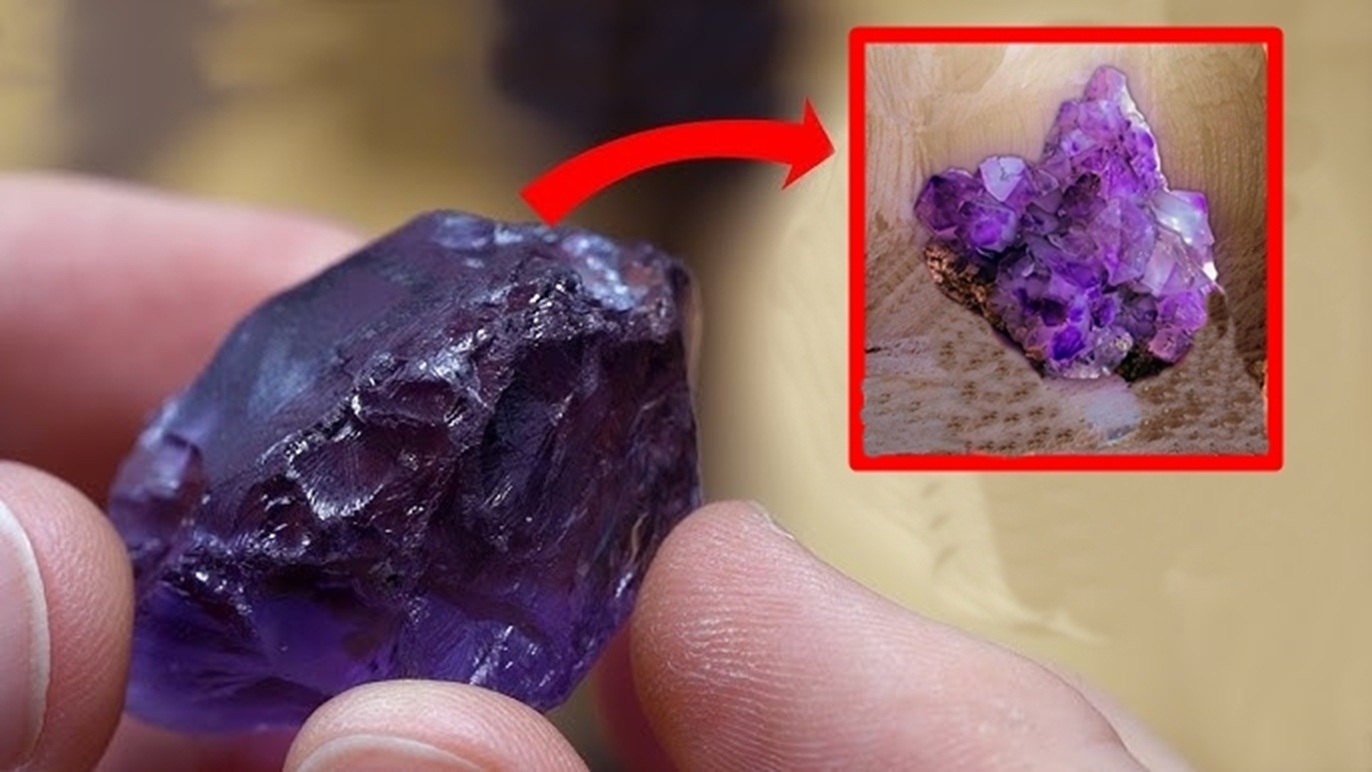


Learn How Amethysts Are Found, Cut, and Processed, Highlighting the Techniques Used by Miners to Preserve the Quality and Value of This Semi-Precious Stone.
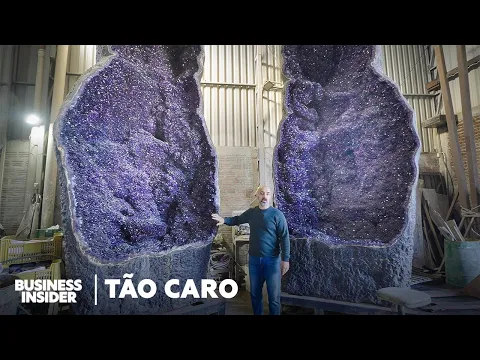

The amethyst is one of the most admired gemstones in the world, distinguished by its intense purple hue and fascinating sparkle. This variety of quartz has gained value over the centuries, being widely used in jewelry and decorative objects.
In addition to its striking appearance, the amethyst possesses interesting geological characteristics that spark the interest of specialists and enthusiasts. In this article, we will explore in detail its formation, physical properties, mining, processing, and geological significance.
What Is Amethyst?
The amethyst belongs to the quartz family and shares the same chemical formula: SiO₂. This composition is made up of silicon and oxygen, arranged in a tetrahedral structure.
-
Study Reveals 97% of Pregnant Munduruku Women in the Brazilian Amazon Have Mercury Levels Above Safe Limits, 90% of Newborns Contaminated by Gold Mining

-
China could reduce iron ore imports from 80% to 50% of consumption by 2030, while its share in global steel production falls from 52% to 46%, in a shift that could reshape the global market, says CMRG.
-
Brazil is sitting on one of the largest lithium reserves in the world, in the Jequitinhonha Valley, but national mining has almost become an appendage of China: 97% of the metal’s export goes to a single country, which also dominates refining.
-
Iron ore falls to 762 yuan in China as real estate sales decline and steel production hits lowest level since 2018


The purple hue that distinguishes amethyst from other types of quartz is the result of traces of iron and manganese in the crystal structure. The intensity of the color can vary according to the location of origin and the geological conditions under which the crystal was formed.
The name “amethyst” derives from the Greek “amethystos”, which means “not drunk”. Historically, it was believed that the stone had the power to prevent drunkenness. Beyond this ancient belief, the amethyst is associated with calmness, mental clarity, and emotional stability. It is also considered the birthstone for the month of February.
Geological Formation of Amethyst
The formation of amethyst occurs in the Earth’s crust, usually in complex geological environments. There are two main theories regarding how this mineral develops.
The first theory suggests that amethyst forms in hydrothermal veins, which are fractures in the Earth’s crust filled with hot, mineral-rich fluids. These fluids contain dissolved silica, the main component of quartz, and traces of iron, responsible for the purple hue.
As the fluids cool and solidify, quartz crystals form, developing the characteristic color of amethyst.
The second theory proposes the formation of amethyst through secondary deposition. In this process, mineral-laden groundwater seeps into the soil and reacts with pre-existing minerals.
This environment favors the gradual growth of crystals, which can form amethyst geodes. These geodes are hollow structures lined internally with crystals, often found in volcanic rocks.
These specific geological conditions contribute to the beauty and rarity of amethyst, making each crystal unique in terms of color and structure.
Mining and Processing
Amethyst mining occurs in various geological settings, including volcanic rocks, granite, and hydrothermal veins. The extraction and processing process involves complex and meticulous steps that ensure the quality and value of the stone.
Prospecting and Exploration: The first step in the mining process is prospecting. Geologists identify areas with potential to contain amethyst deposits by analyzing geological maps and conducting field research. Once a promising deposit is located, the exploration phase assesses the size, quality, and economic viability of extraction.
Extraction: The extraction of amethyst can occur in three main ways:
- Surface Mining: Involves the removal of layers of rock and soil to expose the amethyst.
- Underground Mining: Accesses the deposit through tunnels dug into the ground.
- Placer Mining: Involves collecting loose crystals from alluvial deposits.
Each method is chosen based on the type of deposit and local conditions, always aiming to optimize the recovery of the stone with minimal environmental impact.
Selection and Classification: After extraction, amethysts are classified according to their color, clarity, size, and other quality criteria. Higher quality stones are highly valued and primarily directed to the jewelry market.
Processing: Processing involves cutting, polishing, and heat treatments. The goal is to enhance the appearance and durability of the stones, highlighting their natural color and shine. Heat treatment, for example, can intensify the purple hue of amethyst or remove impurities that compromise its aesthetics.
Cutting and Polishing Process
Cutting and polishing are essential to transform raw amethyst into a gem ready for the market. The process is carried out by skilled lapidaries and requires extreme precision.
Steps of the Process:
- Planning: Defining the final shape, considering the characteristics of the stone.
- Sawing: Initial cut with diamond-tipped saws.
- Shaping: Modeling the stone until it reaches the desired shape and size.
- Polishing: Smoothing the surface to enhance shine and eliminate imperfections.
- Final Inspection: Thorough checking to ensure the quality of the final product.
This process requires patience and attention to detail. Each polished stone is evaluated to ensure that its natural beauty is preserved and highlighted.
Geological Importance of Amethyst
The presence of amethyst in different types of rocks provides valuable insights into the geological history of Earth. Its formation is linked to hydrothermal and volcanic processes, which can indicate tectonic activity in a given region.
Moreover, the study of amethyst contributes to the understanding of how trace elements like iron and manganese affect the coloration of minerals.
The amethyst is not just a gemstone of singular beauty. Its complex geological formation, detailed mining process, and careful gem cutting reveal a universe of science and technique behind each crystal.
The market values these gems not only for their aesthetic appeal but also for the symbolism and history they carry.
From volcanic rocks to the sparkle in sophisticated jewelry, the journey of amethyst is marked by natural and human processes that highlight its uniqueness and lasting value.
With information from geologyscience.