





 Portuguese
  English
  Spanish
  2 min of reading
  0 comments


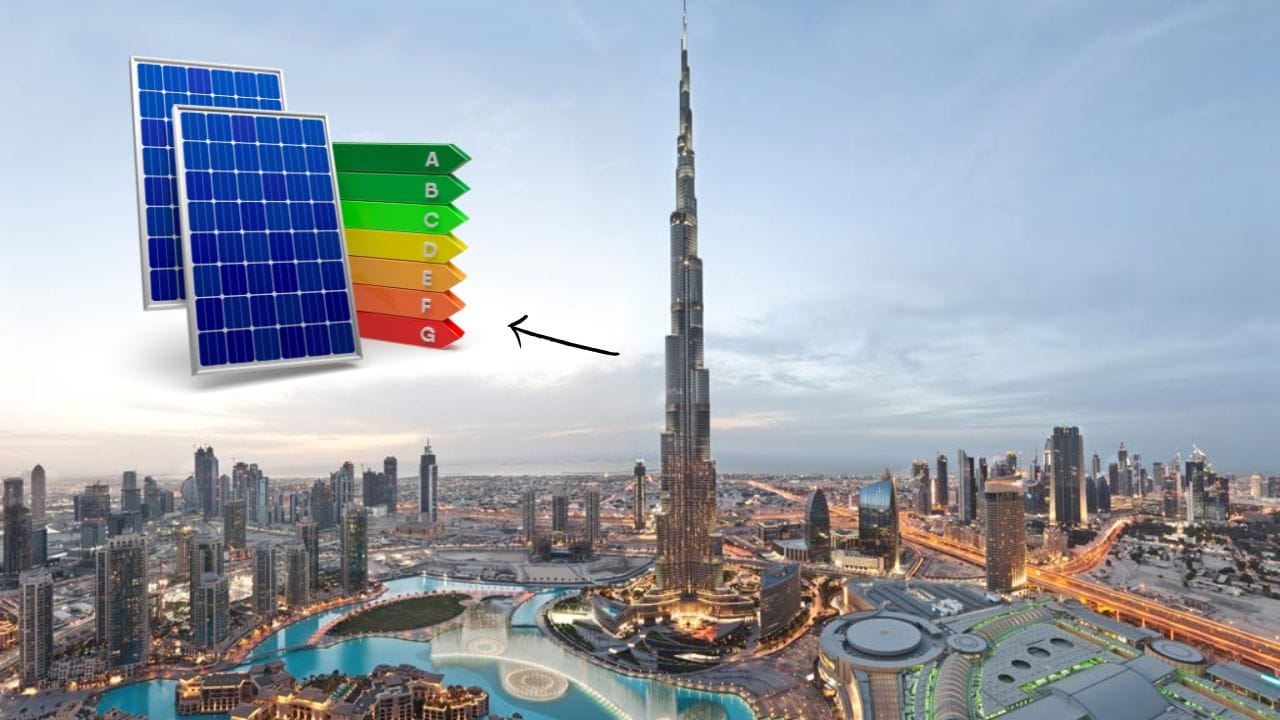
The Idea of Turning Skyscrapers into Renewable Energy Centers by Covering Them with Solar Panels Could Be an Innovative and Sustainable Solution for Cities. This Proposal, Which Combines Architecture and Technology, Has the Potential to Change the Way We Generate and Consume Energy in Urban Environments.
Although they are symbols of development and innovation, skyscrapers have a significant environmental impact. A 2021 study published in the journal Nature revealed that a chain of skyscrapers generates 140% more total emissions over its lifetime compared to shorter buildings, for the same number of inhabitants.
Solar energy is one of the most promising renewable energy sources. The sun provides more energy to Earth in one hour than the world consumes in a year. With the decline in the cost of solar technology, it has become a viable option for large-scale energy production. However, the installation of solar plants faces the challenge of competition for space.
Integrating Solar Panels into Skyscrapers
The proposal is to use skyscrapers, which have large surfaces, to install solar panels. This would not only help offset the carbon emissions of these buildings but also contribute to clean energy production. The Building-Integrated Photovoltaics (BIPV) technology allows for the aesthetic and efficient integration of solar panels into the facades of buildings. The company Mitrex, for example, offers solar panels that can be customized to blend with the building’s aesthetics, as demonstrated in projects in Toronto and Ottawa.
-
Seagri’s headquarters invests in solar energy with Neoenergia Coelba and promises to cut electricity costs, highlighting a strategic advance in sustainability and energy efficiency within state public administration.

-
A Canadian retiree creates a hydroelectric system on a real river, generating energy continuously throughout the day and demonstrating how the power of water can supply a house with stability even in a simple structure.

-
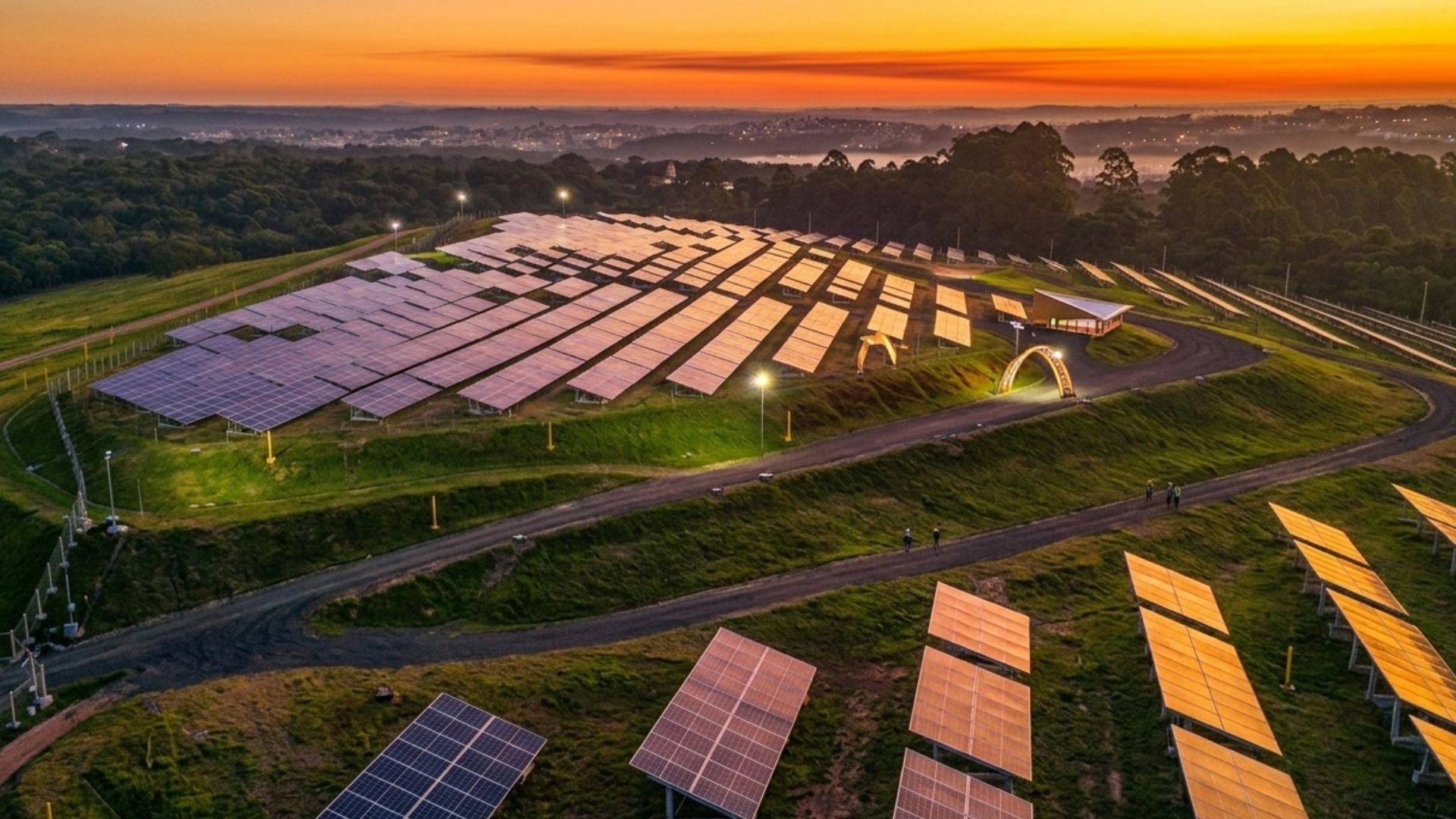
Solar Pyramid draws attention by converting solar energy into million-dollar savings and repositioning the City Hall of Curitiba as an example of innovation, sustainability, and intelligent use of public resources.
-
Petrobras reaffirms its commitment to the market and ensures that it will carry out the energy transition safely to maintain national sovereignty.


Energy Potential


Taking the Burj Khalifa as an example, it is estimated that if covered with solar panels, it could generate over 22 million watts of energy. While this is a rough estimate, it illustrates the energy generation potential of skyscrapers. There are already projects underway that use this technology, such as the headquarters building of LAD in Shanghai and a porcelain factory in Jiangxi, considered the largest BIPV project in the world.
Retrofitting and Residential Use
In addition to new construction, BIPV solar panels can be used for retrofitting existing buildings. This approach is seen as a greener and more economical alternative to constant construction. In the U.S., homeowners can even receive tax credits for installing solar energy systems.
The integration of solar panels into skyscrapers represents an opportunity to rethink energy in urban areas, transforming buildings into clean and sustainable energy centers. This innovation will not only reduce dependence on fossil fuels but also mark a significant advancement in building greener and more energy-efficient cities.










Seja o primeiro a reagir!