Portuguese
  Spanish


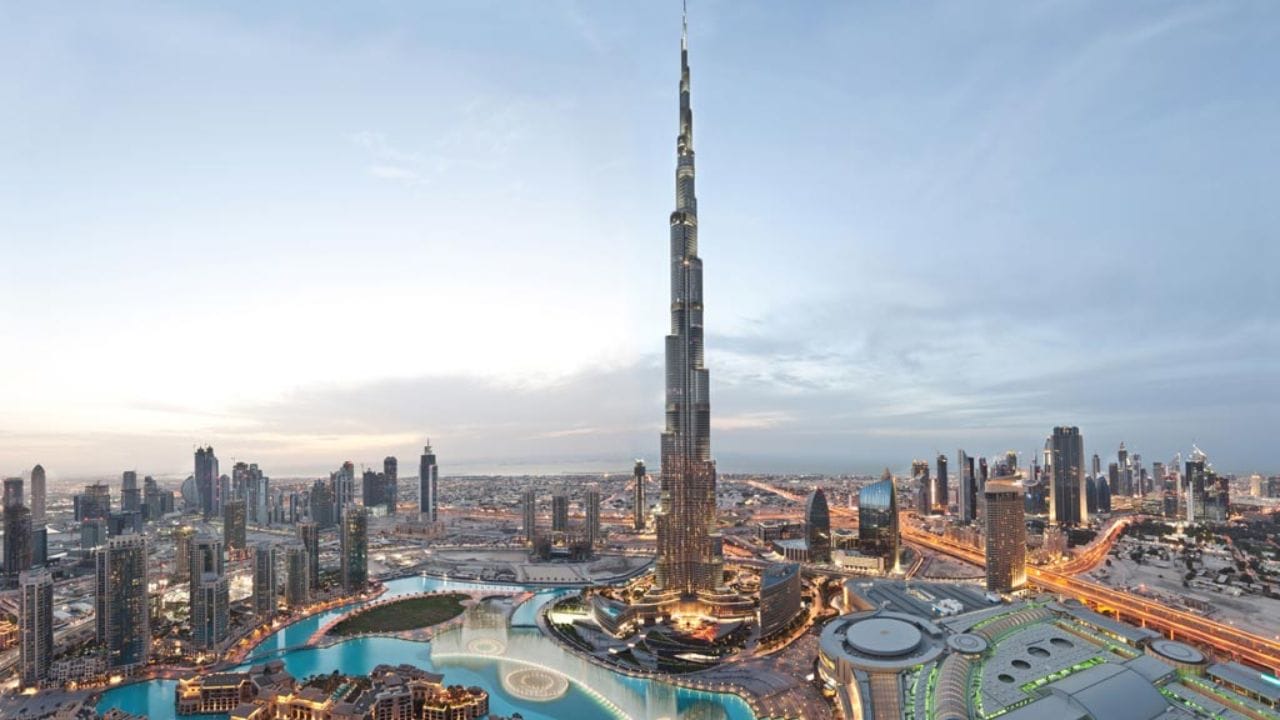

Among the Golden Sands of Dubai, Rises a Wonder of Modern Engineering: the Burj Khalifa. It Is Not Just a Skyscraper, It Is a Symbol of Innovation and Resilience, Facing Sandstorms of 100 km/h as If They Were a Breeze. But Have You Ever Stopped to Think About What Is Beneath the Ground of This Giant?
Well, the foundation of the Burj Khalifa is a hidden masterpiece. Just imagine, a structure with the depth of a 10-story building! And that’s not all: it needs to keep electricity flowing 24 hours a day because any slip-up can lead to disaster on a windy day.
The biggest challenge faced by the chief engineer, Bill Baker, was dealing with Dubai’s soil. Instead of finding solid ground, they only found loose sand and weak rock. To avoid disaster, they had to innovate, using reinforced concrete piles that penetrate deep into the ground, creating a solid base for the giant.
Innovation Under the Desert Heat: Night Construction and the Use of Ice in Concrete
Building in the 40-degree heat of Dubai is not for the weak. Engineers had to be smart, working at night and using ice cubes in the concrete. This maneuver not only made the work easier but also ensured the quality of the foundation.
-
28-meter, 156-ton titans traveled 20,000 km from China to the port of Santa Catarina: Portonave received 7 fully electric megacranes, part of a R$ 210 million package, to double container handling.

-
They exchanged the idea of a large house for a 35 m² warehouse, spent US$ 12,000 on the structure, and created a tiny house in Colorado with space to live and work.

-
A newly opened terminal in the middle of the Amazon has begun transporting soy and corn through Amapá, eyeing the queue of ships that is congesting the ports in the South.

-
Goodbye to old tiles: renovation technique without construction transforms bathrooms in a few hours, eliminates debris, and reduces costs with coverings using special paints, high-resistance adhesives, and modern finishes that completely renew the space.


The Burj Khalifa already faces fierce sandstorms, but what if they get stronger? Engineers are always thinking about how to further strengthen this structure. One of the ideas is to increase the number of piles in the most wind-exposed area.
The Battle Against Corrosion: The Importance of Electricity in the Burj Khalifa Foundation
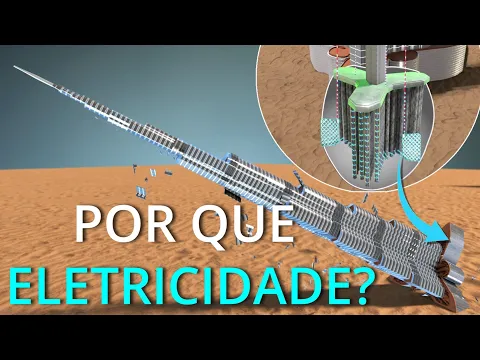

The foundation of the Burj Khalifa not only supports the building but also fights against corrosion. They use a cathodic protection system, which is like a giant battery, to prevent saltwater from corroding the structure’s steel. It’s a delicate balance: if the electric current is too much, it can weaken the steel, but if it’s too little, corrosion takes over.
The Burj Khalifa is not just a tall building, it is a lesson in engineering and innovation. Every detail, from the foundation to the tip, shows how much humanity can achieve when it challenges the limits of nature and technology. So, who would have thought that a building could teach us so much, right?