





 Portuguese
  English
  Spanish
  3 min of reading


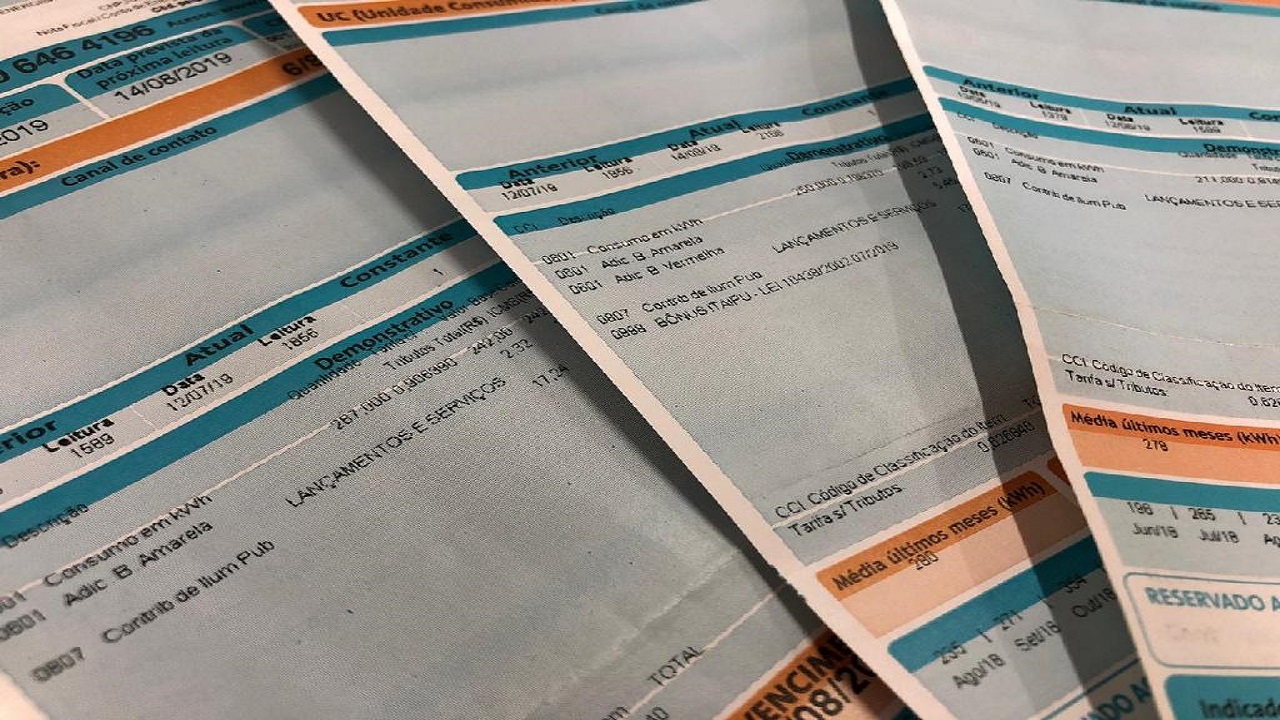
Aneel Approved The New Value Of The Red Flag Tariff 2 This Tuesday Due To The Water Crisis. The 52% Increase That Will Be Reflected In Consumers’ Electricity Bills Is Due To The Thermal Power Plants Activated By The Government
This Tuesday (29), the National Electric Energy Agency (Aneel) approved the new value for the tariff flag, a fee that is applied to consumers’ electricity bills when the cost of electricity generation is high.
Read Also
Water Crisis Impacts The Electricity Bills Of Brazilian Consumers
On the 28th, the Minister of Mines and Energy, Bento Albuquerque, warned nationally about the worst water crisis in the last 90 years. This increase in electricity bills is directly related to the crisis. The amount charged under the red flag tariff 2 will rise by 52%.
The additional charge increased from R$ 6.24 to R$ 9.49 for every 100 kWh consumed. This tariff flag has been in effect since this June and is expected to last at least until November, when the rainy season begins.
-
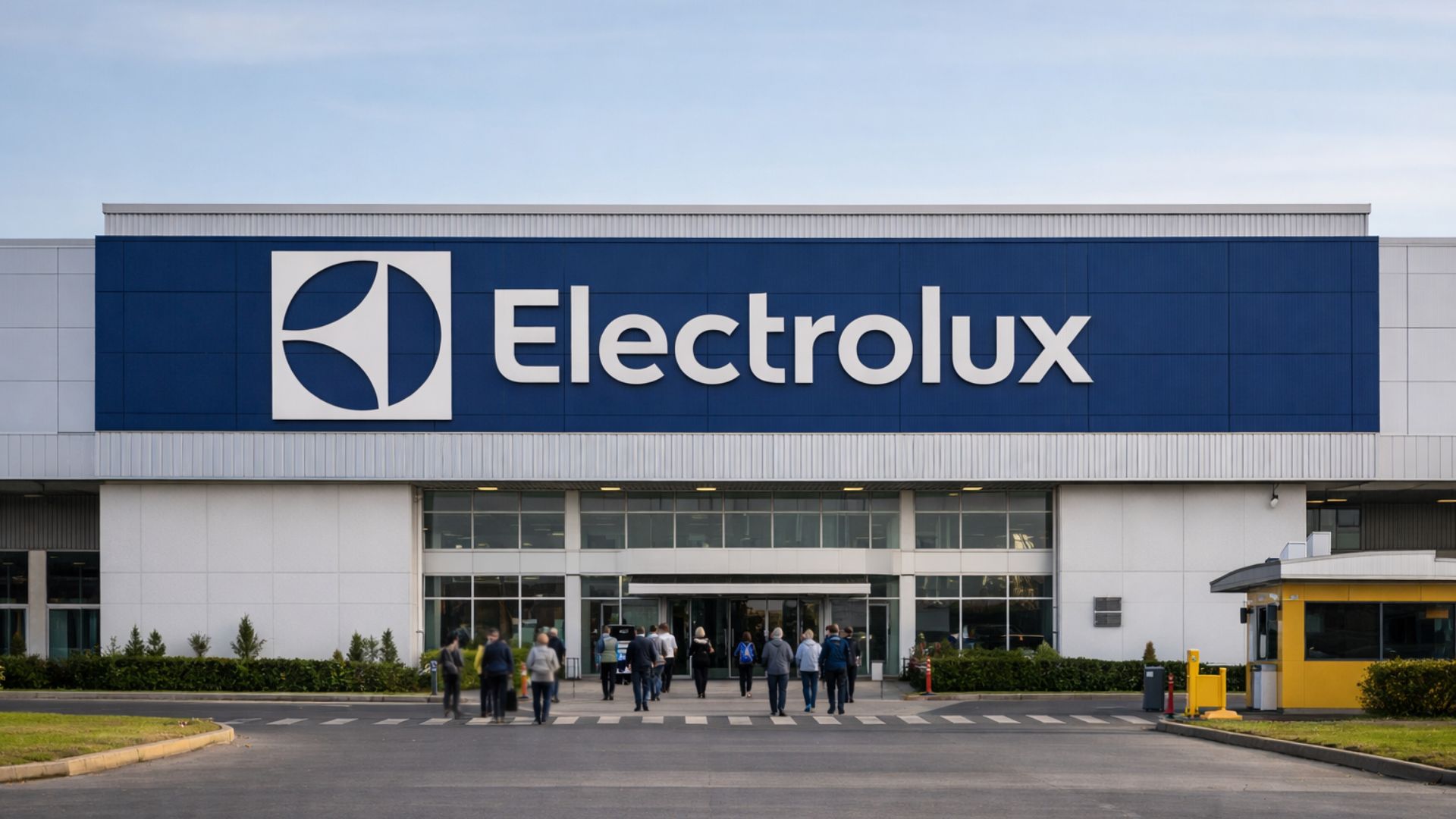
Electrolux surprises, closes colossal factory and lays off 400 people in a mass dismissal that will have a direct effect later this year, following a cost review, with an impact of R$ 272.5 million and R$ 109 million in cash in Chile.
-
The Lula government is pursuing re-election and is therefore preparing a package with discounts of up to 80% on debts, subsidies for diesel, gas for 15 million, and energy, after reaching 51% disapproval six months before the election.

-
The chamber approves a project that transforms plots of up to 2,000 square meters into official rural properties, allowing thousands of small producers who were invisible to the government to now access credit, tax exemptions, and technical assistance.

-
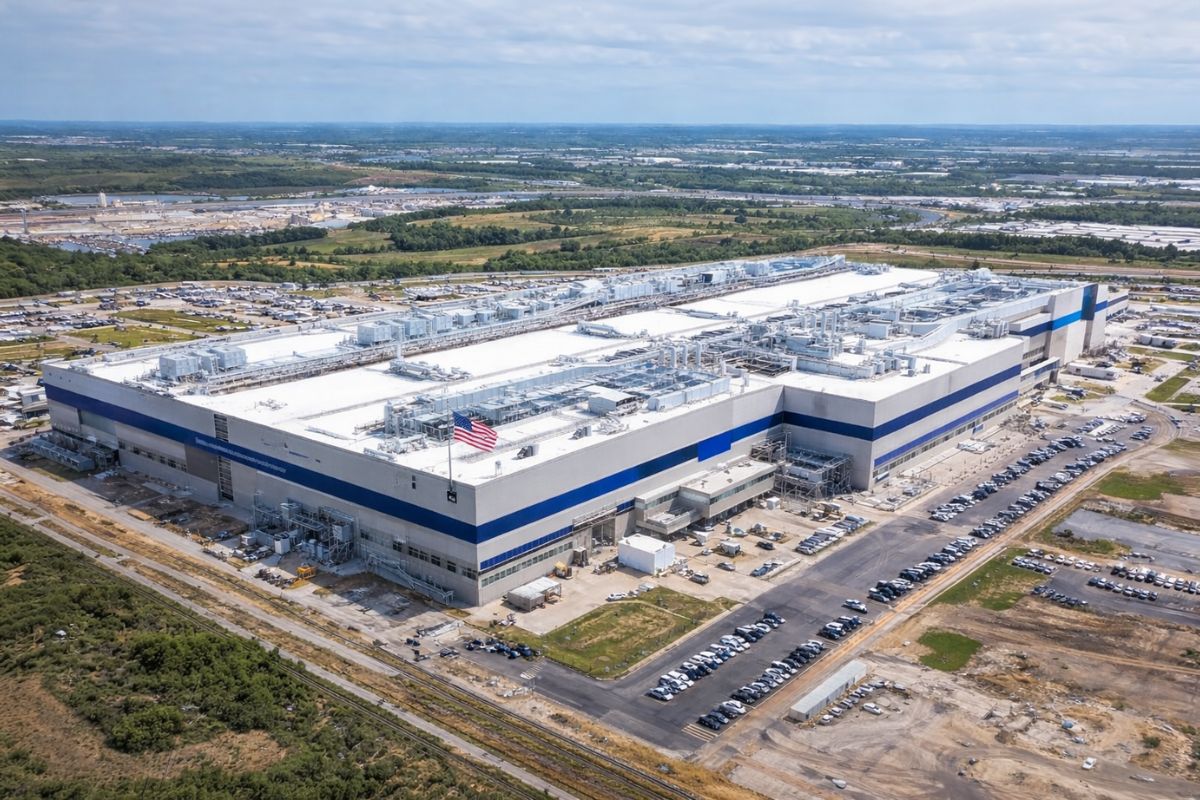
Factory 52, in the USA, cost over $5 billion, covers 270,000 square meters, and manufactures cutting-edge chips: it was named Project of the Year by the world’s largest engineering magazine, marking the global race for semiconductors.
The tariff flag approved by Aneel is an additional charge on consumers’ electricity bills to cover the cost of generation by thermal power plants, which are the most expensive, when the levels of reservoirs in hydroelectric plants are very low.
Aneel Explains The Reason For The New Adjustment In Electricity Bills
Aneel advocates for tariff flags on electricity bills because, without them, all costs that would be added to electricity bills would be passed on to consumers only in the following years with corrected values, that is, with higher interest rates, which is not the case with the flags. Even during the rainy season, there is a chance that the government will keep the thermal power plants running, which is unusual.
Generally, thermal power plants are used when rainfall is low or when it is the peak of the dry season. Aneel states that the current goal is to store water in the reservoirs of hydroelectric plants so that, when the rains begin, the reservoirs will start to fill up again.
Renewable Energy Could Be The Solution
The blackout in 2001 led to a network of thermal power plants that are currently activated due to the water crisis. However, they are the most expensive energy source for the country. Currently, Brazil as a whole is experiencing another water crisis, but this one tends to be different for consumers’ electricity bills due to renewable energies, mainly wind, solar, and biomass energy (which correspond to 9.2%, 9%, and 1.7% of the energy matrix, respectively).
According to FGV Energia researcher João Teles, the use of renewable sources is the reason why the water crisis, which is now affecting a large part of the country’s hydroelectric plants, has not turned into an energy crisis or a new massive blackout.








Seja o primeiro a reagir!