Portuguese
  Spanish


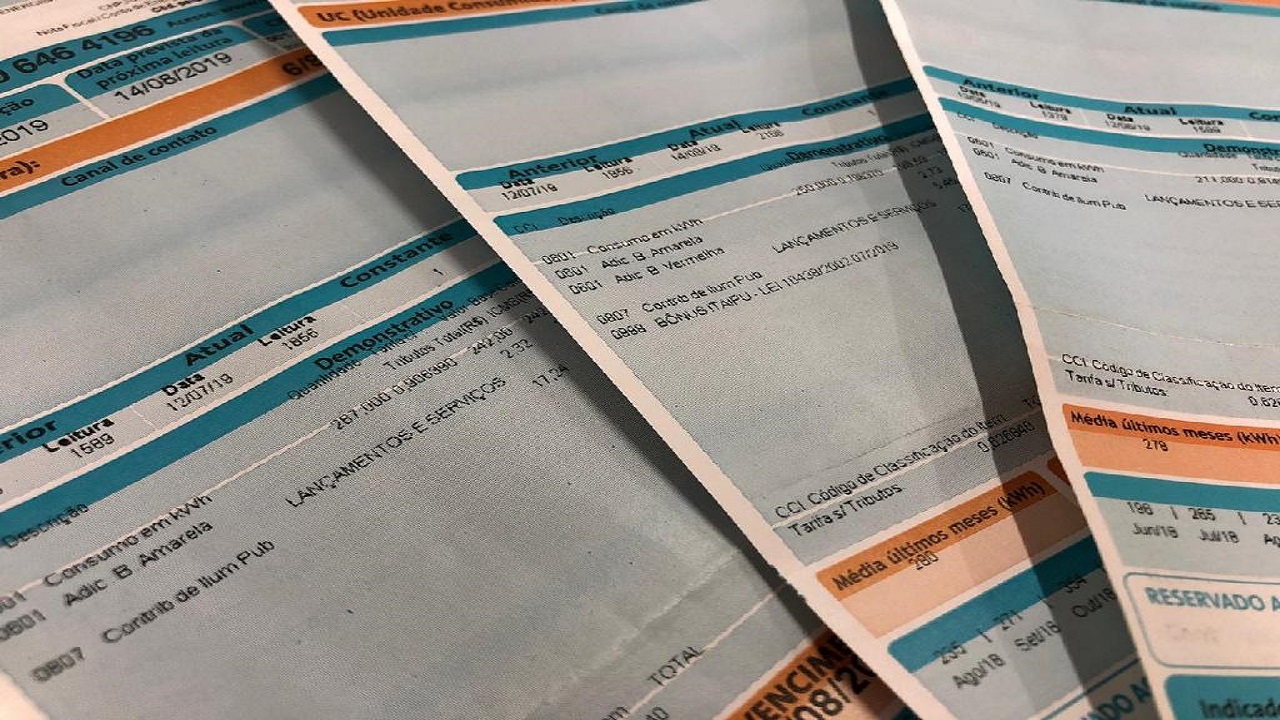

Aneel Approved The New Value Of The Red Flag Tariff 2 This Tuesday Due To The Water Crisis. The 52% Increase That Will Be Reflected In Consumers’ Electricity Bills Is Due To The Thermal Power Plants Activated By The Government
This Tuesday (29), the National Electric Energy Agency (Aneel) approved the new value for the tariff flag, a fee that is applied to consumers’ electricity bills when the cost of electricity generation is high.
Read Also
Water Crisis Impacts The Electricity Bills Of Brazilian Consumers
On the 28th, the Minister of Mines and Energy, Bento Albuquerque, warned nationally about the worst water crisis in the last 90 years. This increase in electricity bills is directly related to the crisis. The amount charged under the red flag tariff 2 will rise by 52%.
The additional charge increased from R$ 6.24 to R$ 9.49 for every 100 kWh consumed. This tariff flag has been in effect since this June and is expected to last at least until November, when the rainy season begins.
-
Brazil’s Lula Government Allocates $463 Million Quota for Electric Car Parts, Waives Import Tax Until December, Sparking Competition Among BYD, Automakers, and Unions as Consumers Question Impact on Prices and Local Industry

-
Clarification and Right of Reply Notice

-
Elon Musk Becomes World’s First Trillionaire with $1.1 Trillion Fortune; Could This End Global Hunger?
-
Brazilian Executive Takes Helm of Heineken Amid Decline in Sales: 51-Year-Old Has Led Operations Across Four Continents and Managed a $7 Billion Empire




The tariff flag approved by Aneel is an additional charge on consumers’ electricity bills to cover the cost of generation by thermal power plants, which are the most expensive, when the levels of reservoirs in hydroelectric plants are very low.
Aneel Explains The Reason For The New Adjustment In Electricity Bills
Aneel advocates for tariff flags on electricity bills because, without them, all costs that would be added to electricity bills would be passed on to consumers only in the following years with corrected values, that is, with higher interest rates, which is not the case with the flags. Even during the rainy season, there is a chance that the government will keep the thermal power plants running, which is unusual.
Generally, thermal power plants are used when rainfall is low or when it is the peak of the dry season. Aneel states that the current goal is to store water in the reservoirs of hydroelectric plants so that, when the rains begin, the reservoirs will start to fill up again.
Renewable Energy Could Be The Solution
The blackout in 2001 led to a network of thermal power plants that are currently activated due to the water crisis. However, they are the most expensive energy source for the country. Currently, Brazil as a whole is experiencing another water crisis, but this one tends to be different for consumers’ electricity bills due to renewable energies, mainly wind, solar, and biomass energy (which correspond to 9.2%, 9%, and 1.7% of the energy matrix, respectively).
According to FGV Energia researcher João Teles, the use of renewable sources is the reason why the water crisis, which is now affecting a large part of the country’s hydroelectric plants, has not turned into an energy crisis or a new massive blackout.