





 Portuguese
  English
  Spanish
  3 min of reading
  0 comments



The decision announced by ANEEL on March 27 marks the fourth consecutive month without additional charges on the electricity bill, with rains keeping reservoirs at satisfactory levels, but the risk of El Niño and the reservoirs in the South at only 27.9% already raise an alert for the second half of 2026
The National Electric Energy Agency (ANEEL) confirmed on March 27, 2026, that the green flag will be maintained in April, according to the official announcement from the agency. With this decision, Brazilian consumers complete four consecutive months without any extra charges on their electricity bill, a streak that began in January 2026.
Four months without a green flag and what it means for consumers
The tariff flag system, created in 2015, serves as an indicator of the real cost of electricity generation in the country. When it rains enough, hydropower plants generate electricity at a lower cost, and the flag remains green — with no increase in the bill. When rain is lacking, more expensive thermal power plants come into operation, and the consumer pays the difference.
Thus, the maintenance of the green flag since January represents a direct relief for Brazilian families. To illustrate the impact, Agência Brasil detailed the values of other flags that could be in effect:
-
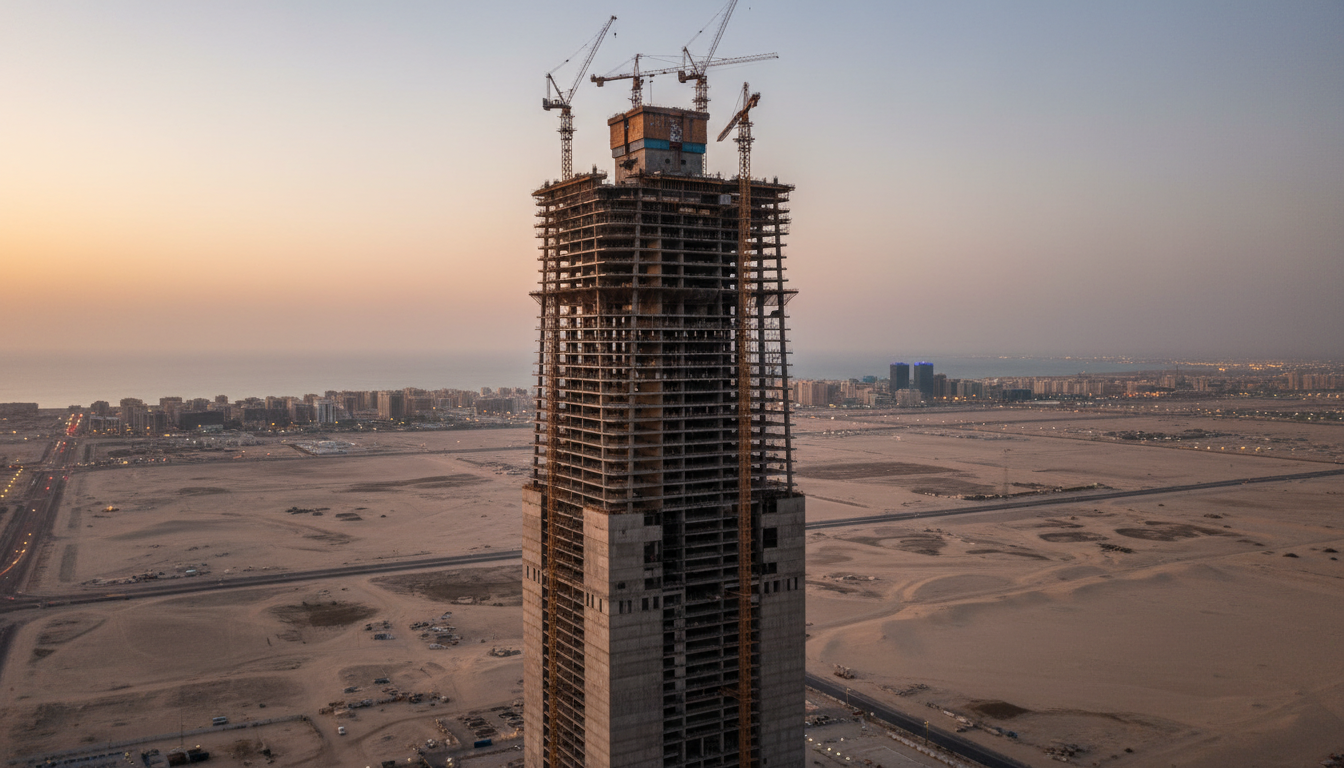
Big techs plan US$ 635 billion in AI data centers by 2026, but the crisis in the Middle East threatens investments, and Brazil is betting on natural gas to attract megacomplexes of up to 1,500 MW in Rio de Janeiro, Rio Grande do Sul, and Paraná.

-
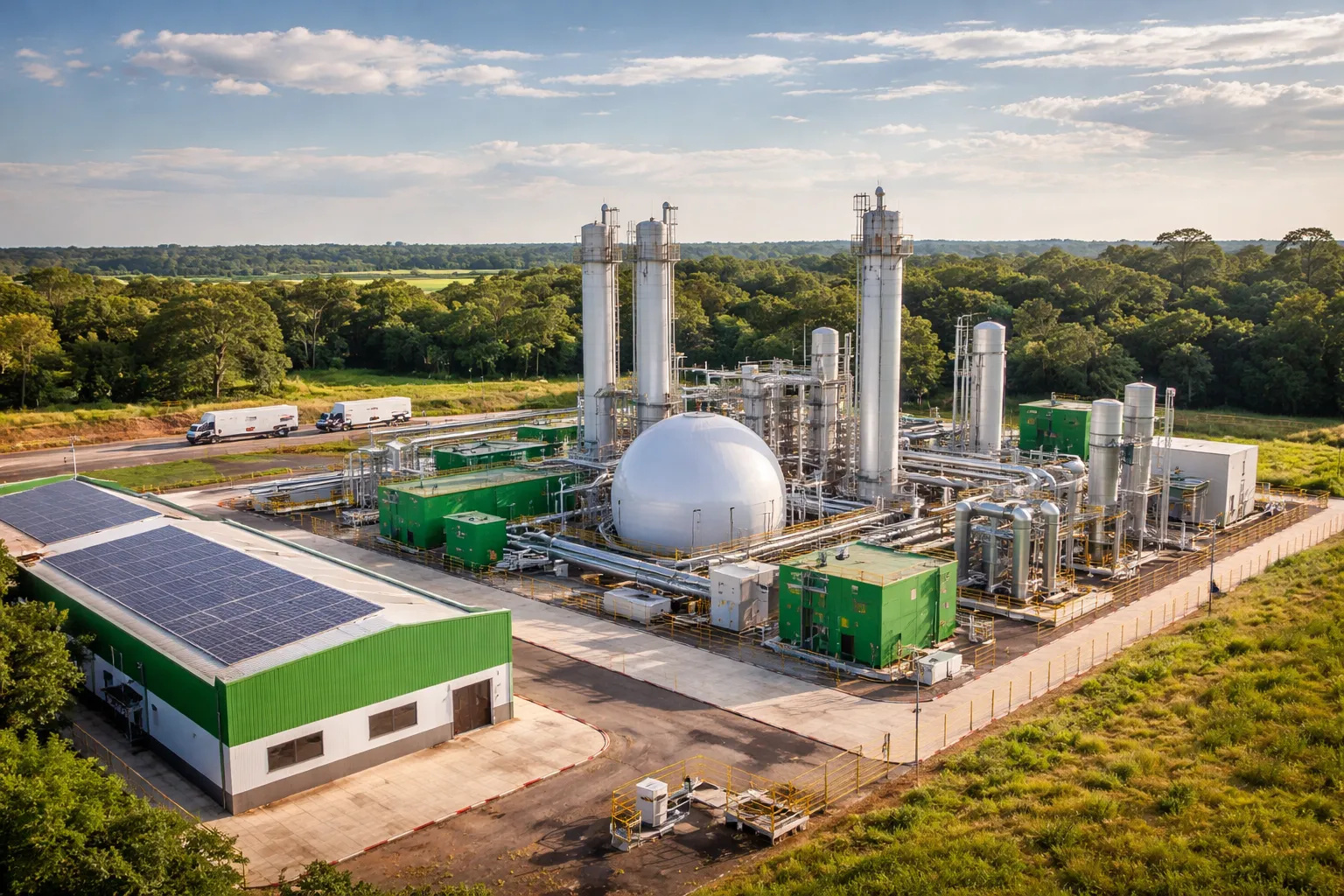
Sustainable progress in the Southeast: ARSESP opens public consultation for biomethane and accelerates decarbonization projects of the energy matrix in São Paulo.
-
The end of an era? Brazil and global powers accelerate investments in technology and infrastructure to solidify the transition away from fossil fuels.
-
Brazilians paid R$ 18 billion more for energy from the Itaipu plant, reflecting a direct impact on tariffs and generating discussions about costs, transparency, and balance in the national electricity sector.

The yellow flag would add R$ 18.85 per MWh consumed. The red flag level 1 would add R$ 44.63 per MWh, and the red flag level 2 — the most burdensome scenario — would reach R$ 78.77 per MWh.
How much consumers save with the green flag
In practice, a consumer with a monthly expenditure of 300 kWh saves R$ 5.64 compared to the yellow flag. However, the contrast becomes more evident when comparing it to the red flag level 2: in this case, the savings reach R$ 23.61 per month. Furthermore, over four consecutive months of the green flag, this accumulated difference exceeds R$ 94 per family.

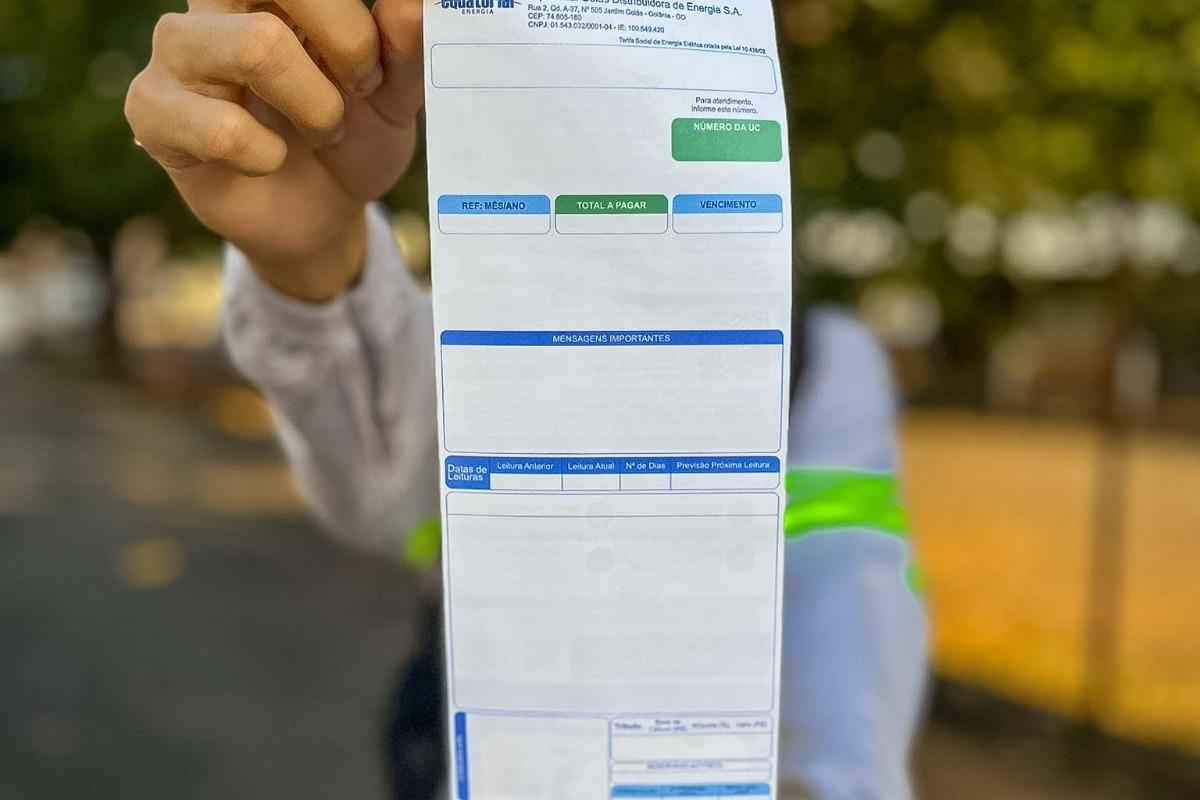
On the other hand, the second half of 2025 showed how quickly the scenario can change. Between June and September, the red flags level 1 and level 2 were activated, increasing the electricity bill precisely during the dry season. Sectors that rely on high energy consumption, such as those that consume increasing amounts of electricity to power data centers, felt the impact even more acutely.
March rains ensured ANEEL’s decision
The agency justified the maintenance of the green flag based on favorable hydrological conditions. According to ANEEL, “there is a satisfactory level of reservoirs in hydropower plants, reflecting favorable energy generation.” According to the announcement, “the green flag has been in effect since January, with the rainfall regime at a favorable level in the first quarter.”
Therefore, the volume of rain observed in March kept the reservoirs in adequate conditions for hydropower generation. The decision is reviewed monthly by ANEEL based on three main factors: availability of water resources, advancement of renewable sources, and the need to activate thermal power plants.
Why the green flag may not last in the second half

Despite the favorable scenario in the first quarter, analysts point to concrete risks for the second half of 2026. As reported by Poder360, there is a prospect of yellow or red flags due to the dry period and a possible El Niño phenomenon, which would reduce rainfall in the North and Northeast and raise temperatures.
The reservoirs in the South, in particular, already show a concerning level: only 27.9% of capacity, according to available data. This regional situation could pressure the national system even if other regions maintain adequate volumes. The government recently announced R$ 1 billion to revitalize watersheds, but the effects of these actions depend on timing and climate.
Still, ANEEL emphasizes that it is essential to maintain conscious energy consumption even during the green flag. The agency advises the population to avoid waste, contributing to the efficiency of the electrical system and the sustainability of the sector throughout the year.





Seja o primeiro a reagir!