





 Portuguese
  English
  Spanish
  5 min of reading
  2 comments


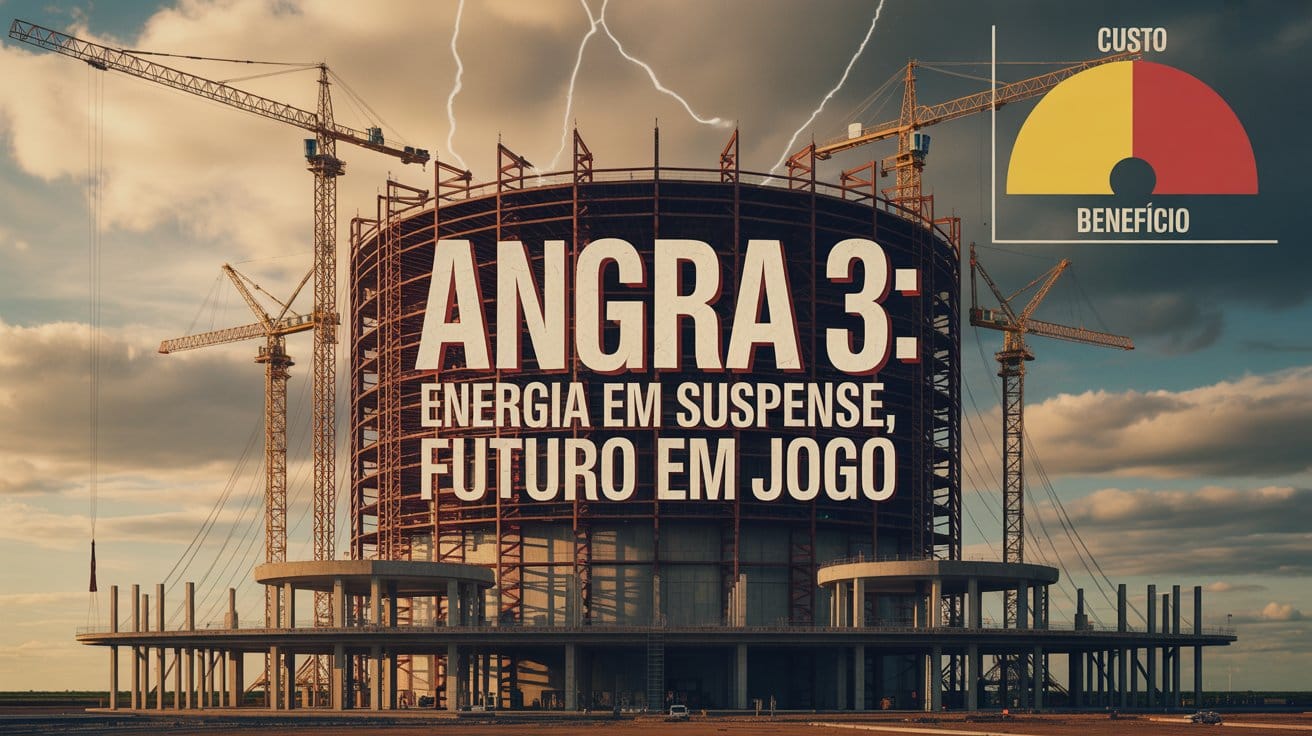

Years Of Delays, Skyrocketing Costs And Political Decisions That Block A Project That Could Transform The Brazilian Energy Future Amid Debates About Sustainability, Technology And Economic Challenges. A Scenario Full Of Uncertainties.
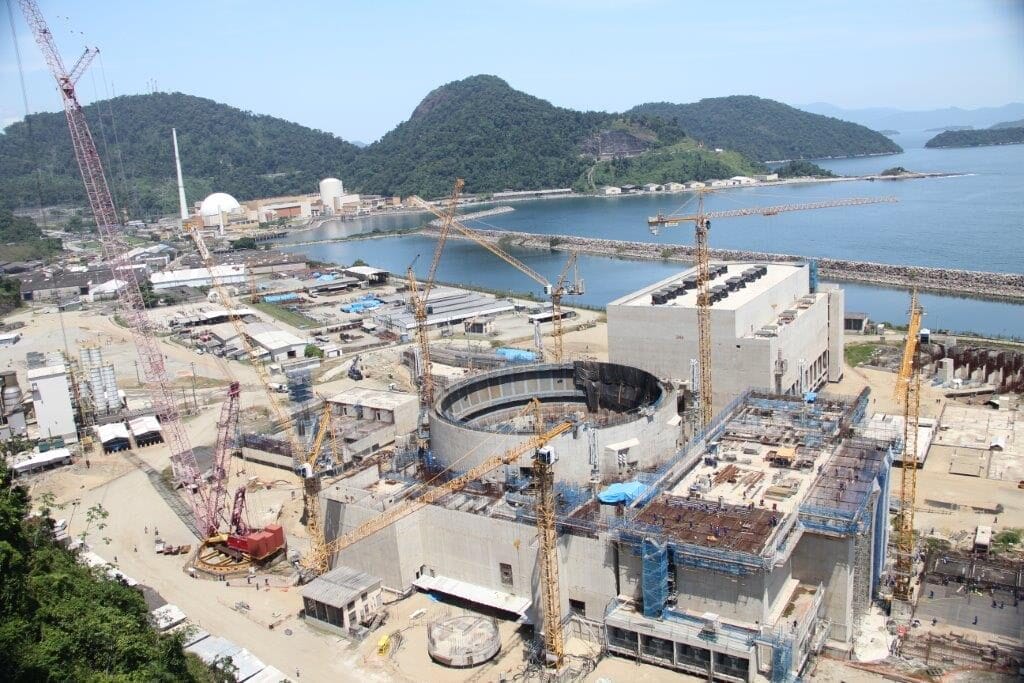
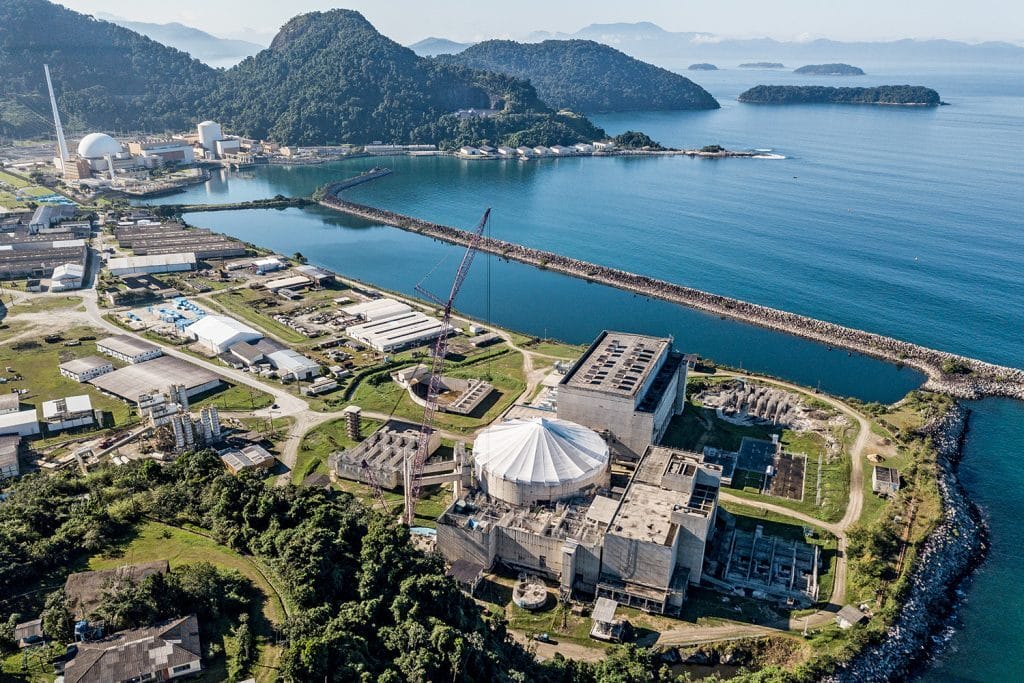
The Angra 3 nuclear power plant project, which began during the military dictatorship, has become one of the biggest enigmas in the Brazilian energy sector.
After nearly 40 years of interruptions, political disputes, and budgets that seem infinite, the plant remains unfinished, consuming hundreds of millions of reais each year without generating a single megawatt.
Today, the decision to complete or abandon Angra 3 remains stuck, revealing a dilemma that affects not only the future of the country’s energy matrix but also the credibility of public policies for strategic projects.
-
Home environment can influence the brain, mood, and well-being: studies indicate an increase of up to 15% in productivity, a reduction of 12% in stress with plants, and a direct impact of the circadian rhythm on the 24 hours of the day.

-
He sold his share for R$ 4 thousand, saw the company become a giant worth R$ 19 trillion, and missed the opportunity of a lifetime.

-
Elon Musk’s Starship megafrocket puts $8 billion at risk, raises alarms in the market, and could affect technology, mining, and space internet startups in the coming years.

-
A Brazilian millionaire couple restores a farm over 150 years old in the interior of São Paulo and transforms the historic property with Portuguese tiles, antique furniture, and new spaces into a refuge that blends tradition, comfort, and sophistication.

The Origin Of A Grand And Problematic Project
In the 1970s, amid a context marked by the oil crisis and rapid economic growth, the Brazilian government launched an ambitious nuclear program.
The goal was to ensure energy sovereignty in a scenario that was already showing signs of exhaustion of hydroelectric potential and dependence on fossil fuels.
Angra 3 was conceived within an agreement with Germany, which included the construction of eight nuclear power plants.
However, over time, this robust initiative became an isolated project, marked by constant interruptions.
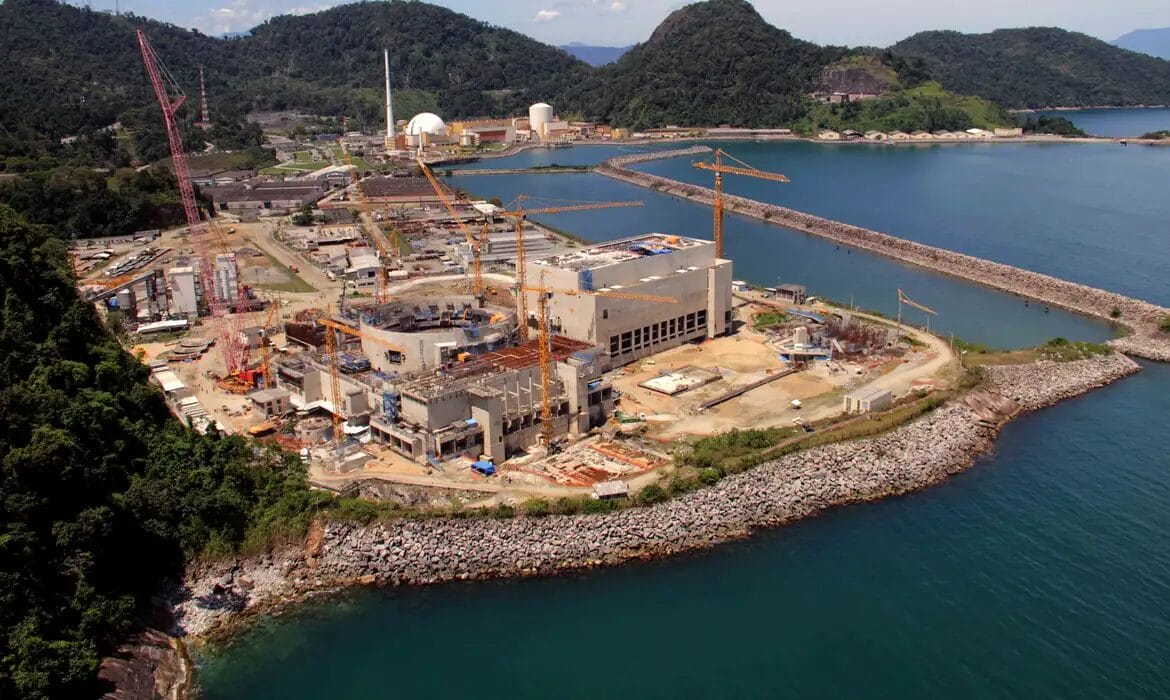
Construction began in the 1980s, but never progressed continuously.
The German technological support was officially terminated in 2004, transferring assistance to the French company Framatome.
Even with attempts to resume construction, including an effort in 2022, building work stopped again in 2023 due to disputes with the Angra dos Reis municipality over environmental compensation and licensing.

The Ghost Of Non-Returning Expenses
By May 2025, Brazil had already invested about R$ 12 billion in the project, without generating a single watt.
Today, the construction site is in standby mode, with annual costs reaching R$ 220 million just for security and maintenance.
It is estimated that about 65% of the plant is ready, but the remainder depends on a crucial decision that has yet to be made.
A BNDES study indicates that R$ 23 billion would be needed to complete Angra 3, while dismantling it would cost R$ 21 billion.
At first glance, completing the project seems like the most rational choice, but the complexity of the sector and budget uncertainties complicate the scenario.
According to experts like engineer Jerson Kelman, nuclear projects generally have final costs that exceed initial estimates by up to three times.
In other words, the projected budget may not be sufficient to complete the plant within the expected timeframe of 6 to 8 years.
Arguments In Favor Of Completion
Advocates for the continuation of Angra 3 emphasize the role of nuclear energy in stabilizing the Brazilian electric system.
Unlike solar and wind sources, which depend on the weather, nuclear energy is stable and can operate almost without interruptions.
During periods of drought or low renewable generation, the plant would help avoid the activation of polluting thermoelectric plants, bringing energy security to Southeast Brazil, the country’s largest consumer center.
Furthermore, nuclear energy does not emit greenhouse gases during its operation, contributing to Brazil’s environmental and climate goals.
The completion of Angra 3 would also strengthen the national technological chain, given that the country has one of the largest uranium reserves in the world and expertise in various stages of the nuclear fuel cycle.
In a global context, where countries invest in small modular plants and advanced technologies, maintaining accumulated expertise is strategic for Brazil to not lose ground in the sector.
Critics: Cost, Outdated Technology And Risks
On the other hand, opponents point out that the Angra 3 project is nearly 50 years old and its basic design is outdated compared to more modern nuclear technologies.
The cost of energy generated by the plant would be high — estimated at R$ 653 per megawatt-hour (MWh), according to BNDES — well above renewable sources, which average around R$ 180/MWh.
For large industrial consumers, this price is considered unviable.
Additionally, the completion schedule may not be met, leading to further delays and unexpected costs.
There are also political and environmental issues that hinder the project’s resumption, increasing the risk of an investment that may never pay off.
Context Of The Brazilian Energy Matrix
Currently, nuclear energy represents about 2% of national generation, while renewables account for more than 85%, including hydro, wind, and solar power.
However, this clean matrix faces challenges due to the intermittency of new sources, which increases the importance of firm sources — nuclear, thermal, and hydroelectric plants with reservoirs.
If completed, Angra 3 would add 1.4 terawatts to the system, equivalent to 10% of the Itaipu hydroelectric plant.
But competition is not simple.
New large hydroelectric plants are environmentally unviable, and gas-fired thermoelectric plants have received controversial political benefits that distort the market.
Nuclear Energy In The Global Scenario
While Brazil hesitates, the world is rekindling its interest in nuclear energy.
The war in Ukraine exposed Europe’s vulnerability to dependence on Russian gas, prompting countries like France and China to invest in new power plants.
In the United States, investments in modular reactors and partnerships with technology companies indicate that nuclear energy is seen as crucial for the future.
This movement is stimulated by the growing demand for data centers and electric vehicles, which require stable and secure energy.
In the U.S., for example, there are plans to reactivate the Three Mile Island plant to power data centers — a symbol of renewed confidence in atomic energy.
The Cost Of Indecision For Brazil
As Minister Alexandre Silveira defined, Angra 3 has become a “mausoleum”, a monument to national hesitations.
The impasse reflects conflicts between technical planning and political interests, as well as Brazil’s difficulty in dealing with long-term projects.
Completing the plant will be costly and challenging, while abandoning it would be a significant loss in both financial and technological prestige.
Keeping the project indefinitely halted, however, means wasting resources and strategic opportunities.
In the electric sector, inertia has a high price and society and the country will always pay the bill.
Do you believe Brazil should invest to complete Angra 3, or is it time to abandon the project and seek other energy alternatives? Which path do you think best addresses current environmental, economic, and technological challenges?




Por ter prestado serviços para o projeto, digo que não prosseguir com a obra é uma demonstração de pouca visão de futuro, porque o país vai precisar de energia para o sei futuro, e não pode prescindir da usina.
Uma obra dessa importância não pode ser tratada como está sendo, de forma política. São esses erros que fazem o país se distanciar dos mais desenvolvidos.
Os americanos vão retomar a usina de Three Miles Island.
Termina logo k7