





 Portuguese
  English
  Spanish
  6 min of reading
  0 comments



In The World Of Cars, Surprises Happen: 9 Models Saw Price Drops In 2024, Defying The General Increase In The Automotive Market. One Of Them, Incredible, Dropped R$ 33 Thousand! Know The Complete List And Understand The Factors Behind These Surprising Changes.
In Brazil, where the rise in car prices has become almost a constant, few consumers expect to find cheaper models over time.
However, surprisingly, between January 2024 and January 2025, only nine vehicles broke the rule and registered price reductions.
The phenomenon is rare and, precisely because of that, it arouses curiosity and speculation. After all, what led some specific versions to decrease in price while most models saw significant increases?
-
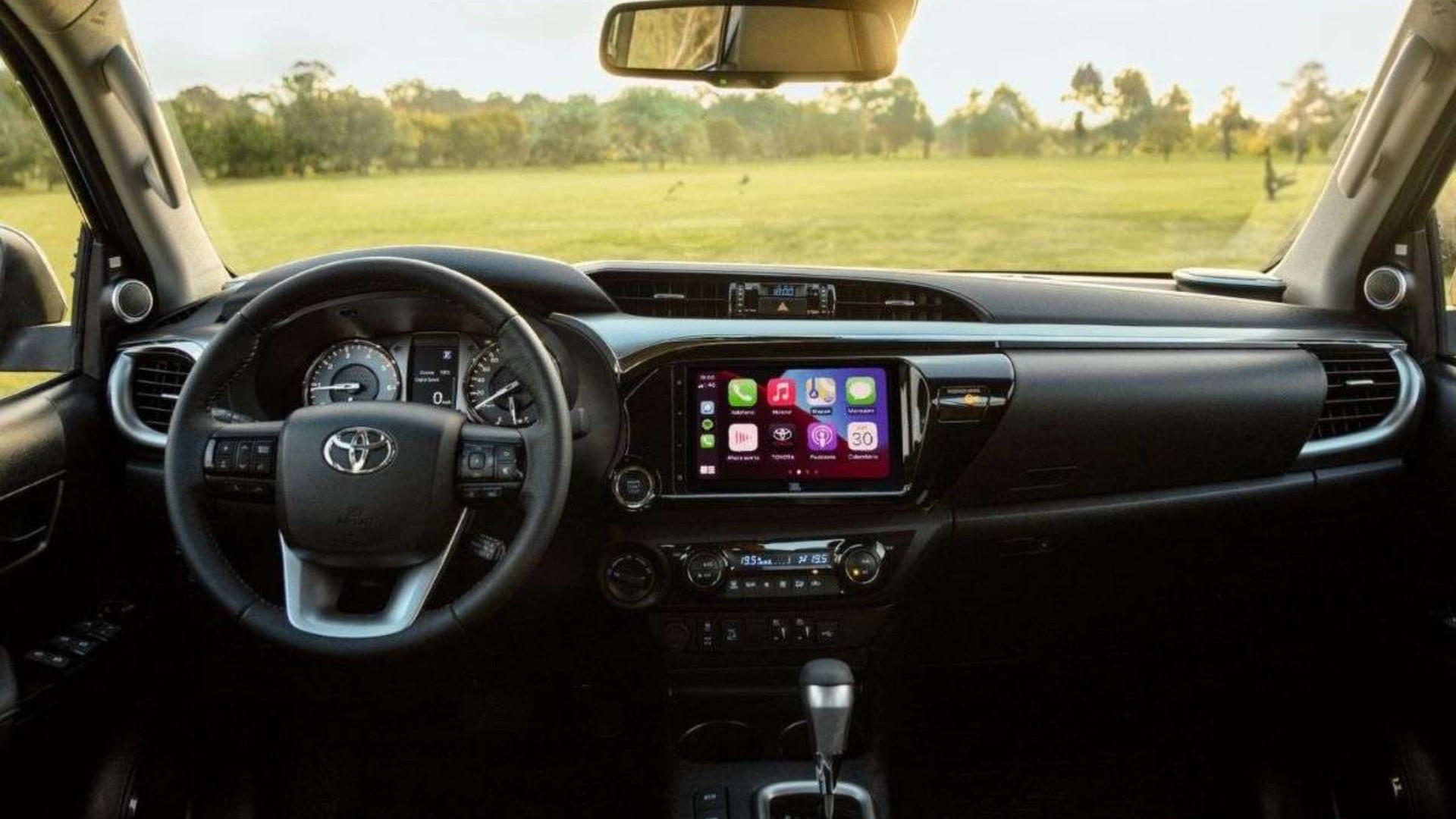
The Toyota Hilux is R$ 75.5 thousand cheaper and bets on the 2.8 turbodiesel engine with up to 204 hp and 50.9 kgfm to catch up with the VW Saveiro, which leads with 4,472 sales.
-
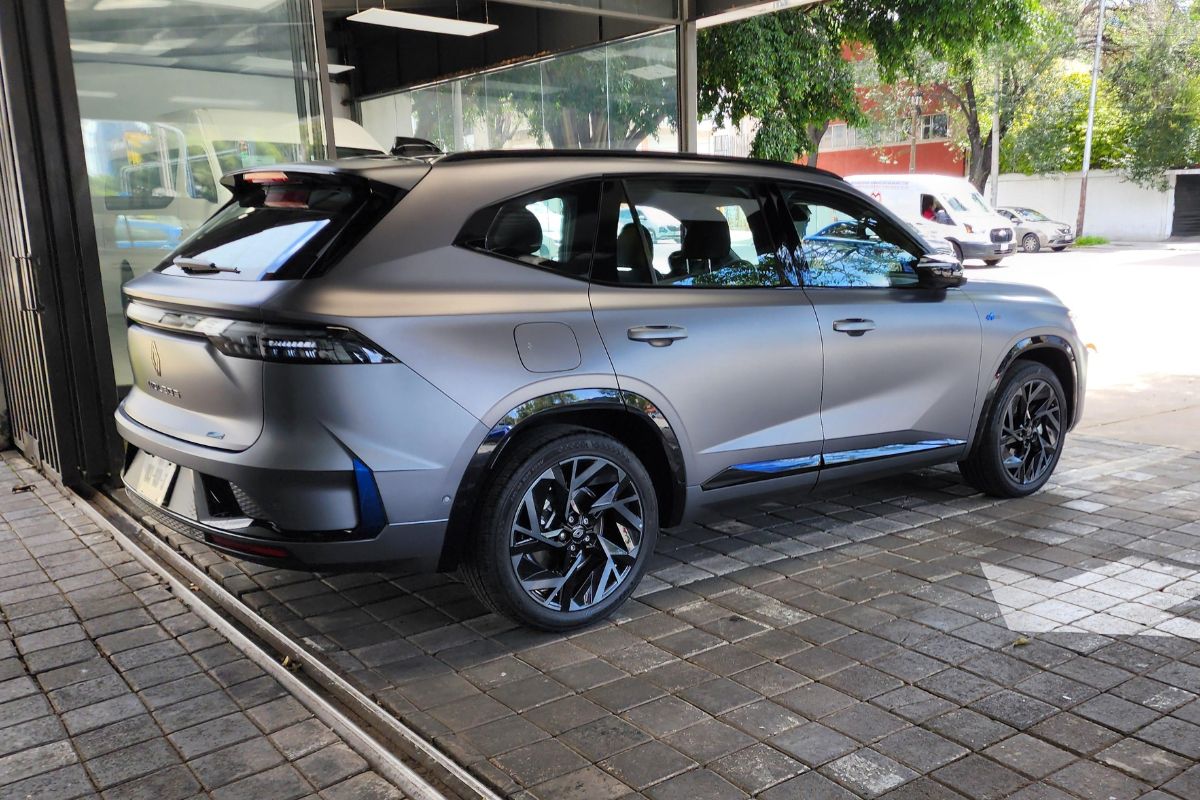
The new Renault Koleos has a screen exclusively for the passenger that is invisible to the driver, heated rear seats, and 29 assistance systems, but its Chinese competitors cost R$ 40,000 less and deliver more power.
-
The car stored for 38 years: when opening the barn door, what appears is breathtaking and looks like a scene from a movie!

-
Fiat works miracles in the Brazilian market, lowers the price of its 0 km hatch to R$ 69,990, reestablishes the model as the cheapest car in the country, and reignites the battle against Kwid and C3.

Below, we detail the models that recorded these decreases, the factors that contributed to this price change, and how the Brazilian automotive market behaved during this period.
The analysis also takes into account data published by manufacturers and specialists, as well as information from the portal Autoesporte, a reference in the automotive sector.
The Context Of The Brazilian Automotive Market In 2024-2025
In recent years, the Brazilian automotive sector has faced major challenges. Inflation, currency volatility, and high production costs contributed to the increase in prices of new vehicles.
In addition, the impact of the global semiconductor crisis, which affected automobile production in 2022 and 2023, was still reflected in the market in 2024.
On the other hand, 2024 also brought signs of economic recovery. With the increase in semiconductor production and a resumption in the supply of models in the market, some manufacturers began to adjust prices to compete in specific segments. It was in this scenario that the nine models highlighted below became exceptions.
1- Chevrolet Onix Plus LT Turbo: Symbolic Reduction, But Relevant


The Chevrolet Onix Plus LT Turbo is one of the models that saw a price reduction, albeit a small one. In January 2024, the LT AT Turbo version was sold for R$ 114,150.
One year later, the price dropped to R$ 113,990, a difference of only R$ 160, or 0.1%.
This sedan, recognized as the best-selling model in Brazil in its category, saw price increases in other versions, with differences of up to R$ 7,270.
According to specialists, the slight reduction of the LT AT Turbo version may be related to Chevrolet’s commercial strategies to maintain its competitiveness amid the growing competition in the compact sedan segment.
2- Chevrolet Onix LT Turbo: The Hatch Also Follows The Trend
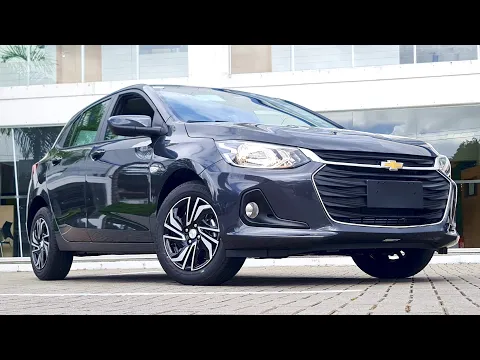
The Chevrolet Onix LT Turbo hatchback, considered the “little brother” of the Onix Plus, also saw a timid price reduction. The LT AT Turbo version dropped from R$ 108,210 to R$ 107,490, resulting in a decrease of R$ 720, or 0.7%.
This reduction, while modest, reflects Chevrolet’s effort to offer more affordable options within its lineup, keeping the Onix competitive in one of the most disputed segments of the Brazilian market.
3- Caoa Chery Tiggo 7 Pro Max Drive: SUV With A R$ 2 Thousand Drop

Among the SUVs, the Caoa Chery Tiggo 7 Pro Max Drive stood out with a price reduction on its top-of-the-line version.
In January 2024, the model was sold for R$ 249,990, but in January 2025, the price dropped to R$ 247,990, representing a difference of R$ 2 thousand, or 0.8%.
This reduction aligns with Caoa Chery’s strategy to consolidate its position in the medium SUV market, one of the most competitive segments in Brazil.
The price decrease may also be related to the increase in local production, reducing operational costs.
4- Volkswagen Virtus TSI Manual: Significant Reduction In The Compact Sedan Segment

The Volkswagen Virtus TSI Manual was one of the highlights among the models with price drops. The compact sedan, which cost R$ 109,990 in January 2024, became available for R$ 105,990 in January 2025, a reduction of R$ 4 thousand, or 3.8%.
According to industry analysts, Volkswagen adjusted the price of this version to make it more attractive in the face of increasing competition from models like the Chevrolet Onix Plus and the Honda City.
Despite the reduction, other versions of the Virtus, such as the Exclusive, saw price increases during the same period.
5- Jeep Grand Cherokee 4xe: Drop Near R$ 5 Thousand

The Jeep Grand Cherokee 4xe, a luxury hybrid SUV, had a price reduction that caught attention. Launched in Brazil in October 2023 for R$ 569,990, the model dropped to R$ 554,950 in January 2024.
In January 2025, the price fell again, reaching R$ 549,990. The difference of R$ 4,960 over a one-year period represents a reduction of 0.9%.
This drop reflects Jeep’s strategy to adjust the prices of the Grand Cherokee to better position it in a competitive segment, which includes hybrid and electric models from other premium brands.
6- Jeep Renegade Trailhawk: Savings Of R$ 8 Thousand For Consumers

The Jeep Renegade Trailhawk, the top-of-the-line version of the popular compact SUV, recorded one of the largest price reductions in 2024-2025.
The model, which sold for R$ 187,990 in January 2024, became available for R$ 179,990 in early 2025, a difference of R$ 8 thousand, or 4.4%.
According to specialists, this reduction may be linked to the introduction of new versions in the Renegade lineup, including the Willys configuration, launched in July 2024.
The diversification of options helped redistribute prices within the range, making the Trailhawk more accessible.
7- Nissan Frontier: Up To R$ 10.6 Thousand Cheaper
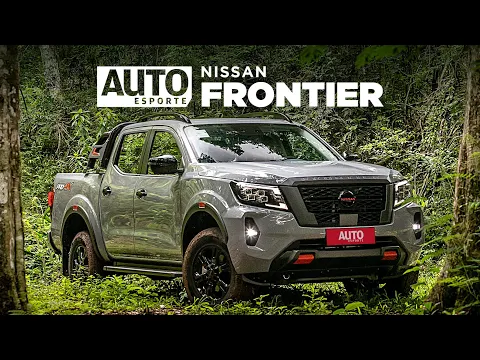
Among pickups, the Nissan Frontier was one of the models that stood out the most due to its price reduction. Four of the six versions in the lineup showed significant decreases, with the SE AT leading the reductions. This version dropped from R$ 266,450 to R$ 256,390, a difference of R$ 10,060, or 3.9%.
Other configurations, such as the Pro-4X AT and Platinum AT, also saw substantial drops, of up to R$ 9,360.
Nissan justified these reductions as part of its strategy to increase competitiveness in the medium pickup segment, which includes rivals like the Toyota Hilux and Chevrolet S10.
8- Jeep Compass Limited TD350: Reduction Of R$ 18 Thousand In One Year

The Jeep Compass Limited TD350 was one of the models with the largest price reduction in 2024-2025. The medium SUV, equipped with a diesel engine, saw its price drop from R$ 269,990 in January 2024 to R$ 251,990 in early 2025, a difference of R$ 18 thousand, or 7.1%.
This drop reflects Jeep’s strategy to solidify the Compass as one of the main options in the medium SUV segment, adjusting prices to attract consumers looking for a balance between performance and economy.
9- Jeep Commander: Up To R$ 33 Thousand Cheaper

Finally, the Jeep Commander was the model with the largest price reduction between January 2024 and January 2025.
The Overland TD350, top-of-the-line version of the seven-seat SUV, dropped from R$ 338,990 to R$ 305,990, a decrease of R$ 33 thousand, or 10.8%.
Other versions of the Commander, such as the Longitude TD350 and the Limited, also recorded significant drops, ranging from R$ 7,800 to R$ 13,600.
This strategy allowed Jeep to enhance the attractiveness of the Commander in a segment where it competes with models like the Toyota SW4 and Chevrolet Trailblazer.
What To Expect From The Automotive Market In 2025?
Although the reduction in prices has been an exception in the Brazilian automotive market in 2024-2025, it demonstrates that commercial strategies, production adjustments, and competition between brands can still benefit consumers.
With the growing availability of hybrid and electric models, along with the recovery of the supply chain, it is possible that more vehicles will present competitive prices in the coming years.
Do you believe that this trend of price reductions will continue in 2025? Or will increases continue to dominate the market?







Seja o primeiro a reagir!