





 Portuguese
  English
  Spanish
 5 min of reading
  0 comments


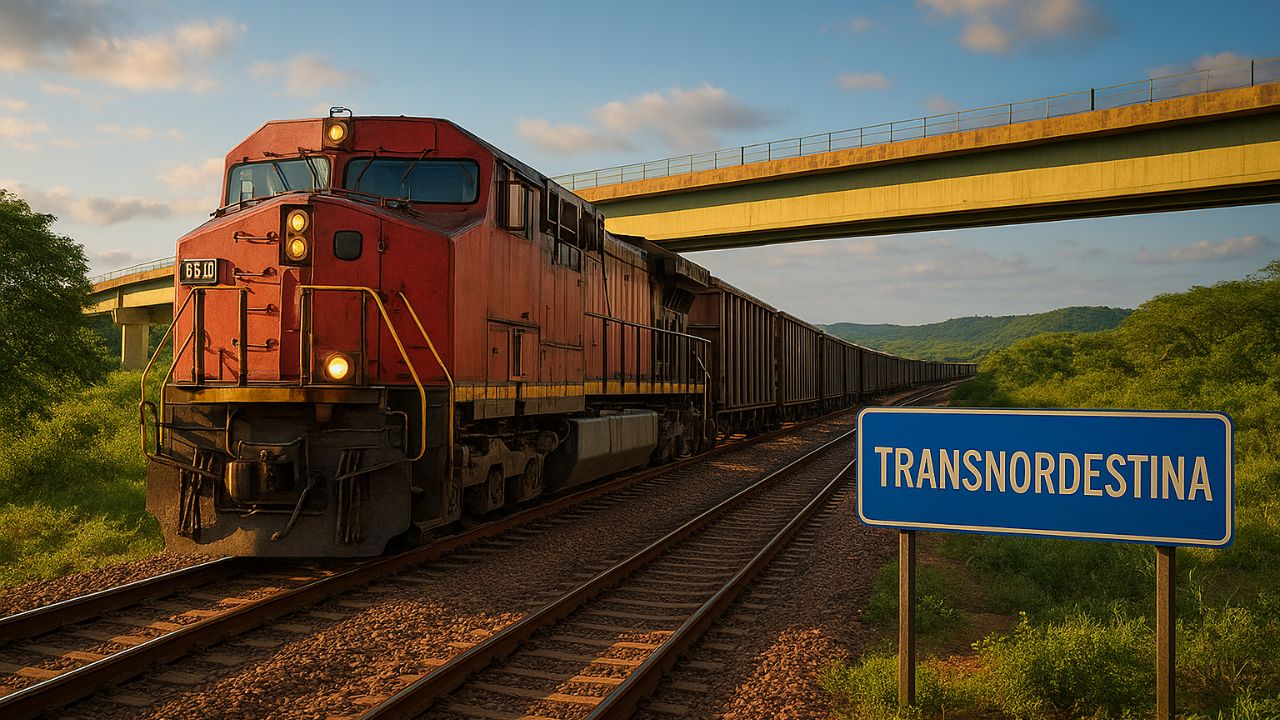
After 25 Years, Construction of 1,200 Km Progresses to Connect the Productive Interior of Piauí to Ceará, Redefining Grain and Mineral Logistics in the Northeast with the Transnordestina Railway.
After a quarter of a century of expectations, stoppages, and re-planning, the Transnordestina railway finally progresses toward its conclusive phase. The project, now focused on a logistical corridor of 1,200 kilometers, promises to be a game-changer for the Northeast economy by directly connecting the agricultural hub of Eliseu Martins in Piauí to the Pecém Industrial and Port Complex in Ceará. The main promise is a reduction of up to 35% in freight costs, a competitive advantage that could reshape the national production landscape.
This advancement represents not only the laying of tracks but also the creation of a high-capacity export conveyor for grains, minerals, cement, and fuels. The project was strategically designed to circumvent historical bottlenecks, such as slow urban crossings and exclusive reliance on road transport. By creating a direct railway path from the interior to a deep-water port, the Transnordestina positions itself as one of the largest infrastructure vectors in the country, with the potential to unlock investment and optimize the flow of wealth from the semi-arid region.
A 25-Year Journey: The Story of the Resumption
The trajectory of the Transnordestina is marked by a long and complex history. The project began to take shape in 1997, with the privatization of the former federal railway network in the Northeast. However, it was on June 6, 2006 that the federal government officially launched the works under the banner of the Growth Acceleration Program (PAC). The initial promise was for a swift delivery, but the project faced successive challenges, including budget overruns, unmet targets, and complex corporate restructurings.
-
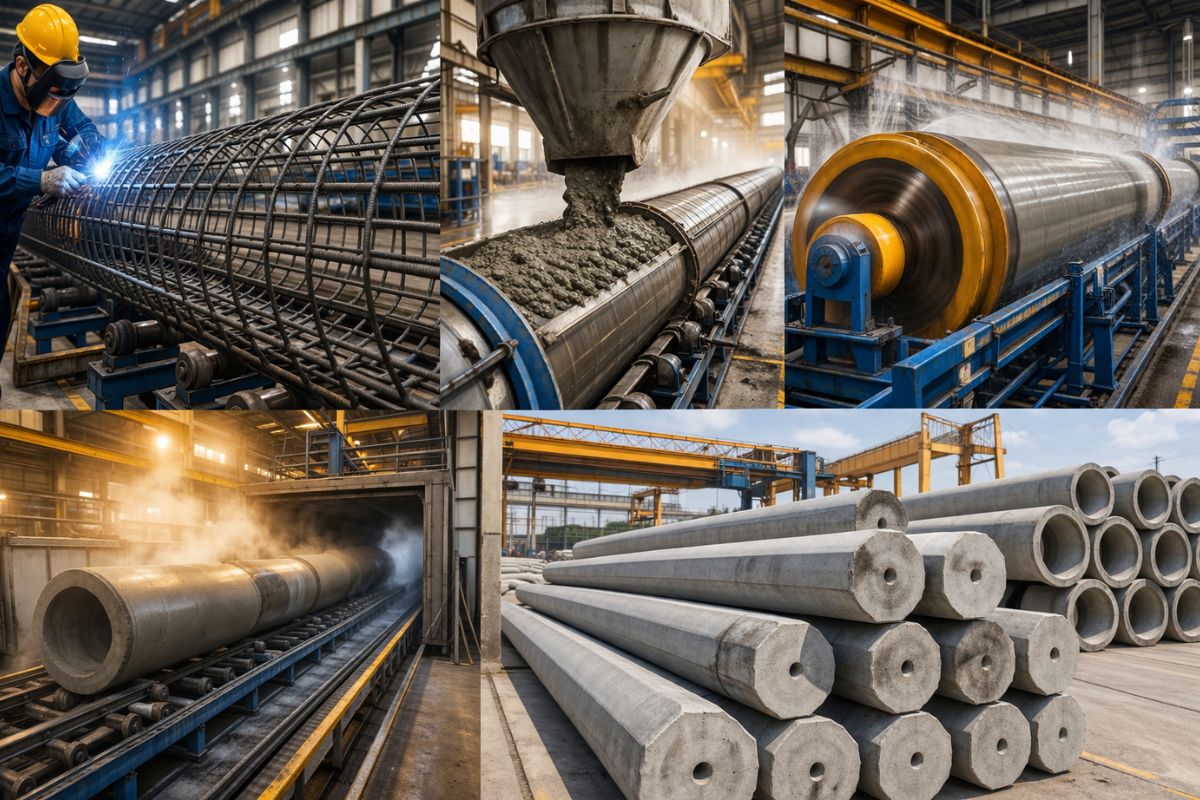
The factory shows how PHC piles and precast tubes are made; steel turns into a welded cage, high-strength concrete enters the mold, spins in centrifugation, cures in steam, and is ready in hours.
-
Small house with natural light becomes a trend in sustainable architecture and reveals how smart designs reduce energy consumption and enhance comfort in compact spaces.

-
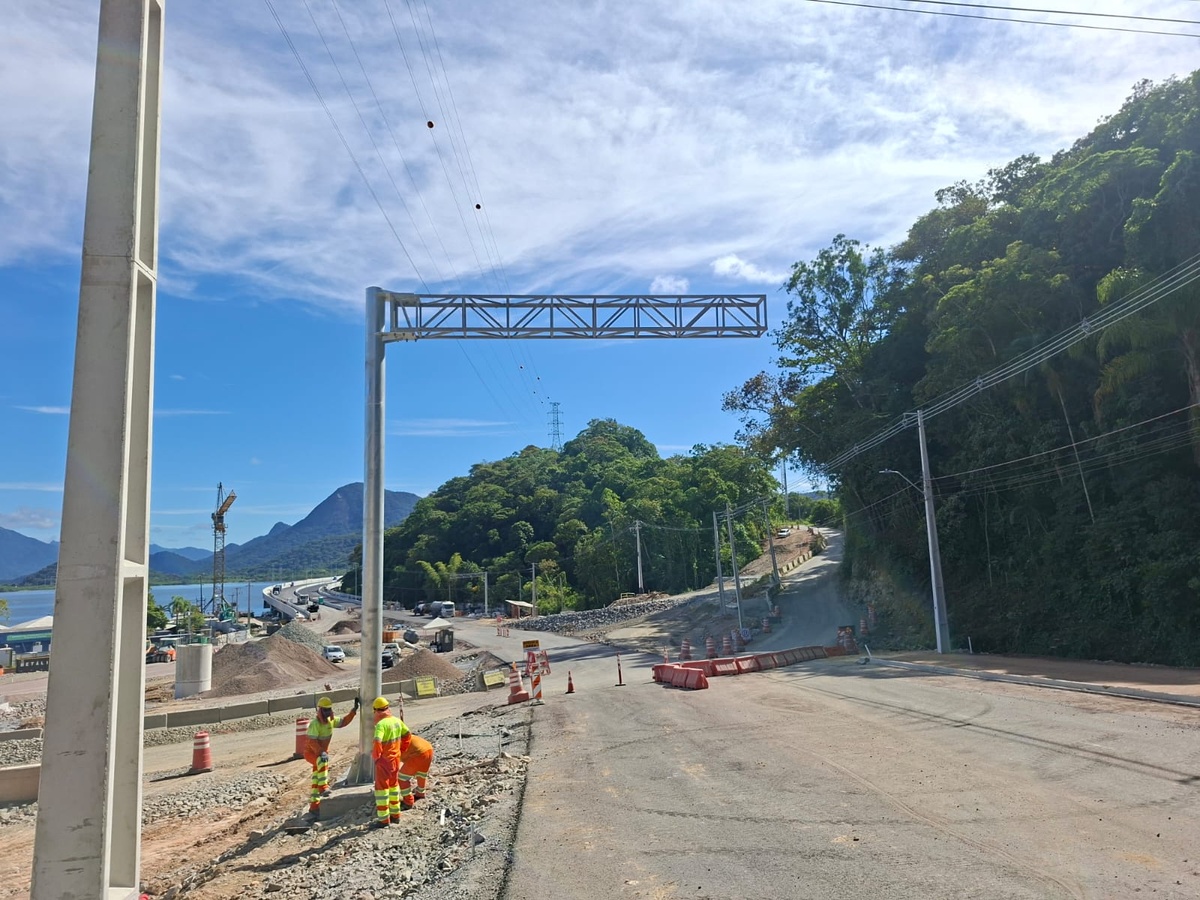
Guaratuba Bridge enters the final phase with high-standard road signage implemented by IASIN and inauguration scheduled for April 2026.
-
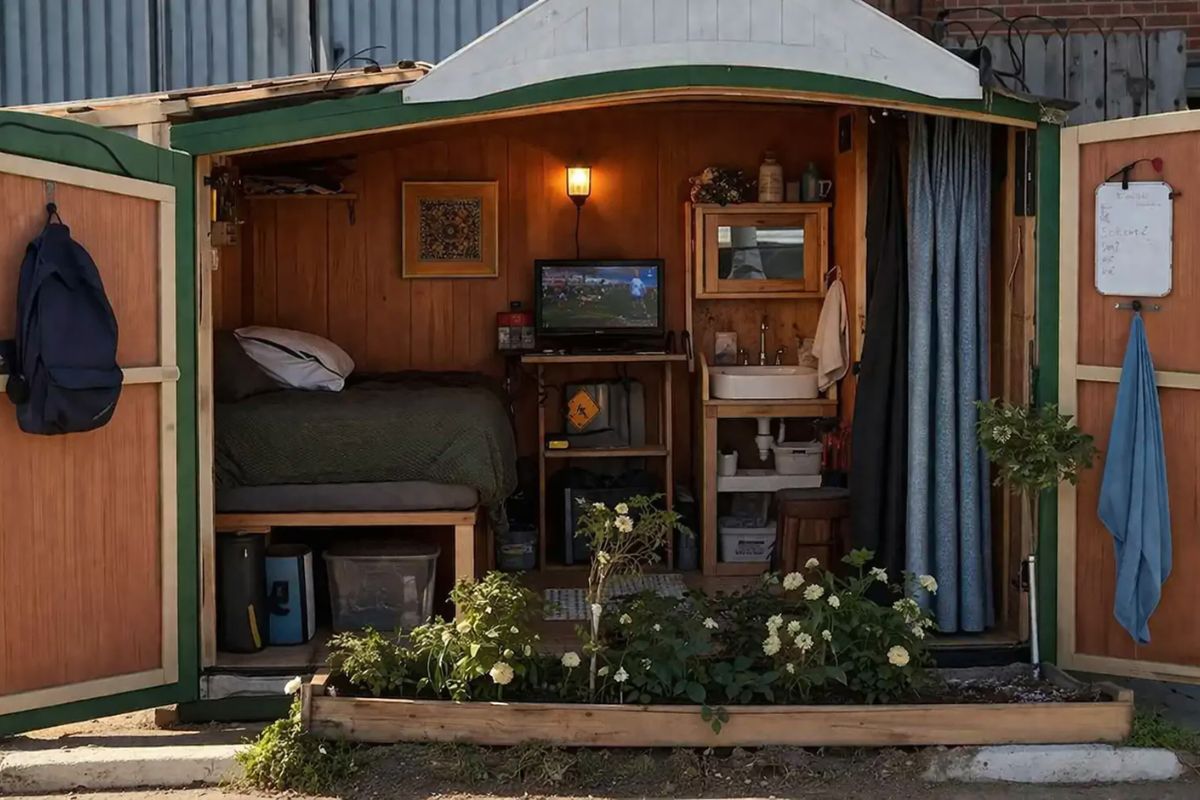
A homeless person in Los Angeles built their own wooden house with a garden at the entrance, a bed, a television, and a bathing area, and is now selling identical mini houses for $150 to other homeless individuals who prefer anything over returning to plastic tents.
The definitive turning point, as reported by Urbana, occurred in 2022. A major agreement between the National Land Transport Agency (ANTT), the Federal Court of Accounts (TCU), and the concessionaire restructured the contract to avoid the expiration of the concession. The solution was to split the project: the section in Pernambuco, between Salgueiro and the Port of Suape, was separated to be addressed under a new model, while all efforts were concentrated on the Piauí-Ceará axis. This decision redefined the scope to the current 1,200 km and established a realistic timeline, which has been adhered to since 2023 with construction sites operating at an accelerated pace.
Cutting-Edge Engineering for the Semi-Arid Region
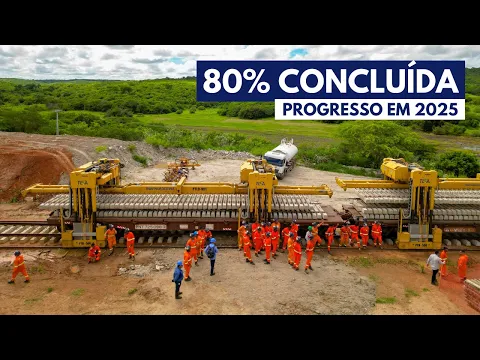

The new Transnordestina was designed from the outset as a high-performance export corridor, with robust technical specifications. The railway uses broad gauge (1.60 m), a standard that allows for the operation of heavier and faster trains. Moreover, its layout was planned with maximum gradients of 1% in the direction of export and minimum curve radii of 400 meters. These parameters are crucial, as they ensure that long and loaded trains maintain constant speed with lower energy consumption and material wear.
To ensure cadence and efficiency, the project includes crossing yards every 20 kilometers. With 2,500 meters of useful length, these structures function as “passing lanes,” allowing two trains to pass without one having to stop, optimizing the flow on the main line. The entire system will be managed by a centralized control system with automatic signaling and communication via fiber optics. This regularity transforms kilometers of steel and gravel into a reliable “logistical metronome”, capable of handling millions of tons per year with industrial predictability.
Construction in Motion: Current Status in Three States
By September 2025, the Transnordestina works are distributed across synchronized fronts. In Ceará, the work is progressing in municipalities such as Quixadá and Piquet Carneiro, overcoming engineering challenges in the Baturité Massif. A crucial milestone was the authorization for direct access to the Port of Pecém, ensuring that trains can reach the loading area without urban interferences. The expectation is that the Ceará yards will be ready to receive the first trains for testing later this year.
In Piauí, the picture is of a railway platform already established over much of the route. The confirmation of a first demonstration trip in October 2025 indicates that the commissioning of the line is nearing. Meanwhile, Pernambuco is preparing to resume its section: the bidding for the works between Custódia and Arcoverde (73 km) is confirmed for October 2025, with field mobilization expected to begin in early 2026, reopening the path for future connection to the Port of Suape.
The Real Impact: How Much Is the New Route Worth?
When the Transnordestina is in full operation, the impact on the economy will be immediate and profound. For a grain producer in southern Piauí, the route of over 1,000 km by road will be replaced by a train journey that can last between 24 and 36 hours, with a cost per ton up to 35% lower. This predictability and efficiency are decisive for securing competitive export contracts in the global market. From an environmental perspective, the shift from truck to train represents a reduction of up to 70% in carbon emissions per ton transported.
The effect extends beyond agribusiness. Continuous deliveries of minerals and cement to Pecém will boost the industrial capacity of the port complex. In the opposite direction, the railway will bring fertilizers, fuels, and inputs at a reduced cost to the interior. For the cities along the route, the drastic reduction in truck traffic means greater road safety and lower highway maintenance costs. The permanent operation of the railway will also generate qualified jobs and foster new business hubs around the cargo terminals.
The railway line is reshaping the logistical future of the Northeast. But what is your opinion? Do you believe that prioritizing the section to the Port of Pecém was the right decision? How does this change impact the market and your reality?
Share your opinion in the comments; we want to hear from those who live this experience.







-

-

3 pessoas reagiram a isso.