





 Portuguese
  English
  Spanish
  4 min of reading
  1 comment


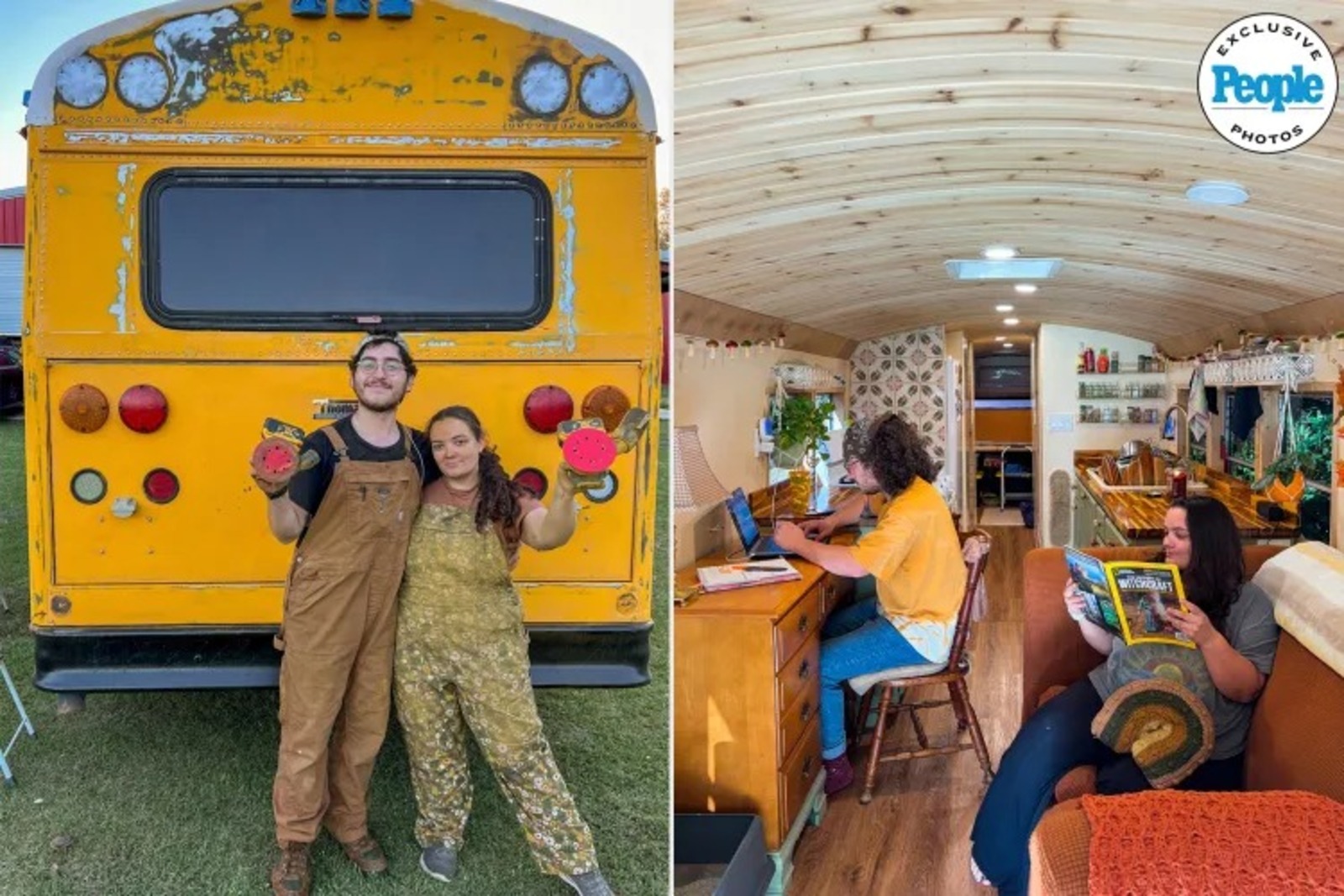


After Mechanical Failures, Financial Frustrations, and Four and a Half Years of Persistence, Couple Transforms School Bus into Sustainable Fully Autonomous Home on Wheels
With graduation approaching, Jess Elena and Jake Gomez decided to transform a school bus into a mobile home, after years of attempts, mechanical failures, and investments, seeking autonomy, sustainability, and a lasting alternative to traditional work in the United States.
From Initial Ambition to Search for a Lasting Plan
Jess Elena and Jake Gomez met while working at an ice cream shop in South Florida, where they began saving motivated by the desire to travel and avoid conventional routines.
Despite the clear ambition, the couple couldn’t find a plan that justified the money they saved, as long or international trips seemed too temporary.
-
Man never set foot on the Moon? 5 scientific proofs confirm that humanity has been there and definitively dismantle conspiracy theories.

-
The Brazilian Army will adopt humanoid robots to test the concept of future combat, says a website, surprising everyone, but later revealing that it was all just an allusion to April Fool’s Day.

-
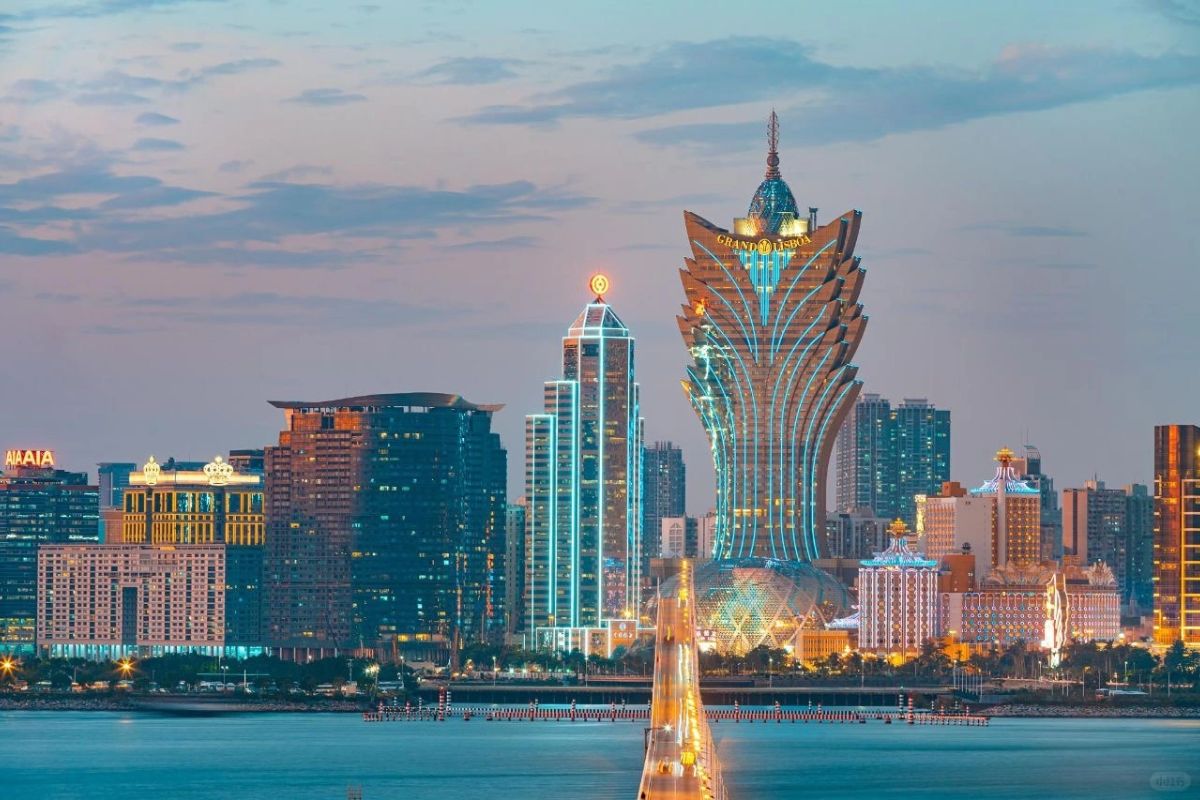
There is a city in China right next to Hong Kong where people speak Portuguese, the streets have names in Portuguese, and the architecture looks like it came straight out of a historic city in Brazil.
-
Rare frog thought to be extinct after only appearing in fossils reappears, becoming a ‘living relic’ of evolution and gaining a real path to spread after combating introduced predators.


The first alternative considered was living in a van, a popular and functional option, but it was discarded after evaluating living with two cats in a small space.
The Decision for the School Bus and the Beginning of the Project
The idea of transforming a school bus emerged as a solution to create a larger and sustainable space, utilizing 12 meters internally for a complete home.
“We thought we could make 12 meters of space really sustainable,” said Elena, 25, in an interview with PEOPLE, highlighting the vehicle’s potential.
With no prior experience, they dove into practical learning, seeking help from mechanics and a community dedicated to life in converted buses.

Exposure on Social Media and First Mechanical Obstacles
From the beginning, they documented all stages on social media, from demolition to reconstruction, attracting millions of viewers interested in the gradual transformation.
The first bus purchased had a serious engine failure just 32 kilometers after leaving the auction, quickly compromising the project’s progress.
At the time, 19 years old, Elena managed to return the vehicle to the seller, avoiding further loss and keeping the dream still possible.
New Attempt, Financial Frustrations, and Risk of Giving Up
The second bus ran for nearly a year until it suffered a definitive mechanical failure, once again halting the attempt to proceed with the conversion.
The repair would require the purchase of a used engine, without warranty, with an estimated budget of US$ 20,000, making continuation financially unfeasible.
Faced with the accumulated frustrations, the couple began to question whether that lifestyle could really work in the long term.

The Reencounter with the Right Opportunity
When the idea seemed lost, a mechanic presented a practically new school bus, completely changing the scenario faced until then.
The vehicle had only 56,000 kilometers driven, well below the typical lifespan of 800,000 kilometers for a diesel bus.
In just 48 hours, they closed the deal, prioritizing exclusively the reliability of the engine as the central criterion for the decision.
Total Restart and Definitive Commitment
Before the new construction, they needed to discard the previous buses, repurposing useful parts and sending the rest to the scrapyard.
The symbolic moment of the crane crushing the old structure was recorded and represented liberation to start over without any pending issues.
With this last chance, they decided to fully commit to the project, putting aside alternative plans and previous uncertainties.
An Entire Year Dedicated to Construction
To make the project viable, they moved to Georgia, rented a tiny house, and parked the bus in an equipped warehouse.
For an entire year, they worked full time on the construction, dealing daily with technical challenges and unexpected setbacks.
After four and a half years of planning and persistence, the foundation of the 12-meter sustainable bus was completed.
Energy Autonomy and Internal Comfort
The interior was designed for total autonomy, with 378 liters of water, 1,800 ampere-hours in lithium-ion batteries, and 3,300 watts of solar power.
This system ensures enough energy for air conditioning, appliances, and daily comfort, allowing them to live without constant external connections.
Gomez highlights the fully completed bathroom as his favorite space, while Elena values the ample internal storage carefully planned.

Credit: Courtesy of Jake Gomez and Jess Elena
Road Tests and Consolidation of the Bus Home
Even with pending adjustments, they decided to test the bus, traveling from Florida to Washington, along the west coast and returning through the south.
The first nights were tough, with stops near highways, until they learned to use apps to find suitable areas.
By staying longer in each location, the bus ceased to be just transportation and became, definitively, the couple’s home.
With information from People.




Boa sorte ao casal, que venham muitos kms ( ou milhas ) de alegria e satisfação