





 Portuguese
  English
  Spanish
  4 min of reading
  15 comments


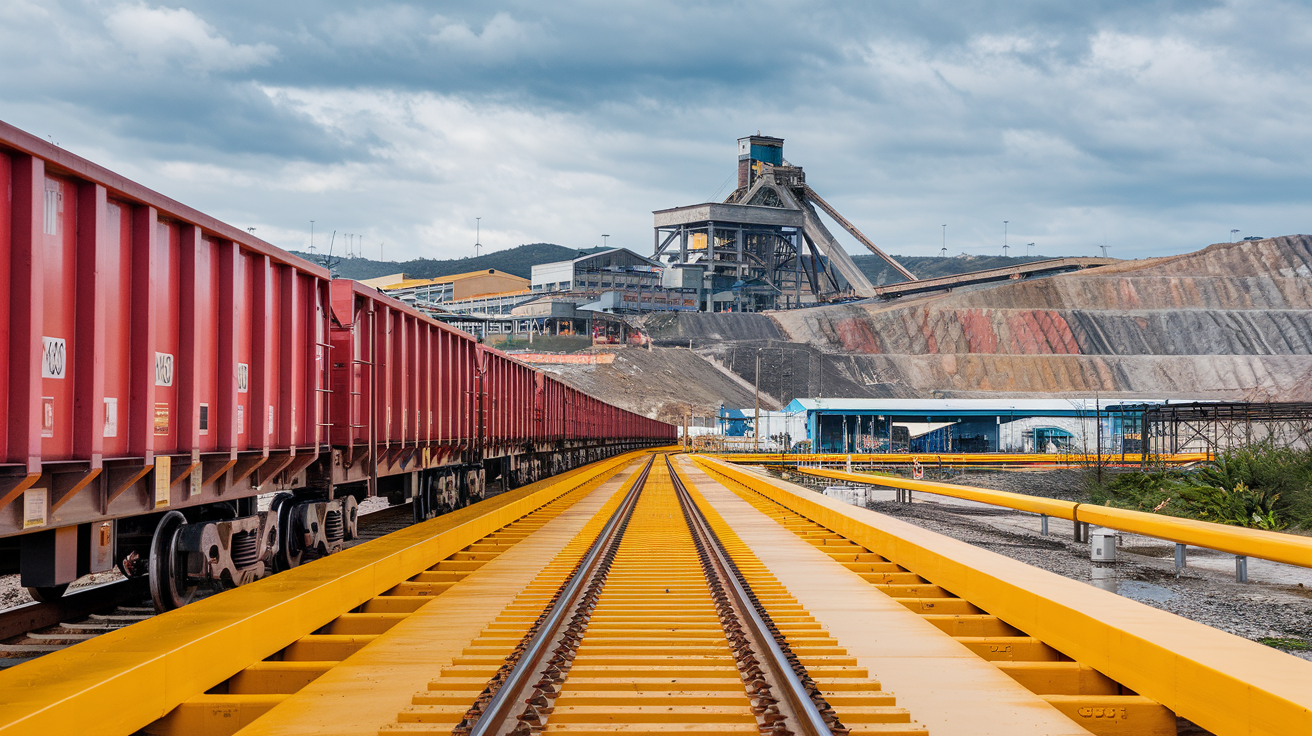


Vale Closes Agreement with ANTT to Invest R$ 11 Billion in Two Railroads. The Investment Includes R$ 4 Billion Upfront and Operational Improvements, Bringing Benefits to National Transportation. Despite the Immediate Financial Impact, the Miner Seeks to Consolidate Its Strategic Position in the Logistics Sector and Reduce Future Risks.
Brazil is on the verge of experiencing one of the largest investments in railway infrastructure in recent times, and the protagonist of this story is none other than Vale (VALE3).
While contract and concession negotiations are often seen as bureaucratic and tedious, this billion-dollar agreement promises to completely transform two of the country’s most important railroads.
Behind the astronomical figures is the renegotiation of contracts involving the Carajás Railroad and the Vitória a Minas Railroad, strategic assets for both the miner and the national logistics system.
-
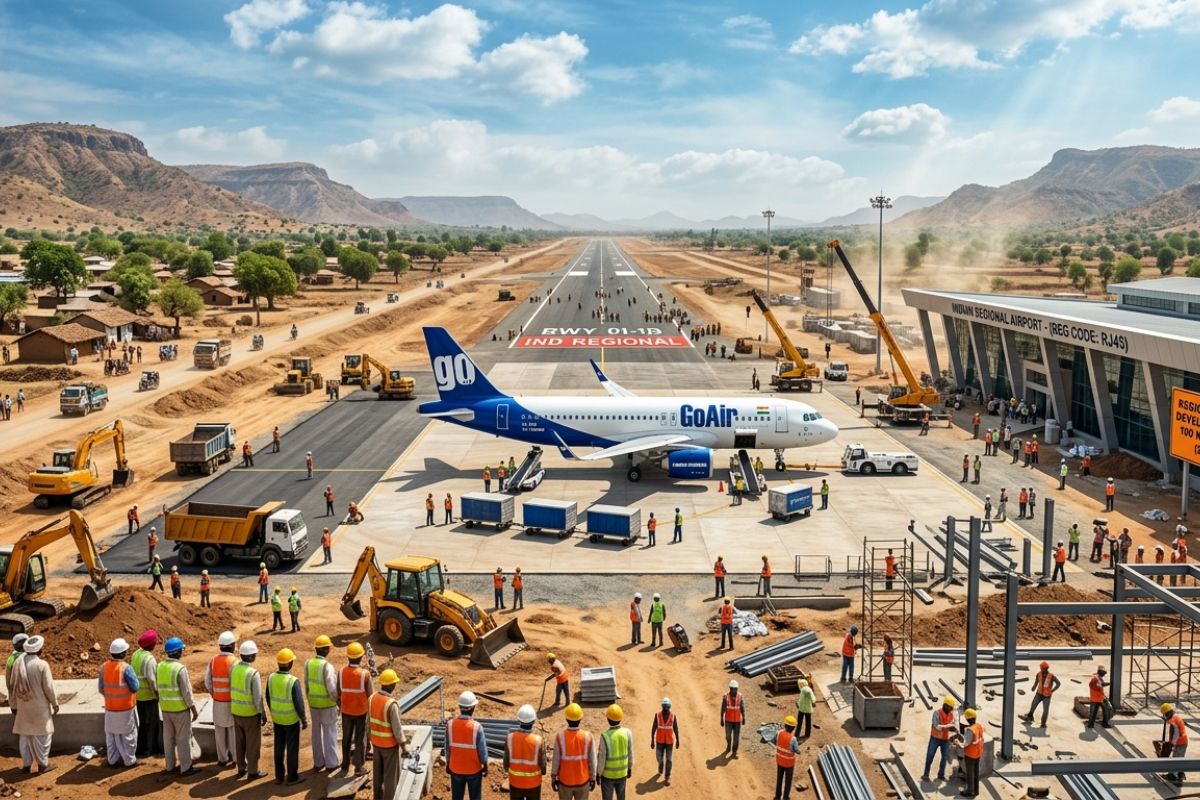
India announces a plan of $3.06 billion to bring aviation to forgotten regions: 100 new airports, $1.07 billion in subsidies, and regional routes guaranteed for 10 years, from 2026 to 2036, away from the centers.
-
Brazil blocked a proposal from the United States at the WTO that would make the exemption from tariffs on digital products like streaming and ebooks permanent, favoring American tech giants at the expense of developing countries.

-
IPTU exemption for seniors in 2026: see how to secure the benefit.

-
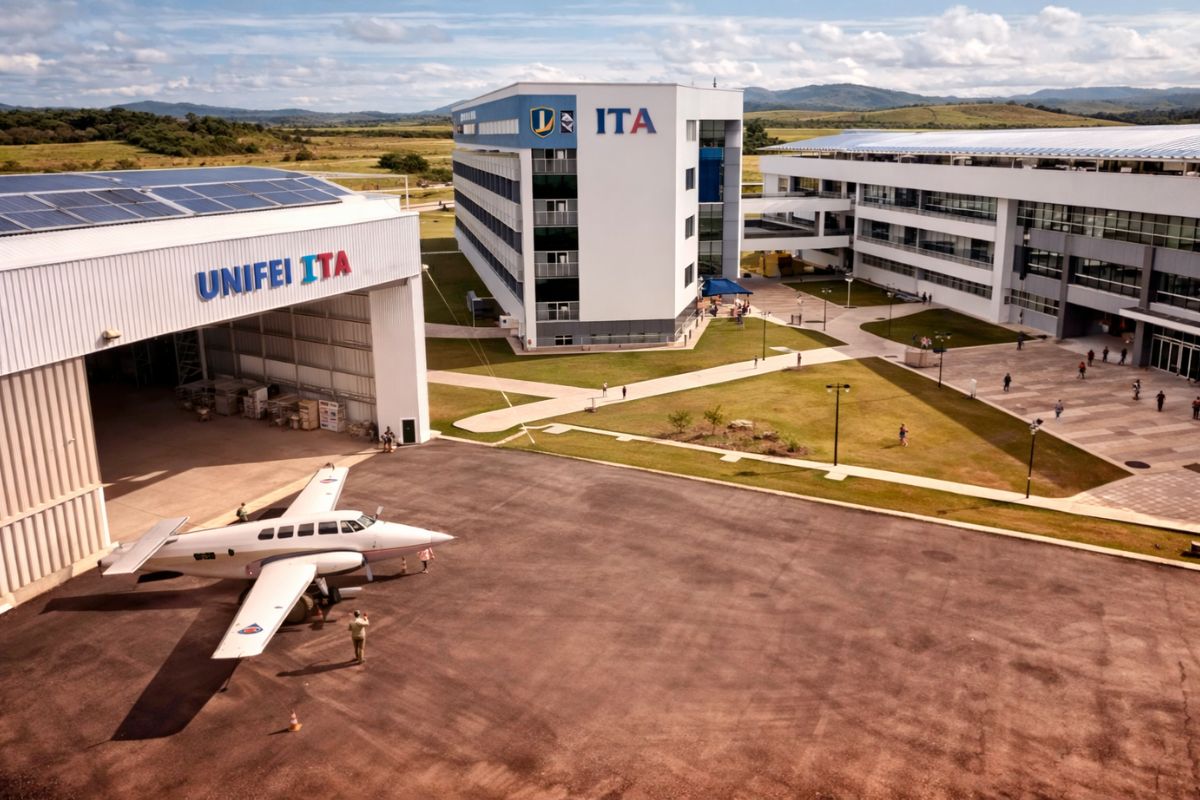
The institute that trained the greatest aerospace engineers in Brazil has just opened its first campus outside São Paulo after 75 years: ITA Ceará will have R$ 445 million, new courses in energy and systems, and classes are expected to start in 2027.

After months of discussions with the National Land Transport Agency (ANTT), Vale announced that it will allocate R$ 11 billion to modernize and enhance these railroads, a step that promises profound impacts on the sector.
What Is at Stake with Vale’s Investment?
Vale has formalized the agreement with ANTT, ensuring an immediate payment of R$ 4 billion, while the remainder of the amount will be gradually applied to improvements and modernization of the infrastructure.
These investments include upgrades to transportation systems, increased operational efficiency, and enhanced safety of operations.
According to the company, the changes are expected to generate an increase of approximately US$ 300 million in provisions, which aligns with market expectations.
Even though the immediate financial impact represents a challenge, the miner considers that the strategic investment will be crucial to maintaining its leadership position in the sector.
Benefits for Brazil
The impact of this agreement goes beyond Vale’s operations.
The modernization of the two railroads has the potential to reduce logistics costs, improve cargo transportation efficiency, and increase the competitiveness of Brazilian exports.
Brazil, traditionally dependent on highways, could benefit from a more balanced transportation matrix, with railroads playing a central role.
The Carajás Railroad and the Vitória a Minas Railroad are responsible for transporting a large part of the iron ore exported by Vale, in addition to meeting other demands from the agricultural and industrial sectors.
With modernization, these railroads could become models of efficiency and innovation in the national logistics landscape.
Economic Challenges and Global Impacts
Despite the optimism surrounding the agreement, Vale faces significant challenges in the global market.
The economic slowdown in China, the largest consumer of Brazilian iron ore, continues to pressure commodity prices.
This scenario creates additional tension for the company, which needs to balance long-term investments with short-term financial results.
Still, analysts believe that the decision to invest in the railroads demonstrates the ability of Vale’s new management to align strategic and institutional interests.
The renegotiation also reduces the risks of future conflicts with the government, strengthening the company’s position in future negotiations.
A New Era for Railway Infrastructure
Beyond the financial impact, Vale’s investment reflects a shift in how Brazil views its railroads.
The country, which for decades neglected this mode of transportation, may be ushering in a new era of logistical integration.
With increased cargo capacity, reduced costs, and more agile operations, modernization promises to benefit not only Vale but also other sectors that rely on efficient transportation infrastructure.
The coming years will be crucial to observe how these investments translate into concrete improvements for the national economy.
For Vale, the success of this endeavor could consolidate its position as one of the leading companies in the mining and logistics sector worldwide.
A Strategic and Necessary Step
Despite the initial financial impacts, the investment of R$ 11 billion in the railroads represents a strategic step for Vale and for Brazil.
The company not only fulfills its contractual obligations but also takes a leading role in developing national infrastructure.
With the modernized railroads Carajás and Vitória a Minas, the country could envision a future where rail transport is more competitive, sustainable, and integrated.
This move reinforces the importance of the private sector as a catalyst for structural changes in Brazil.
And you, do you believe that investments like this can transform Brazilian railway transportation? Share your opinion in the comments!









O PT só sabe começar obras super faturadas e não terminam a obras ,são uma **** com a quadrilha que está em Brasília , estão destruindo o país esses filhas da **** se Deus nos proteger esses **** vão voltar pra ****
Vale desonesta com RMBH
Vale **** Belo Horizonte e zona Metropolitana sistematicamente…
Vale ****!!!