





 English
  Francês
  Alemão
  Italiano
  Japonês
  Norueguês
  Portuguese
  Spanish
 5 min of reading



Graphene: Ford Strategically Invests in Factory in Brazil; Country Is the Third Largest Global Supplier of Graphite, Holding 27% of the World’s Reserves, Totaling 270 Million Tons!
After ceasing production and leaving Brazil, Ford is reversing course and investing in the country to fulfill its ambitious plan; graphene, the ‘magic powder’ abundant in Brazil, will enable the automaker to dominate the global market, revolutionize the automotive industry and electric battery production worldwide
In the world of the automotive industry, innovation is key to success. And in recent years, one material has attracted the attention of Ford and other car manufacturers: graphene. The American global giant is betting on this “magic powder” to revolutionize the production of electric cars and batteries. Check out how graphene, derived from graphite, is becoming an essential player in the automotive sector and why Ford is leading this revolution.
Check Out the Video Below and Learn More About the Automaker’s Ambitious Plan

Ford and Its Journey with Graphene: A Miraculous Material That Promises to Move Over US$ 1 Trillion in the Next Ten Years
Graphene, derived from graphite, is a truly remarkable material. Light as a feather but 200 times stronger than steel, it also has high thermal and electrical conductivity. A study led by the Federal University of Minas Gerais (UFMG) predicts that the graphene market will generate over US$ 1 trillion in the next decade. This material has already found its place in products such as cell phones, coatings, and even sports equipment. However, its potential is extraordinary in the automotive industry.
-
Engineers propose a fourth traffic light for intersections – the change promises to affect crossings, queues, and waiting times.

-
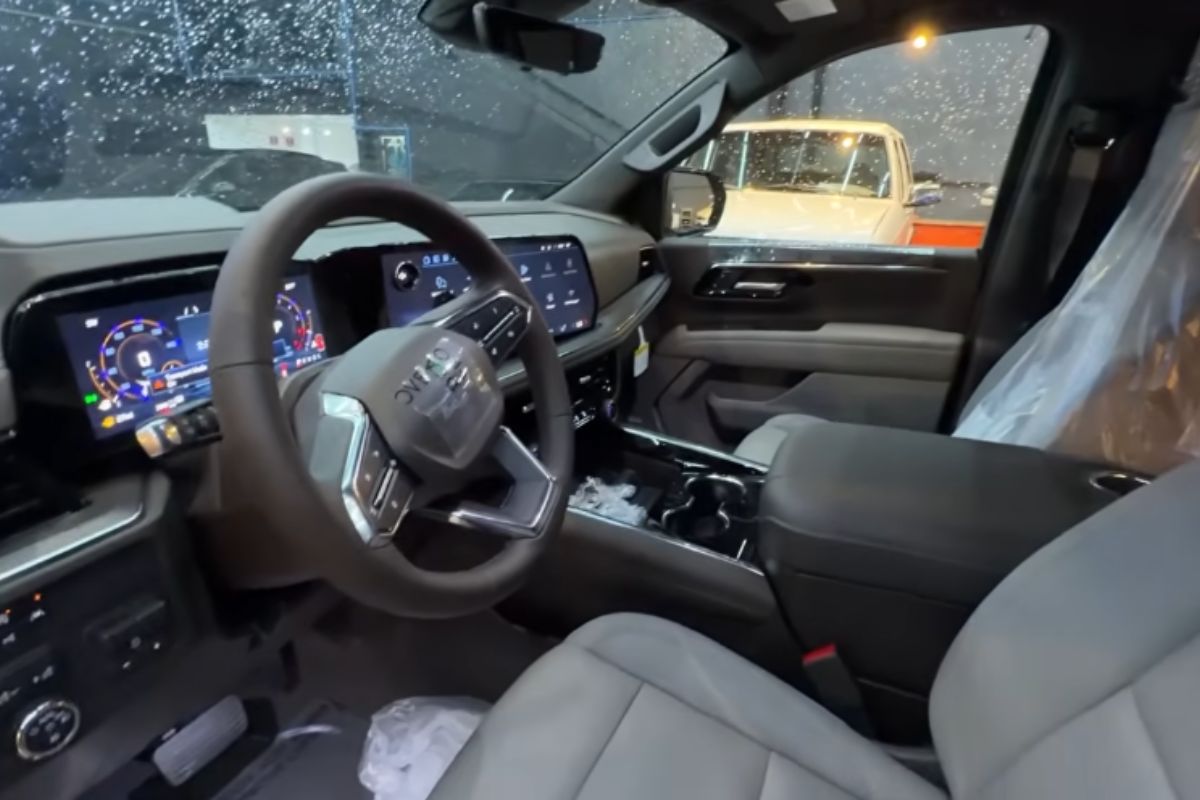
Chevrolet Suburban Z71 lands in Brazil with a V8 engine, off-road design, air suspension, seven seats, and colossal size, a rare version imported for around R$ 1.3 million with luxury and exclusivity.
-
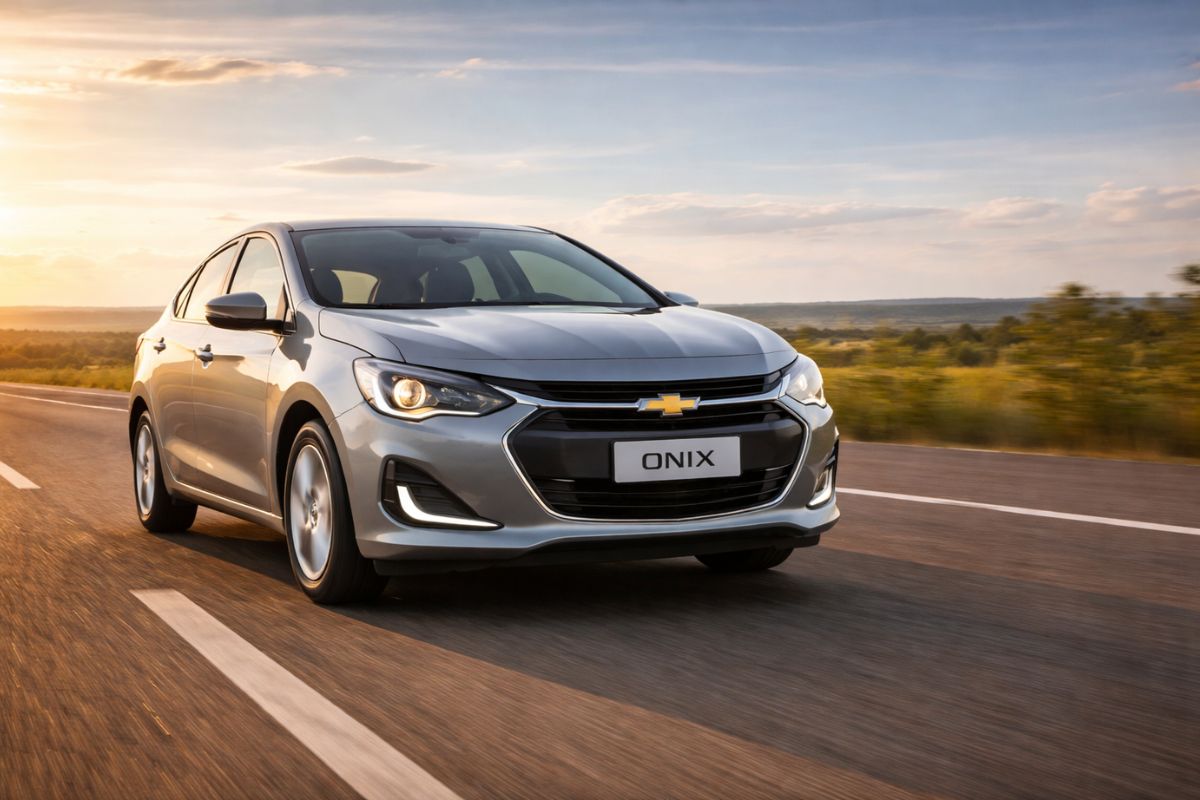
The Chevrolet Onix 1.0 turbo achieves 17.7 km per liter on the highway and ranks among the three most economical cars in Brazil in 2026, alongside two more expensive Toyota hybrids available at dealerships.
-
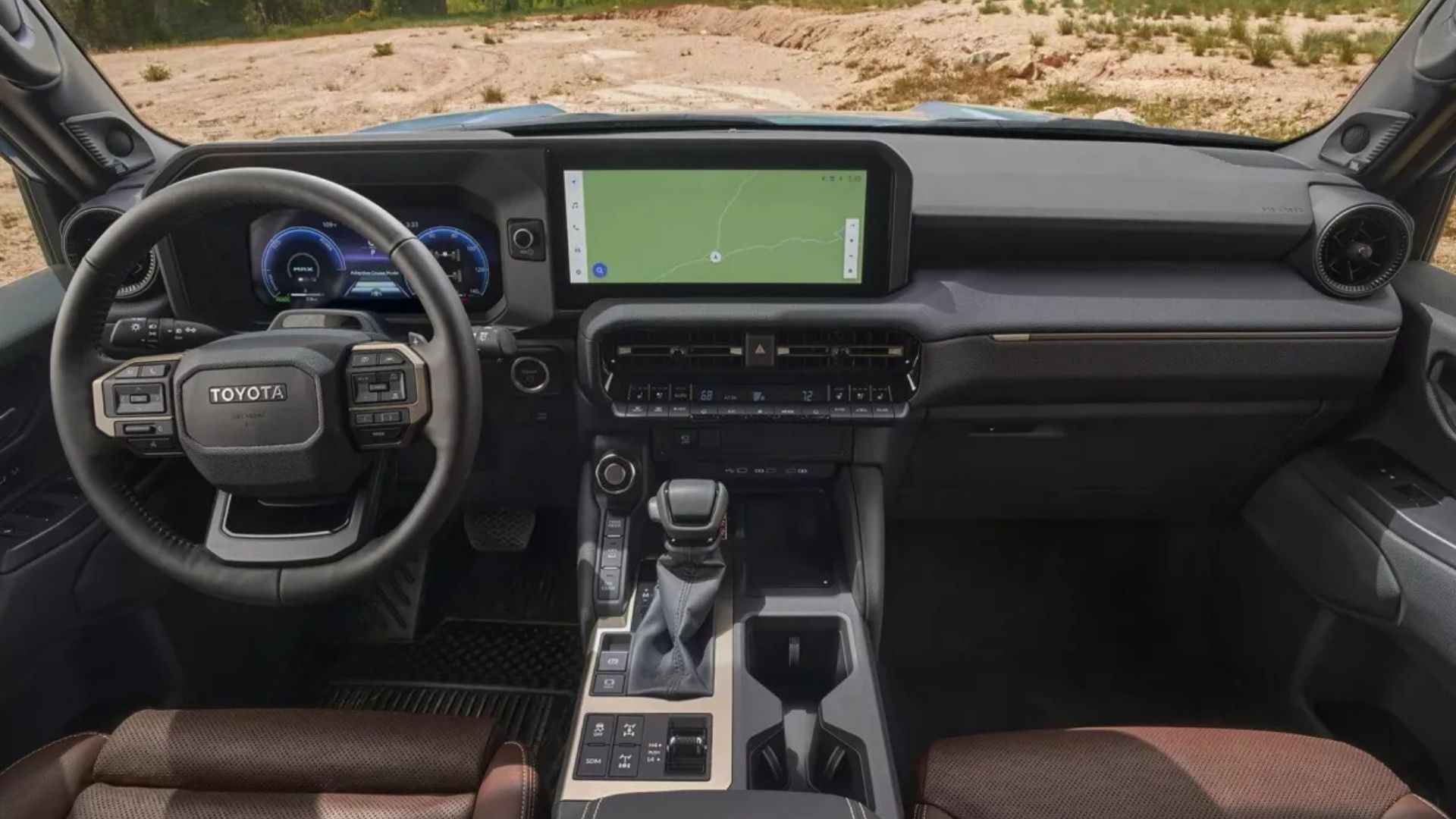
Little sister of the Hilux: Toyota launches Land Cruiser FJ with 4 radical versions, 2.7 engine with 166 hp and 4×4 traction with locking.

Last year, Ford established a research team dedicated to graphene in Brazil. Located at the Development and Technology Center in Camaçari (BA), these researchers collaborate with UCSGRAPHENE, the first Latin American innovation hub focused on graphene production, affiliated with the University of Caxias do Sul (RS). With research and development director Alex Machado leading the way, Ford is embarking on a discovery journey to understand and apply graphene in its products.
Alex Machado, Ford’s research and development director, highlights the ongoing transformation in the automotive industry: “Five years ago, a car needed to be comfortable, durable, and aesthetically pleasing. Today, we deal with data, software, electrification, and reducing environmental impacts.” It is in this landscape that graphene emerges as a new frontier in innovation, especially when considering its potential impact on future electric cars.
Smart Choice: American Automaker Bets on Brazilian Soil for Its Ambitious Plan
In the first quarter of 2023, Ford reported a global profit of US$ 3.4 billion, exceeding analysts’ expectations. However, the entire year presents challenges, including ongoing losses in the electric vehicle unit. The automaker forecasts annual profits between US$ 9 billion and US$ 11 billion, including an expected loss of US$ 3 billion in the Model electric vehicle unit.
Ford Brazil bases its business model on exporting technology and automotive intelligence to international markets. Surprisingly, 85% of the general projects developed by the Brazilian engineering team are intended for other markets, with a special focus on the United States. In 2022, the company expanded its Development and Technology Center in Camaçari, Bahia, and created a research team focused on graphene, which is already involved in more than 10 projects related to the application of this innovative material in mobility. The American automaker reports a revenue of approximately R$ 500 million last year with the center.
Ford’s choice to explore graphene in Brazil makes perfect sense as our country occupies a privileged position. According to the United States Geological Survey (USGS), the country is the second largest producer of graphene in the world, surpassed only by China. Furthermore, studies from the Geological Survey of Brazil (SGB-CPRM) indicate that the country is the third largest global supplier of graphite, holding 27% of the world’s reserves, totaling 270 million tons. The largest reserves are located in Minas Gerais, Bahia, and Ceará.
The Magic of Graphene: The Magic Powder That Has Already Transformed Over 5 Million Ford Vehicles and Promises to Revolutionize the Automotive Industry and the Future of the Automaker’s Electric Car Batteries
Of the 1,500 professionals working at the Brazilian Development and Technology Center, 20 are immersed in graphene studies, applying nanotechnology to change the game. The ability of graphene to alter the molecular characteristics of other materials is fascinating. Imagine adding a few grams of this magic powder to a ton of steel. The steel molecules become stiffer, allowing the creation of lighter and stronger parts. This is the “magic” of graphene, as described by Machado, Ford’s director. The automaker has already applied this magic to over 5 million vehicles worldwide, improving thermal resistance and reducing noise in parts such as mounts, engine covers, and much more.
However, Ford’s true goal is to use graphene to transform electric car batteries. Currently, batteries account for up to 40% of the total weight of an electric vehicle. If graphene can make these batteries lighter, the impact will be monumental, potentially reducing weight by up to 20%. This change would not only improve the efficiency of electric cars but also increase their range, making them more attractive to consumers and contributing to more sustainable mobility.
Challenges on the Path to Innovation
You may be wondering why graphene is not yet being widely used. The answer is complex. First, the production costs of graphene are still high. Current methods, such as chemical vapor deposition and grinding graphene into graphene oxide, are expensive and polluting. According to the National Department of Mineral Production (DNPM), a sheet of graphene measuring 12.9 cm² costs up to US$ 275, approximately R$ 1,350.
Another challenge lies in integrating graphene into existing manufacturing processes. Altering the molecular properties of materials can make them stiffer, which may complicate manufacturing. Therefore, there is a long way to go before graphene becomes a viable solution for various applications.








Seja o primeiro a reagir!