





 Portuguese
  English
  Spanish
  3 min of reading


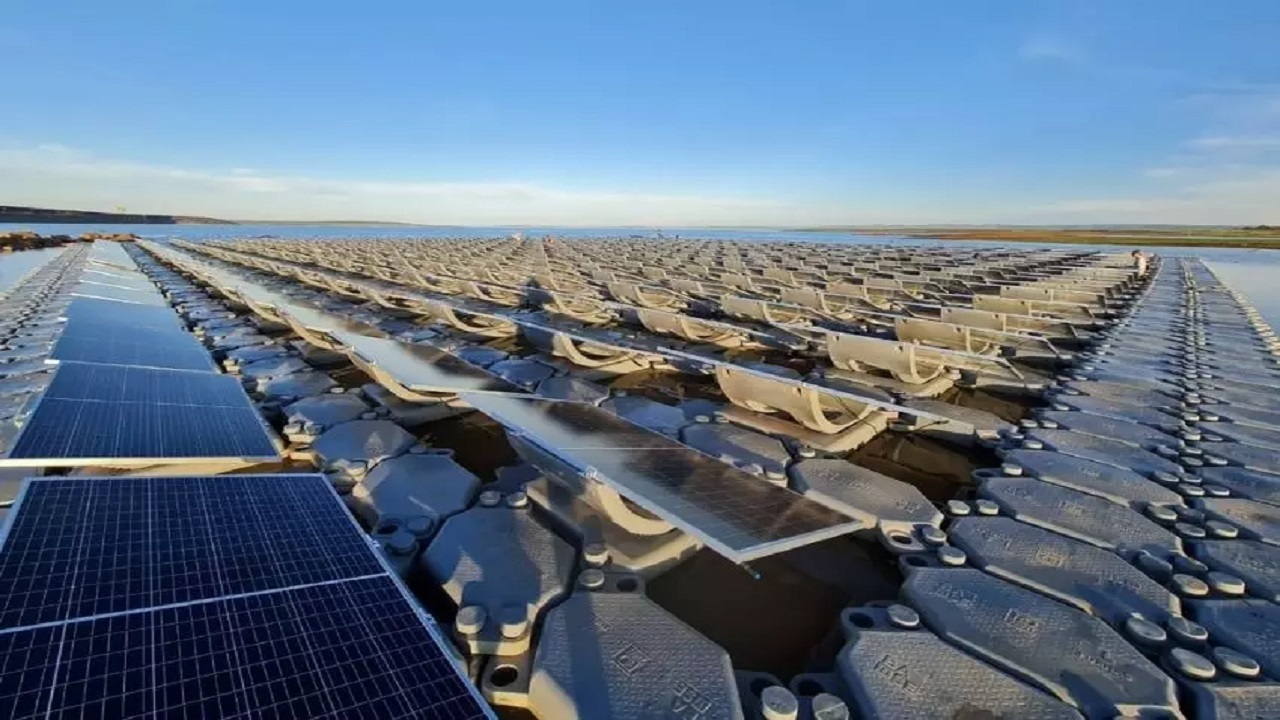
It Is Estimated That The Combination Of Fixed And Floating Solar Plants With Green Hydrogen Production, After An Investment Of R$ 44 Million In The FURNAS Plant, Could Generate About 1 MW
The big news at the moment is that Brazil is moving toward the hydrogen era. After the FURNAS plant made an investment of about R$ 44 million in a new green hydrogen (H2) production project, it can be said that very soon Brazil could become a reference producer in the market.
Read Also
Details About The FURNAS Plant Project
The research and development project developed by the FURNAS plant basically consists of combining fixed and floating solar generation with green hydrogen (H2) production. It is estimated that the solar plant could generate around 1 MW and is expected to be completed by November this year. The Itumbiara unit became responsible for housing the project due to having the best photovoltaic solar generation indices compared to other FURNAS units.
This large enterprise will be developed in two sets of photovoltaic panels, one fixed on the ground and the other floating, which will be situated over the water of the plant’s reservoir. All the energy generated by the photovoltaic system will go to an electrolyzer, which, through a physicochemical process with water, will start producing hydrogen.
-
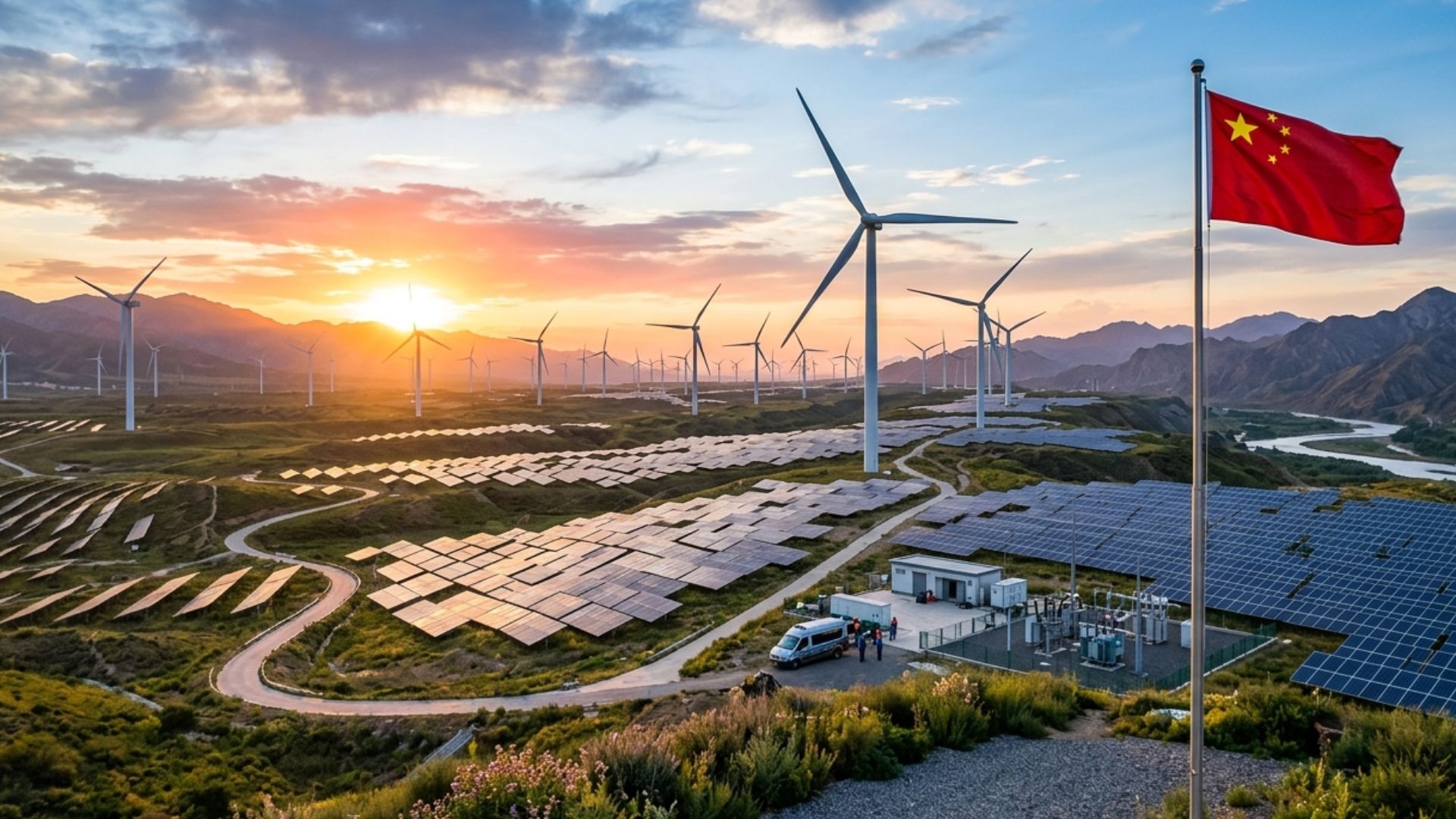
Renewable energy advances globally with Asia taking the lead; Irena’s analysis indicates a strategic progress that drives the energy transition and reduces generation costs.
-
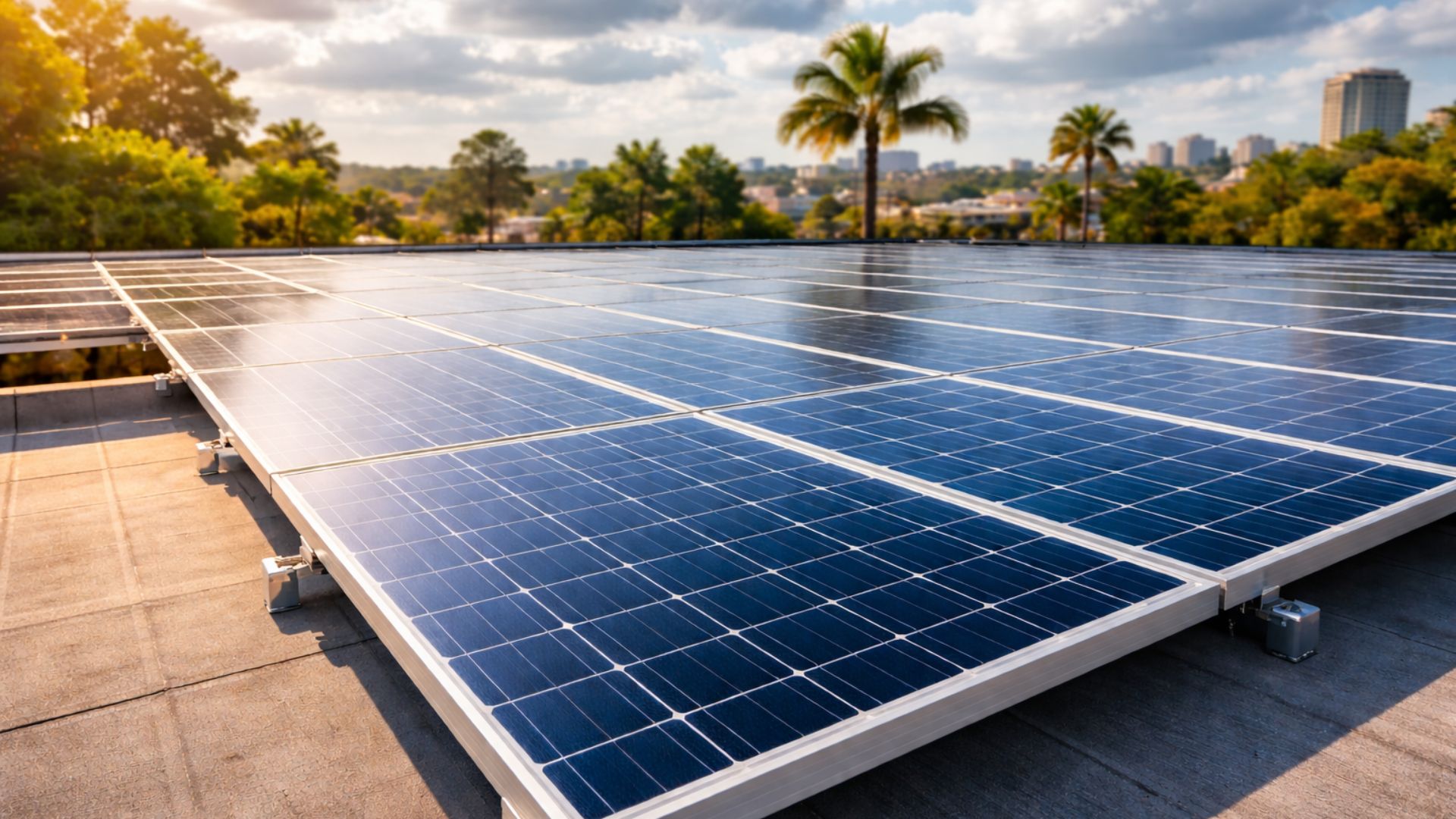
Globo broadcaster achieves 100% renewable energy and advances climate goal, strengthening environmental commitment, reducing emissions, and influencing large companies to adopt more sustainable and competitive strategies.
-
New mapping reveals the Brazilian states with the greatest potential for the production and use of green hydrogen in Brazil to lead the global market.
-
Historical drought and lack of snow in the Norwegian Alps threaten the largest clean energy reserve in Europe and could drive up electricity prices.
The next step is the conversion of hydrogen to its gaseous form, and then it will be stored in a special tank. All the green hydrogen (H2) stored will be used for energy production. However, the main focus of this research project at the moment will be to evaluate the quality and efficiency of using this type of energy storage in Brazil’s electrical system.
Investment In Renewable Sector Promises To Unlock Job Opportunities
The FURNAS plant’s research project is named “Development of Synergy Between Hydroelectric and Solar Sources with Storage of Seasonal and Intermittent Energies in Hydrogen and Electrochemical Systems.”
This project is being carried out through a partnership between the FURNAS plant and Base Energia Sustentável, São Paulo State University (Unesp), University of Campinas (Unicamp), National Service for Industrial Training (Senai), Brandenburg University (Germany), and PV Solar.
Learn More About How The Project Works
About 10 inverters from the European company SMA are being used. Eight of these inverters are fixed in place in an 800 kWp plant. The other two are in the floating plant, which is located near the dam. Additionally, the German company also provided a project monitoring strategy and some equipment.
The final goal of the project is to quickly and concisely obtain answers to the increased load in Brazil’s electrical system, with energy storage in green hydrogen (H2), and enhance the reliability, quality, and efficiency of the energy generation system. It is worth noting that the production will not be commercialized, as its destination is to the Auxiliary Services System of the unit.







Seja o primeiro a reagir!