Portuguese
  Spanish


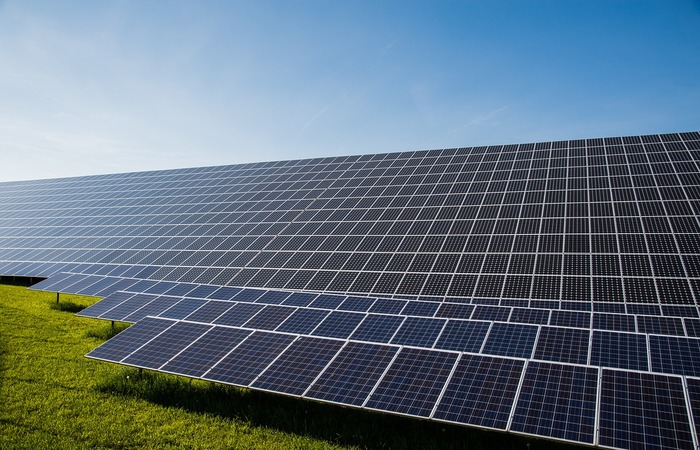

Furnas Announced This Monday, July 1, The Construction Of Its First Solar Plants For Electric Supply.
There Will Be Three Photovoltaic Plants With A Nominal Capacity Of 1MW Each, To Be Built In Areas Near The UHE Anta, On The Paraíba Do Sul River, The Border Between Minas Gerais And Rio De Janeiro, For Furnas’ Own Consumption. The Company Informs That The Objective Of The Project Is To Reduce Annual Electricity Expenses By Approximately 40% At The Company’s Head Office, In The Botafogo Neighborhood, South Zone Of Rio De Janeiro, Where The Highest Energy Consumption Among All The Company’s Operations Is Concentrated.
The Solar Power Plants Will Cost An Investment Of R$ 11.160 Million For The Company, And The Start Of Commercial Generation Is Expected In The First Quarter Of 2020.
-
Over 2,000 Tons of Discarded Fishing Nets Since 2020 Repurposed into Durable Caps, Fins, and Parts

-
Seals and Sea Lions Lose Habitat and Food as Climate Change Advances, Impacting Ice, Prey, and Coastal Communities

-
Brazilian Innovator Uses 3D-Printed Device to Cool Two Rooms with One Air Conditioner
-
China Uses 432 Robots to Move a 7,500-Ton Historic Building in Shanghai, Preserving Architecture While Creating Space for Underground Center


According To Rodrigo Calixto, Superintendent Of Generation Ventures At Furnas, The Company’s Plan Is Quite Bold; The Aim Is To Expand The Solar Power Generation Project To Serve Other Areas Of Furnas. “We Already Have A Project For A Second Plant In The Interior Of Rio De Janeiro, In An Area Of Operation Of Enel. Then The Idea Is To Expand Photovoltaic Generation To Minas Gerais, São Paulo, And Other Areas Where We Operate. We Want To Eliminate The Electricity Bill At Furnas Units,” The Executive Explains.
Although Furnas’ Operational Area Is Large, The Executive Guarantees That There Is Cash Available To Bring The Projects To Life. This Is Because, According To Him, The Investment In Each Photovoltaic Unit Is Not So High.
The Executive Explains The Reason For Furnas Deciding Now To Approach Photovoltaic Generation. According To Him, This Was A Way To Gain Experience In A Domain Where The Company Has Not Yet Operated. “Historically, We Operated With Hydroelectric Plants And Have Had Experience With Wind Power. Now, The Future Indicates That A Large Part Of The Expansion In The Electricity Sector Will Be Through Solar Energy. Ten-Year Plans Indicate This Trend, And Auctions Have Recorded A Large Number Of Registered Photovoltaic Projects,” He Informs.
However, The Executive Points Out That Photovoltaic Energy Is Not At The Core Of The Business, But Positions Itself As A Complementary Source.
Responsible Consortium
The Work Of This First Project Will Be Executed By The Kyo-Green Consortium, Which Includes Kyoservice And Solergy. The Bid Was Won With A Discount Of About 20% In Relation To The Budgeted Amount. This Project Was The First Competition Of Furnas According To The Integrated Contracting Model Provided For In Law No. 13.303/2016.
According To The Text, The Winning Consortium Will Be Responsible For The Complete Execution, From The Basic Project Phase To The Completion Of The Work And Start Of Commercial Operation.
Furnas Is A Mixed Federal Economy Company With Private Capital And Its Control Is In The Hands Of Eletrobras. Its Operations Are Divided Among Generation, Transmission, And Commercialization Of Electric Energy. Today, The Company Operates In 16 States And The Federal District. Its System Consists Of 21 Hydroelectric Plants And Two Thermoelectric Plants — Both Owned And In Partnership With Other Companies. Altogether, Its Operation Accounts For About 29 Thousand Kilometers Of Transmission Lines And 75 Substations