





 Portuguese
  English
  Spanish
 5 min of reading
  7 comments


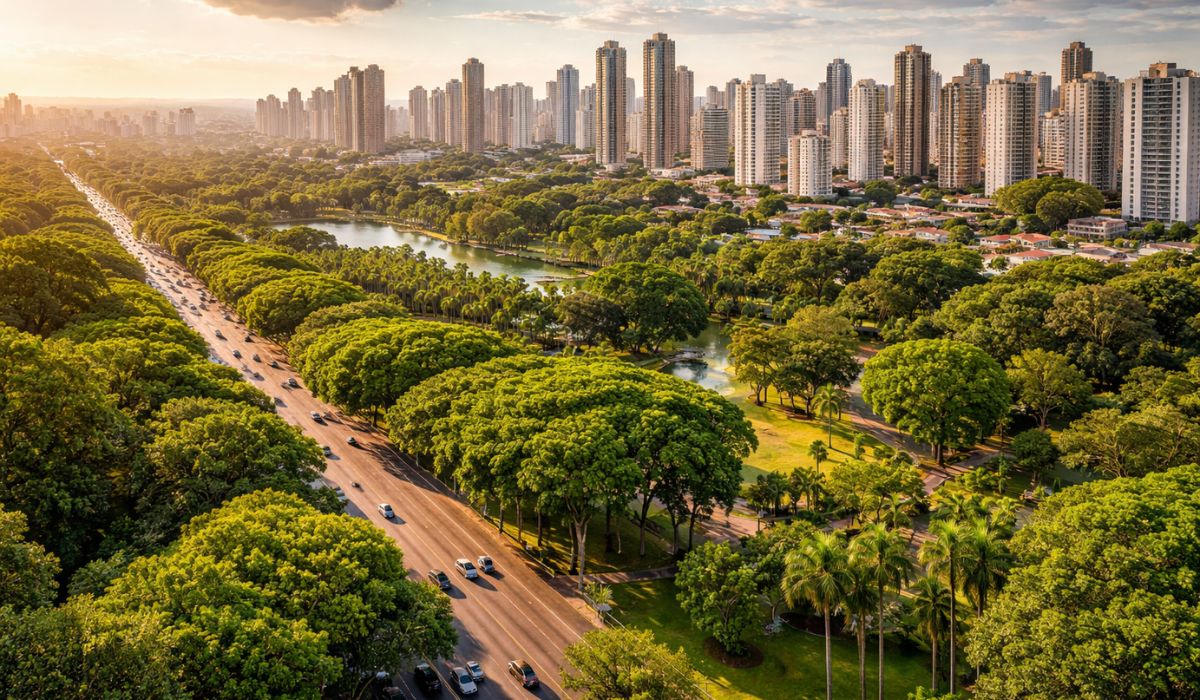


International Recognition Placed Goiânia in Global Network of Tree Cities After Continuous Investments in Green Areas, While Academic Studies and Official Data Began to Indicate Measurable Impacts on Urban Microclimate and Environmental Planning of the Capital.
Goiânia has become one of the Brazilian capitals that invest the most in urban greening as a strategy to face episodes of intense heat.
The capital of Goiás received international recognition as a “Tree City of the World,” granted by the program Tree Cities of the World, coordinated by the Food and Agriculture Organization of the United Nations in partnership with the Arbor Day Foundation, after meeting technical criteria related to the management and expansion of urban green areas.
The international certification includes requirements such as specific legislation for tree management, inventory of the tree heritage, dedicated budget, and permanent environmental education actions.
-
Foresea achieves 100% offshore waste reuse in 2025, eliminates landfill disposal, and consolidates sustainable strategy with 1,500 tons recycled.
-
With earth, bamboo, straw, and lime mortar, a specialist builds a house for just over $460 and draws attention for its cost being much lower than traditional construction.
-
Rodrigo de Freitas Lagoon advances in environmental recovery with sanitation, elimination of irregular sewage, and the resumption of water sports in Rio de Janeiro.
-
Sustainable housing gains strength with a nationally awarded project in Campo Grande, highlighting innovative solutions that combine sustainability, urban integration, and efficiency in the use of natural resources.
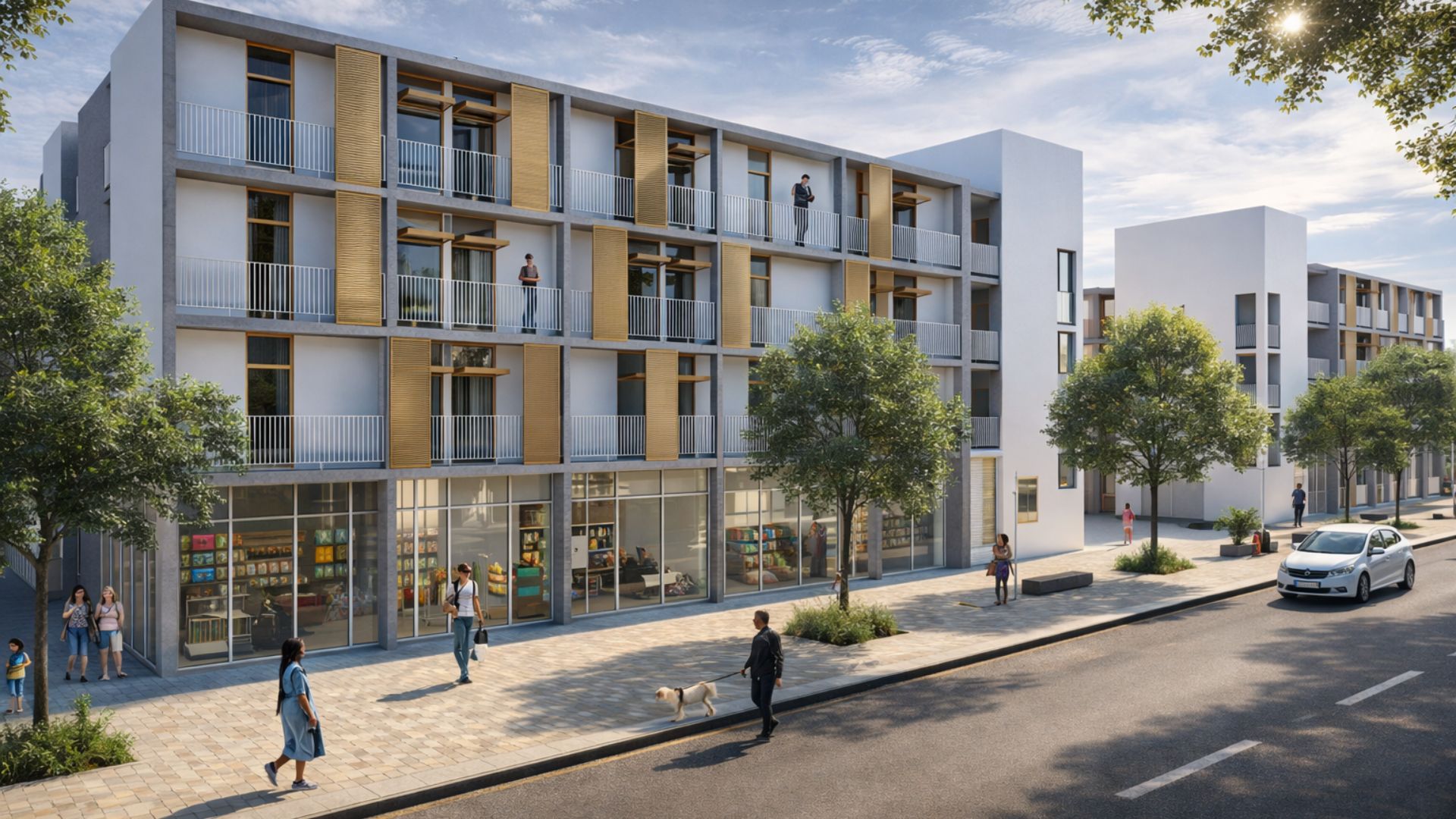

With the title, Goiânia became part of a global network of municipalities that adopt public policies aimed at the preservation and enhancement of urban forests, alongside cities from different continents.
The recognition reflects a process of greening that has intensified over the past few years.
Data released by the municipal administration indicate that the city surpassed the mark of 1 million trees distributed across streets, squares, parks, and woods.
The strategy prioritized areas of high traffic and regions with lower vegetation cover, aiming to reduce the effects of urban heat islands.
During the hottest months of the year, especially between December and March, much of Brazilian territory records high temperatures.
In urban centers, the combination of asphalt, concrete, and low presence of green areas tends to intensify the thermal sensation.
In this context, the local government of Goiânia began to treat greening as part of urban infrastructure, incorporating tree planting into the city planning.
Urban Greening and Combatting Heat Islands
Research in urban climatology indicates that the presence of trees directly influences the microclimate of cities by providing shade and promoting evapotranspiration.
According to environmental specialists, these factors contribute to reducing air and soil temperatures in urbanized areas, as well as improving the thermal comfort of the population.
In Goiânia, studies conducted by researchers from the Federal University of Goiás indicate an average reduction of up to 2.3 °C in areas with greater vegetation cover.
The survey was cited by municipal authorities as one of the indicators of the impacts of greening on urban climate, especially in neighborhoods with higher concentrations of mature trees.
The capital currently has about 32 parks and woods distributed throughout the urban territory.

These spaces concentrate a significant portion of the planted trees and serve as areas of natural cooling, according to environmental technicians.
In addition to the thermal effect, these locations are also highlighted as crucial for improving air quality and for stormwater runoff.
Another focus of the greening program involves the production of seedlings in municipal nurseries.
The species cultivated are mostly native to the Cerrado or adapted to the hot and dry climate of the region.
The choice, according to forestry engineers working in the municipality, aims to increase the survival rate of trees and reduce long-term maintenance costs.
UN Recognition and Environmental Indicators of Goiânia
The inclusion of Goiânia in the Tree Cities of the World occurs after an annual evaluation of the criteria established by the international organization.
The seal does not establish a ranking among cities but recognizes those that maintain continuous policies for the management and expansion of urban forests.
Surveys mentioned in reports and official data indicate that Goiânia has a high index of green area per inhabitant.
According to figures attributed to studies by the Brazilian Institute of Geography and Statistics, the capital of Goiás has about 94 square meters of green area per person, a figure above those frequently adopted in international studies of urbanism and the environment.

Experts interviewed by national media evaluate that such indices tend to reflect long-term investments, as the growth and consolidation of trees in urban environments require continuous planning.
Still, researchers emphasize that the distribution of greening within the city is as relevant as the total number of trees, as peripheral neighborhoods often have lower vegetation cover.
Public Policies, National Debates, and Greening Challenges
The experience of Goiânia has been cited in discussions about urban environmental policies in Brazil.
Federal and state initiatives aimed at tackling extreme heat and adapting cities to climate change have included the expansion of green areas among the topics discussed in technical and institutional forums.
However, it has not been possible to confirm, in official sources, the existence of a National Urban Greening Plan with specific targets for increasing vegetation cover in the percentages mentioned in previous versions of the text.
The topic remains under discussion in different government instances, but without consolidated data that would allow for definitive timeframes and figures.
Environmental researchers highlight that the main challenge for greening cities lies in the maintenance of already planted trees.
Proper pruning, pest monitoring, replacement of lost seedlings, and inventory updates are cited as determining factors for the continuity of the observed environmental benefits.
Moreover, technicians argue that public engagement is essential for the preservation of green areas.
In Goiânia, awareness campaigns and seedling distribution have been utilized as tools to increase social participation in environmental policies.



Y miéntras siguen desforestando la selva amazónica, si siguen así no va a quedar un arbol, pero van a tener sombra en la ciudades
Importante esse tema sobre a divulgação cada vez mais intensa sobre o plantio de árvores! A boa administração com acompanhamento técnico é necessário pra ser ter resultados mais favoráveis em relação às árvores.
Enquanto isso aqui na minha cidade o prefeito **** vem cortando todas as árvores da cidade, aí quando chega na época do calor o dia fica insuportável e o nariz chega a sangrar, fora o monte de buracos na cidade que ao invés de arrumar fica tapando, na primeira chuva volta tudo de novo.