





 Portuguese
  English
  Spanish
  3 min of reading


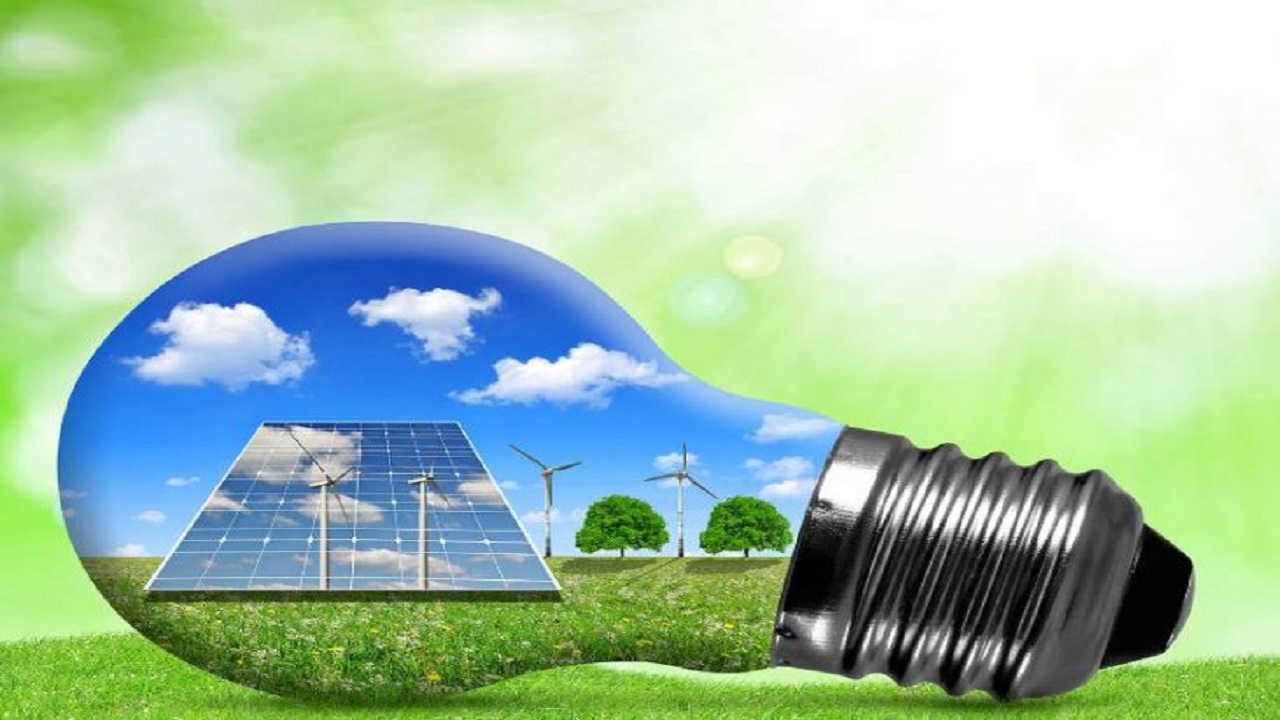
Brazilian Companies Seek to Reduce Their Climatic Dependence and Begin to Invest More in Renewable Energies Such as Solar Energy, Wind Energy, and Biomass, Which Have Shown Exponential Growth in Recent Years
About 20 years ago, companies and individuals were forced to reduce their electricity consumption because the country was unprepared for a water crisis. This year, Brazil once again faced the risk of energy rationing due to its continued dependence on the climate. In an effort to contain the drought, the Federal Government activated thermoelectric plants, which generate more expensive and polluting energy. At a time when countries are discussing ways to create a low-carbon economy, the question is how Brazil could increase its dependence on renewable and reliable energies such as wind and solar power to avoid a water crisis.
Read Also
Only 65% of Produced Energy Comes from Hydropower Sources
Brazil has climatic conditions that would allow for greater use of wind and solar energy sources. However, an energy system was built based on sources that depend on the climate, such as hydropower.
-
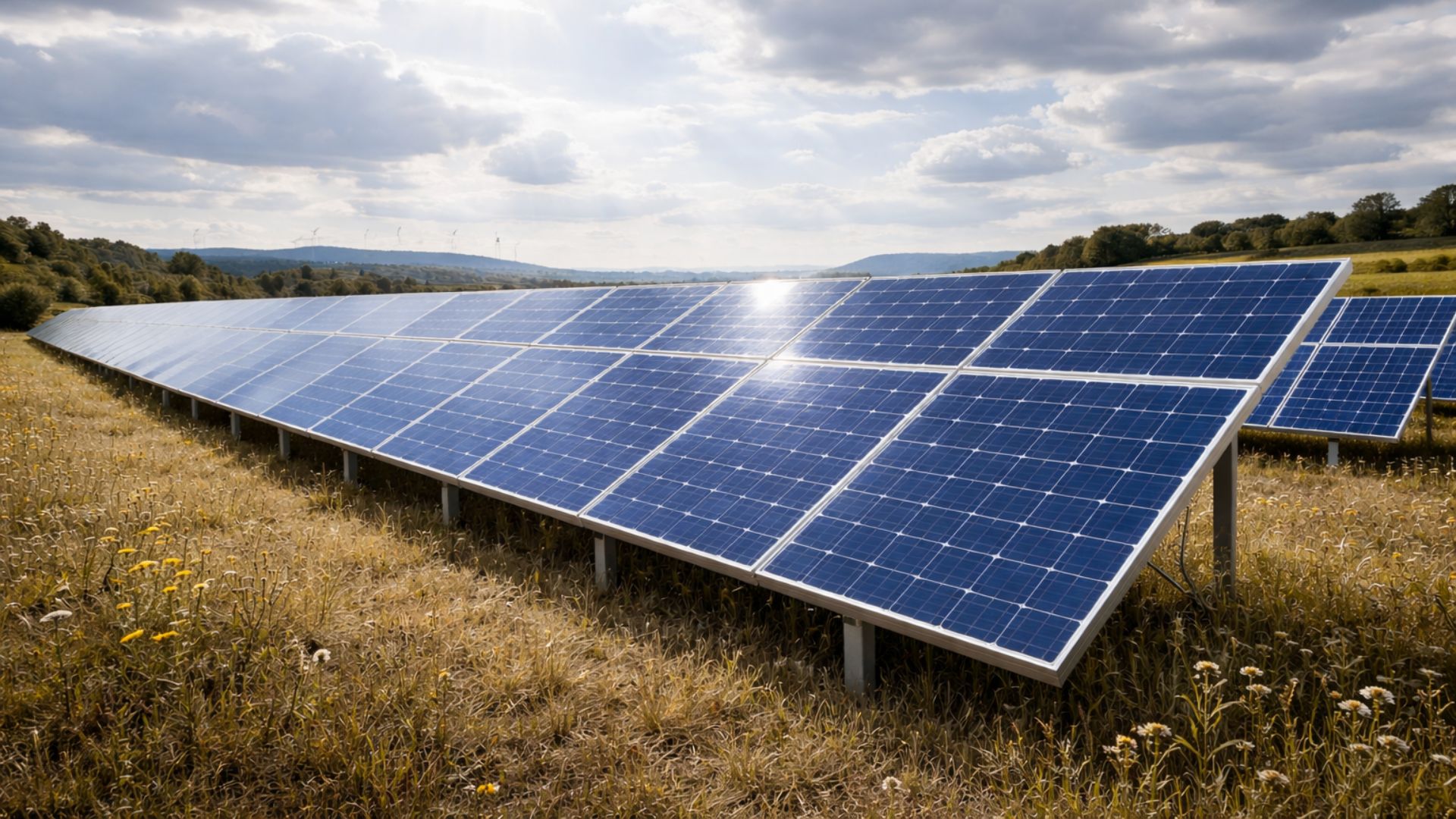
Jacareí advances with a photovoltaic plant and bets on sustainability to transform public management with clean solar energy, reducing operational costs and strengthening energy efficiency in essential services.
-
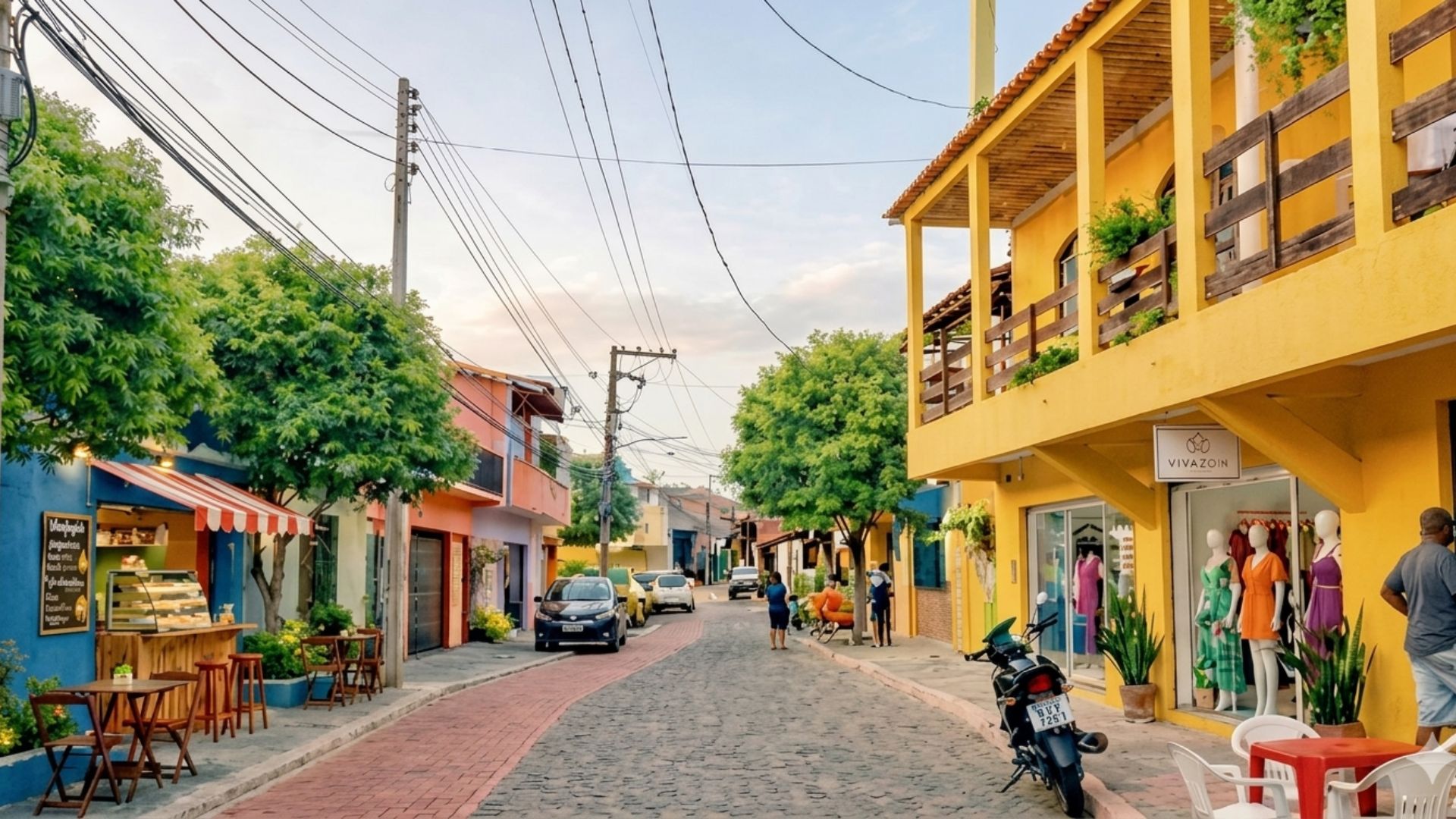
Maricá transforms Risca-Faca into Leonel Brizola Neighborhood with solar energy and promises to reduce costs for families while promoting dignity, urbanization, and social development in a historically vulnerable community.
-
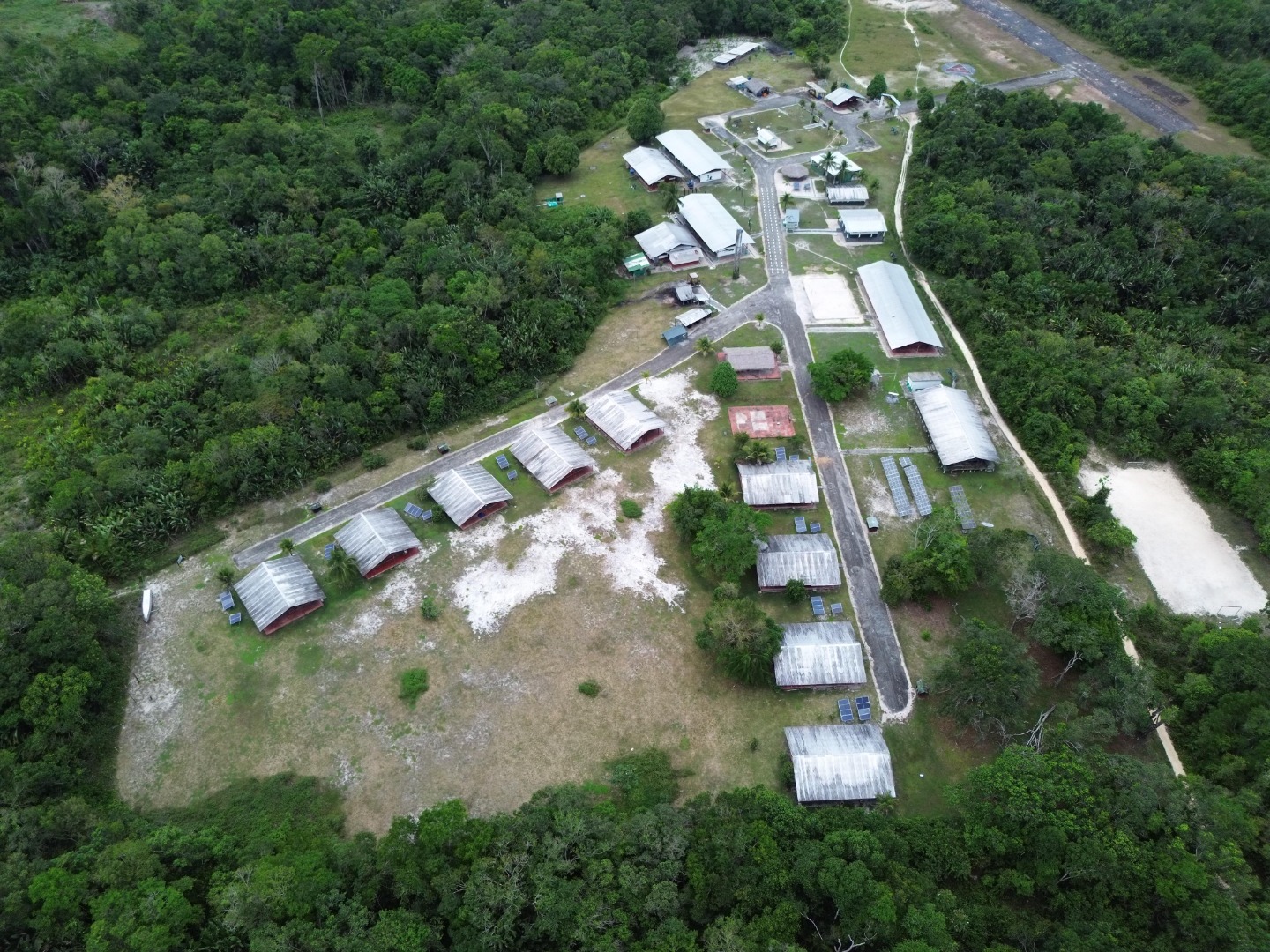
The Ministry of Defense installs a giant photovoltaic plant and ensures a stable supply of clean energy in Maturacá, in the Amazon.
-
Itaipu receives proposals in the renewable energy tender and reinforces the role of public universities in the energy transition with projects that can reduce costs, increase academic investments, and accelerate sustainable innovation in the country.
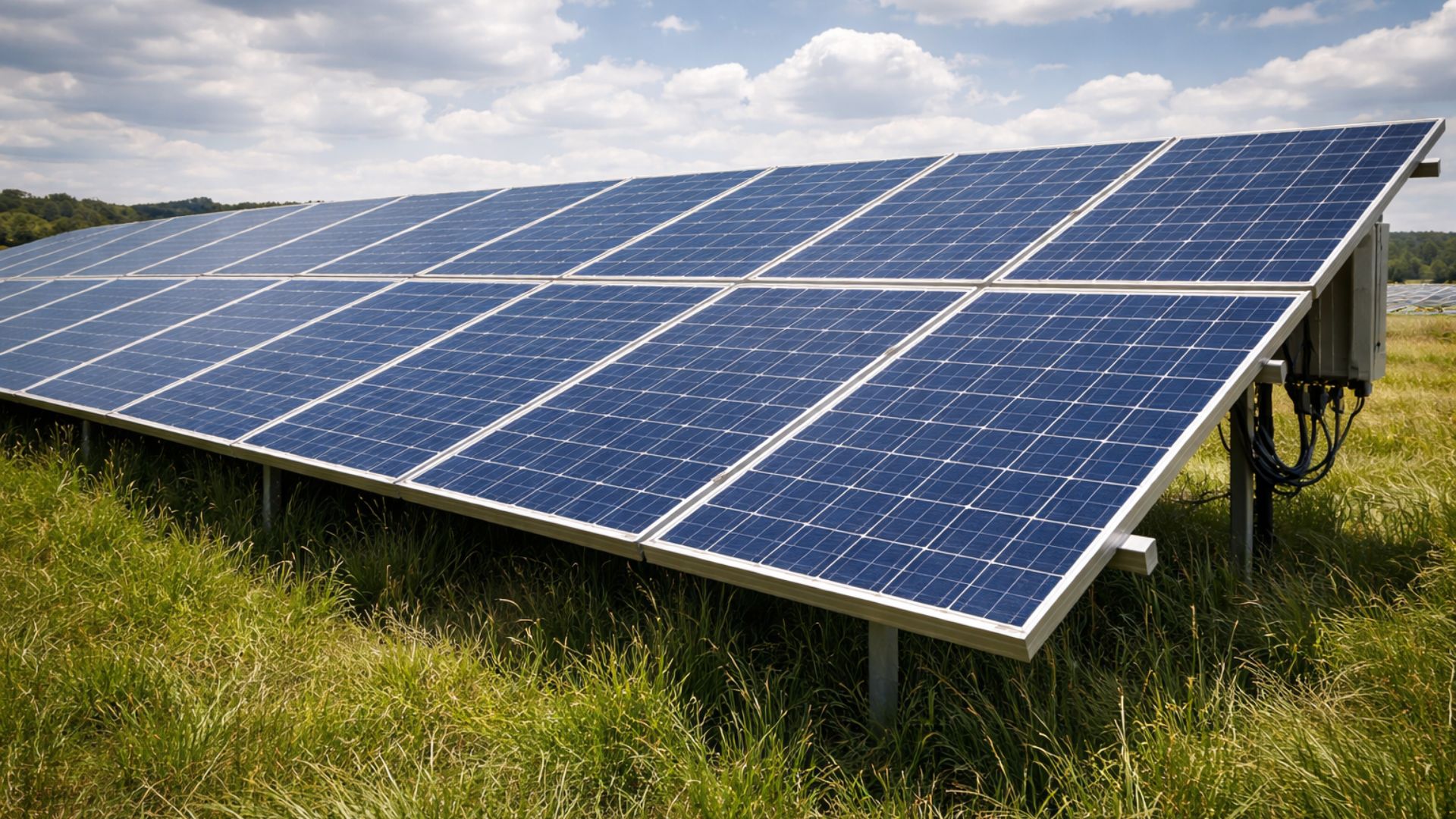
In recent years, several factors such as increased water usage and climate changes have led to reduced water availability for hydropower plants, causing greater risks of water crises. As the dependence on activating thermoelectric plants increases, energy prices have naturally risen. Twenty years ago, about 80% of electricity came from hydropower, and since then, investments have caused this percentage to drop to 65% with the use of renewable energies such as solar, wind, and biomass.
The installed capacity of wind energy grew from a mere 22 MW to nearly 18,000 MW between 2005 and 2020, according to information from the Brazilian Wind Energy Association (Abeeólica). In terms of solar energy, which is more recent, investments began in 2017. Data from the Brazilian Photovoltaic Solar Energy Association (Absolar) indicates that installed capacity has grown about tenfold over the past five years, reaching nearly 11,000 MW this year.
Brazil Could Enter the Top Five Solar Energy Markets in the Coming Years
According to the founder of the Brazilian Infrastructure Center, Adriano Pires, there has been improvement, but the national energy matrix still depends heavily on the climate. The country needs a matrix more focused on renewable energies.
According to the president of STI Norland, Javier Reclusa, the company experienced an average growth of 250% per year. According to the executive, Brazil has enormous potential and can increase its share of solar energy in its renewable energy matrix from 3% to 40% in the coming years, potentially reaching among the five largest solar energy markets in the coming years.
Companies Investing in Wind Energy
Currently, several companies use wind energy in their production lines. This is the case with Honda, which inaugurated a 27 MW wind energy park in Rio Grande do Sul.
In total, the company invested approximately R$ 128 million to meet energy demands at its factories in Itirapina and Sumaré, in the interior of São Paulo. According to the chief economist of MB Associados, Sérgio Vale, the water crisis of 2001 caught Brazil at a better economic moment than today, as we are coming out of two recessions with higher unemployment and inflation. Thus, the water crisis is one of the elements raising concerns for the coming year.







Seja o primeiro a reagir!