





 Portuguese
  English
  Spanish
  3 min of reading
  0 comments


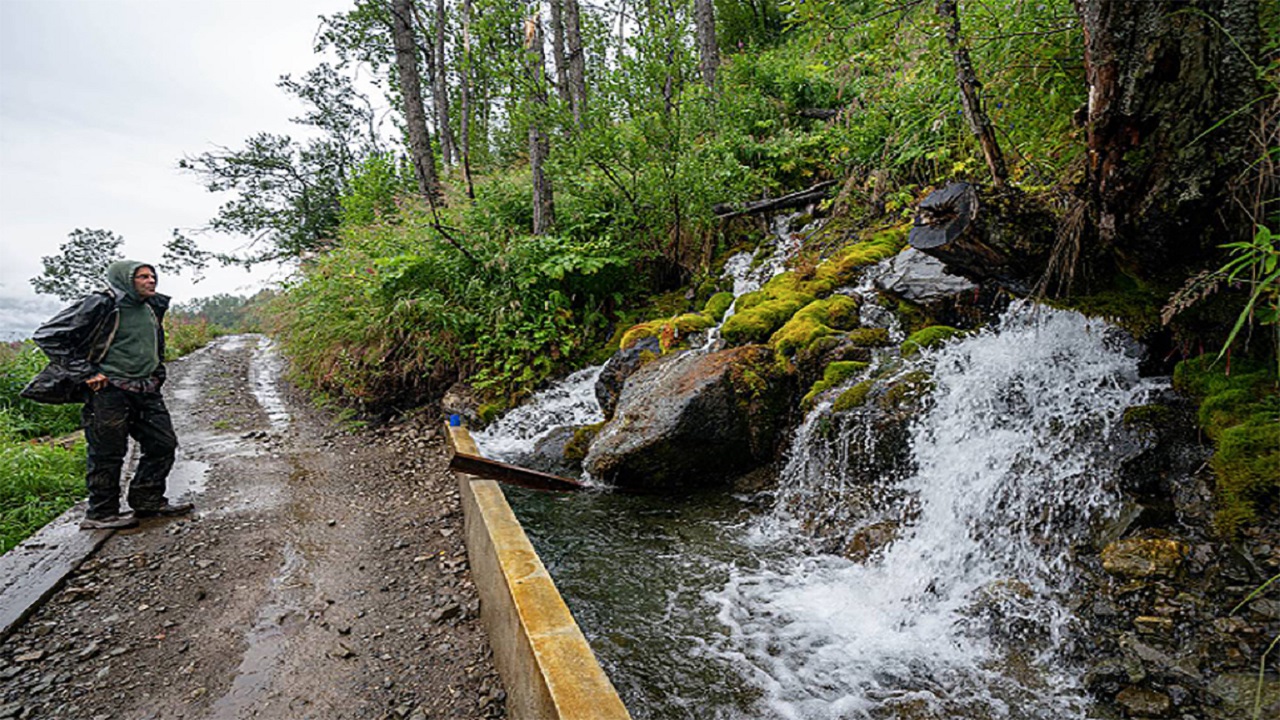
Retired Individual Develops Hydroelectric Plant On His Own That Can Supply 300 Homes And Benefit About 1,000 People. In Total, The Retired Hydrologist From The USA Invested Around US$ 1.7 Million Of His Own Money In The Hydroelectric Plant
After a lifetime working as a hydrologist, the retired American, Dave Brailey, who moved from Anchorage, Alaska (USA), to the Eagle River community, is working on a small hydroelectric plant to provide electricity to the houses in the neighborhood. In July, the retired individual’s small hydroelectric plant began generating enough energy to supply 300 homes, benefiting at least 100 people. Read also about the program to boost the construction industry that foresees the generation of 200,000 jobs by the end of 2022 in SP.
Read Also
Hydroelectric Plant Received Investments Of US$ 1.7 Million
The Idea For Dave’s Hydroelectric Plant Came Up 10 Years Ago As A Utopian Proposal That Was So Well Developed That It Now Has A Capacity Of Up To 300 Kilowatts Through The Juniper Creek Hydroelectric Project.
The Retired Individual Invested About US$ 1.7 Million Of His Own Resources In His Journey With The Hydroelectric Plant, Which Is Equivalent To R$ 8 Million In Direct Conversion. Although The Investment Came From His Pocket, Dave Tried Numerous Times To Obtain Public Funding For His Hydroelectric Plant. Alongside His Wife, Melaine Janigo, And Another Couple Of Engineers, He Shares And Maintains A Plot Of Land Where The Modern Plant Currently Stands.
-
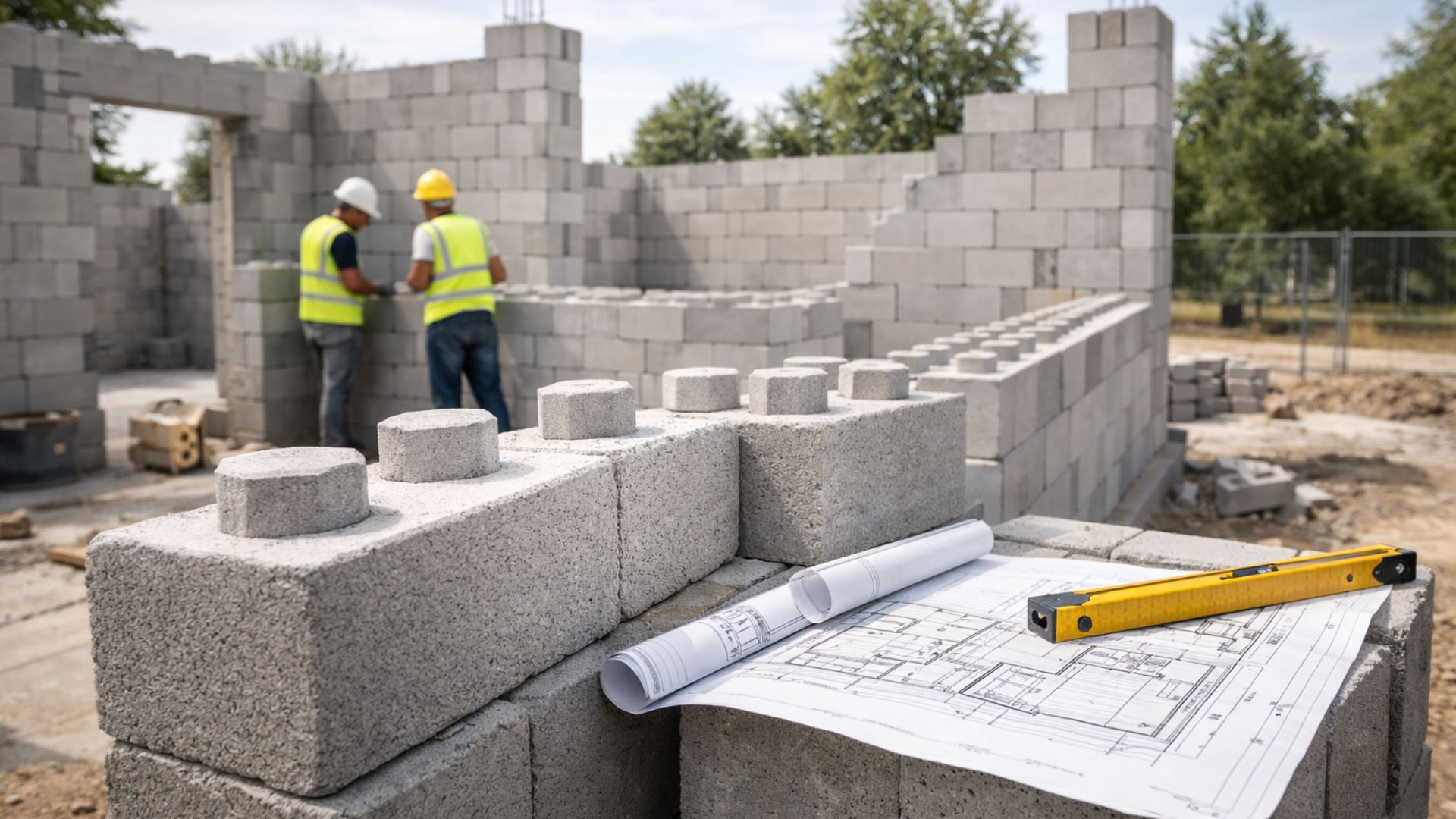
How to build an entire house in just a few days using LEGO concrete blocks and reduce construction time by up to 60%, without mortar, with precise fitting, lower labor costs, and high thermal and acoustic insulation.
-
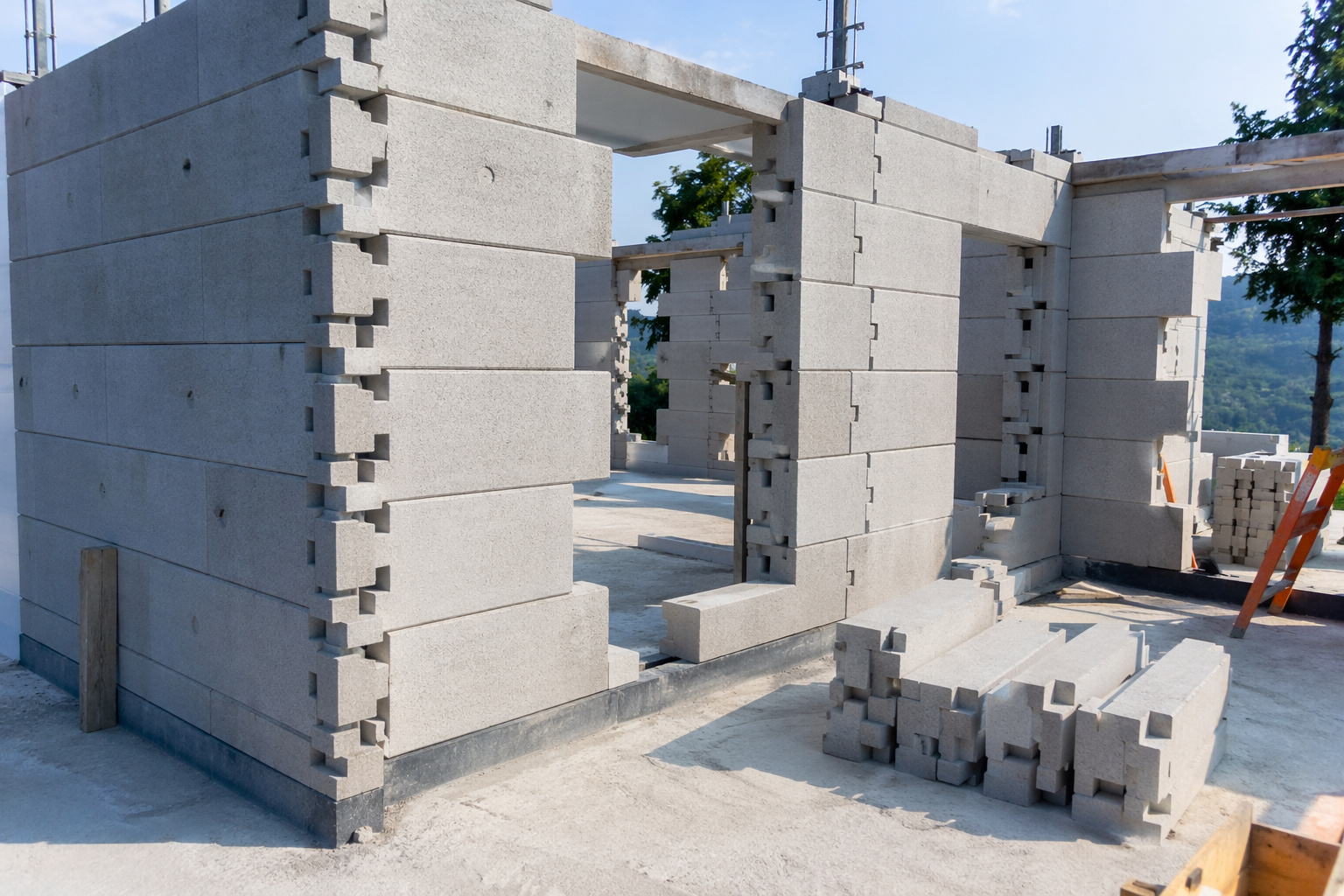
Cement-free interlocking system revolutionizes the construction industry by allowing entire houses to be built with interlocking blocks, reducing costs, speeding up projects, and transforming the standards of efficiency and sustainability in the sector.
-
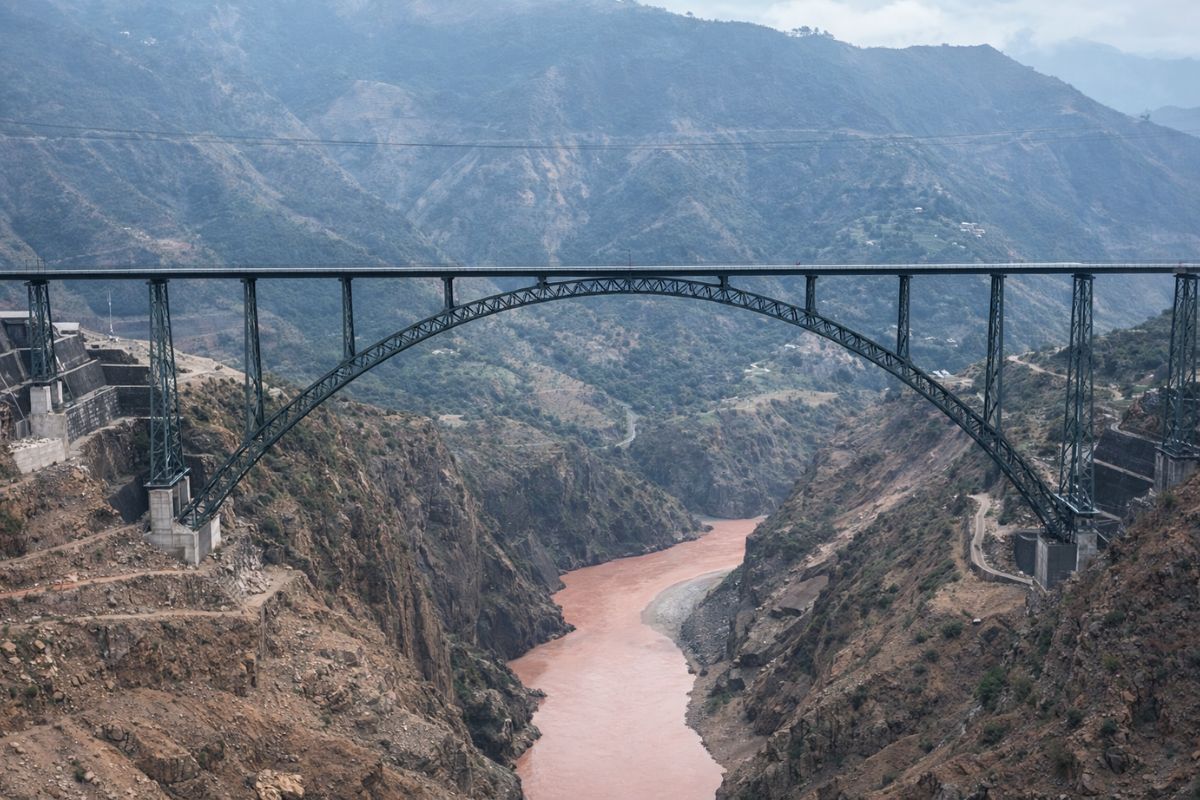
At 359 m above the river and with a span of 467 m, the highest railway bridge in the world has withstood winds of 266 km/h, featuring modular steel, a filled arch, and sliding tracks in historic Indian Kashmir.
-
With over 3 km in total length, the mega bridge costing R$ 400 million will be delivered this month after years of waiting, featuring 4 lanes, 211 lighting poles, and ending 50 years of ferryboat crossings on the coast of PR.
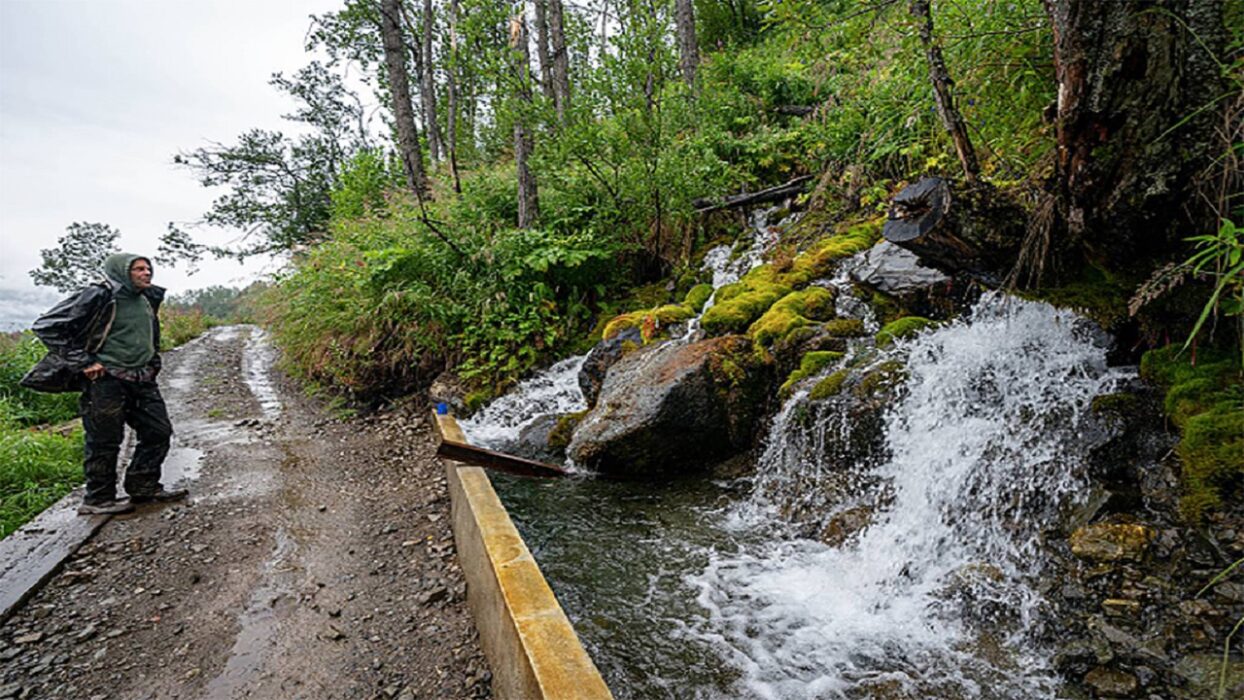
The Retired Individual Personally Oversees All Planning And Much Of The Hard Work, With The Help Of Family And Friends. Recently, Dave Hired A Civil Engineer To Supervise The Structure And Other Professionals To Certify The Safety Of The Electric Generator.
How Does The Retired Individual’s Hydroelectric Plant Work?
-
Credits: Loren Holmes / ADN -
Credits: Loren Holmes / ADN -
Credits: Loren Holmes / ADN
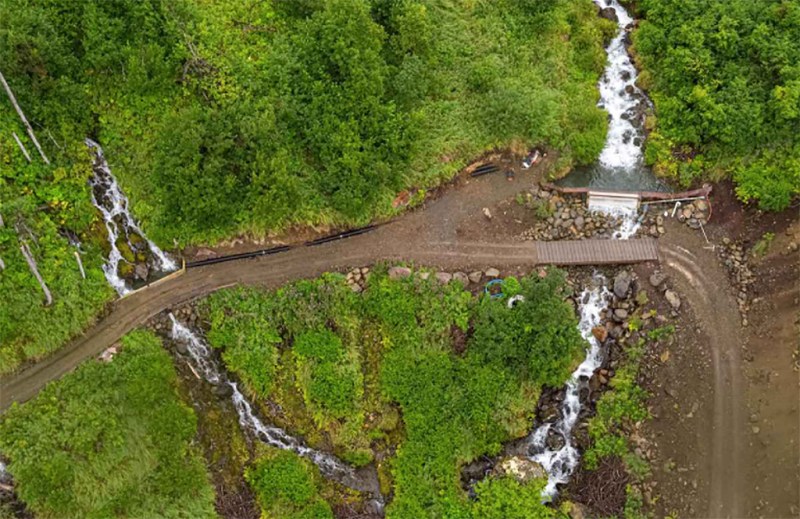
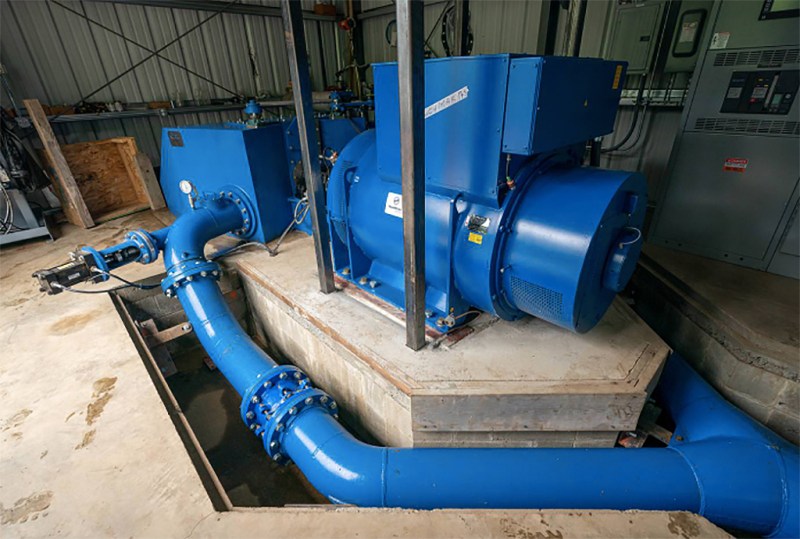
A Large 18-Inch Pipe Collects Water And Channels It Over 400 Meters To The Plant, Which Is Entirely Managed By A Computer And Supplies Electricity To The Power Lines.
The Spring Beneath The Mountainside, Located Near Eagle River, Also Contributes To The Water Supply, Keeping The Project Operational Year-Round, Even During Dry Periods.
According To The Retired Individual, In The Summer, The Juniper Creek Hydroelectric Plant Can Provide Power To More Than 300 Residences. In About 15 Years, All The Savings Generated By The Project Will Cover The Investment Made By Dave And It Will Continue To Produce Electricity For Future Generations.
Retired Hydrologist Talks About His Idea To Create The Hydroelectric Plant
The Retired Individual States That He Has Always Thought That Everyone Should Do Something About Carbon Emissions And Other Pollutants In The Atmosphere. And This Goal Became His Purpose In Life, To Do Something For His Children And For Humanity In The Future.
Unlike Residential Solutions, Which Are More Common And Sustainable, Such As Solar Panels Installed On Roofs Or Even Small Wind Turbines, The Hydroelectric Plant Created By The Retired Individual Provides Energy In A Constant Way And For A Large Number Of Residences.
Other Sustainable Initiatives Like This Are Also Emerging Around The World. Last Month, Scientists From The University Of Michigan, USA, Created A Huge Giant Turbine That Eliminates The Need To Build A Dam. The Turbines Can Be Placed In The Flow Of The River And Do Not Interfere With The River’s Natural Flow.








Seja o primeiro a reagir!