






 Portuguese
  Spanish
  3 min of reading


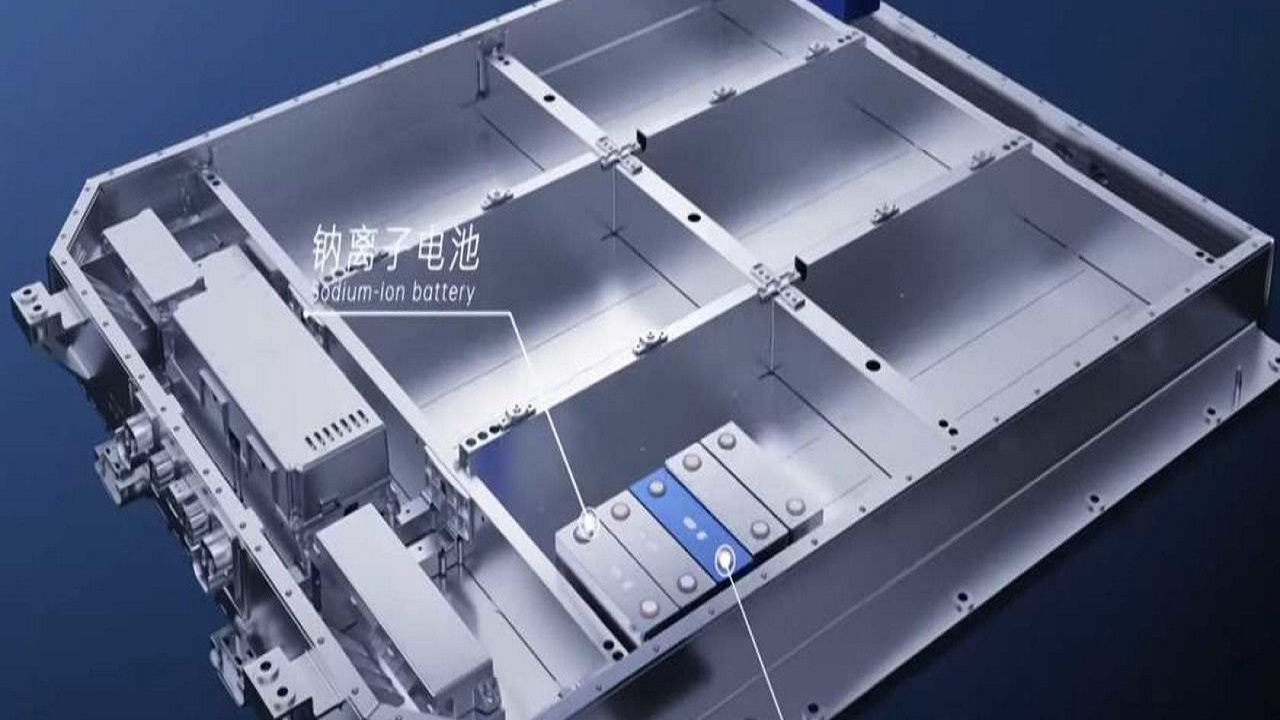
Potentially Replacing Lithium, CATL Is Developing A New Technology For Electric Car Batteries Using Sodium Ion, Which Are Cheaper And Faster, Promising To Revolutionize The Automotive Industry
CATL recently launched sodium ion technology, which consists of batteries that do not use lithium, precious metals, or rare earths, and besides having a faster recharge due to their uneven chemical composition, they also have a cheaper production cost. By setting aside lithium, CATL’s electric car batteries can revolutionize the automotive industry.
Read Also
Electric Car Automotive Industry Will Grow 14 Times By 2030


CATL’s new technology could be significant in a world where the demand for batteries is growing tremendously; however, it cannot be considered a viable solution for all problems. Therefore, companies that mine these types of materials, such as lithium, are not afraid of the new technology or CATL’s development plans.
-
A 33-year-old from Paraná received a quote of R$ 12,000 just for the structural base of the house, opened tutorials on YouTube, and transformed a family plot into a 200 m² two-story house for about half the price charged by professionals.

-
Without a mansion, without high investment, and without a traditional classroom, a teacher living in a 22 m² house taught students to build a 9 m² studio apartment with the equivalent of R$10,000.

-
Largest bridge in São Paulo reaches 75% completion and is expected to strengthen strategic connection in the interior of São Paulo.

-
Without her own home and pressured by rent, a 25-year-old bought a small 15-meter boat, gradually renovated the interior by herself, transformed the interior with paint, new flooring, a larger bathroom, and started living on the canals, paying much less per month.


Mining companies claim that this technology still offers limited autonomy compared to the technologies currently used in the automotive industry because it releases less energy than conventional lithium ion batteries.
Moreover, at this stage, sodium ion batteries are heavier than their competitors, which means they are not ideal for assembling objects that need to move, such as electric cars. The International Energy Agency (IEA) projects that the sustainable automotive industry will grow 14 times by 2030, reaching 145 million electric cars on the roads.
According to experts, it is impossible to imagine that a new technology like CATL’s could power all vehicles on its own. Therefore, the chance of “getting rid” of lithium is still slim, making recycling increasingly important.
New Technology Will Only Reach 15% Of The Automotive Industry By 2035
The last issue to be considered is that the ecological transition will not only be for the automotive industry; there will be various devices that will demand clean energy in the coming years. Thus, it can also be said that sodium ions will not be able to replace lithium ions in all applications.
According to consulting firm Adamas Intelligence, the new batteries will only reach 15% of the global market by 2035. From a lithium producer’s perspective, CEO Ryan Castilloux states that it is not a significant threat in the near future, and Andrew Miller, an analyst at Benchmark Mineral Intelligence, also agrees, stating that the number of new potential markets for batteries is evolving much faster than competing lithium ion technologies.
The Future Of CATL Technology
Roskill estimates that the demand for lithium for electric car battery production will increase by more than 2 million tons by 2030, while the demand for cobalt, a metal also threatened by sodium ions, will double by 2031.
In contrast, Rio Tinto approved a US$ 2.4 billion investment in a lithium borate project in Serbia, a country in the Balkans, in July. Meanwhile, CATL aims to increase the energy density of its batteries from 160 Wh/kg to 200 Wh/kg with its new technology.

Graduated in Journalism and Marketing, he is the author of over 20,000 articles that have reached millions of readers in Brazil and abroad. He has written for brands and media outlets such as 99, Natura, O Boticário, CPG – Click Petróleo e Gás, Agência Raccon, among others. A specialist in the Automotive Industry, Technology, Careers (employability and courses), Economy, and other topics. For contact and editorial suggestions: valdemarmedeiros4@gmail.com. We do not accept resumes!






Be the first to react!