





 Portuguese
  English
  Spanish
  4 min of reading
  0 comments


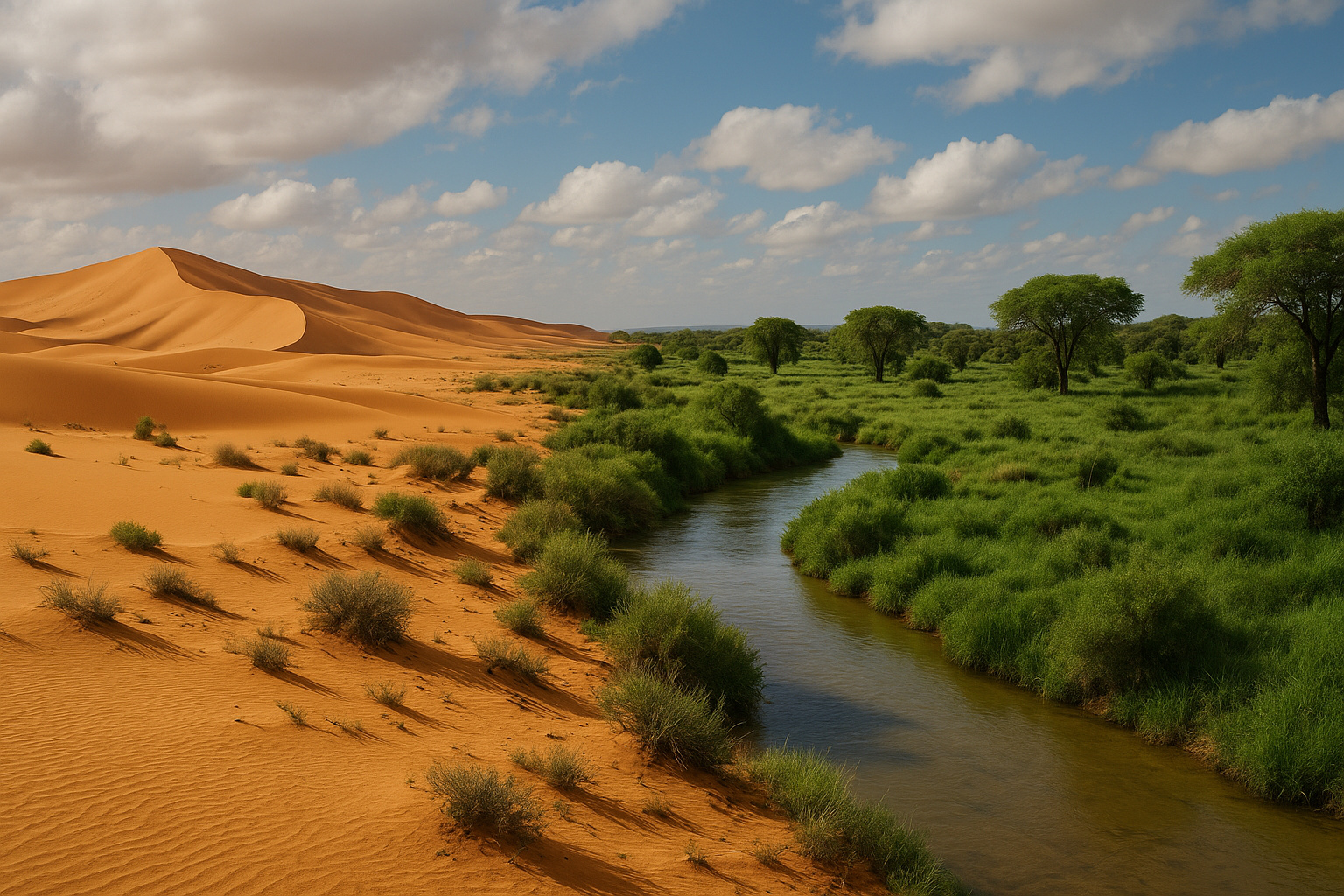
University of Illinois Chicago Study Suggests That the Largest Desert in the World Could Become Wetter and Greener Due to Global Warming.
A surprising prediction is challenging global climate logic and attracting the attention of the scientific community. While experts warn that the Amazon Rainforest could turn into a desert in the coming decades, the Sahara may take the opposite path and start to bloom by the end of this century.
According to research published in October 2025 by the University of Illinois Chicago (UIC), the largest desert in the world could see up to 75% more rainfall by 2100, becoming greener and wetter. This change, according to scientists, reflects how global warming is reversing climate roles between arid and forested regions.
Scientific Analysis Reveals Unprecedented Climate Scenario
The study, published in the journal npj Climate and Atmospheric Science, utilized 40 global climate models. They compared projected precipitation between 2050 and 2099 with historical records from 1965 to 2014. The results surprised even the researchers themselves.
-
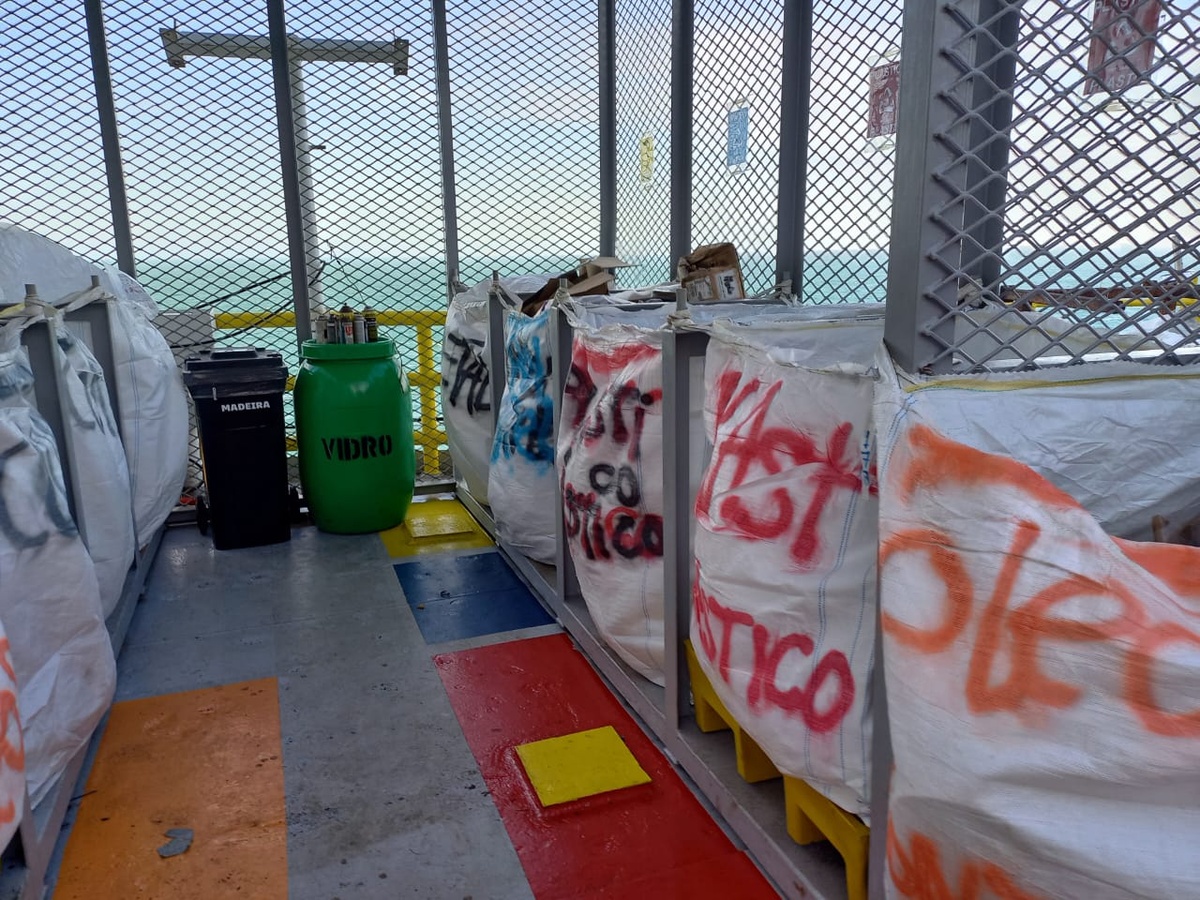
Foresea achieves 100% offshore waste reuse in 2025, eliminates landfill disposal, and consolidates sustainable strategy with 1,500 tons recycled.
-
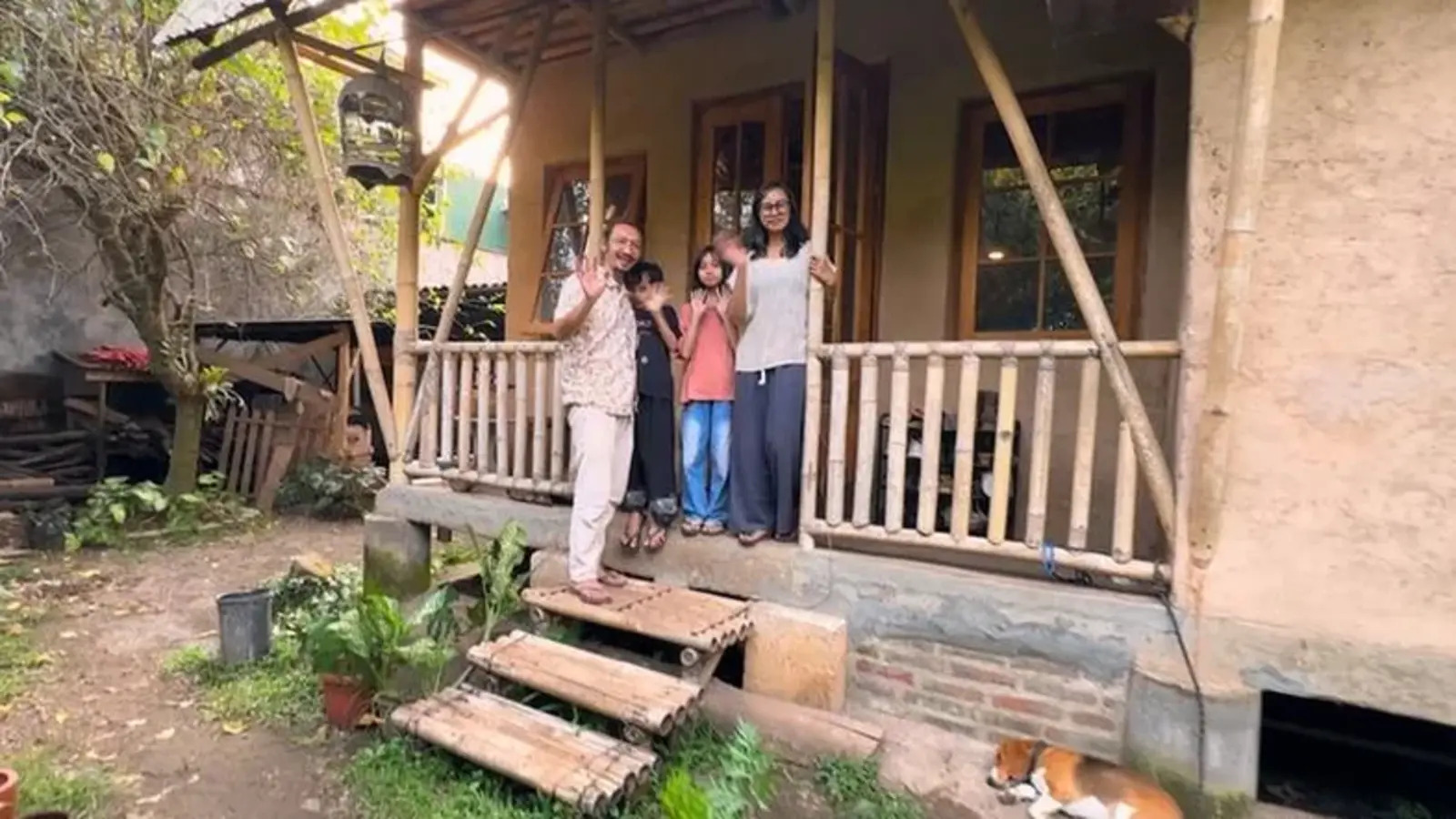
With earth, bamboo, straw, and lime mortar, a specialist builds a house for just over $460 and draws attention for its cost being much lower than traditional construction.
-
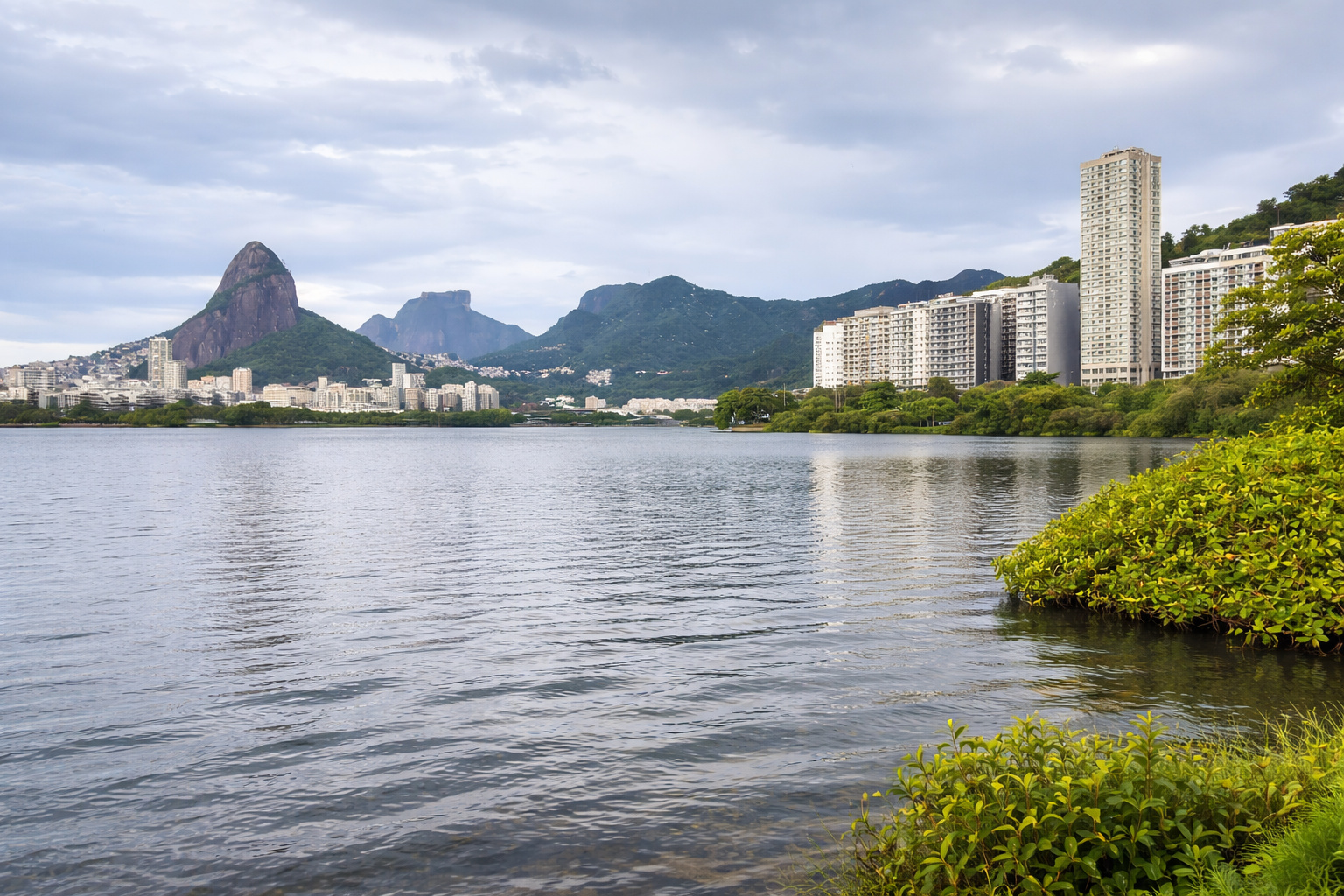
Rodrigo de Freitas Lagoon advances in environmental recovery with sanitation, elimination of irregular sewage, and the resumption of water sports in Rio de Janeiro.
-
Sustainable housing gains strength with a nationally awarded project in Campo Grande, highlighting innovative solutions that combine sustainability, urban integration, and efficiency in the use of natural resources.

Currently, the Sahara receives on average only 7.6 centimeters of rain per year. However, the models indicate that this rate could significantly increase by the end of the century. According to researcher Thierry Ndetatsin Taguela, a postdoctoral fellow in climate at UIC and the study’s lead author, “changes in rainfall patterns will affect billions of people, both within and outside Africa”.
For Taguela, understanding the behavior of these rainfalls is essential. He explains that it will be necessary to prepare public policies aimed at flood control, soil management, and cultivating adapted species to the new climate regime.
Regional Changes and Unequal Impacts in Africa
Though the increase in rainfall in the Sahara is the highlight, the study also identified distinct changes in other regions of Africa. The southeast of the continent could see an average increase of 25% in precipitation, while the central-southern Africa is expected to experience growth of about 17%.
In contrast, the southwest of Africa could face a near 5% reduction in rainfall, becoming more arid and susceptible to prolonged droughts. This regional variation highlights the complexity of climate changes and the adaptation challenges that African nations will need to face.
Practical Effects and Risks for the Population
According to scientists, the new rainfall patterns could completely alter local ecosystems. Currently desert areas may gain vegetation, while fertile regions could suffer from drying out. Additionally, floods are likely to become more frequent on compacted soils, where water infiltration is low.
Experts assert that it will be essential to invest in water infrastructure and efficient drainage systems. It will also be necessary to promote the use of drought-resistant crops, ensuring balance between agricultural use and environmental preservation.
However, Taguela warns that it is still not possible to determine the exact volume of rain that will fall on the desert. He explains that the differences between climate models represent over 85% of the uncertainties in summer projections. Nonetheless, the analyses already indicate an unprecedented climatic transformation.
Perspectives and Global Importance of the Discovery
The possibility of a wetter and greener Sahara by the end of the century raises both enthusiasm and concern. This phenomenon could represent a profound reconfiguration of global climate, with consequences that transcend continental borders.
According to Earth.com, warmer air is capable of holding greater amounts of moisture, which favors more intense rainfall. However, scientists highlight that the balance between moisture and temperature will be extremely delicate, potentially generating extreme climate events.
The Sahara on a New Global Climate Map
If UIC’s projections hold true, the Sahara could cease to be a symbol of aridity and transform into one of the largest examples of climate change in modern history.
Researchers emphasize that this change will require solid climate governance and international cooperation. Coordinated adaptation policies will be essential for the continent to face the new challenges imposed by the climate.
In a world where the Amazon dries up and the Sahara flourishes, it will be necessary to rethink the global environmental balance and the future of terrestrial ecosystems.
If the hottest desert on the planet begins to bloom, what else could climate change transform in the world we know?








-

Uma pessoa reagiu a isso.