





The 25 limestone statuettes, dated between 14,500 B.C. and 11,200 B.C., were found buried around a curved structure, reinforcing the hypothesis of ritual practices in the Gedikkaya Cave in Turkey during prehistory
Archaeologists discovered 25 stone turtles inside a cave beneath the Gedikkaya hill in Turkey. Dated to between approximately 14,500 B.C. and 11,200 B.C., the figures were embedded in the ground surrounding a curved stone structure, a layout that supports the interpretation of a possible ritual practice at the site.
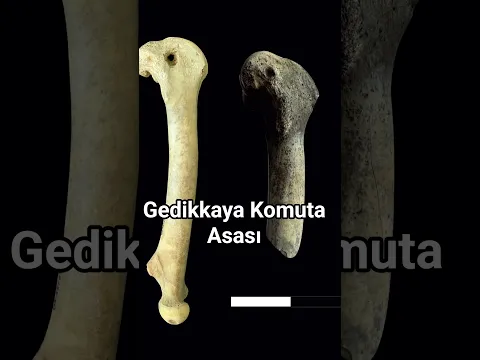

Stone Turtles Were Arranged Around a Curved Structure
The discovery took place in a cave located beneath Gedikkaya hill, an archaeological site known since the 1960s. However, the underground cavity was only identified in 2017.
-
Luciano Hang Criticizes Measure That Could Eliminate Taxes on International Purchases, Demands “Zero Tax for Brazilians Too,” and Says Tax Disparities Could Close Businesses and Eliminate Jobs
-
Ford Ka with 136,000 kilometers gets timing belt replaced, mechanic finds small cracks; maintenance completed with engine running smoothly and no dashboard warning lights, total cost R$4,445
-
Petrobras Discovers Hydrocarbons 175 km off Amapá, Strengthens Strategy in Equatorial Margin with Operation Approved by Ibama; Magda Chambriard Points to Potential for New Reserves After Drilling 2,886 Meters in Morpho Well, Highlighting Need for Advanced Rigs and Significant Investment
-
Highly Lethal Virus Strikes Atlantic Forest Reserve in Santa Catarina, Killing Tadpoles and Slashing Brazil’s Endemic Monkey Frog Reproduction by 83%


Since then, excavations have revealed signs of occupation or use of the site during three distinct prehistoric periods: Epipaleolithic, Neolithic, and Chalcolithic.
The newly found stone turtles caught attention primarily due to how they were discovered. Instead of being scattered throughout the cave, the 25 pieces were positioned around a curved architectural structure and deliberately embedded in the ground.
According to the radiocarbon dating presented by the researchers, the figures belong to the period between approximately 14,500 B.C. and 11,200 B.C.
This span of over three thousand years appears among the elements considered by researchers when analyzing the possibility that similar practices may have occurred at the site over different generations.

Limestone Figures Reached Nearly 30 Centimeters
The statuettes were made from limestone and coated with clay. Their dimensions were not standardized, with the largest examples reaching almost 30 centimeters in length and approximately 20 centimeters in width.
Deniz Sarı, a professor of archaeology at Bilecik Şeyh Edebali University, described the production of these pieces as relatively rudimentary.
Some of the figures were also semi-finished or appeared to have been produced quickly. Nonetheless, they were not simply abandoned: they were placed in the ground within an organized arrangement.
“The turtle figurines we found this year elevated the ritual context of the cave to a different level,” said Sarı, according to Hürriyet Daily News.

Possible Ritual Compared to Tradition Currently Practiced
While analyzing the arrangement of the pieces, Sarı drew a comparison to Hıdırellez, a spring festival currently celebrated in Turkey and the Balkans.
During this tradition, people make offerings, write wishes on pieces of paper, and bury them. The researcher noted a possible similarity to behavior identified archaeologically in Gedikkaya.
In the cave, curved structures formed by rings of stones are associated with the turtles embedded in the ground. According to a report by Anadolu Agency, the care taken in burying the pieces is interpreted as a possible indication of a deliberate ritual act.
The exact purpose of the figures, however, has not yet been determined.
Previous Finds Reinforce Turtle Presence at the Site
Earlier excavations in deeper areas of the cave had already revealed two curved rows of stones around a large natural stalagmite, forming a structure interpreted as a possible ritual well.
Animal remains and stone tools were also found, along with a bird of prey claw and fragments of turtle shell.
One of the interpretations considered by the specialists relates the figures to the very shape of the Gedikkaya hill.
Ancient visitors to the site may have identified a similarity between the mountain and a turtle.
This hypothesis led researchers to consider the existence of a possible “mountain cult,” where the figurines would represent the natural formation itself.
The precise relationship between the turtles, the hill, and the activities conducted inside the cave remains uncertain. Excavations continue to provide insights into how the space was utilized during different phases of prehistory.
This article was prepared based on information from Hürriyet Daily News and Anadolu Agency, with data, numbers, and statements preserved as per the consulted material.


