





 Portuguese
  English
  Spanish
  4 min of reading
  0 comments


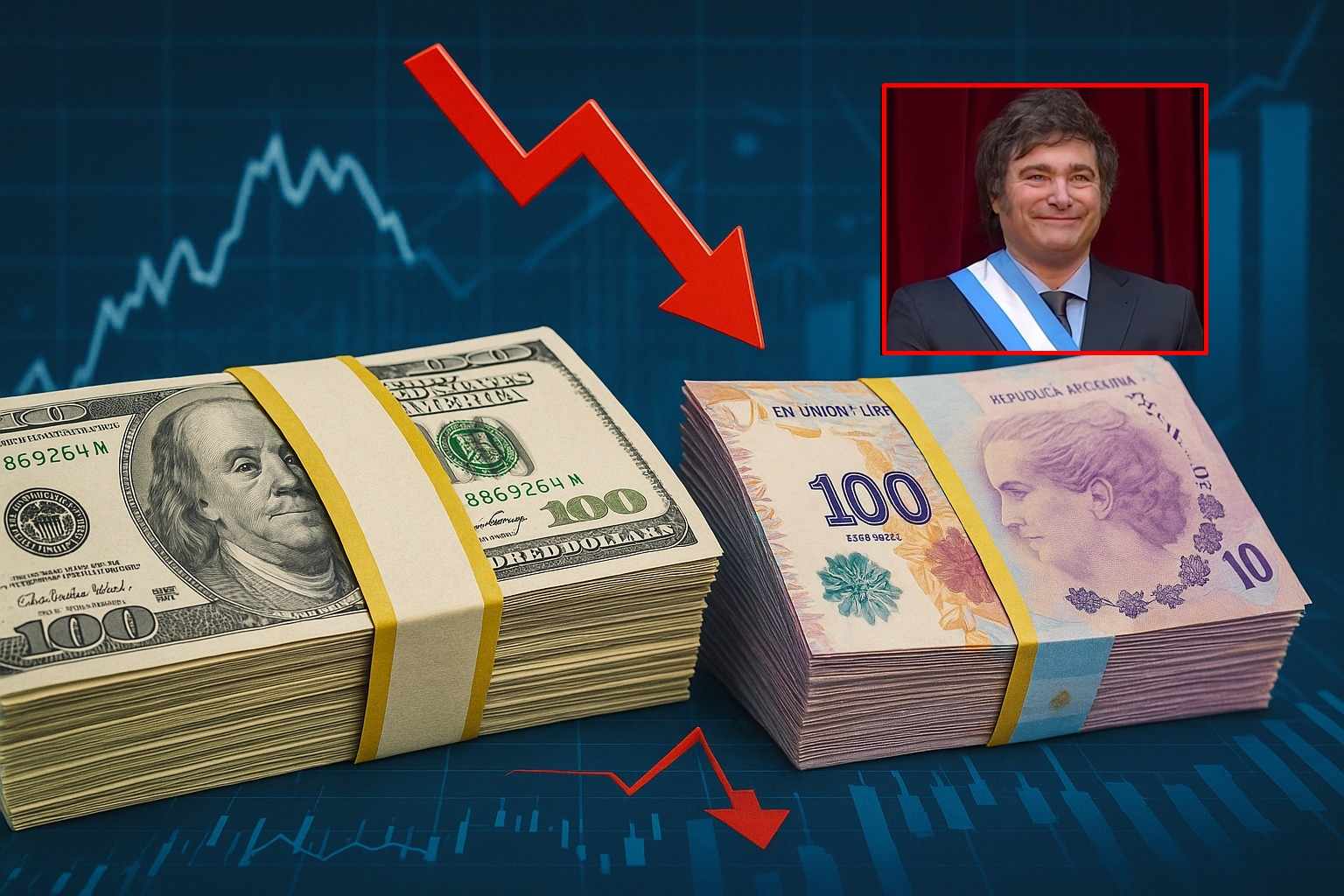
In A Country Where The Value Of The Currency Changes With The Whims Of Political Uncertainties, Each Swing In The Exchange Rate Becomes A Test Of The Milei Government’s Resilience. The Tension In The Streets, In The Banks, And In The Government Grows With Each New Spark In The Argentine Financial Market
Argentina Faces A Scenario Of Strong Pressure On Its International Reserves, Which Are At Very Low Levels And Are Causing Growing Concern In The Market.
This Scarcity Of Resources Limits The Country’s Ability To Support Its Currency And Has Led The Government To Adopt Emergency Measures To Try To Contain The Appreciation Of The Dollar, In An Attempt To Avoid New Shocks To The Already Fragile Economy.
The Government Of President Javier Milei Decided To Intervene Directly In The Exchange Market For The First Time Since April.
-
IPTU exemption for seniors in 2026: see how to secure the benefit.

-
The institute that trained the greatest aerospace engineers in Brazil has just opened its first campus outside São Paulo after 75 years: ITA Ceará will have R$ 445 million, new courses in energy and systems, and classes are expected to start in 2027.

-
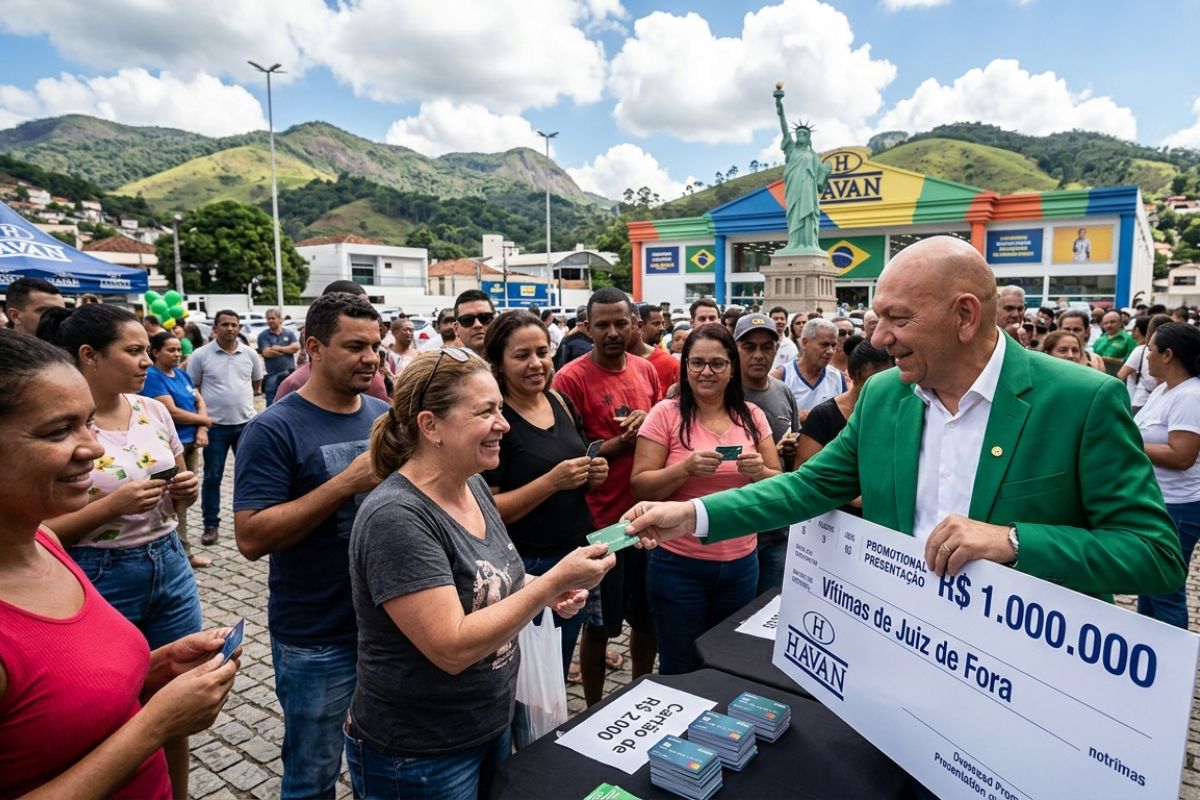
Luciano Hang, owner of Havan, goes to Juiz de Fora after the tragedy in February, brings R$ 1 million, hands out R$ 2,000 cards, and donates up to R$ 15,000 to victims in the region.
-
The Brazilian passport allows legal residence in dozens of countries without the need for a prior visa, and most Brazilians are unaware that they can apply for residency directly upon arriving in nations in South America, Africa, and even Europe.

The Decision Marks A Sudden Turn Compared To The Floating Exchange Regime, Which Had Been Adopted As A Symbol Of The President’s Ultra-Liberal Agenda.
The Central Bank Of The Argentine Republic (BCRA) Sold US$ 53 Million In Just One Day To Try To Contain The Surge Of The Dollar Against The Peso— An Emergency Operation That Provoked A Strong Reaction In The Market And Raised New Warnings About The Fragility Of The Country’s External Accounts.
With The Intervention, Argentina’s International Reserves Fell By US$ 98 Million, Closing At US$ 39.407 Billion, According To Official Data From The BCRA Itself.
Analysts Point Out That The Net Amount Actually Available May Be Lower, Which Reinforces Doubts About The Government’s Ability To Maintain New Defense Actions For The Peso Without Compromising The Already Weakened National Financial Position.
To Illustrate Argentina’s Vulnerability, It Is Enough To Compare It With Brazil: On The Same Day 17, The Brazilian Central Bank Recorded US$ 356.865 Billion In International Reserves.
This Means That Brazil Has A Volume Of Dollars About 9 Times Greater Than That Of Argentina (≈ 9.06x), Highlighting The Disparity Between The Two Countries In Terms Of Exchange Resilience And Ability To React To External Shocks.
Intervention Breaks Milei’s Liberal Narrative
The Decision Surprised Economic Agents Because It Comes After Months In Which Milei Had Been Advocating The Idea That The Market Should Self-Regulate, Without Direct Interference From The Central Bank.
In April, The Government Had Ended The So-Called “Cepos”— A System That Restricted The Purchase Of Dollars— And Started To Adopt A Floating Exchange Regime, Considered An Audacious And Liberal Step By The Market.
However, The Measure Had Immediate Side Effects.
With The Elimination Of Restrictions, The Demand For Dollars Soared, And The Argentine Peso Began To Devalue Rapidly.
The Government Tried To Contain This Pressure By Raising The Basic Interest Rate And Imposing Stricter Rules For Transactions In Foreign Currency, But The Efforts Proved Insufficient.
The Surge In The Quotations Led The Dollar In The Wholesale Market To Reach 1,474.50 Pesos, Hitting The Ceiling Of The Exchange Band Set By The BCRA. In Retail, The Currency Was Negotiated At 1,490 Pesos At Some Private Banks.
Under The Agreement With The International Monetary Fund (IMF), Whenever The Wholesale Quotation Exceeds The Daily Ceiling Of The Band, The Central Bank Is Authorized To Intervene With Reserve Sales.
Yesterday, This Limit Was At 1,474.40 Pesos, Adjusted Daily With An Increase Of 1% Per Month Since The End Of The “Cepo”.
The Sale Of US$ 53 Million Was Precisely To Prevent The Quotation From Breaking This Symbolic And Psychological Barrier.
Inflation Risk Reignites Fears
The Background Of This Decision Is The Fear That The Devaluation Of The Peso Will Once Again Pressure Inflation, Which Already Exceeded 200% Per Year Before The Start Of Milei’s Term.
Although The Government Has Managed To Slow Down Prices With An Aggressive Plan Of Public Spending Cuts, Investor Confidence Has Yet To Be Fully Restored, And The Country Continues To Struggle To Attract Foreign Capital And Rebuild Its Reserves.
Experts Warn That The Scarcity Of Dollars Worsens The Vicious Cycle: Without Reserves, The Government Loses Its Ability To Intervene; Without Intervention, The Peso Plummets; With The Peso Falling, Prices Rise, Undermining Popular Support.
This Risk Is Particularly Sensitive For Milei, Who Came To Power Promising To Dollarize The Argentine Economy And Now Faces The Paradox Of Having To Defend A Currency He Intended To Replace.
In Addition, The Appreciation Of The Dollar Raises The Cost Of Imports And Reduces The Competitiveness Of The Local Currency, Factors That Also Impact Price Levels And Erode The Population’s Income.
Ultimately, The Rise In The Cost Of Living Could Generate A New Wave Of Social And Political Instability, A Scenario That The Government Is Trying To Avoid With Emergency Intervention In The Exchange Market.
Electoral Defeat Increases Pressure On Milei
The Currency Crisis Has Also Been Amplified By The Government’s Electoral Wear And Tear.
In The Elections Held On September 7 To Renew Seats In Congress And Elect Councilors In The Province Of Buenos Aires, Milei’s Party Suffered A Crushing Defeat.
With Almost 40% Of The Argentine Electorate Concentrated In The Province, The Result Had Symbolic And Political Weight: Peronism Obtained 47.3% Of The Votes, Against 33.7% For Milei’s Party, A Difference Of 13.6 Points.
It Was The Eighth Defeat Of The Government In Ten Provincial Elections Held This Year. In Addition To Losing Influence In Congress, Milei Saw His Decrees And Spending Cuts Being Overturned By Legislators.
According To Analysts, The Loss Of Governability Acted As A Catalyst For The Currency Crisis, As It Reduced The Credibility Of The Promises For Fiscal Adjustment And Structural Reforms.










-

-

-

4 pessoas reagiram a isso.