





 Portuguese
  English
  Spanish
  4 min of reading
  6 comments


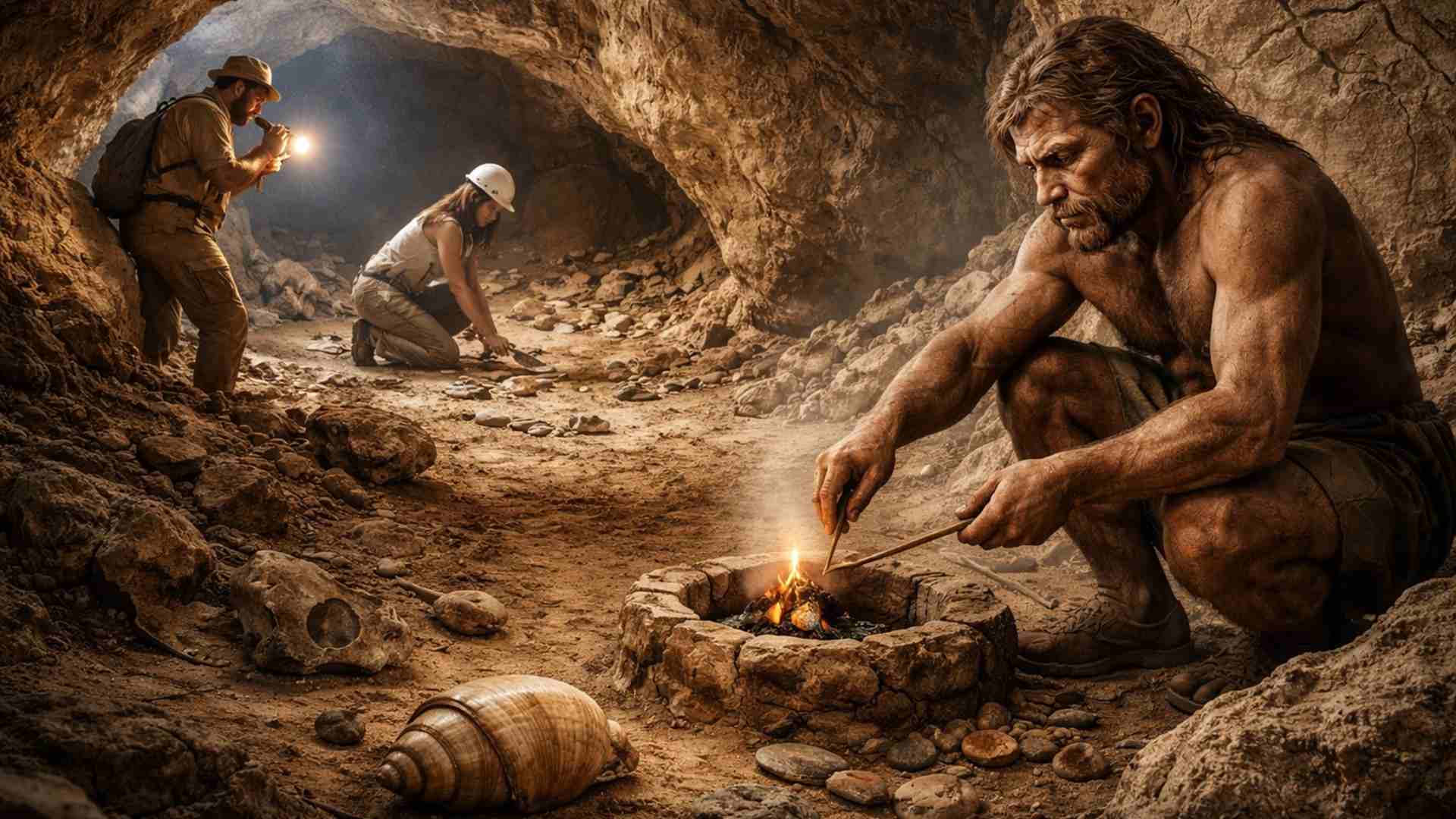


Discovery of a Chamber Sealed for Approximately 40,000 Years in Vanguard Cave, Gibraltar, Provides New Archaeological Evidence About the Lifestyle of Neandertals, Including Systematic Exploration of Coastal Resources, Controlled Production of Plant Tar, and Possible Symbolic Behaviors in the Paleolithic
The Neandertals left new evidence of complex behavior after archaeologists opened a 13-meter chamber sealed for about 40,000 years in Vanguard Cave, revealing coastal subsistence practices, tar manufacturing technology, and possible symbolic expressions in a changing environmental context.
An Isolated Chamber in the Gorham Complex
The discovery occurred in the Gorham Cave Complex, located in the Gibraltar Nature Reserve and recognized as a UNESCO World Heritage Site since 2016. The site is considered one of the last known refuges of Neandertals in Europe, with occupations possibly extending back to around 28,000 years ago.
During excavations conducted by the National Museum of Gibraltar, researchers removed an ancient sand blockage at the back of the Vanguard Cave. Behind this natural seal, they found an elevated chamber that had remained inaccessible for millennia, preserving sediments and rare traces of space use.
-
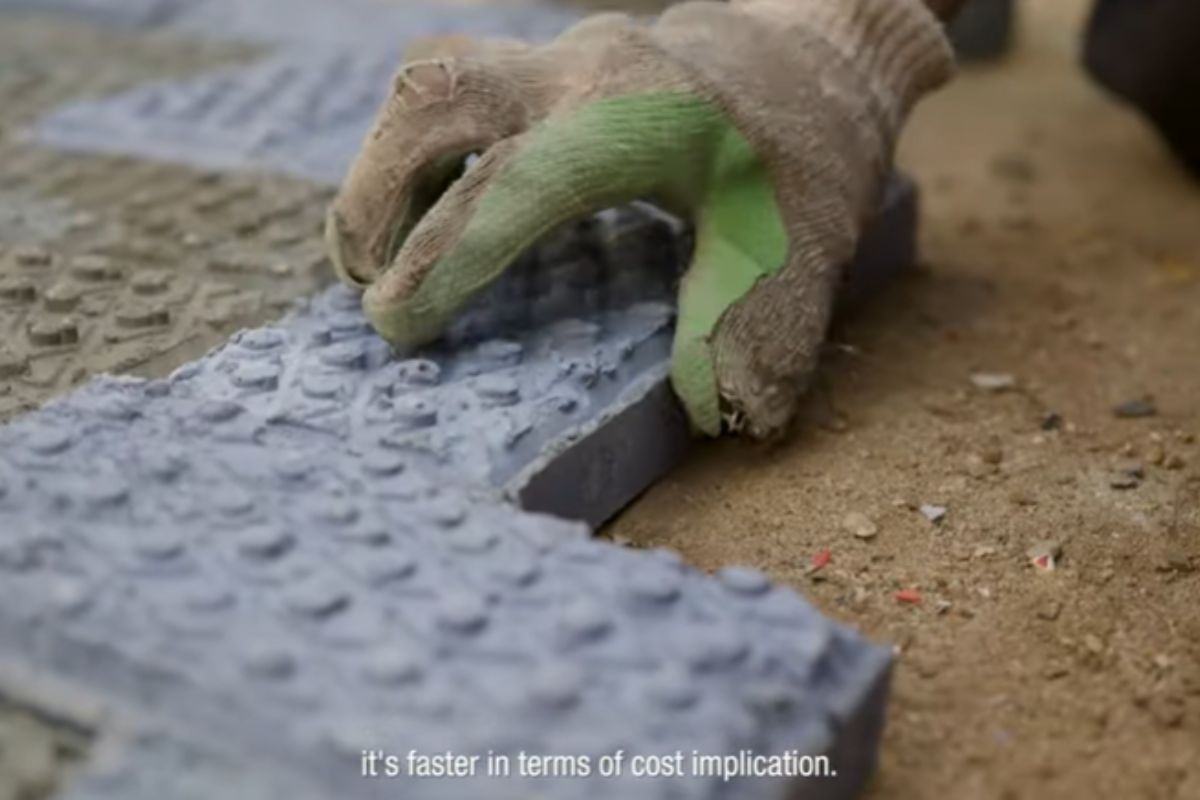
In Kenya, engineer Nzambi Matee created “bricks 2.0” using packaging plastic: a mixture with sand, heated and pressed; they are 5 times more resistant, already have official licensing, and are being used in streets and construction projects.
-
More than 20,000 positions could be opened, and thousands of technicians are starting to be trained in Brazil, as the expansion of data centers creates an urgent race for professionals to keep the internet, cloud, and artificial intelligence running 24 hours a day.

-
China approves the 15th Five-Year Plan 2026-2030 to become a global power: prioritizes brain implants, 6G with AI, humanoid robots, flying cars, quantum technology, and nuclear fusion, while strengthening defense and the economy.

-
HONOR X80i arrives with a massive 7,000 mAh battery, a 120 Hz AMOLED display with a brightness of 6,500 nits, and the new Dimensity 6500 Elite chip, promising up to 22 hours of video playback and impressive performance in casual gaming.


The chamber’s floor contained bones of lynx, hyena, and griffon vulture, along with scratch marks made by carnivores. These indications suggest that the site was frequented by animals before or after human presence, forming a diverse and well-preserved environmental record.
Among these remains, an unexpected element emerged: the shell of a conch. The mollusk would have had no way to reach the chamber on its own, indicating deliberate transportation by Neandertals, possibly as food brought from the coast into the cave.
A Coastline Disappeared Beneath the Mediterranean
Currently, the cave entrance is near sea level, accessible from a protected marine area. During the last Ice Age, however, the scenery was radically different. Studies in the complex indicate that the Neandertals observed an exposed continental shelf that extended up to 4.5 kilometers beyond the caves.
This coastal plain included sand dunes, pine areas, Mediterranean shrubs, seasonal lakes, and abundant terrestrial fauna. Researchers have described it as a “Mediterranean Serengeti,” highlighting the ecological richness available for hunting and gathering.
With the end of the glacial period and the gradual rise in sea levels, this landscape was submerged, leaving only the current cliffs. The documented transition in Gibraltar illustrates how long-term environmental changes reshaped habitats used by Neandertals.
The preserved record in the sealed chamber serves as a temporal marker of this process, connecting archaeological evidence to coastal transformations that occurred over thousands of years in a dynamic and unstable coastal context.

Seafood, Fire, and Symbolic Use of Space
Previous excavations in the Gorham and Vanguard caves already indicated that the Neandertals in the region systematically explored marine resources. Archaeological deposits include large quantities of mussel shells, as well as bones of fish, monk seals, and dolphins.
Many of these remains show cut marks made with stone tools, demonstrating intentional food preparation.
The materials were taken into the inner caves, where they were processed and consumed, indicating organization of domestic space.
In addition to food, the site preserves deep hatching-style engravings carved directly into the rock. These marks suggest symbolic behaviors or early forms of artistic expression, enhancing the understanding of the cognitive abilities of Neandertals.
The set of evidence points to coastal groups that combined land hunting, marine gathering, mastery of fire, and possible symbolic production, integrated into an ecosystem that provided varied resources throughout the year.
Plant Tar Production in Controlled Environment
One of the most relevant discoveries associated with Vanguard Cave was described in 2024 by an international team. It pertains to a well-shaped fire pit, dated to around 60,000 years ago, used by Neandertals to produce plant tar used as glue.
The structure reveals a controlled process of heating buried plant fragments in a low-oxygen environment to extract sticky resin. This method differs from simple open-air burning and indicates specific technical knowledge.
Analyses suggest the use of rockrose, a shrub common in Mediterranean habitats, instead of birch, which is rare in the region. The resulting tar allowed for the attachment of stone tips to wooden shafts, forming suitable spears for ambush hunting.
The preservation of this fireplace was only possible because a rapidly moving sand dune sealed the site, along with pollen and spores that record the external environment. The find connects plant ecology, technology, and behavior of Neandertals in a single sedimentary context.
Scientific Recognition and Current Implications
According to John Cortes, Minister of Heritage of Gibraltar, the Gorham Cave Complex continues to receive international recognition, and the studies offer new perspectives on the cognitive development of Neandertals.
Although most people will never visit Vanguard Cave, the evidence preserved there speaks to contemporary issues. The history recorded beneath the rock shows that coastal environments have always been subject to gradual and profound changes.
The Neandertals responded to these transformations by broadening their diets, exploring new materials, and intensively using available resources. This adaptation, however, did not prevent the disappearance of their species.
Nonetheless, the ingenuity documented in Gibraltar reinforces the importance of coastal ecosystems as fundamental spaces for human survival over time, highlighting the scientific and environmental value of these now-protected areas.









Leiam e imaginem! Quer foto, vai lá tirar!
Que matéria ****, feita por um site de cópia de outras matérias gringas e ainda aparentando ser pobremente traduzida. Site de baixa relevância que lota a página de propagandas e usa IA para encobrir a preguiça do redator.
E as imagens??? Queremos as imagens!