





 Portuguese
  English
  Spanish
  3 min of reading
  0 comments


Study Details Unprecedented Evidence of Prehistoric Cremation and Strengthens Cultural Sophistication of Human Groups That Lived in the Region Thousands of Years Ago and Transform Our Historical Understanding of These Ancient Societies
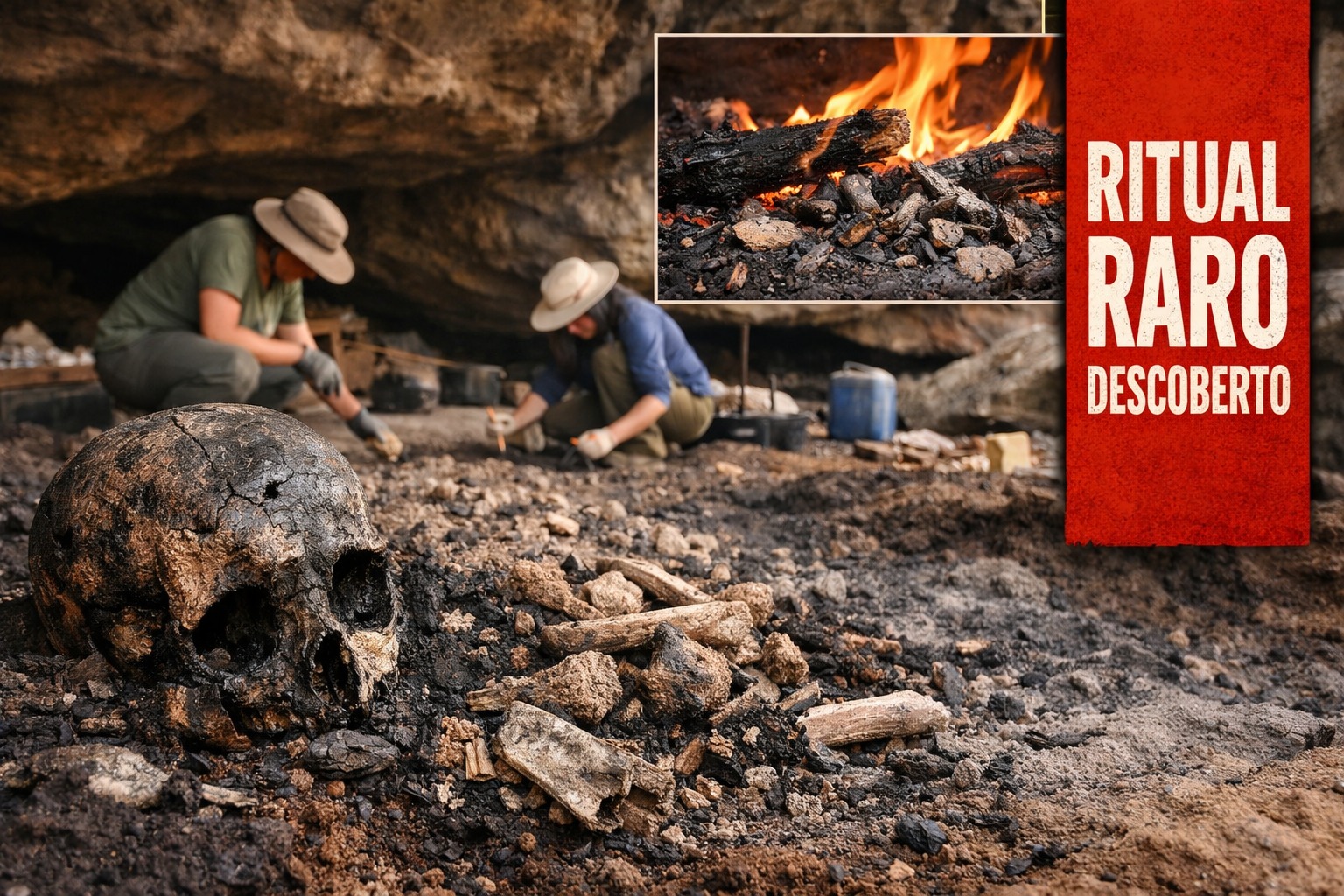
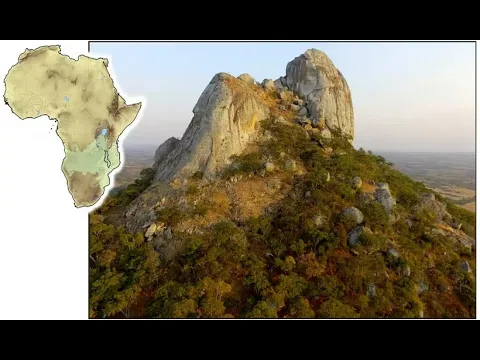
A funerary pyre located near the base of Mount Hora, a granite formation that abruptly stands out in the landscape, revealed evidence that the body of a woman was cremated about 9,500 years ago.
The discovery was detailed in a study published in the journal Science Advances, which points to the activities of groups of hunter-gatherers that inhabited the region at that time.
The analysis involved bones and sediments found at the site, allowing for the reconstruction of aspects of a rare and complex ritual for societies of this type.
-
HONOR X80i arrives with a massive 7,000 mAh battery, a 120 Hz AMOLED display with a brightness of 6,500 nits, and the new Dimensity 6500 Elite chip, promising up to 22 hours of video playback and impressive performance in casual gaming.

-
Xiaomi TV Stick HD 2 is announced with Google TV and dual-band Wi-Fi, offering 38% superior performance, HDR10+, Dolby Atmos, a quad-core chip, Mali-G31 GPU, 1 GB RAM, and support for 1080p at 60 Hz.

-
Brazil joins the select group of countries by producing a supersonic fighter that reaches 2,400 km/h with advanced electronic warfare technology, US$ 4 billion in investments, 36 units planned, 350 trained engineers, and unprecedented national production by 2032.

-
At the bottom of the sea, scientists have found a true underwater cathedral measuring 62 meters at the base, 31 meters at the top, and 1,347 square meters of giant coral in the Maug Islands, estimated to be 2,050 years old.


Researchers highlight that this is a unique finding that can broaden the understanding of prehistoric funerary practices.
Although the site was already known as a burial space, the presence of an isolated cremation surprised the team and reinforced the idea that different traditions could coexist among these groups.

Rare Ritual: Who Was the Cremated Woman
The majority of the analyzed fragments correspond to bones of arms and legs. According to forensic analysis, they belonged to a woman estimated to be between 18 and 60 years old and just under 1.5 meters tall.
No fragments of teeth or skull bones were identified, suggesting that the head may have been removed before cremation.
Cut marks on the bones indicate that some flesh was removed beforehand, as explained by Jessica Thompson, assistant professor of anthropology at Yale University and co-author of the study.
The hypothesis of cannibalism was dismissed, as the observed patterns differ from those found in animal bones.
The Hora 1 Site and Its Long Occupation
The site, known as Hora 1, sits under a large rock outcrop capable of sheltering about 30 people.
Initially excavated in the 1950s, the site is recognized as a cemetery of hunter-gatherers.
Research resumed in 2016 showed that humans occupied the area around 21,000 years ago and buried their dead there between 8,000 and 16,000 years ago.
Despite this long history, the fragments of the pyre represent the only cremation identified so far.
According to Jessica Cerezo-Román, associate professor of anthropology at the University of Oklahoma and lead author of the study, cremation is very rare among ancient and modern hunter-gatherers, partly due to the effort required to build and maintain a pyre.

Evidence of Fire and Ritual
Excavations conducted between 2016 and 2019 revealed a large mound of ashes, about the size of a double bed, containing burned human bone fragments.
The analysis of sediments indicates that the fire exceeded 500 °C and remained active for hours or even days, requiring constant replenishment of wood.
Based on preserved traces, researchers estimate that about 30 kilograms of dry wood were used, according to Elizabeth Sawchuk, curator of human evolution at the Cleveland Museum of Natural History.
Fragments of stone tools were also found, suggesting that these objects were placed on the pyre during the ritual.
A Space of Memory Over Generations
For scientists, the evidence points to elaborate funerary rituals, possibly linked to memory and symbolism.
In addition to cremation, there are signs that large bonfires were lit at the site centuries before and after, indicating that Mount Hora may have served as a space of ritual significance for generations.
The discoveries reinforce that African hunter-gatherers already exhibited sophisticated cultural practices thousands of years before the emergence of cities, agriculture, and metallurgy.
Sawchuk notes that these groups had the capacity to coordinate a large volume of work, although they generally chose not to do so.
Thompson adds that studying other similar sites and revisiting old museum collections may reveal a greater cultural diversity than traditionally recognized, offering new avenues for research on these peoples and their ways of life.
With information from Planeta.





-

Uma pessoa reagiu a isso.