





 Portuguese
  English
  Spanish
  4 min of reading
  0 comments


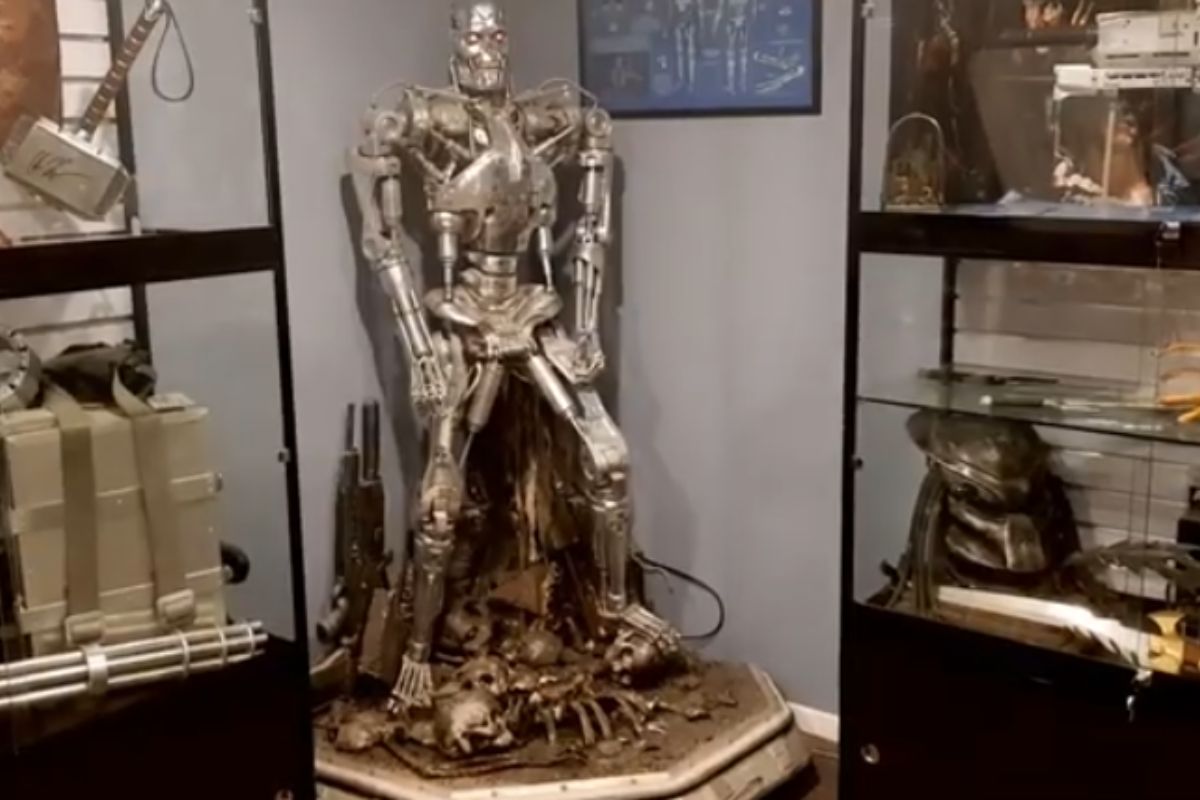
The Australian Artist Jamie, From Just Creations, Cast Aluminum in Sand Molds, Created 230 Joints, and Assembled a Full-Scale Fully Articulated Endoskeleton
The Australian artist Jamie, from Just Creations in Australia, transformed a fan idea into an extreme project: hand-building a full-scale metal endoskeleton of the T-800. Instead of a plastic shelf replica, he aimed for something much more ambitious, a Terminator made entirely of metal with moving parts.
The final result impresses with its numbers and artisanal engineering. The Australian artist claims to have completed a piece with more than 500 components, 230 joints, pistons, hoses, and a support system to keep the model standing, as the assembly is heavy and designed to move.
From a Broken Resin Arm to the Plan to Make Everything in Metal
The idea gained momentum when Jamie started with an arm made of resin. In an accident, he bumped into the piece, it fell, and broke. That was the push to change direction: he decided to learn casting and create a metal arm.
-
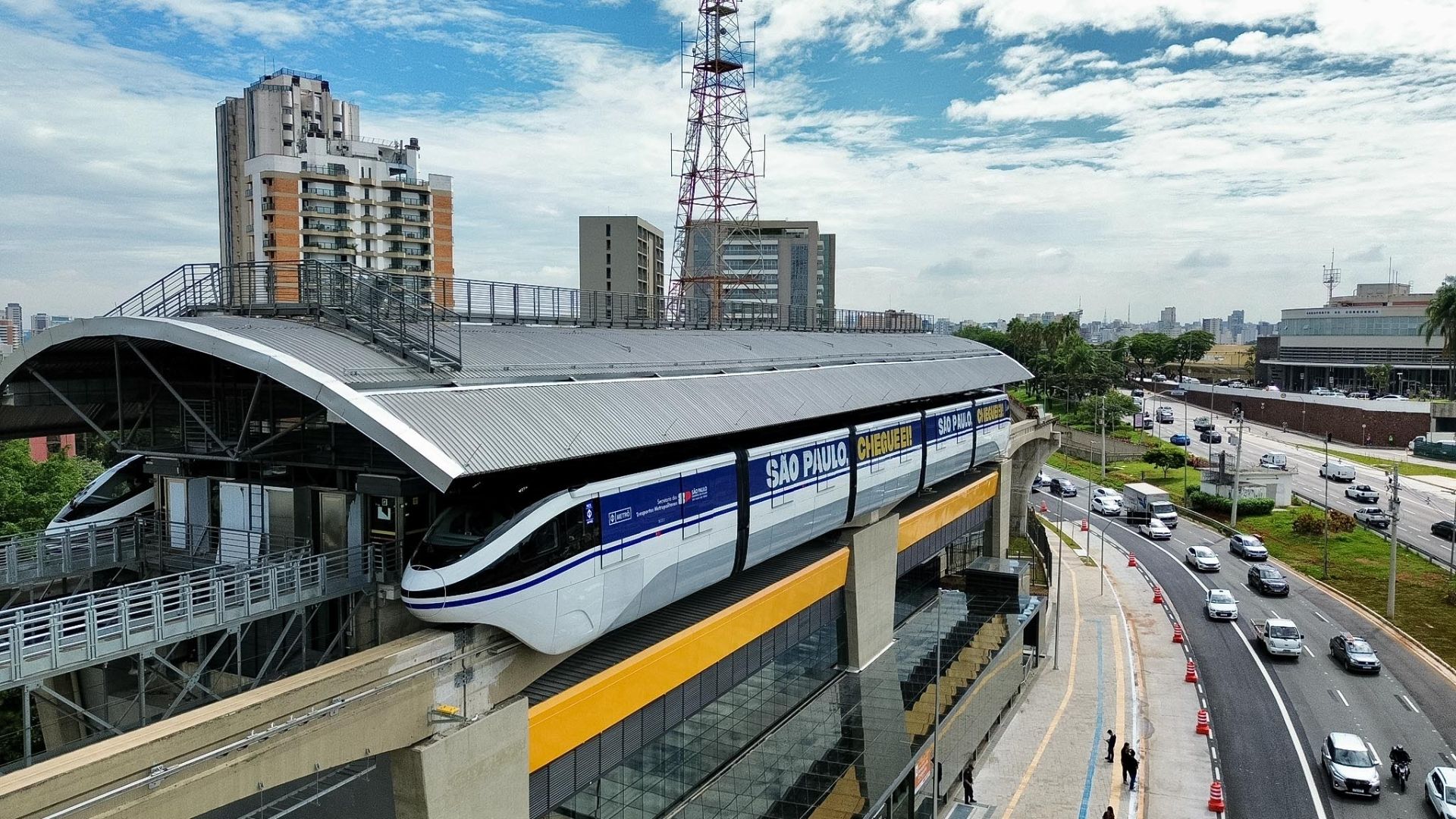
Congonhas receives the monorail promised for the 2014 World Cup after more than a decade of delays and becomes the first airport in Brazil with integrated subway.
-
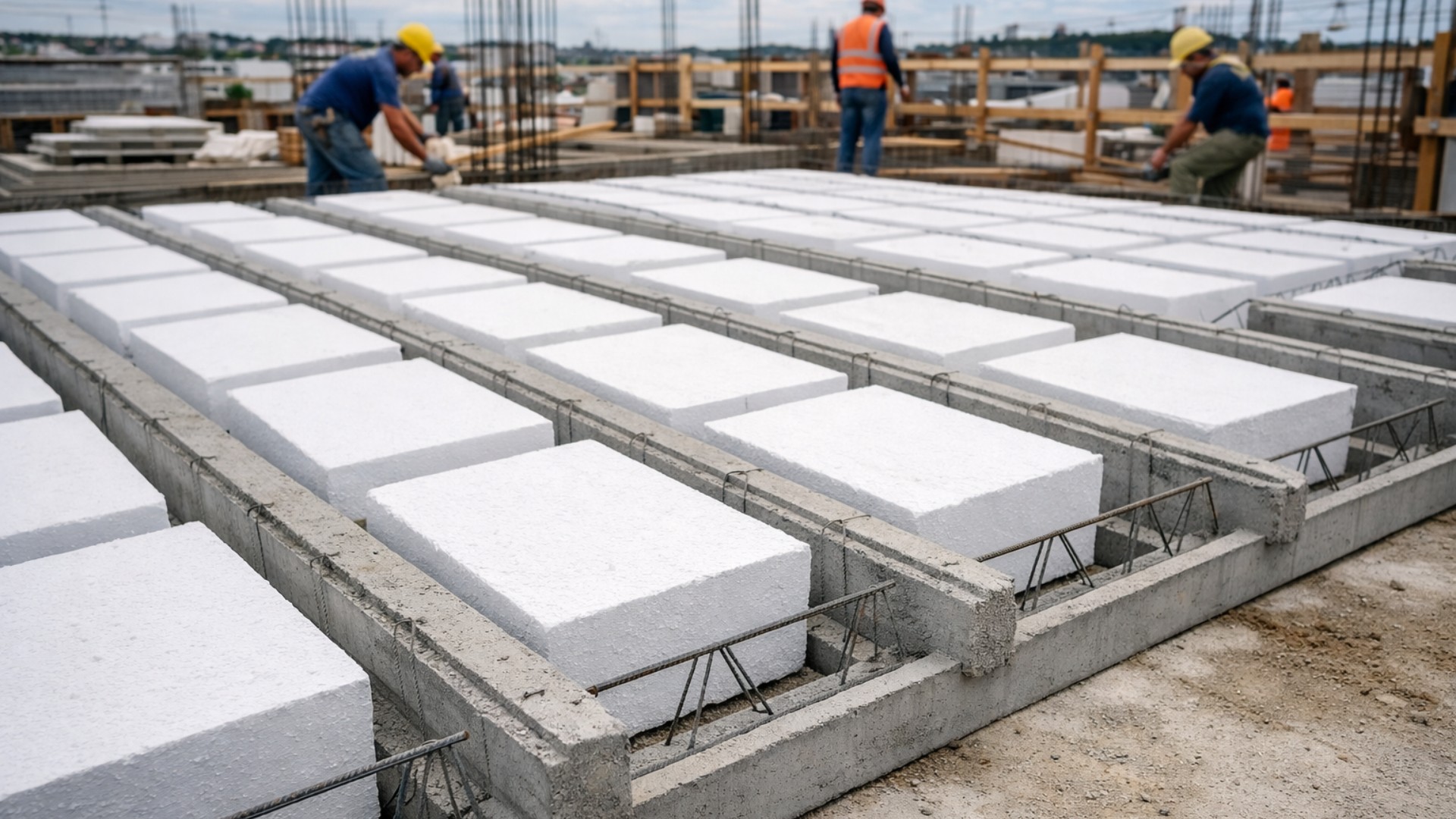
Goodbye, concrete: a new trend in civil construction reduces the weight of the structure by up to 30%, accelerates projects by up to 40%, cuts costs on steel and labor, and improves thermal insulation with EPS.
-
Russian engineers create an innovative propeller blade for aircraft that could completely change the way airplanes and helicopters operate.

-
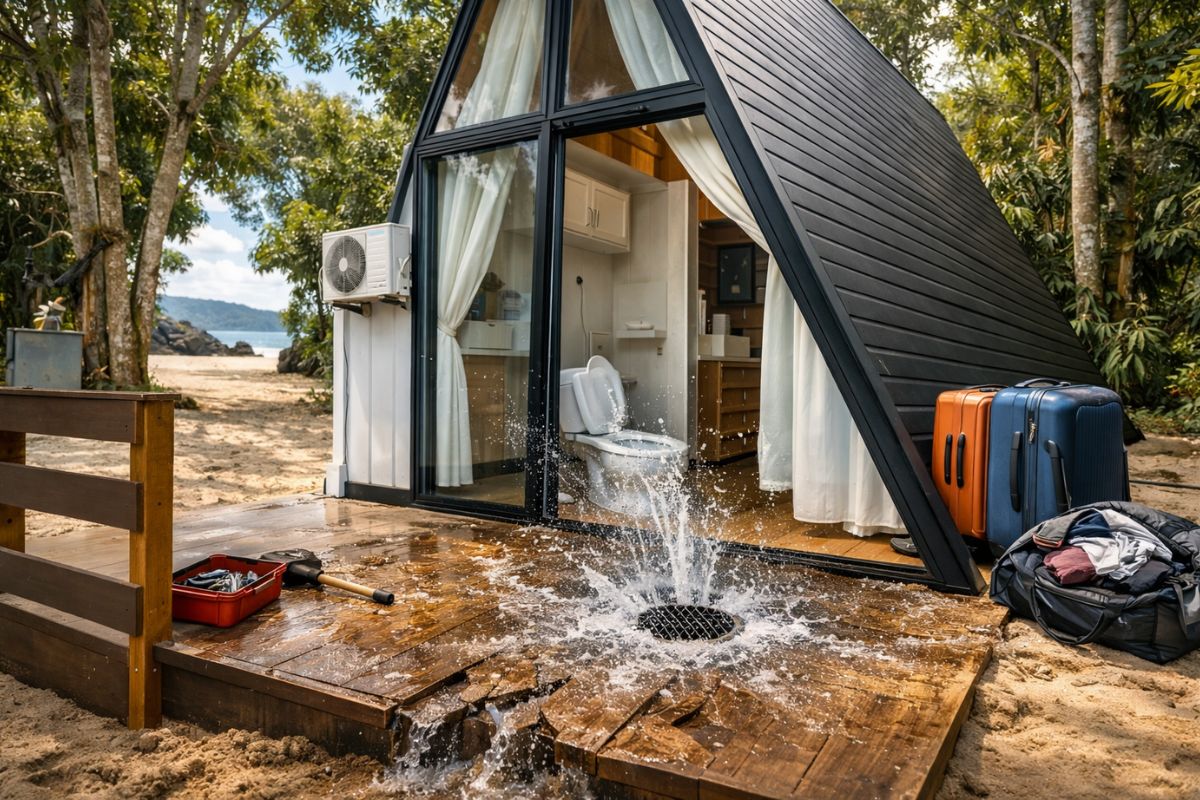
Couple finishes building PVC chalet on the beach on the last day, with air conditioning and curtains, but discovers the bathroom drain is inverted: water escapes from the drain, risking breaking the floor, and the rush continues before the trip.

However, after starting, the Australian artist did not want to stop halfway. He realized that the T-800 was not “just an arm” and began to pursue a bigger goal: a full-scale fully articulated endoskeleton, with head, neck, torso, arms, hands, legs, feet, and all the connections capable of striking poses.
A Rare Kit Became a Reference and Required Rework Piece by Piece
To get the measurements right and understand the assembly, Jamie had unexpected support. He found another Australian who owned a rare complete resin endoskeleton kit. However, this kit was not ready for use. The parts needed cleaning, corrections, and reconstruction of broken or missing sections.
The Australian artist underwent a lengthy improvement process, using filling compound and adjustments until he was able to assemble the entire resin structure. From there, it served as the base for the heaviest stage of the project: transforming each part into metal.
Sand Casting with Recycled Aluminum and a Trial-and-Error Routine


With the resin structure as a reference, Jamie began creating sand casting molds and pouring melted aluminum to form the parts. This method, as he describes, does not deliver automatic precision. Many parts required repetition, adjustments, and restarts until they became acceptable.
After casting, the work was not finished. The Australian artist needed to do a lot of cleaning, removing excess metal and cutting and engraving junction lines and details on each component to achieve a finish closer to the look of the film. He estimates that just the phase of creating the raw metal parts took about two and a half years.
230 Joints and Freedom of Movement Without Locking the Structure
Assembling everything was another challenge. If the goal was movement, everything couldn’t be screwed tight. Jamie had to find solutions to ensure that the parts fit together while maintaining freedom of movement.
The Australian artist took advantage of the fact that the main parts were thick to hide internal elements. He created and positioned joints inside and behind bulky parts, including ball joints in shoulders, hips, and ankles, as well as moving joints and pistons.
The focus was to allow varied poses, something that did not always exist in the versions used in filming, which could have limited mobility.
The Most Exhaustive Stage: Sanding, Polishing, and Seeking a Mirror Finish
When all the parts were ready, came what he calls one of the hardest tasks: sanding and polishing the rough surfaces until achieving a more uniform and shiny finish.
The Australian artist summarizes the magnitude of the effort with a straightforward phrase: if he had known the volume of work he would invest, he might never have started.
Even so, he continued until completing the assembly, fitting, aligning, and resolving the final details that make the piece “function” like an articulated body.
Weight, Support, and Theatrical Finish to Keep the T-800 Standing
The final T-800 weighs more than 130 kilos and comprises more than 500 individual pieces, in addition to 280 screws and 60 hoses. There’s even a dental acrylic prosthesis in the assembly. Since the structure is heavy and articulated, it cannot simply stand on its own or lean against a wall.
Therefore, the Australian artist designed an assembly system that allows raising and lowering the endoskeleton, facilitating positioning in different poses without having to move everything with brute force.
He also decorated the support with a look inspired by the atmosphere of the Terminator universe, including theatrical elements such as skulls and bones, to enhance the project’s presentation.
A T-800 “from the Movie,” But with Its Own Signature and No Intention of Selling
Jamie makes it clear that his endoskeleton is not 100% faithful to a single version from the cinema. He describes the result as a combination of the T-800 from Terminator 1 and 2, along with his own choices where complete information was lacking, such as the exact position of wires and hoses. Instead of blindly copying, he used logic and visual coherence to fill in the gaps.
The Australian artist also mentions that he never calculated the total cost, as he primarily used recycled aluminum, including old engine parts.
Still, he gives a hint of resource consumption by mentioning that he used 30 gas tanks of 9 kilos in the forge.
And, despite acknowledging that a piece like this would be worth a lot, he states that he has no intention of selling. Today, the T-800 occupies a prominent space in the workshop.
If you had four years to create a project like this, would you choose to build something fully articulated like the T-800 or make a simpler static replica to finish faster?








-

-

8 pessoas reagiram a isso.