





 Portuguese
  English
  Spanish
  5 min of reading
  0 comments



Curious Terms in Portuguese Stand Out for Unusual Sounds, Different Meanings, and Peculiar Rhythms, Awakening Laughter and Surprise in Different Regions of Brazil.
The Portuguese language holds surprises not only in its literary richness but also in its repertoire of curious terms that, due to their sound or meaning, often provoke laughter among speakers from different regions of Brazil.
A combination of factors, such as sound repetitions, unexpected rhythms, and unusual meanings, causes certain expressions to be recognized as the funniest words in the Portuguese language, according to recent linguistic surveys.
But what exactly makes a word funny?
-
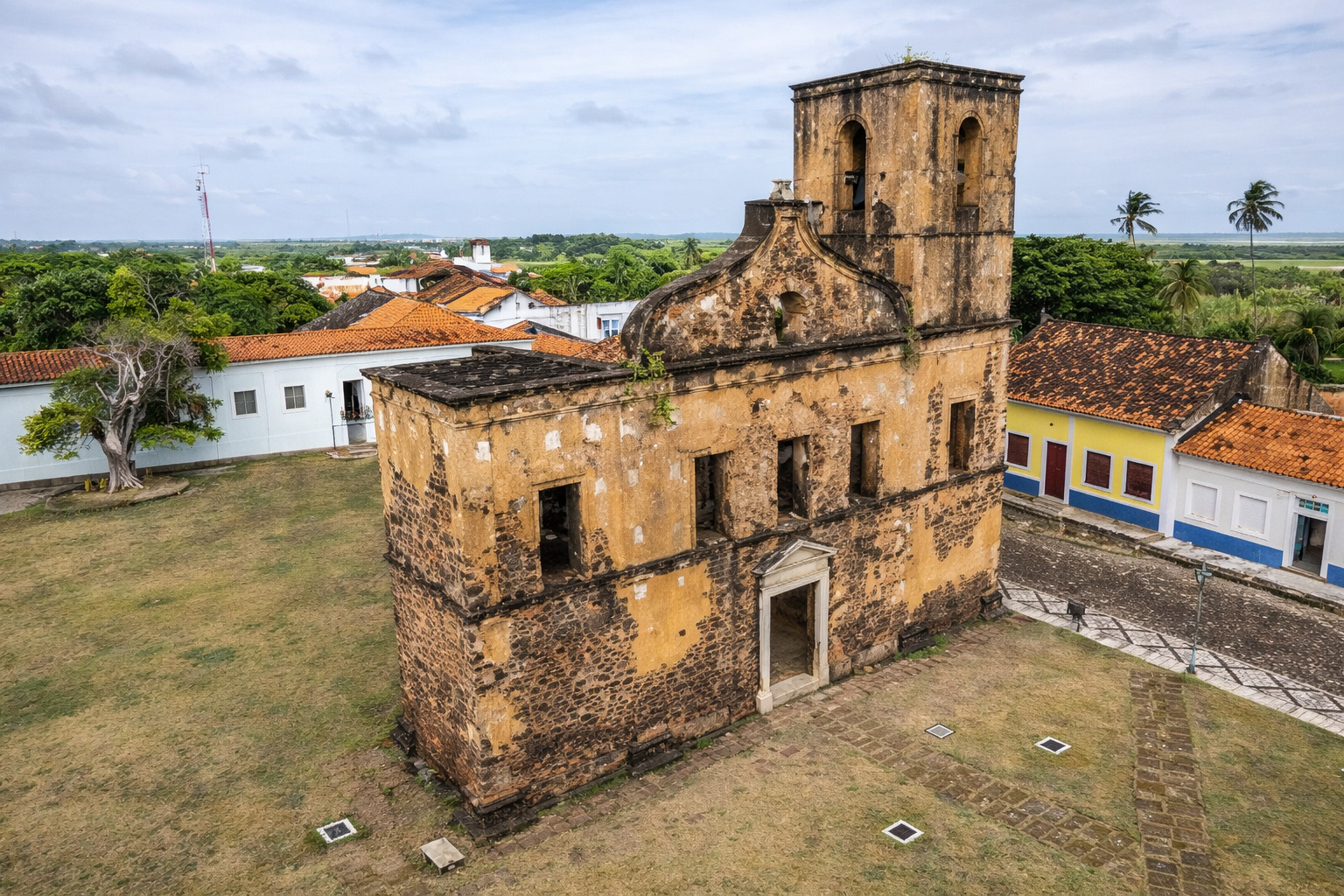
The Brazilian colonial city that stopped in time and shares territory with a rocket launch base.
-
79-year-old woman challenges limits, visits 193 countries in the world after 56 years of planning and reveals the behind-the-scenes of a global journey that few have managed to accomplish.

-
These are the drivers who may stop paying tolls on highways in a project that promises to reduce costs for those who live from transportation in Brazil.

-
(Video): Italian pilot lands plane on moving train at 120 km/h and achieves unprecedented feat in aviation, even with a narrow runway and without direct visual contact.


Studies in phonetics and psycholinguistics indicate that the humor present in some words is associated with how they sound, the way they are pronounced, and the context in which they appear.
Experts affirm that elements such as onomatopoeia, alliteration, and rhythm are fundamental for a term to be perceived as comic or fun.
According to observations by linguists and surveys in dictionaries and specialized portals, hilarious words in Portuguese stand out not only by their meaning but also by their musicality, cadence, and even the strangeness they provoke.
This phenomenon is observed in different languages but gains unique particularities in Brazilian Portuguese, marked by regional diversity and popular creativity.
Why Do Some Words Sound Funny?
The laughter caused by some words is a direct result of specific phonetic characteristics.
According to scholars of language processing, the funniest words in the Portuguese language generally exhibit:
- Onomatopoeias: Terms that imitate sounds, like “zunzunzum,” provoke laughter by playfully reproducing everyday noises.
- Alliterations: The repetition of syllables or phonemes, as in “siricutico,” intensifies the sound effect and makes the word more memorable.
- Rhythmic Pattern: Words with unexpected cadence, like “balacobaco,” capture the listener’s attention and create surprise.
- Semantic Strangeness: Regional or less common terms, with unusual meanings, also reinforce the comic aspect.
List of the 7 Funniest Words in Portuguese
Diverse informal surveys on reference websites about the language gather terms frequently cited as examples of linguistic humor.
Below, discover seven of the funniest words in the Portuguese language, along with explanations about the context and the reason each is recognized for its comedic potential:
- Siricutico
Traditionally associated with the feeling of restlessness or involuntary agitation, the word “siricutico” is often used to describe that bodily anxiety typical of someone who cannot stay still.
The rapid rhythm of the pronunciation and the caricatured sound make the term a classic among hilarious words in Portuguese.
- Balacobaco
Widely used to express something considered out of the ordinary, surprising, or extremely fun, “balacobaco” relates to lively situations or intense parties.
The play of syllables and the enthusiastic tone make it one of the most striking and funny expressions in the language.
- Mequetrefe
Defined as a meddlesome, insignificant, or unqualified person, “mequetrefe” stands out for its ending in “-efe” and the sequence of short sounds, which reinforces the comic aspect.
The term is present in different regions of Brazil, being frequently used in informal conversations and even in humorous chronicles.
- Bugiganga
Designating objects of little value or utility, “bugiganga” appears in everyday language to refer to knick-knacks, trinkets, or disposable utensils.
The combination of the sounds “gi-gã-ga” gives the word a peculiar musicality, responsible for much of its fun effect.
- Geringonça
The term “geringonça” describes any improvised object, with dubious functionality or strange appearance.
The prolongation of the sound and the difficult articulation create a sense of disorder and clumsiness, enhancing the humorous character of this expression, widely used since the 19th century in Brazil.
- Piripaque
The word “piripaque” gained popularity as a synonym for sudden fainting or a nervous crisis, often in an exaggerated or comic manner.
Its explosive pronunciation and the way it appears in everyday dramatic situations contribute to the laughter and solidify the term among the funniest words in the Portuguese language.
- Serelepe
Possibly linked to the French term “serelepe,” this word refers to children or adults who are extremely active, restless, and full of energy.
The light and bouncy sound of “serelepe” reflects the very agitated movement it seeks to describe, reinforcing its inclusion in lists of hilarious words in Portuguese.
What Does Science Say About Funny Words?
Although there are currently no Brazilian academic studies that officially classify the funniest words in the Portuguese language, there are international research studies in the field of psycholinguistics that analyze the relationship between sounds, linguistic patterns, and humor.
A survey conducted by the University of Warwick in the United Kingdom evaluated over five thousand words in English and identified that abrupt syllables, explosive consonants like “p,” “t,” and “k,” along with repetitive patterns, increase the comic potential of certain terms.
Such results have been utilized by Brazilian linguists to explain why, in our language, words like “piripaque” or “bugiganga” cause the same effect.
The phenomenon is linked both to the sound form and to the unexpected meaning of each term, composing the universe of hilarious words in Portuguese.
Do Funny Words Change from Region to Region?
Yes. The regional variety of Brazilian Portuguese means that certain funny terms are more common in specific states or cities, while in other locations they may be almost unknown.
The influence of local vocabulary, customs, and even accents contributes to the perception of linguistic humor varying widely.
In the Northeast, for example, words like “mequetrefe” and “geringonça” are more frequently used, while in the South and Southeast, terms like “bugiganga” and “serelepe” gain more prominence in popular expressions.
Is There an Official List of the Funniest Words in Portuguese?
There is no officially recognized national or scientific list unanimously regarding the funniest words in the Portuguese language.
However, reference dictionaries, specialized portals on language curiosities, and linguistic studies frequently highlight expressions that repeat in these surveys.
The criteria generally take into account factors such as sound, regional use, comic potential, and unusual meaning.
In light of these curiosities, have you ever stopped to think about which of these funniest words in the Portuguese language is part of your daily life? Or which other expression should join this list of hilarious words in Portuguese?






Seja o primeiro a reagir!