





 Portuguese
  English
  Spanish
 3 min of reading
  0 comments


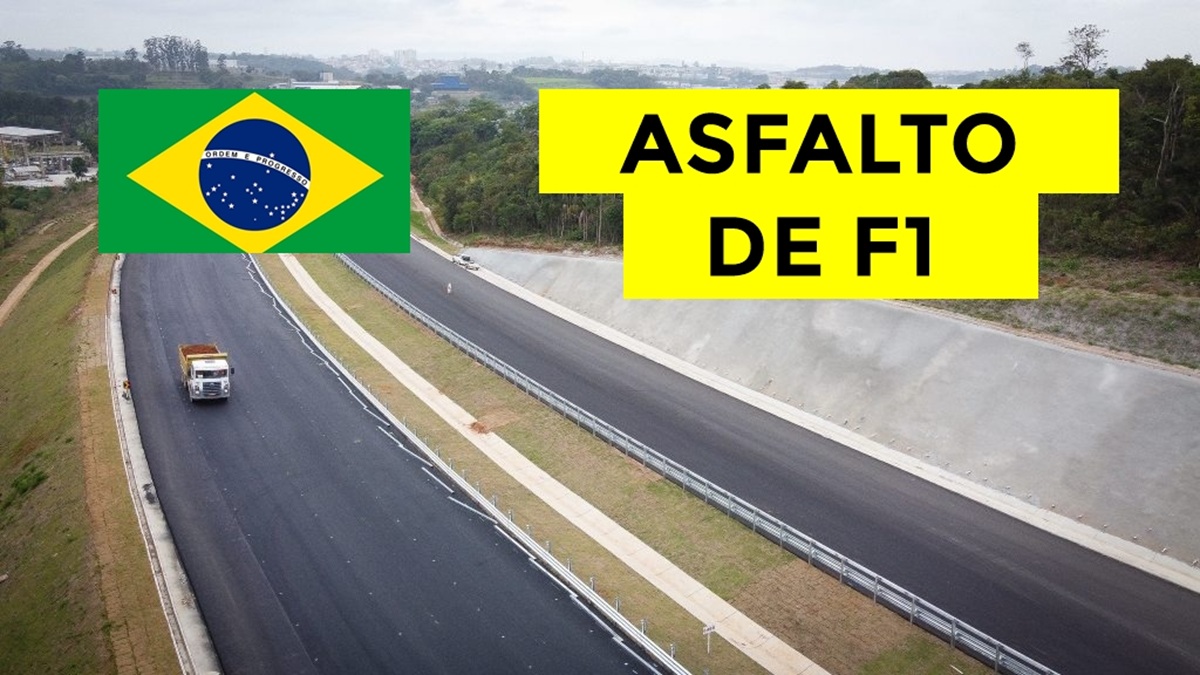
North Section of the Mário Covas Ring Road, with 44 Kilometers between Fernão Dias and Dutra, Total Investment of R$ 3.4 Billion and Inauguration on December 22, Adopts International Standard SMA Asphalt Used on Formula 1 Tracks to Increase Safety, Durability, and Road Comfort
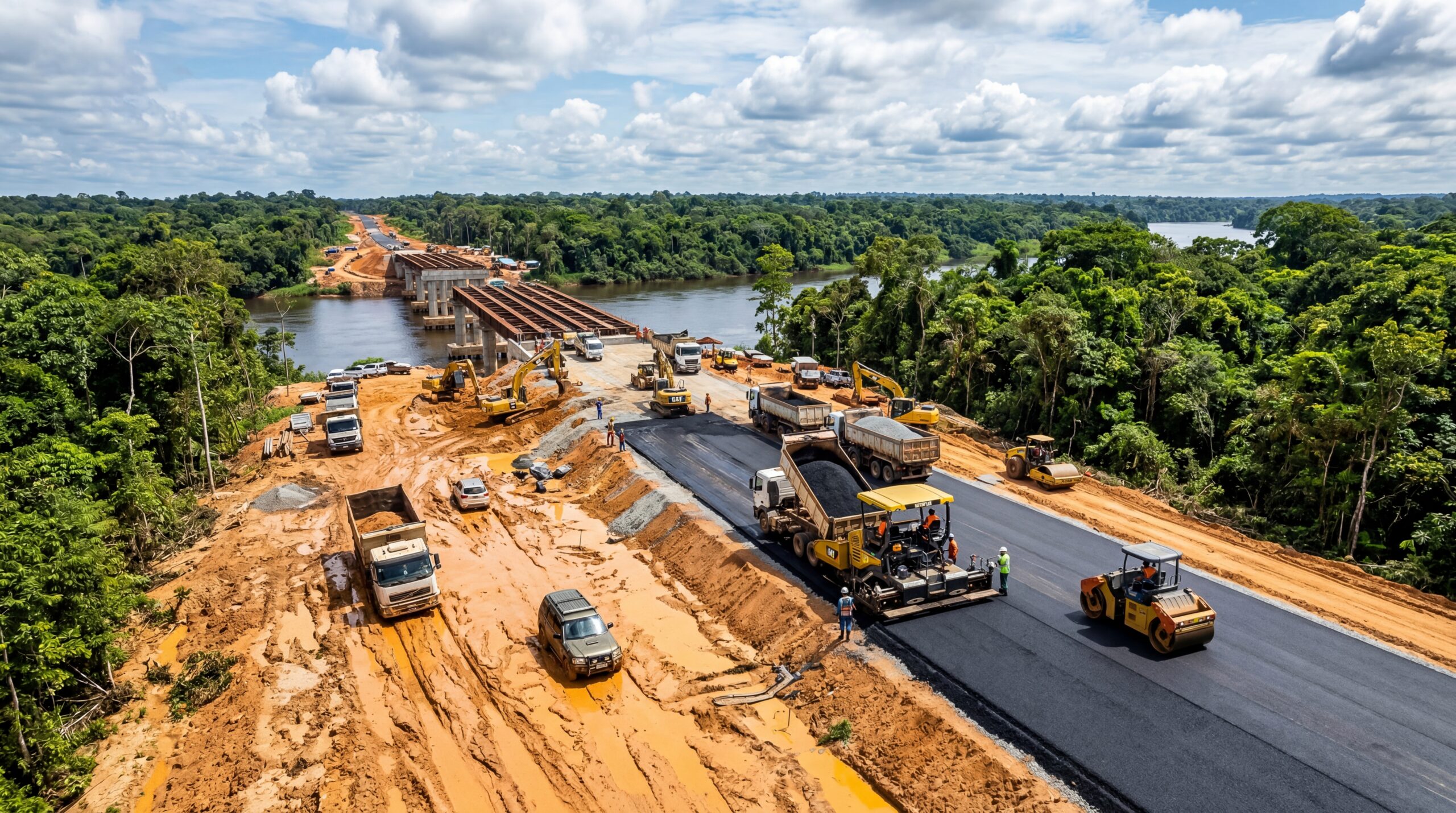
The first half of the North Section of the Mário Covas Ring Road will be inaugurated next Monday (22) by the Government of São Paulo, connecting the Fernão Dias and Presidente Dutra highways with 44 kilometers and introducing SMA asphalt, an international standard technology applied to Formula 1 tracks.
The new section of the Ring Road reaches the metropolitan road system with the adoption of Stone Mastic Asphalt, known as stone matrix asphalt, applied in the final layer of the pavement and aimed at high-performance highways.
The SMA coating offers greater grip, comfort, and resistance compared to traditional asphalts, prolonging the lifespan of the track and reducing marks caused by heavy traffic and high temperatures over time.
-
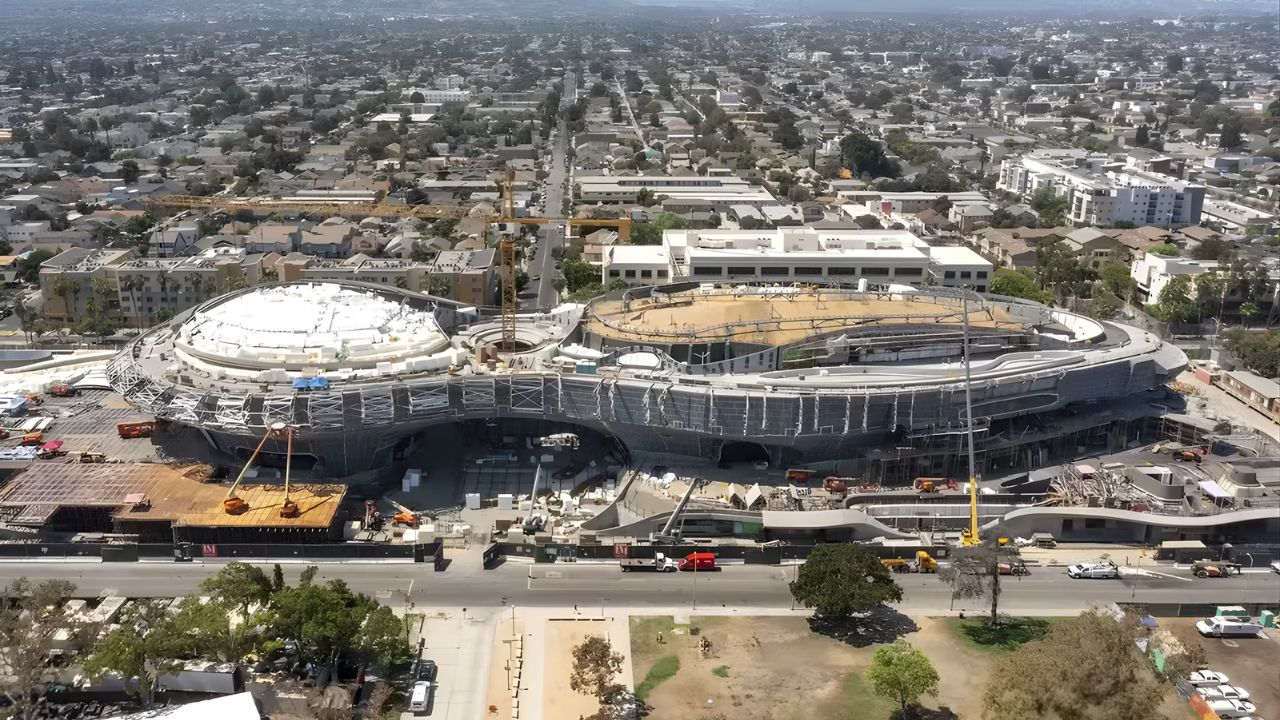
Created by George Lucas with over $1 billion, a futuristic museum in the shape of a spaceship with 1,500 curved panels is about to open in Los Angeles and will house one of the largest private collections of narrative art in the world.
-
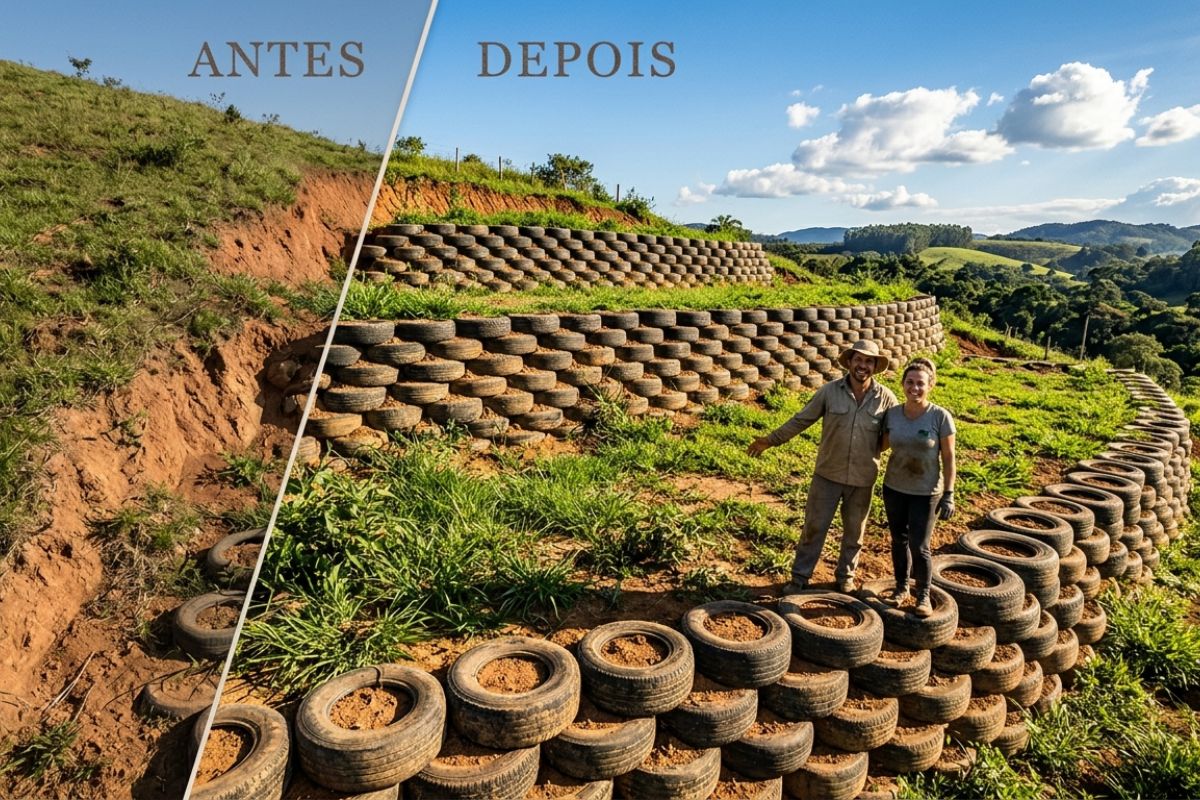
Couple shows how they built a retaining wall on their property using 400 old tires: sloped land turned into plateaus, tires are aligned, filled, and compacted with layers of soil, with grass helping in support and at almost zero cost.
-
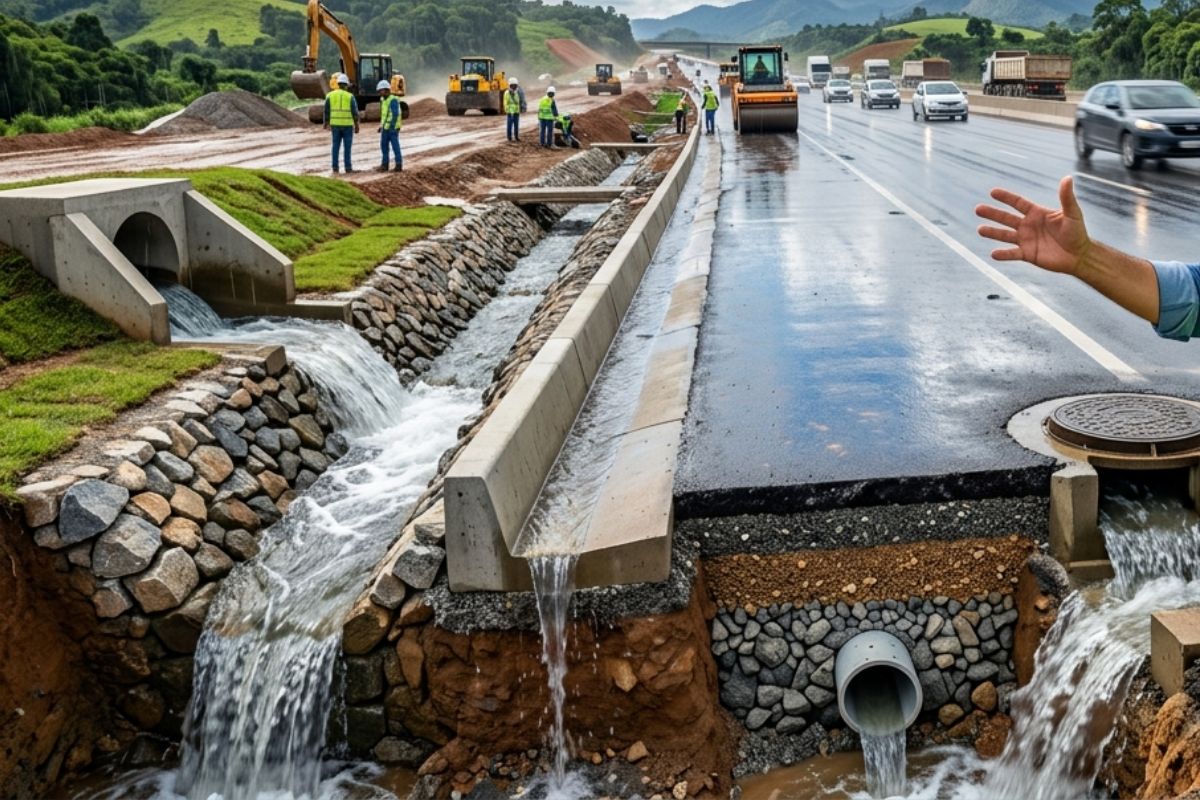
Engineer explains drainage during the rainy season: the difference between surface water and deep water, ditches, gutters, and water outlets on the road, as well as drains and drainage mattresses, to prevent erosion, aquaplaning, and flooding at the construction site today.
-
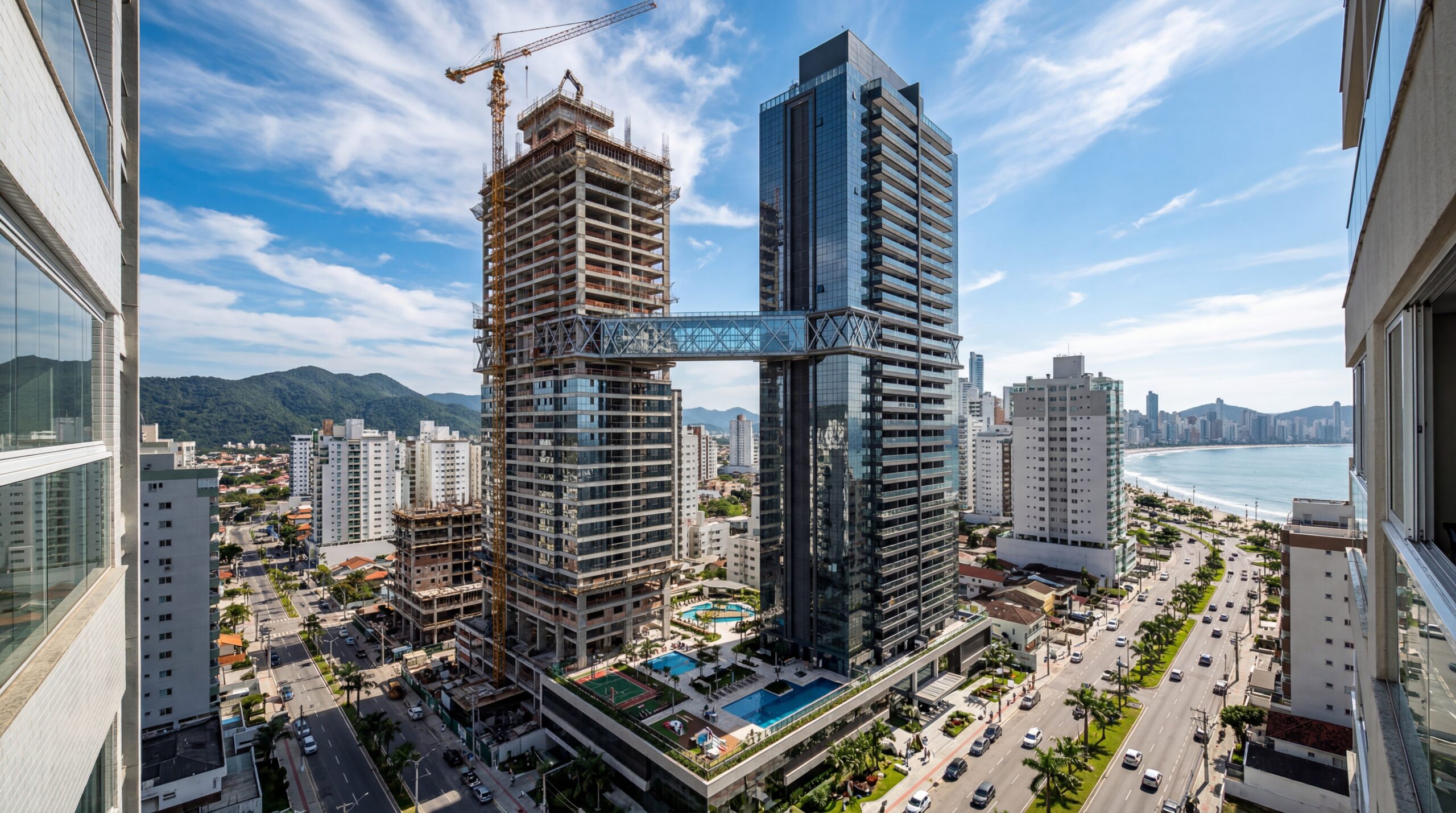
With 55 floors, 177 meters in height, a 15-meter walkway between the twin towers, ventilated facade, and 6,300 m² of leisure space, Ápice Towers already has one tower completed and another nearly at the top.

High-Performance Pavement Applied to the North Section
The SMA finish features a more granular texture, forming a resistant layer that maintains a smooth surface for a longer time and prevents deformations caused by the continuous weight of vehicles, even on high-volume freight corridors.
In practice, the technology results in a more stable drive, with reduced bumps and greater predictability for the driver, directly contributing to road safety and the comfort of users of the metropolitan ring.
Another significant benefit of the coating is the improvement in surface drainage, which favors rainwater runoff and reduces the risk of aquaplaning, especially during periods of heavy rainfall.
Thus, the North Section now has an international standard pavement designed to reduce noise, enhance structural durability, and withstand deformations generated by heat and constant heavy traffic.
Technical Composition and Quality Control of SMA
The main difference of SMA lies in its composition, based on high-quality aggregates that form a structure highly resistant to deformation and capable of maintaining stability over the years.
The asphalt binder used acts as an elastic glue, filling structural voids and ensuring superior adhesion between the components, which reinforces the durability and performance of the pavement under severe usage conditions.
The production of the material takes place in plants with strict control of dosages and temperature, including the concessionaire’s own plant and qualified suppliers, all subjected to the same technical standards and continuous laboratory checks.
The exception to the use of SMA occurs in the tunnels of the North Section, where rigid concrete pavement was adopted, a solution considered safer for confined environments with specific operational characteristics.
Jobs, Schedule, and Regional Impact
The works on the North Section of the Ring Road resumed in April 2024, with an advance of about six months compared to the originally planned contractual schedule, accelerating the delivery of the infrastructure.
Currently, the site employs approximately 5,000 professionals, with expectations of generating around 10,000 direct and indirect jobs throughout the project’s execution period.
With a length of 44 kilometers, the new section interlinks the municipalities of São Paulo, Guarulhos, and Arujá, completing the metropolitan road ring and helping to reduce heavy traffic on urban roads.
The project accounts for a total investment of R$ 3.4 billion, with R$ 1.35 billion from the State and R$ 2 billion from the concessionaire, coordinated by the Secretary of Partnerships in Investments and supervised by Artesp, reinforcing the strategy for modernizing São Paulo’s infrastructure.









-

Uma pessoa reagiu a isso.