





 Portuguese
  English
  Spanish
  5 min of reading
  0 comments


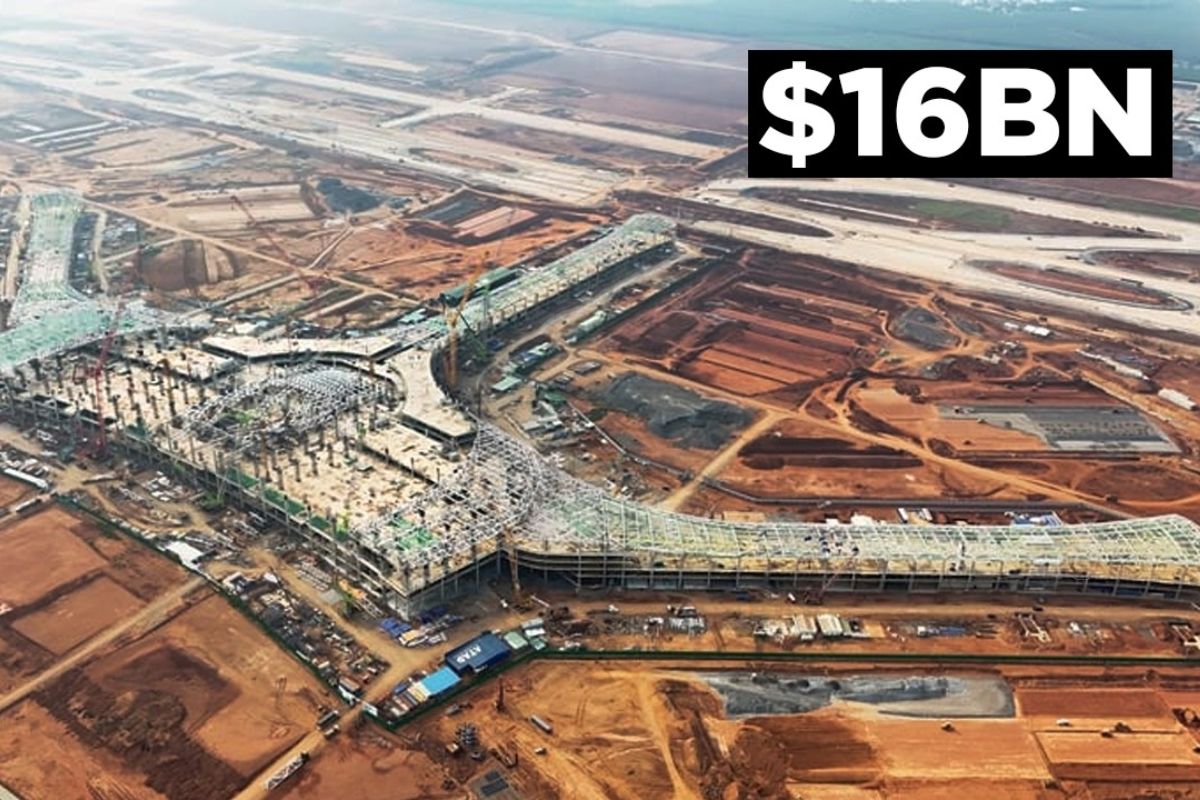
In The New Billion-Dollar Race, Vietnam Builds Long Thanh To Relieve Tan Son Nhat In Ho Chi Minh And Try To Turn It Into The Great Airport Of Southeast Asia, On An Area Of 5,000 Hectares, With Four Terminals, Four 4,000-Meter Runways And Expansion In Three Phases Up To 100 Million Passengers.
The new billion-dollar race for air infrastructure in Southeast Asia gained traction when more than 100 million people visited the region in the year prior to Q1 2025, and demand continues to rise with new tourist flows.
With airports nearing capacity and expansion plans multiplying, Vietnam has placed Long Thanh at the center of the strategy: a US$ 16 billion airport aiming to absorb the saturation of Tan Son Nhat and compete as a regional hub.
Why The New Billion-Dollar Race Turned Into A Battle For Mega Hubs In Southeast Asia

The projection mentioned for the next twenty years is straightforward: Boeing expects air traffic to Southeast Asia to more than triple.
-
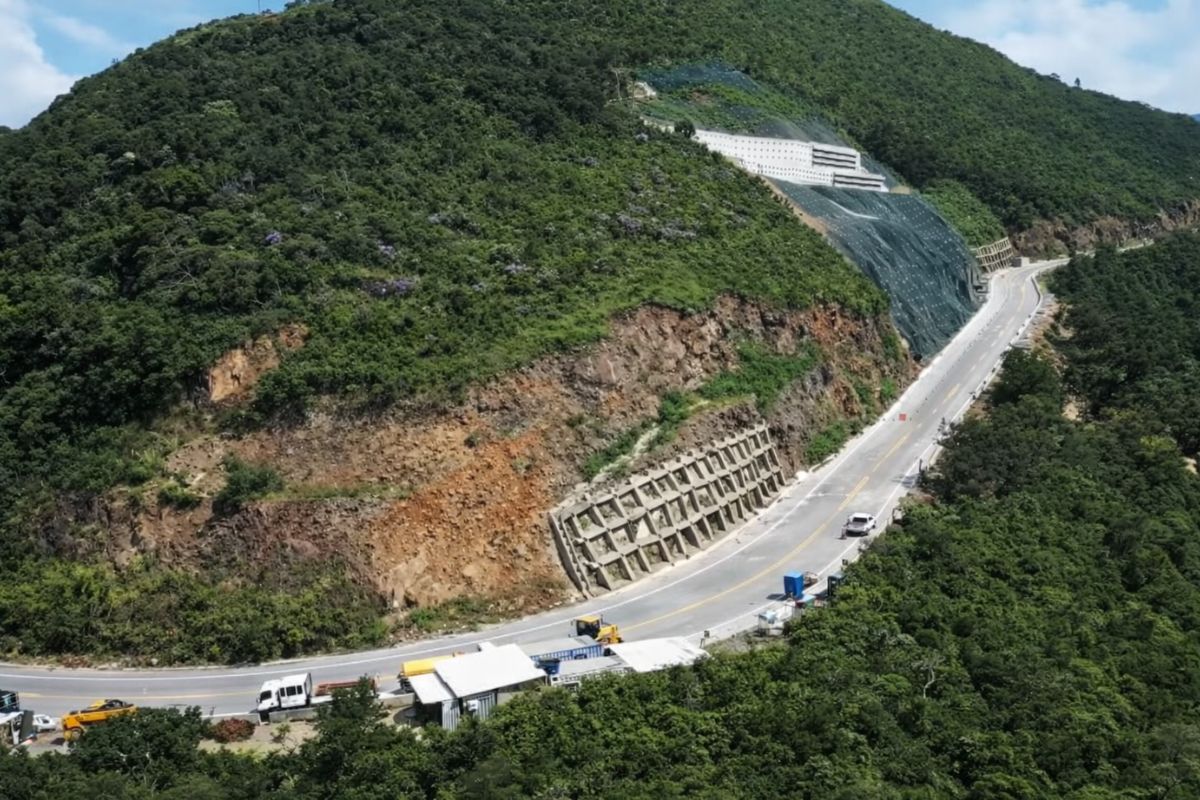
The section of Serra da Rocinha on BR-285 is now open in Timbé do Sul: 50 m tensioned curtains and top-down technique stabilize the slope, with a stairway duct controlling the water.
-
Scientists use sawdust mixed with clay to create a lighter brick, promising efficient thermal insulation and impressing by transforming waste into a solution for construction.

-
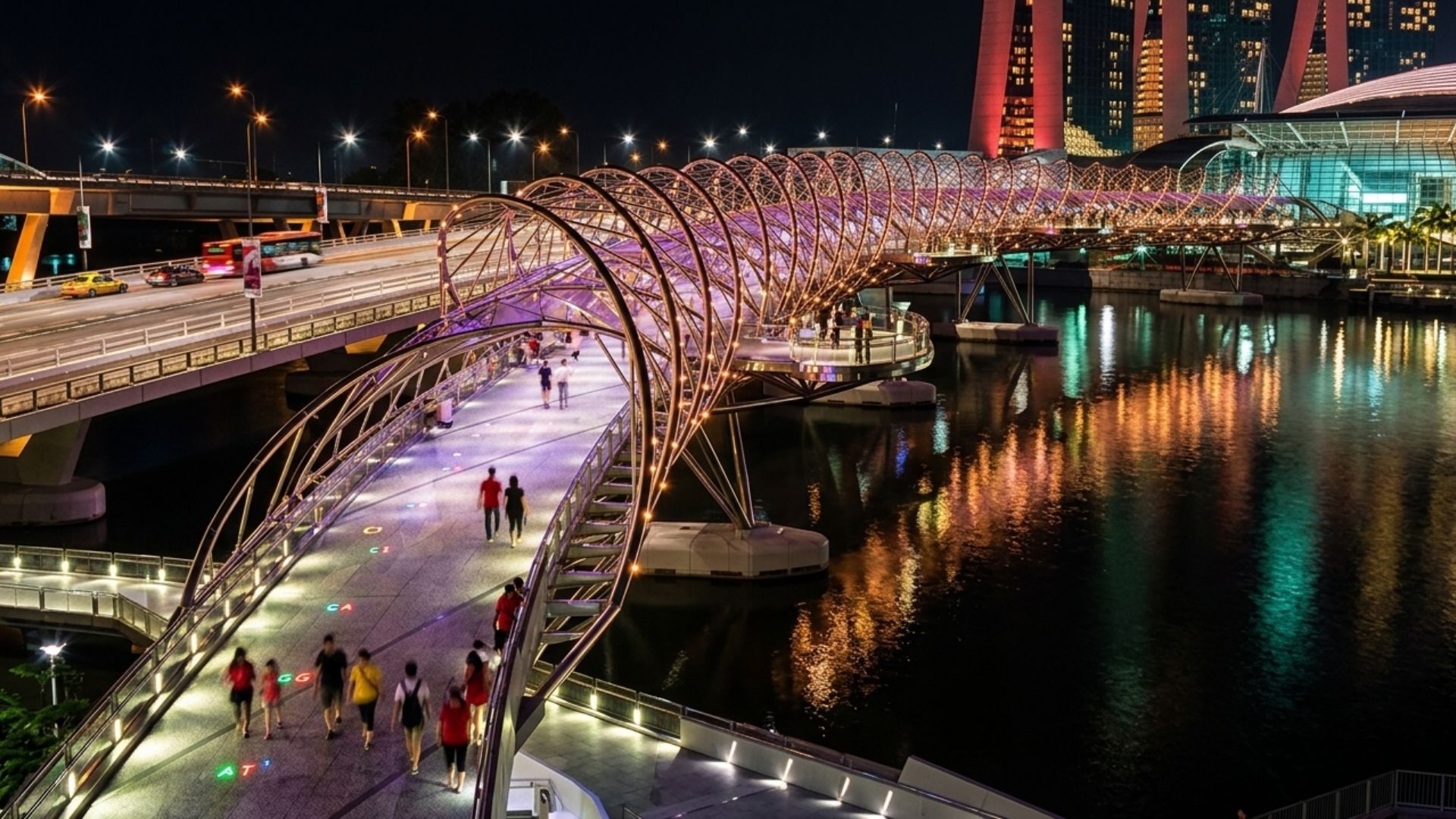
With a DNA shape, this bridge in Singapore draws attention in modern architecture and surprises tourists by transforming a simple crossing into an unforgettable visual experience in the urban heart.
-
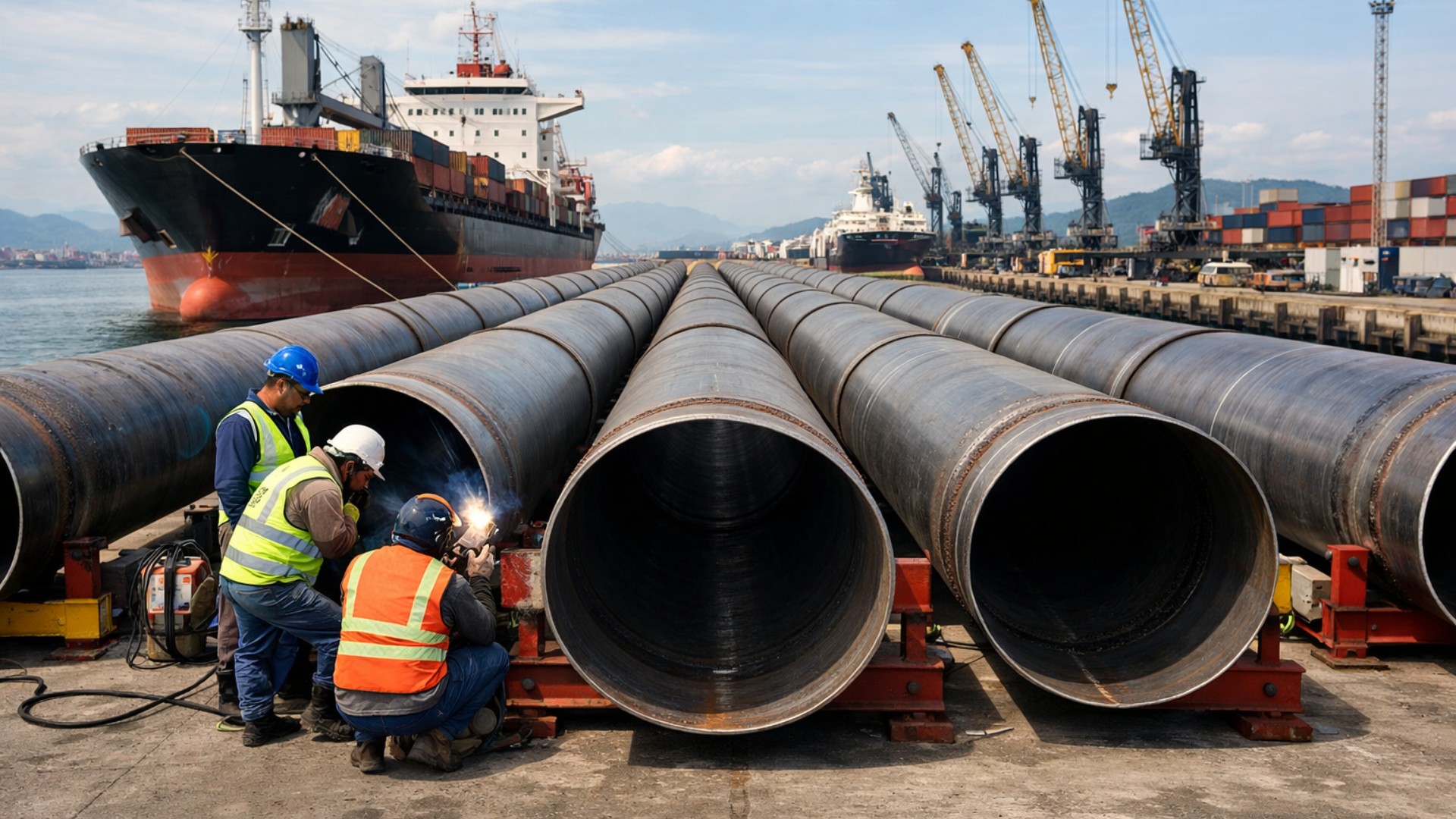
Giant underwater pipeline begins to take shape with a R$ 134.7 million project at the Port of Santos: the 1.7 km structure uses 12-meter and 700 mm pipes to supply water to 450,000 people in Guarujá.

With this outlook, the new billion-dollar race ceased to be an isolated endeavor and turned into a competition for capacity, connectivity, and scale.
Singapore is expanding Changi, described as the largest airport in the region, with about 60 million visitors per year.
The plan includes US$ 10 billion for a Terminal 5, and the total capacity cited for the complex could reach 150 million people when delivery occurs in the mid-2030s.
In parallel, Malaysia aims to expand Kuala Lumpur International to 150 million per year, Thailand is redeveloping Suvarnabhumi to 120 million, and the Philippines is building Bulacan, a new airport costing US$ 14 billion that could accommodate 100 million people per year.
Long Thanh In Vietnam: An Airport Of US$ 16 Billion To Relieve Tan Son Nhat

Long Thanh emerges as the most ambitious bet of this new billion-dollar race.
The project has been described with a cost of US$ 16 billion and an area of 5,000 hectares, more than four times the size of London Heathrow.
The immediate justification is 40 kilometers away: Tan Son Nhat, in Ho Chi Minh, receives around 40 million people per year and is considered overcrowded, with no space for expansion due to being surrounded by urban development.
However, the ambition goes beyond creating an escape. Vietnam seeks to position Long Thanh as the major international airport in Southeast Asia.
The design envisions four terminals inspired by the shape of a lotus flower, along with four runways, each measuring 4,000 meters.
Engineering And Timeline: Three Phases Until 100 Million Passengers
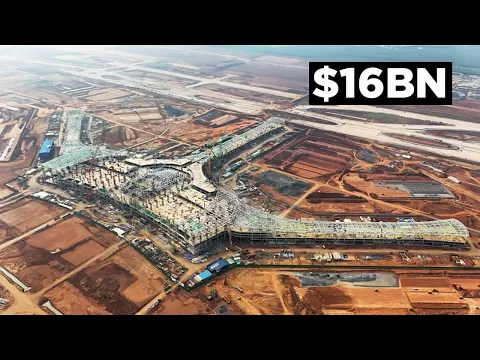

The construction of Long Thanh has been divided into three phases. In phase 1, the focus begins before the concrete: clearing forested land and leveling the ground.
In 2018, it was reported that nearly 2,000 vehicles and machines were working at the site in large earth-moving operations, with excavation, filling, and compaction within the airport perimeter.
During these excavations, a historical risk halted progress at critical moments: bombs and mines left over from the Vietnam War, which needed to be removed before construction could proceed.
With the area deemed safe, phase 1 moves forward with the first terminal, one runway, and the control tower.
The initial terminal has been described as 373,000 m², distributed over four levels, with a steel structure supported by columns and reinforced concrete beams.
The roof adopts a concept of free span of 82 meters, without being supported by a large number of internal columns, to maintain open areas.
The roofing has been described with thousands of tons of steel in five layers, designed to insulate, waterproof, and increase durability.
On the air side, the pouring of the first 4,000-meter runway has been reported.
The control tower, at 123 meters, has been designed to resemble a lotus bud. To isolate the site, the project includes a perimeter wall of 8,668 meters.
By the end of phase 1, the cited capacity is 25 million passengers and 1.2 million tons of cargo per year.
Phase 2 adds two more terminals and an additional runway. In phase 3, the fourth terminal and two new 4,000-meter runways will raise the target to 100 million passengers and five million tons of cargo, comparable to Hartsfield-Jackson in Atlanta.
Connecting The Airport To The Surroundings: The Bottleneck Of 40 Kilometers
The logistical challenge arises from the practical question: how to transport a volume of passengers from an airport of this size to Ho Chi Minh.
The material mentions the transformation of the roadway system around the site and, in addition to the 40-kilometer road route, plans for two railway lines connecting the airport to the metropolitan area.
Dust, Health, And Crops: The Crisis Of Red Basalt Soil
The most visible problem described so far did not come from steel or concrete, but from the ground.
The Long Thanh site sits on red basalt soil, and when disturbed, it generates dense clouds of dust.
It was reported that the dust spread to residential areas up to seven kilometers away, carried by the wind and the wheels of thousands of vehicles.
Residents reported respiratory issues and said that the coughing has worsened compared to the height of the pandemic.
The dust also covered crops: with leaves coated, the plants cannot photosynthesize and can die quickly.
The responses mentioned include reservoirs for watering the soil and speed limits to reduce dust dispersion, but the material indicates that the measures did not eliminate the problem.
The Cost Of Curves And The Risk Of Debt In A US$ 16 Billion Project
Since the proposal in 2006, cost has been at the center of criticism.
The design with lotus curves requires geometry more complex than architecture with right angles, which increases work and technical difficulty.
The material also points to physical limitations: concrete can become more brittle in curved geometries, and thicker steel requires additional effort for shaping.
The cited concern is that loans to finance Long Thanh, in a country still on a growth trajectory, could create long-term debts capable of putting pressure on public accounts if demand does not materialize at the expected rate.
Tourism, Forecast, And Staged Bet In Vietnam
According to the data cited, Vietnam recorded, in Q1 2025, the sixth highest growth of international arrivals in the world, with an increase of 30% compared to the same period in 2024, leading the Asia-Pacific region.
This acceleration connects to the new billion-dollar race: infrastructure chases tourism, while tourism depends on infrastructure.
The project tries to reduce risk by progressing in stages, allowing adjustments to the expansion of Long Thanh according to occupancy.
Still, the regional competition remains open, with Changi and other airports advancing from already consolidated positions.
The new billion-dollar race in Southeast Asia is being fought in the details of runways, terminals, and ground access, but also in environmental and social costs around each airport.
If you follow aviation, logistics, or tourism, it’s worth monitoring the phased schedule of Long Thanh in Vietnam and the real evolution of passengers and cargo throughout the implementation.
Do you think Long Thanh will become the symbol of efficiency in this new billion-dollar race or the most expensive example of risk?









-

-

-

4 pessoas reagiram a isso.