





 Portuguese
  English
  Spanish
  5 min of reading
  0 comments


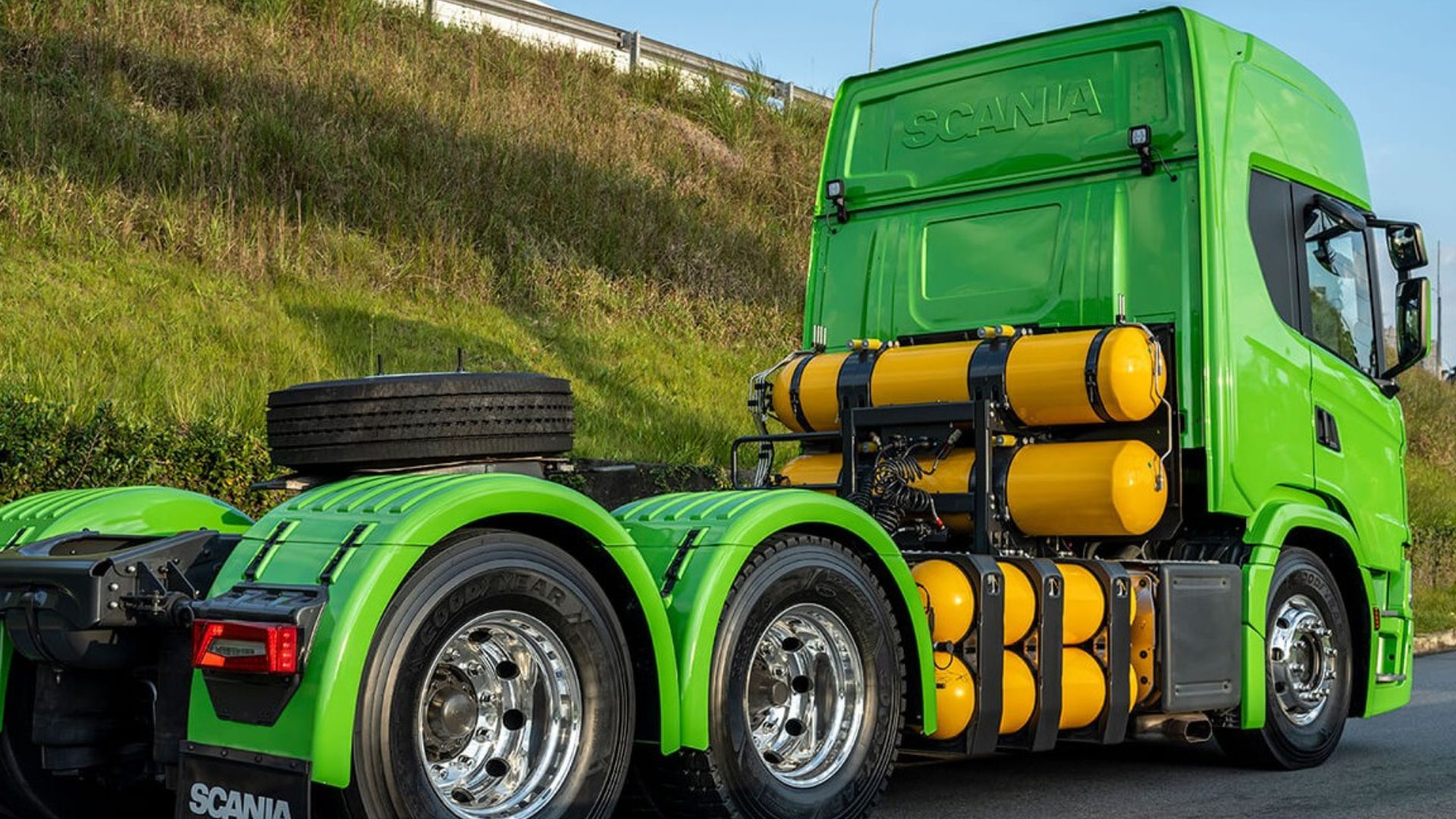
Partnership Between Atvos and Scania Bets on a Logistics Fleet Powered by Biomethane to Reduce Emissions, Increase Operational Efficiency, and Strengthen Sustainable Transport in Brazilian Agribusiness.
Atvos and Scania announce a significant initiative for sustainable transport in Brazilian agribusiness, formalizing a strategic partnership for the implementation of a logistics fleet powered by biomethane. According to a report published by the site Cana Online and other outlets this Thursday (29), the project combines in-house production of renewable fuel, technology applied to heavy transport, and real gains in operational efficiency. Since the official announcement held at the Atvos headquarters in São Paulo, it has been clear that the initiative goes beyond substituting diesel.
Partnership Between Atvos and Scania Strengthens Low-Carbon Logistics Fleet
The goal is to structure a low-carbon logistics model capable of reducing emissions, maintaining economic competitiveness, and responding to the growing environmental demands of national and international markets. In this context, the use of biomethane in heavy transport emerges as a concrete and already operational solution, not just as a technological promise.
The partnership between Atvos and Scania was built from operational tests initiated in 2024, when Atvos incorporated the first gas truck into its operations. The results obtained in terms of performance, reliability, and total operating cost proved the feasibility of the model and paved the way for the project’s expansion.
-
Brazil accelerates hydrogen and biofuel projects to consolidate the fuel of the future and reduce dependence on oil by 2026.
-
CNPE strengthens policy and prevents imported biodiesel from being mixed with diesel, aiming to strengthen the Brazilian industry and protect jobs by reducing external dependence amid tensions in the global market.
-
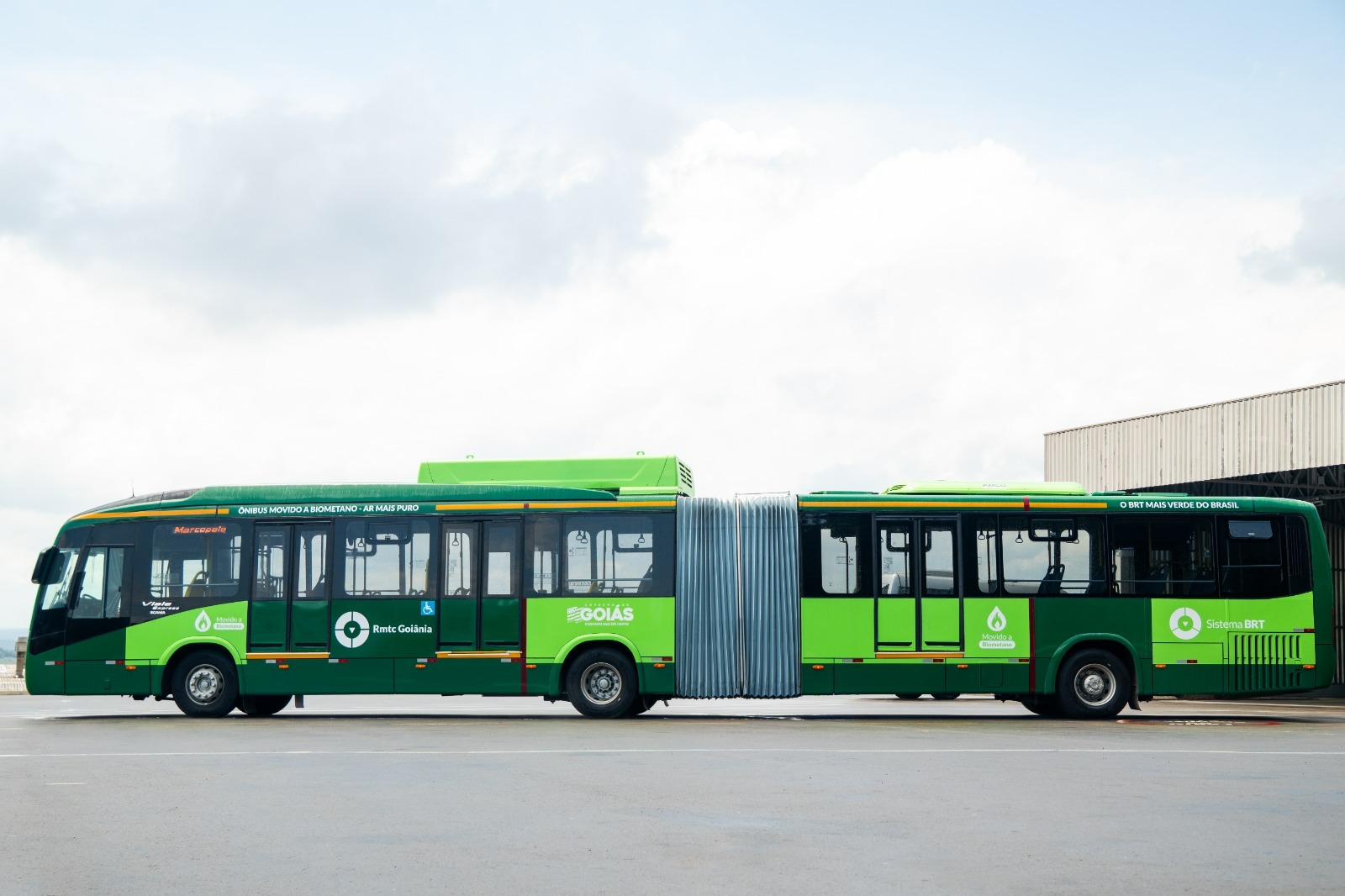
Revolution in public transport: Goiânia puts into circulation the first articulated buses powered by biomethane in Brazil and promises to drastically reduce pollution on the Anhanguera Corridor.
-
From the field to the pipelines: Mato Grosso do Sul accelerates the energy transition and consolidates a new axis in renewable energy with the arrival of a giant biogas plant.
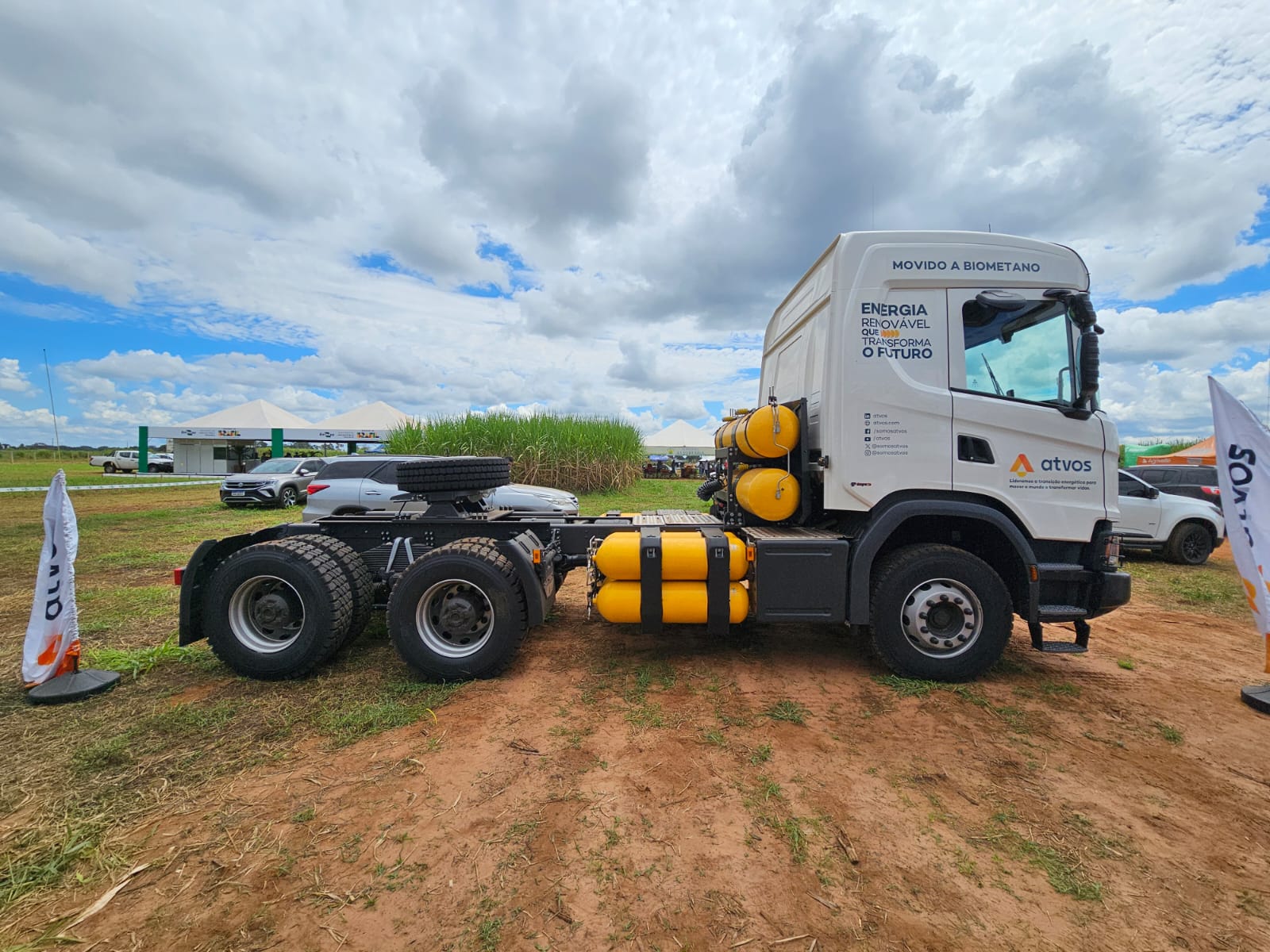

The agreement for the acquisition of new trucks was formalized in the presence of Atvos CEO Bruno Serapião and Scania Brazil President Simone Montagna. The proposal includes not only the supply of vehicles but also an integrated solution that includes dedicated services, maintenance packages, and continuous technical support. This integrated approach strengthens Atvos’s logistics fleet and reduces operational risks, a decisive factor for large-scale operations in agribusiness.

Biomethane Drives Sustainable Transport in Brazilian Agribusiness
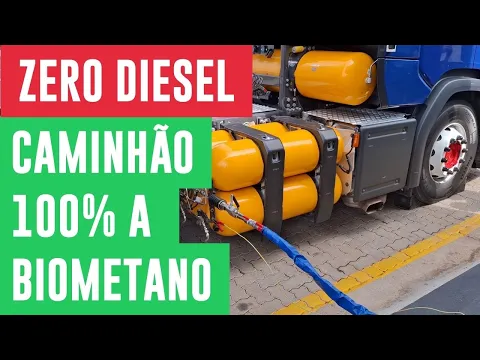
The biomethane used in the operation is produced from sugarcane residues, reinforcing the concept of circular bioeconomy. In practice, 1 cubic meter of biomethane replaces between 0.75 and 0.9 liters of diesel, maintaining performance equivalent to that of conventional trucks.
Internal studies by Atvos indicate that the cost per kilometer traveled with biomethane is already proving competitive under current market conditions. Furthermore, Scania trucks powered by biomethane can reduce CO₂ emissions by up to 90% compared to diesel, as well as decrease noise and particulate matter emissions.
These factors make sustainable transport a strategic advantage for agribusiness, especially in production chains that seek to reduce their carbon footprint.
Operation of the Logistics Fleet at Atvos Units
The new biomethane-powered trucks will operate at the Conquista do Pontal units in western São Paulo, and Eldorado and Santa Luzia, located in Rio Brilhante and Nova Alvorada do Sul, in Mato Grosso do Sul. These regions concentrate a significant portion of the company’s sugarcane transport.
The modernization of the logistics fleet contributes to the primaryization of transport, reducing dependence on third parties and increasing control over costs, efficiency, and emissions.
In addition, reduced maintenance needs and fewer operational stops enhance productivity and predictability of operations. The result is a more efficient logistics operation, aligned with the company’s energy transition goals, without compromising economic performance.

Scania Consolidates Biomethane as a Viable Solution for Sustainable Transport
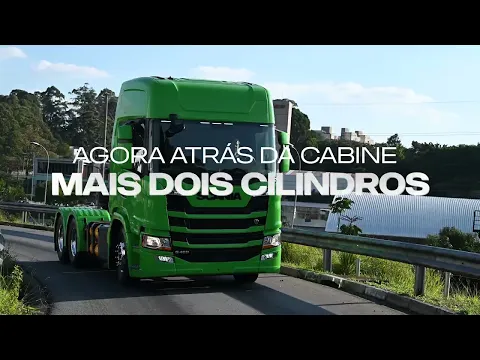
For Scania, the partnership with Atvos confirms that biomethane is already a mature solution for heavy transport in Brazil. According to the manufacturer, the vehicles deliver performance equivalent to diesel, with significant environmental gains and competitive total operating costs.
Simone Montagna emphasizes that the project demonstrates the viability of biomethane in real operations, especially on short and medium-distance routes. Alex Nucci, Sales Director of Solutions at Scania Brazil, points out that the fleet has been tailored to the complexity of the sugarcane operation.
The project also includes five years of warranty, a service package suitable for the operation, and dedicated teams working directly at Atvos units in São Paulo and Mato Grosso do Sul, with support from the PB Lopes dealership.
New Biomethane Plant Reinforces Atvos Energy Strategy
Alongside the implementation of the new logistics fleet, Atvos is advancing the construction of its first biomethane plant in Nova Alvorada do Sul, Mato Grosso do Sul. The unit will occupy an area of 150,000 square meters and will have an installed capacity of 28 million cubic meters of fuel.
The project aims to supply the company’s own fleet, increasing energy self-sufficiency in the long term. In addition to biomethane, Atvos’s portfolio includes ethanol, VHP sugar, and electricity generated from sugarcane bagasse.
This vertical integration strengthens energy security and reduces exposure to fluctuations in the fossil fuel market, while also contributing to national emissions reduction targets.
Economic and Environmental Impacts for Agribusiness
The joint initiative between Atvos and Scania creates a potentially replicable model of sustainable transport for Brazilian agribusiness. The sector, heavily dependent on road transport, faces growing pressure to reduce emissions and increase logistics efficiency.
By adopting biomethane produced from agricultural waste, the operation reduces dependence on fossil fuels, improves competitiveness, and strengthens Brazilian agribusiness’s positioning in markets that value sustainable practices. This is an advance aligned with global demands for cleaner, more efficient, and traceable production chains, especially in international trade.
A New Standard for Sustainable Transport in Brazilian Agribusiness
The partnership between Atvos and Scania establishes a new benchmark for the use of renewable fuels in heavy transport. By integrating logistics fleet, in-house biomethane production, and comprehensive service solutions, the project demonstrates that sustainability and competitiveness can go hand in hand.
More than just reducing emissions, the initiative reinforces the agribusiness’s role as a protagonist in Brazil’s energy transition. The strategic use of biomethane in sustainable transport signals a viable and scalable path, capable of inspiring other companies to adopt similar models and contribute effectively to the decarbonization of the economy.







-

Uma pessoa reagiu a isso.