





 Portuguese
  English
  Spanish
  3 min of reading


Transmission of Charges, Subsidy Policies, and Use of Thermoelectric Plants Are Responsible for the Increase in Electricity Bills
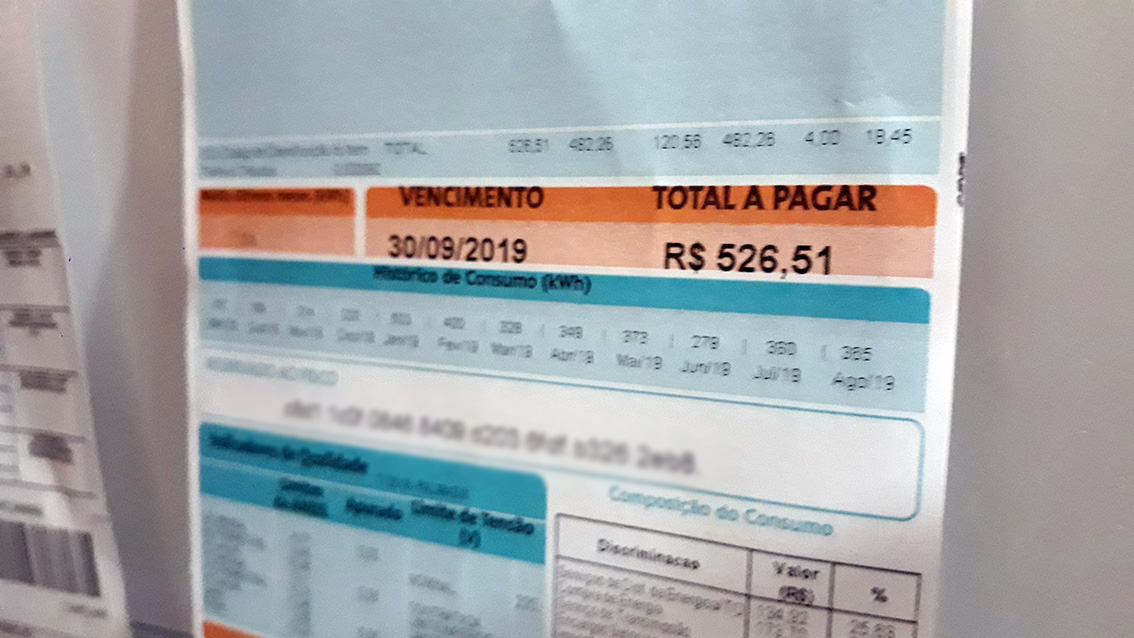
According to the Brazilian Association of Energy Traders (Abraceel), monthly spending on electricity bills has increased by a total of 114% since 2015. Consequently, electricity accounted for 10.65% of the variation in the National Consumer Price Index (IPCA) in 2021, with a fluctuation of 21.21%.
More News:
- Resume and Work Card in Hand for Job Openings in Civil Construction and Maintenance; Technicians, Electricians, Supervisors, Engineers, and Many More Professionals Called Yesterday (01/22) by the Brazilian Infrastructure Services Company
- Vivo Offers 300 Home Office Job Openings for Professionals with Disabilities (PCD) in the Position of Attendant in São Paulo, Rio de Janeiro, Curitiba, Fortaleza, Vitória, and Salvador
- Looking for a Job but Have No Experience? Sotreq, the Official Dealer of Caterpillar Machines and Systems, Calls Recent Graduates for Positions in Its 2022 Trainee Program
In the last seven years, inflation has been 48%, while the electricity bill has exceeded this number by 137%, rising more than double the rate of inflation. In light of this scenario, consumers’ budgets have been frequently adjusted, and now more than ever, the search for energy-saving measures is increasing.
According to financial educator Silvia Machado, only reducing consumption can help control the increase in electricity bills. To achieve this, habits such as unplugging appliances when not in use become essential. “Some actions are well-known but not carried out. Taking advantage of daylight for activities such as reading and taking shorter showers, with the shower set to summer mode, has a significant impact,” emphasizes Silvia.
-
Inflation in March reaches 0.88% according to IBGE and pressures the Brazilian economy, impacting family budgets and requiring more strategic decisions to maintain financial control.
-
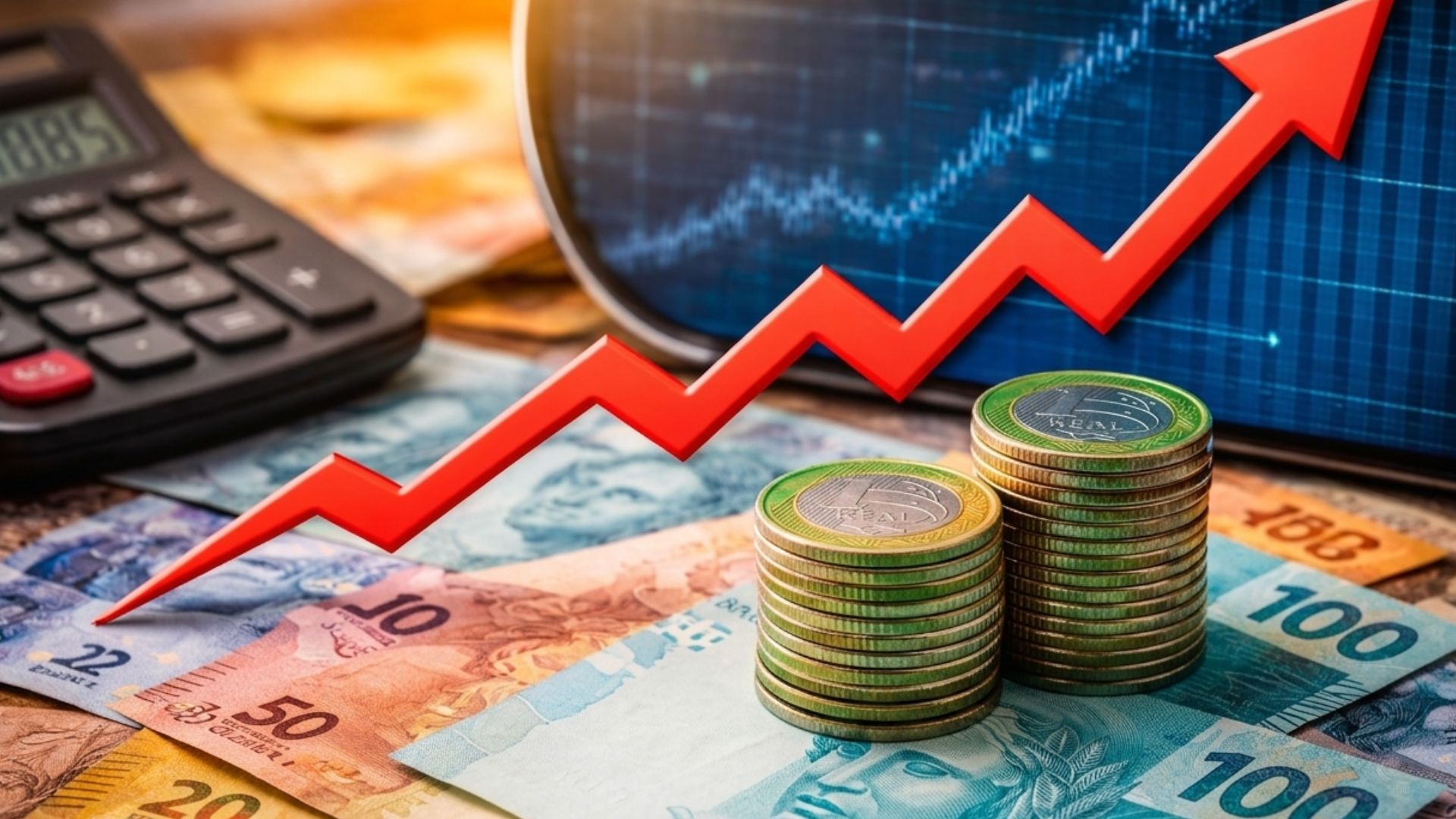
In Paraná, distributor Pacto connects 100% of the load in Coronel Vivida to batteries: a BES of 10 MW and 20 MWh costs just over R$ 30 million and lowers the local tariff now.
-
With a dependence of up to 80% on gas imported from the United States, Mexico is responding with a robust energy strategy, betting on shale gas, creating a scientific committee, and preparing to expand natural gas production to reduce vulnerability and strengthen its energy security in the coming years.

-
The United States proposes to Brazil a critical minerals agreement with a minimum price to combat Chinese dumping and priority for investment, but the Planalto is blocking the signing out of fear of upsetting China and due to electoral calculations in a year of competition.

Due to the water crisis affecting the country and necessitating the activation of thermoelectric plants, the new tariff instituted for this water scarcity scenario will be in effect until April. Thus, R$ 14.20 will be charged for 100 kWh, representing an increase of 49.7% compared to the red flag level 2 (an increase of R$ 9.49).
“Even with more rain in recent days, the volume is not sufficient for the levels to be revised. Therefore, people should avoid using energy transformers, which consume more to convert voltage. And they should be cautious about using air conditioning or heating,” points out Silvia. Additionally, the educator highlights the importance of identifying the efficiency class A label for those planning to buy new appliances for their homes.
What Causes the Increase in Electricity Bills
According to Alexandre Lopes, president of energy at Abraceel, various factors influence the increase in electricity bills for consumers. For him, the market regulation format directly impacts this scenario, in addition to the necessity of using thermoelectric plants during droughts, increasing tariff flags. Even large consumers, such as industries, have suffered from rising electricity bills – despite negotiations, the increase reached 36%.
To lessen the impact of these adjustments on electricity bills, consumers need to pay attention to some precautions in their homes: replace bulbs with LED, which offers greater savings, and unplug devices in standby mode, as they continue to consume energy even when not in use.








Seja o primeiro a reagir!