Portuguese
 Spanish



New legislation sets export licensing requirements starting in 2027, but supply obligations take effect only the following year and exclude Western Australia.
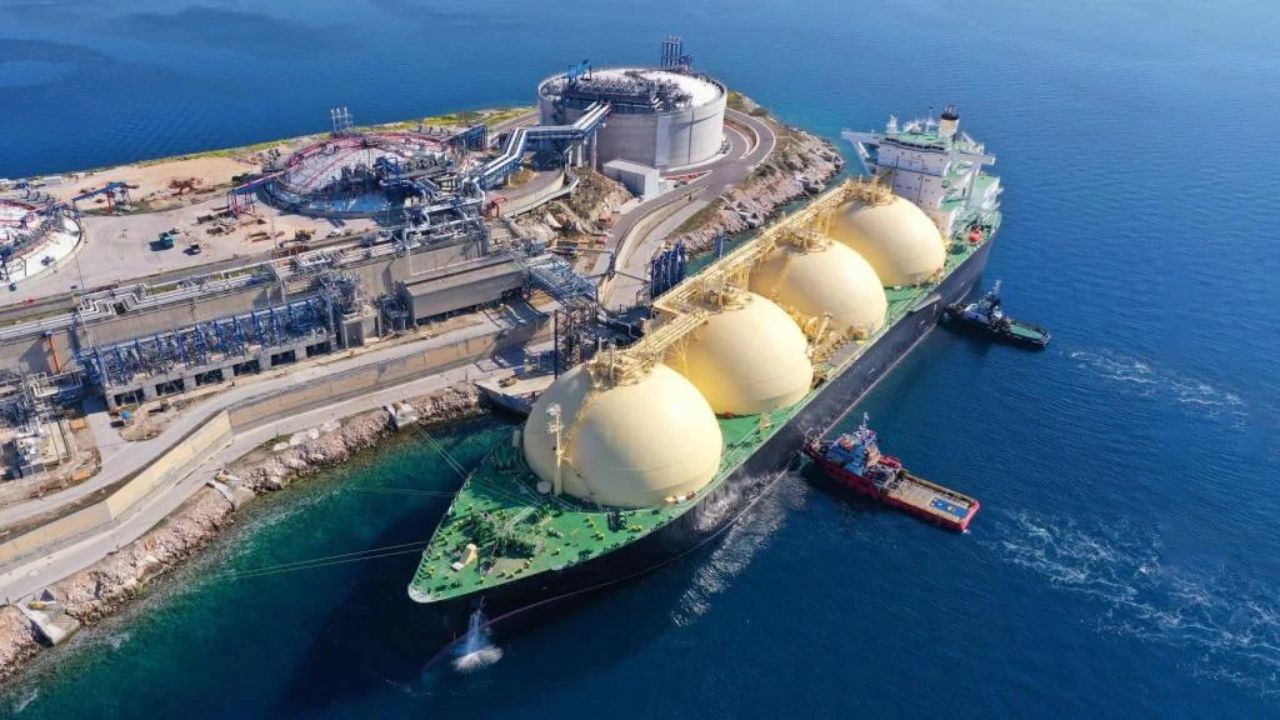
Australia’s Parliament passed a law Friday, November 27, 2026, requiring liquefied natural gas (LNG) exporters to direct volumes equivalent to as much as 20% of their annual exports to the domestic market. Supply obligations will begin in January 2028, with the measure intended to increase fuel availability for households, industries and power generators. The law preserves one important exception: Western Australia will continue to operate its own gas reservation system.
According to a Reuters report published late on November 26 UTC, Prime Minister Anthony Albanese’s government secured passage of the proposal after negotiations with the opposition. The Senate approved the legislation Thursday, and the House of Representatives gave it final approval Friday, before the parliamentary session ended.
Exporters will have to reserve up to 20% of gas starting in January 2028

The law establishes the Domestic Gas Reservation Scheme (DGRS), a national mechanism to ensure that some Australian gas is available for domestic consumption.
-
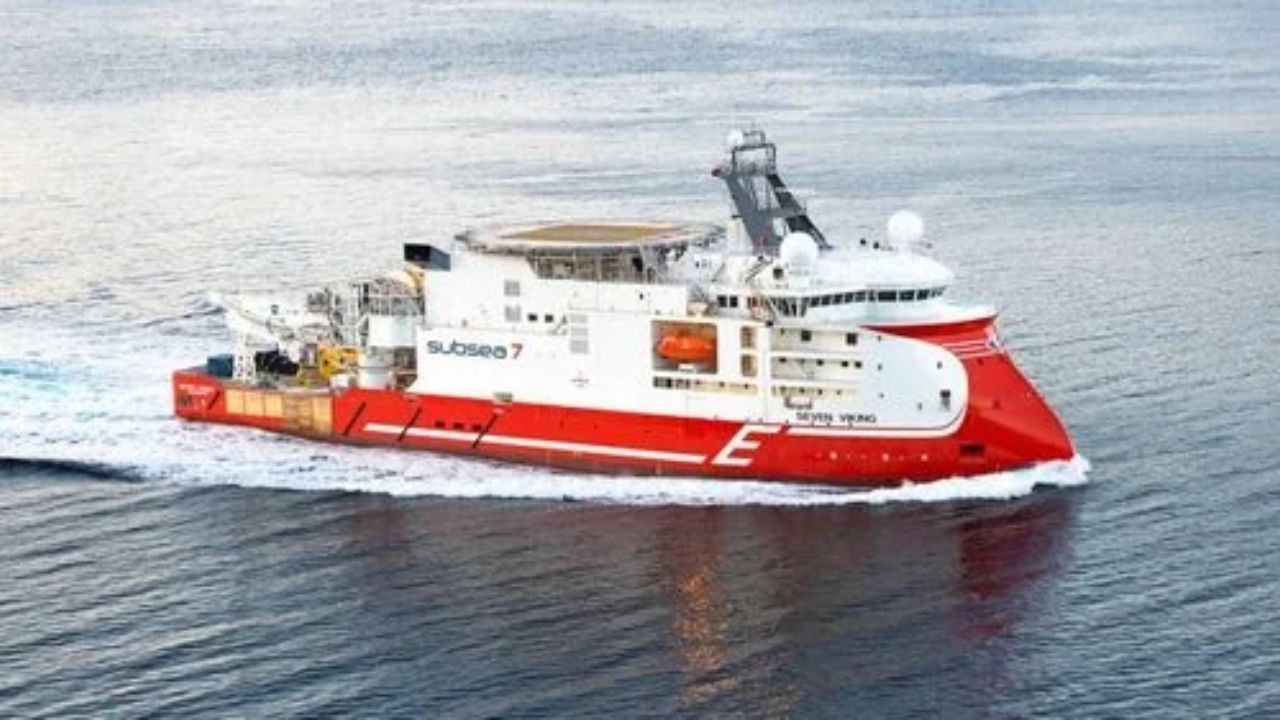
Subsea7’s 13-year-old Seven Viking secures another year of Equinor work in the North Sea under a contract worth up to $150 million through 2028

-
Oil prices rise again after attack hits 400,000-barrel-a-day refinery as OPEC decision nears
-
Two Petrobras rigs idled in Guanabara Bay push Ventura Offshore from a $20.4 million profit to a $12.6 million loss
-
Russia strikes a deal to supply Turkey with gas in 2027 after EU decision

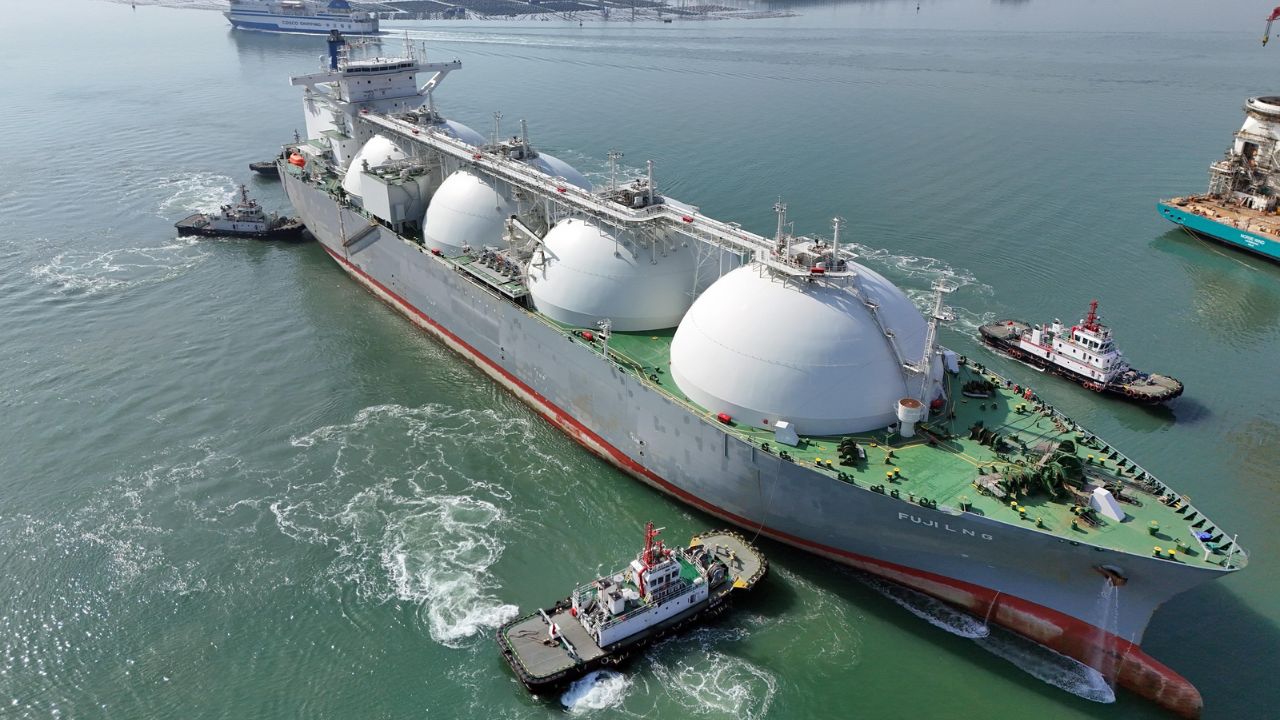
Under rules published by the Australian Department of Industry, Science and Resources, exporting companies will have to obtain licenses and take on an annual domestic supply obligation.
The required volume could amount to up to 20% of the quantities each covered company exports annually. The percentage is a cap under the scheme; it does not mean that one-fifth of the country’s total gas production will automatically be reduced.
The official timeline sets out two stages. The export licensing system is scheduled to begin on January 1, 2027. The requirement to make gas available to the Australian market will start on January 1, 2028.
The one-year gap was set to give companies time to adapt their contracts and meet the supply requirements. Parliamentary approval therefore does not mean that current exports have already been cut.
The Australian Energy Regulator (AER) will administer the program. Decisions on licenses will involve the resources minister, in coordination with other federal authorities.
Government expects lower energy costs for households and factories
The Australian government says the mandatory reservation will increase the amount of gas available to local buyers and help bring prices down.
After the bill passed, Anthony Albanese defended using the fuel for home heating, industrial activity and power generation to complement renewable sources.
Resources Minister Madeleine King also said that increasing domestic supply could give companies that rely on gas for production greater certainty.
The industries cited by the government include manufacturers of fertilizer, food, steel, glass and construction materials. These businesses use natural gas as fuel, a source of heat or an industrial input.
The new law guarantees no specific percentage reduction in prices. The government itself acknowledged that it is not yet possible to say how much consumers and industries will save.
The expected impact depends on how much gas is actually offered to the domestic market, the contracts signed and how prices respond.
The debate comes as Australia, despite being a major exporter of LNG, faces supply challenges in some consumer regions. The problem is concentrated mainly in the east of the country, where output from traditional fields has declined in recent years.
Western Australia exempt from new federal 20% requirement
The main political concession that helped secure passage was exempting Western Australia from the new federal system.
The state already has its own policy requiring 15% of gas from certain LNG export projects to be directed to the domestic market under state rules.
Reuters reports that Western Australia accounts for approximately two-thirds of Australian LNG exports. The state also operates a gas market separate from the east coast system.
These differences explain why the new requirement of up to 20% will not apply uniformly to exports across the country.
The exemption was negotiated between the Labor government and the opposition Liberal-National coalition. After the agreement, the opposition announced it would not block the proposal.
ABC News reported that Western Australia’s state system helped partially shield local consumers from the price swings seen in other regions.
An analysis by Australia’s central bank, cited by the broadcaster, found that wholesale gas prices outside the state roughly doubled after Queensland’s LNG exports expanded in 2015. Western Australian prices remained at around half the levels recorded in the east during that period.
The historical comparison helps explain the argument made by supporters of the new law, but it does not guarantee that the federal mechanism will produce exactly the same result.
Shell, Santos and Origin LNG projects among those affected

On the east coast, three major LNG export projects are among those covered by the new rules.
The projects are operated by companies associated with Shell, Santos and Origin Energy, with facilities concentrated in Queensland.
These operations use processing and liquefaction infrastructure to export gas primarily to buyers in China, Japan, South Korea and Malaysia.
LNG is produced by cooling natural gas to approximately -162 °C. In liquid form, it takes up far less space, allowing it to be transported aboard specialized vessels.
Australia also has major offshore production facilities. CPG has previously covered how the Prelude floating platform, developed by Shell, processes and liquefies gas far from the Australian coast.
Prelude is located in Western Australia, a region excluded from the new federal requirement. Its operations therefore should not be confused with those of Queensland projects directly covered by the national regime.
The country also plays a role in international routes for transporting liquefied fuels, a topic CPG covered when it featured a Chinese LNG-powered vessel designed for global vehicle-shipping operations.
Business sector warns of potential effects on investment and international contracts
The approval drew reservations from energy industry representatives and companies that depend on Australian exports.
Critics’ main argument is that requiring gas to be reserved for domestic consumption could affect the profitability of new projects, especially if domestic prices remain far below those available on international markets.
The concern is that investment in exploration and production could decline, even as new output is needed to replace fields whose productivity is falling.
The Business Council of Australia, which represents major companies, said the policy’s success will depend on its ability to attract investment, reduce energy costs and preserve the country’s reputation as a reliable supplier.
Its chief executive, Bran Black, called for monitoring the rollout to identify unintended consequences.
The government, meanwhile, believes permanent rules could replace emergency interventions used when supply shortages threaten.
The Guardian Australia report also documented the political dispute over how much gas would be allocated to the domestic market and the terms negotiated for the bill’s passage.
The legislation does not impose a blanket ban on exports. Its stated aim is to require certain exporters to contribute to domestic supply while continuing to sell fuel to international buyers.
Export licenses to take effect in 2027, with prices tested the following year

The licensing system is scheduled to take effect in January 2027, marking the first practical step in implementing the policy.
Exporters will have to comply with administrative procedures and the conditions attached to authorizations to sell LNG overseas.
Domestic supply obligations will begin a year later, making it possible to track the volumes allocated to Australian buyers under the program’s rules.
The law’s effect on prices will depend on how it is implemented. The government has not announced guaranteed savings for consumers or an immediate reduction in energy bills.
With the legislation passed, the next key details will be the licensing procedures, the obligations set for each company, and domestic supply contracts for 2028.