Portuguese
 Spanish


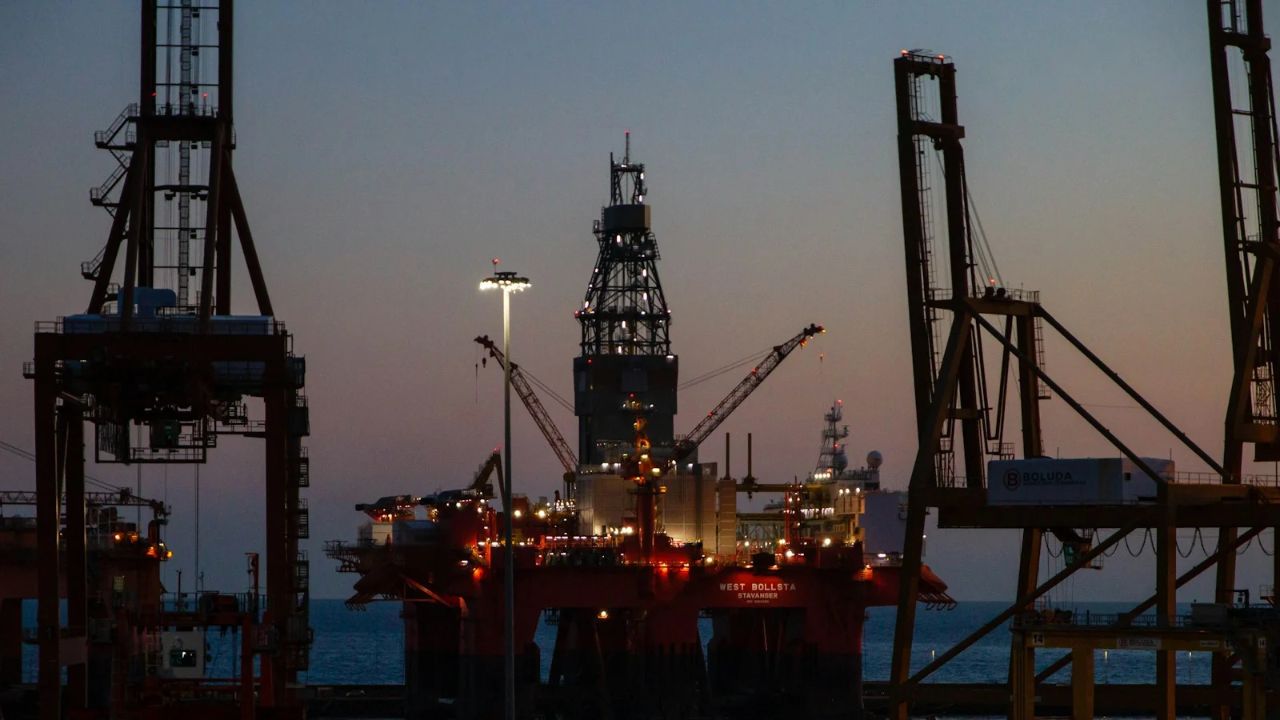

Semi-submersible rig SSV Victoria and drillship DS Carolina ended their contracts and are undergoing inspections in Rio. Spending is running 10% over budget, and Ventura is targeting a return to the pre-salt in January 2027.
Ventura Offshore, a drilling company with operations concentrated in Brazil’s pre-salt, reported a net loss of $12.6 million in the third quarter of 2026. The company had posted a $20.4 million profit in the previous quarter.
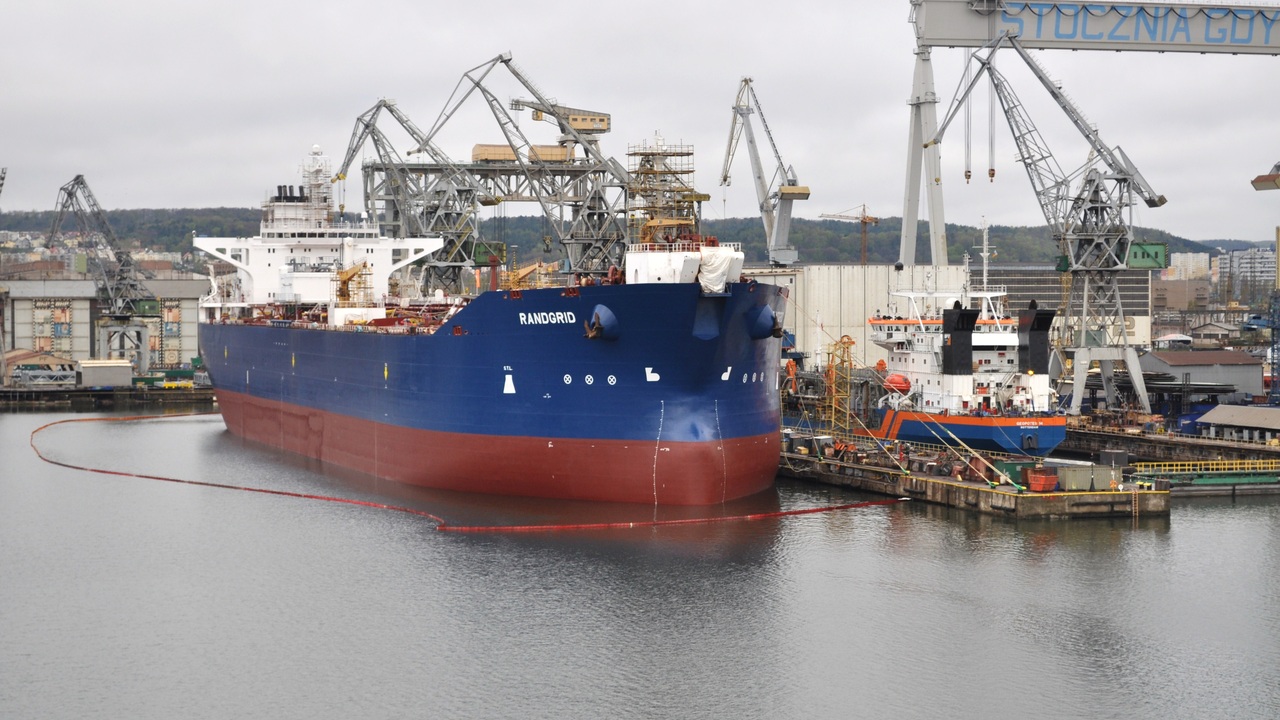
The reversal came after two of the company’s three owned rigs ended their contracts with Petrobras and went to shipyards. The figures were released on November 27, 2026. Both units are anchored in Guanabara Bay, Rio de Janeiro, awaiting new contracts with Brazil’s state-run oil company.
Idle rigs leave revenue in free fall
The semi-submersible rig SSV Victoria operated through July 7. The drillship DS Carolina worked through September 7. Since then, both have been undergoing a Special Periodic Survey (SPS), a mandatory inspection by a classification society that includes major maintenance and equipment overhauls.
-
Russia strikes a deal to supply Turkey with gas in 2027 after EU decision

-
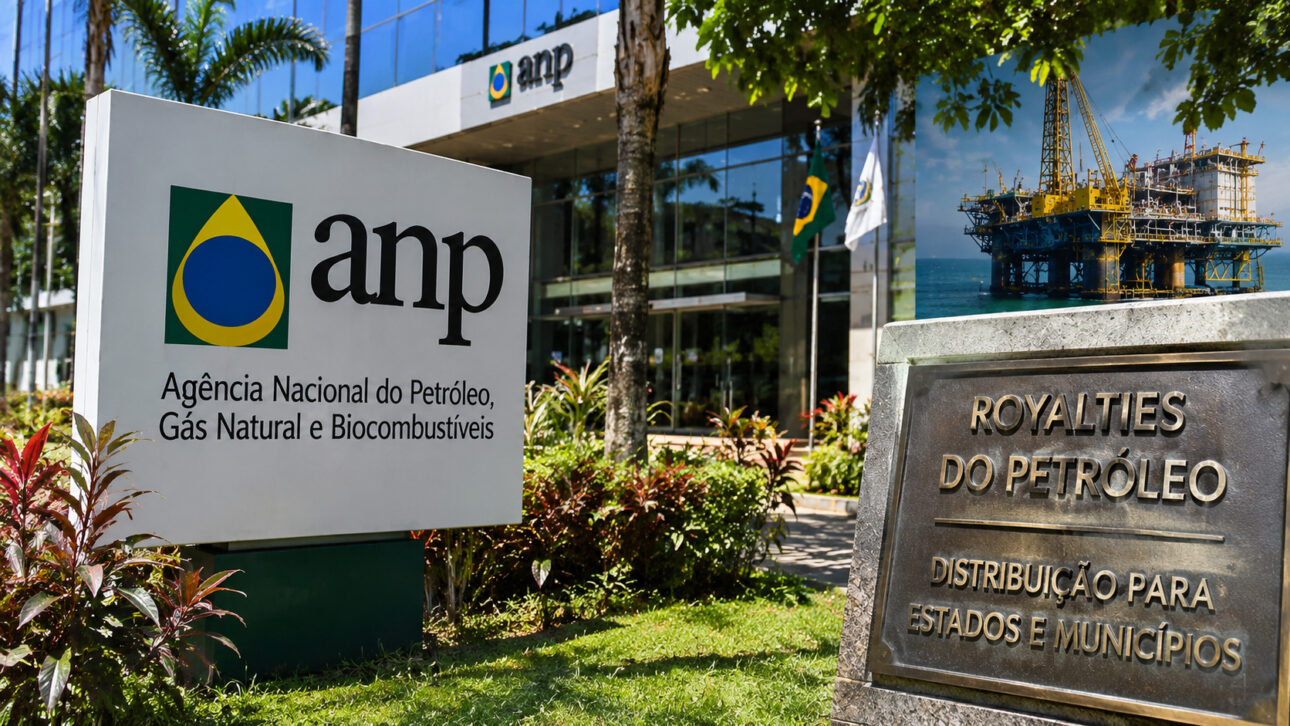
Oil royalties inject R$5.54 billion into public coffers as Brazil’s ANP distributes revenue from September production to 989 municipalities and 11 states

-
Iraq raises oil exports from 200,000 to 3.6 million barrels a day and seeks OPEC approval to increase production
-
Petrobras faces ethics complaint over alleged efforts to influence ANP during review of natural gas transportation tariffs for 2026–2030


SSV Victoria is also being fitted with managed pressure drilling (MPD) equipment, a technology that provides greater control over well pressure in complex reservoirs such as those in the pre-salt.
With neither rig generating revenue, adjusted EBITDA fell from $21.9 million in the second quarter to $2.1 million in the third. That amounts to a roughly 90% decline in three months.
The results in numbers
| Metric | Q2 2026 | Q3 2026 |
|---|---|---|
| Net income | $20.4 million profit | $12.6 million loss |
| Adjusted EBITDA | $21.9 million | $2.1 million |
In the same period of 2025, the company had posted a $22.3 million profit. For the first nine months of 2026, net income remains positive at $33.5 million, supported by strong performance in the first half of the year.
The downtime was expected. Since 2025, Ventura had anticipated that the previous contracts for DS Carolina and SSV Victoria with Petrobras would end around mid-2026.
Spending 10% above budget

Preparing the rigs is costing more than planned. Ventura now estimates that investment in the two units will be about 10% above the April forecast of $150 million to $156 million.
Based on our calculations, that brings total spending to approximately US$165 million to US$172 million. As of September 30, the company had spent US$34.2 million, meaning most of the investment is still ahead.
To get through the period without revenue, Ventura secured a US$250 million bridge loan, which it used to refinance its debt notes before the new contracts begin.
Búzios, Sépia and Atapu starting in January
Both rigs have work lined up with Petrobras starting in January 2027. The SSV Victoria will operate at the Búzios field in the Santos Basin under a 1,455-day firm extension. The extension adds about US$466 million to the company’s backlog, and Petrobras can terminate the contract starting on day 910.
The DS Carolina will work at the Sépia and Atapu fields, also in the Santos Basin pre-salt. The contract is worth about US$363 million for 910 firm days, including US$26 million for mobilization, with an option for an additional 305 days.
Petrobras operates both fields, with a 65.7% stake in Atapu and 55.3% in Sépia. Búzios, where the Victoria will operate, is the country’s largest deepwater field and already has other rigs, including the Atlantic Zonda, also operated by Ventura.
The third rig and the pending merger
The company’s third owned rig, the semi-submersible rig SSV Catarina, is expected to complete its final well for Eni in Indonesia in December. Ventura is bidding on an Eni tender to keep the rig working starting in the first quarter of 2027, with a six-month firm term and an option for another six months.
The owned and managed fleet had 98% operational availability during the quarter. Financial availability, which measures the time actually earning revenue, was 93.9%.
The company also expects to complete its merger with SED Energy Holdings in the first quarter of 2027. The deal is being carried out entirely through a share exchange and remains subject to a definitive agreement and approval by shareholders and regulators.
What to watch in the coming months
The key challenge for Ventura is meeting the January 2027 deadline. Any delay in the rigs’ surveys in Guanabara Bay would postpone the return of revenue and put further pressure on cash, which already depends on the bridge loan.
For Brazil’s drilling market, the case shows the cost of keeping older rigs in compliance with Petrobras’ requirements. Investors following the sector can check the company’s next quarterly results, expected in early 2027, to see whether the investment stayed within the revised estimate.