





 Portuguese
  English
  Spanish
  6 min of reading
  0 comments


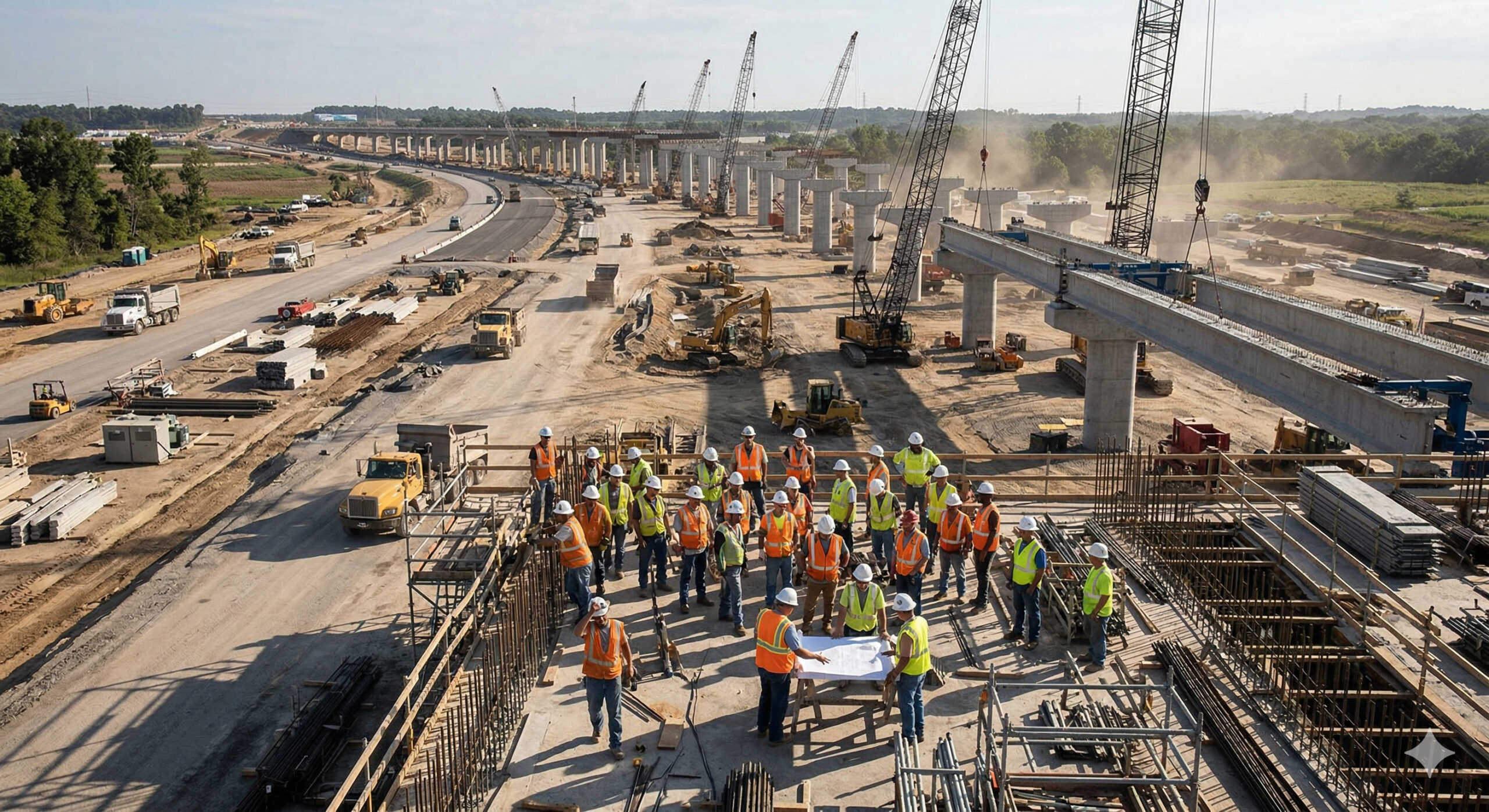
Australia projects a deficit of up to 300,000 construction workers by 2027, and the risk already threatens infrastructure, energy, and housing projects.
In 2025, Infrastructure Australia published the official report Infrastructure Market Capacity Report 2025, indicating that Australia is facing a significant worsening of labor shortages in the construction and infrastructure sector. The document shows that the pressure on project delivery capacity is already concrete and that the lack of workers has become one of the main risks for the execution of strategic projects in the country.
The most striking data was the projection that the deficit of professionals could exceed 300,000 workers by 2027, according to the official technical report. The analysis also notes that the estimated shortage in public infrastructure projects was already at 141,000 workers in October 2025, driven by large energy projects, works outside major centers, and persistent limitations in training and qualification of the workforce.
The alert, therefore, is not theoretical. Infrastructure Australia itself states that the lack of labor and qualification already compromises the country’s ability to sustain the current pace of infrastructure expansion, especially in a scenario of simultaneous growth in public and private investments.
-
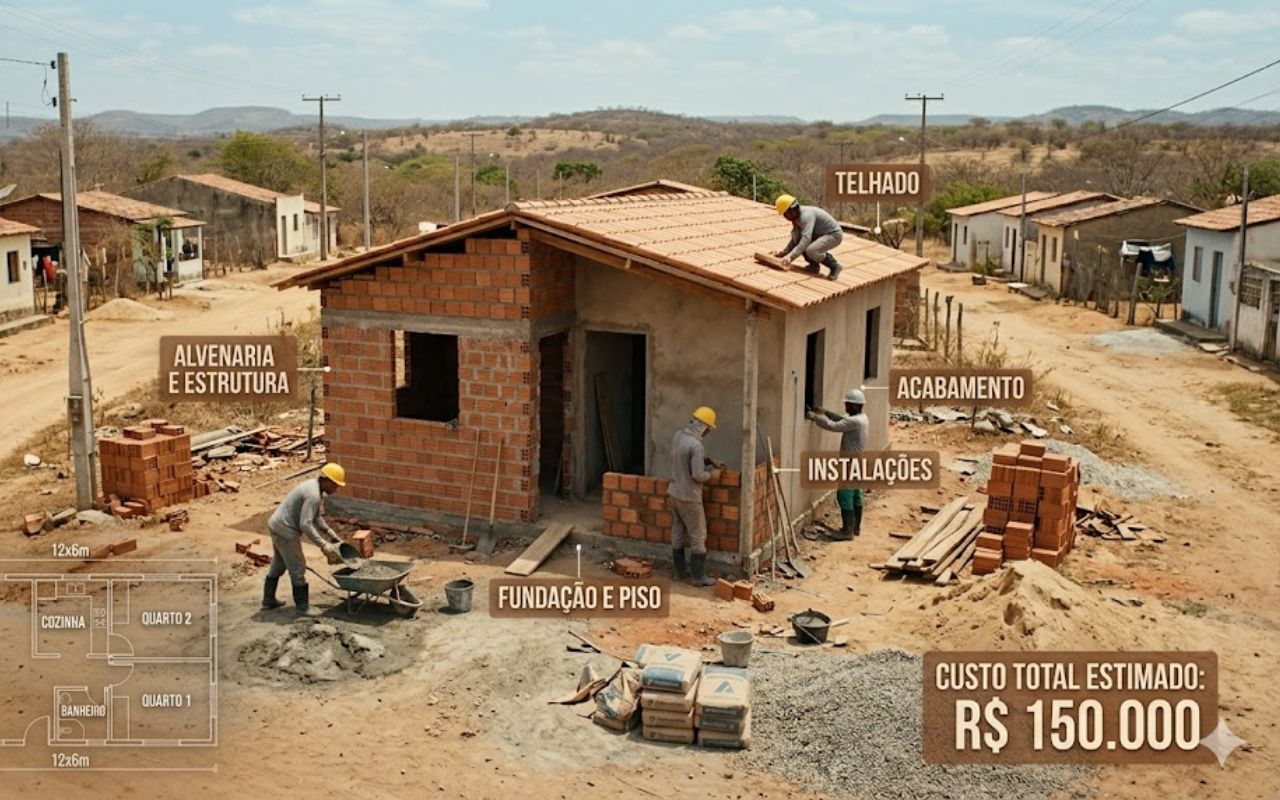
How much does it cost to build a simple 2-bedroom house in the countryside in 2026? Look at real values and what drives up the project’s costs.
-
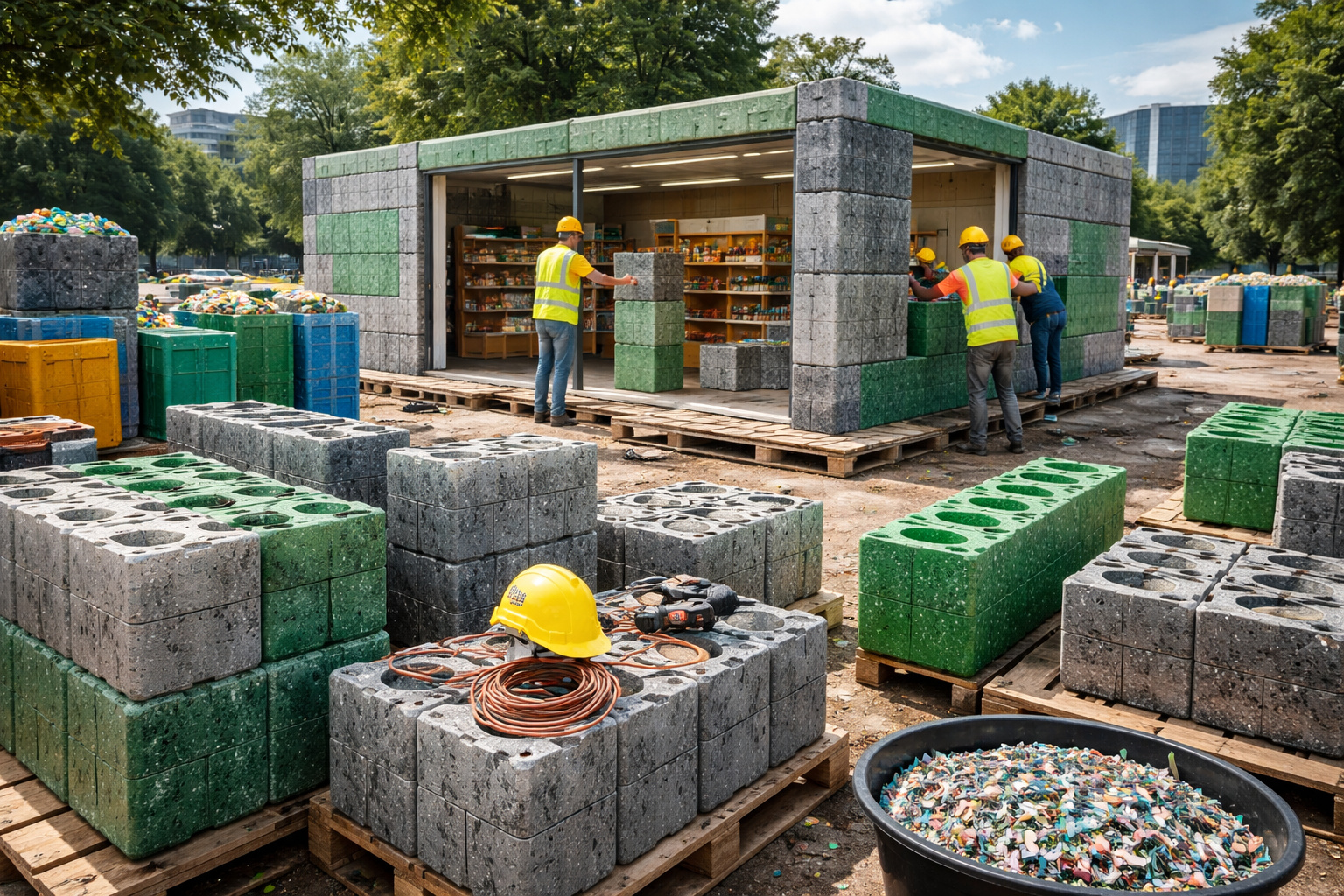
From discarded waste to completed constructions: startup creates modular blocks with recycled plastic that reduce construction costs, eliminate the need for specialized labor, and accelerate projects in Brazil.
-
Recycled plastic house is completed in 4 hours and becomes an attraction at Feicon: facade with cement board and “nano rock” texture with a 10-year warranty, 100% plastic furniture, minimalist doors, and a promise of thermal and acoustic resistance.

-
Roca Sales still bears the marks of the 2024 flood, streets turned into rivers, more than 100 houses were destroyed, the center was rebuilt in a makeshift manner, and a high bridge is being constructed to prevent another disaster.

Simultaneous explosion of projects creates unprecedented pressure on the sector
The main reason for the worsening shortage lies in the convergence of multiple investment programs occurring at the same time. Australia is experiencing a cycle of expansion involving transport infrastructure, energy transition, housing construction, and large public works, all competing for the same workers.


Renewable energy projects, such as wind and solar farms, require specialized labor in engineering, installation, and maintenance. At the same time, the housing sector is under strong pressure to increase the supply of homes in the face of population growth and the housing crisis.
In addition, large infrastructure projects, such as highways, railways, and urban systems, continue to be executed on a large scale, further increasing the demand for professionals such as bricklayers, electricians, machine operators, and engineers.
This overlap of demands creates a direct effect: different sectors begin to compete for the same workers, driving up wages, delaying schedules, and increasing project costs.
Current workforce does not keep pace with the growth of projects
The report from Infrastructure Australia highlights that the workforce in the sector has not grown at the same pace as the project portfolio. In many cases, companies face difficulties not only in expanding teams but even in replacing workers who leave the sector.
One of the critical factors is the aging workforce. A significant portion of the more experienced professionals is nearing retirement, while the entry of new workers is not occurring at the same rate.

Additionally, there is a gap in technical qualification. Many of the new projects, especially in the area of energy and advanced infrastructure, require specific skills that are not widely available in the market.
This means that the problem is not only quantitative but also qualitative: there are not only insufficient workers but also workers with the necessary skills.
Regions outside major centers face even more difficulty
The impact of the shortage is not uniform across the country. Regions outside major urban centers face even greater challenges in attracting and retaining workers.
Projects located in remote or less developed areas often rely on the relocation of labor from other regions, which increases logistical costs and complicates the continuous execution of projects.
In some cases, companies need to offer additional incentives, such as higher wages, benefits, or housing, to fill vacancies, which contributes to the overall increase in project costs.
This regional inequality amplifies the risk of delays in strategic projects, especially those related to infrastructure and energy in remote areas.
Delays and cost increases are already starting to appear in projects
Although the scenario is still evolving, the effects of the shortage are already noticeable. Companies in the sector report difficulties in meeting deadlines and maintaining schedules, especially in large-scale projects.

The lack of workers leads to delays in executing critical stages, such as foundations, assembly of structures, and installation of systems. At the same time, competition for labor drives up wages, increasing the total cost of projects.
This increase in costs can have a direct impact on the final price of projects, especially in the housing sector, where the pass-through to the consumer is more immediate.
The result is a cycle that can feed back into itself: fewer workers lead to delays, delays raise costs, and higher costs can reduce the viability of new projects.
Energy transition intensifies competition for qualified professionals
One of the most relevant elements of this scenario is the role of the energy transition. Australia has been heavily investing in renewable energy projects as part of its climate goals, which requires a large amount of specialized labor.
Installation of solar and wind farms, construction of transmission networks, and development of new energy technologies demand professionals with specific technical training, who are often also needed in other construction sectors.
This creates direct competition between traditional sectors and new segments of the economy, all competing for the same limited pool of qualified workers.
Moreover, the speed of the energy transition increases the urgency of these projects, reducing the margin for delays and amplifying the pressure on the labor market.
Professional training and immigration come to the forefront of the strategy
In light of this scenario, authorities and industry entities have been discussing solutions to expand the available workforce. Among the main strategies are increasing technical training programs and facilitating the immigration of qualified workers.
The expansion of technical courses and apprenticeship programs aims to train new professionals in critical areas such as construction, electricity, and equipment operation.
At the same time, immigration appears as an alternative to quickly address the labor shortage, especially in roles that require practical experience.
However, both solutions face limitations. Training new professionals takes time, and immigration depends on public policies and the ability to attract workers in a global scenario where other countries also face shortages. This reinforces the idea that the problem does not have an immediate solution and requires long-term planning.
Labor bottleneck could redefine the country’s growth pace
The shortage of workers in construction is not just a sectoral problem. It has the potential to directly impact Australia’s economic growth.
Infrastructure projects are essential for increasing productivity, improving logistics, and sustaining urban development. Similarly, housing construction is crucial to meet population demand and control prices in the real estate market.

If these projects are delayed or reduced due to the lack of labor, the impact could extend to the entire economy, affecting everything from the energy sector to the labor market in general.
The labor bottleneck, therefore, ceases to be just a construction problem and becomes a structural factor that could limit the country’s growth.
Australia is not alone, and the labor crisis is already global
Although the focus is on Australia, the scenario observed in the country is part of a broader trend. Various developed economies are facing similar problems, struggling to find workers in construction and infrastructure-related sectors.
This global context makes the competition for labor even more intense, especially when countries resort to immigration to meet their needs.
The consequence is an increasingly competitive labor market, where qualified professionals have greater choice, and companies need to offer more attractive conditions to hire.
This amplifies the challenge for countries like Australia, which need to compete on a global scale for workers.
What this scenario reveals about the future of construction and what is your opinion on this growing bottleneck
The projection of a shortage of up to 300,000 construction workers by 2027 reveals a critical point for Australia: the ability to execute projects has ceased to depend solely on funding and planning and has come to directly depend on the availability of people.
This scenario highlights a structural change in the sector, where the labor shortage could become the main limiting factor for large-scale projects.
If the trend continues, the country may have resources and projects ready, but not enough workers to execute them at the necessary pace.
In light of this, a central question arises: will this bottleneck be resolved with training and immigration, or are we facing a deeper transformation in how construction and infrastructure will be executed in the coming years?









Seja o primeiro a reagir!