





 Portuguese
  English
  Spanish
  5 min of reading
  0 comments


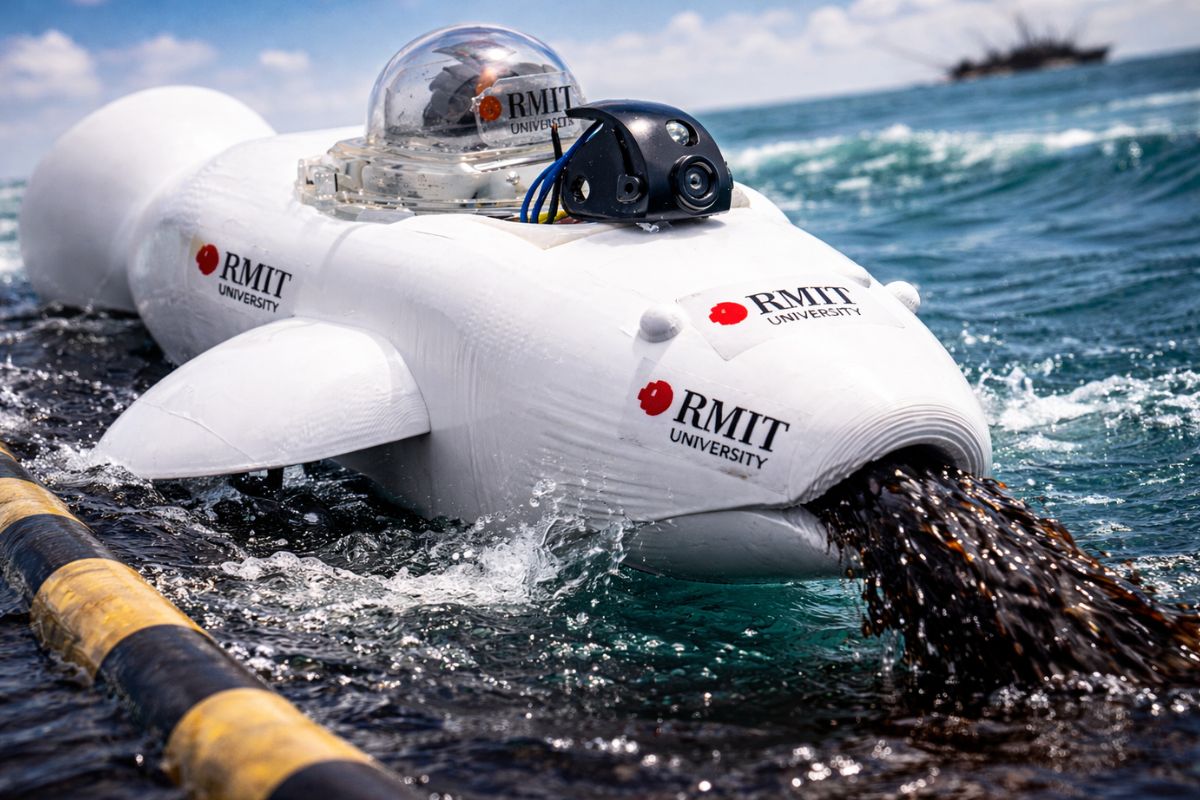
The dolphin-shaped robot uses a special filter that repels water and absorbs oil from the ocean, gliding over oil spills on the surface of the sea and recovering oil with a purity above 95% while the team plans larger versions with more powerful pumps and the ability to operate for hours in spill areas
Oil spills in the ocean are one of the most difficult environmental disasters to control. When large amounts of oil hit the sea, the impact can last for years and devastate entire ecosystems. It was with this problem in mind that Australian engineers developed a dolphin-shaped robot capable of gliding over oil spills on the surface of the sea, absorbing the oil and repelling water at the same time. In tests, the prototype recovered about 2 milliliters of oil per minute with over 95% purity.
The number may seem modest, but the technology is in its early stages, and what matters now is that the principle works. According to the Channel Olhar Digital, the special filter at the front of the robot dolphin can separate oil from the ocean with impressive efficiency, capturing almost exclusively oil without dragging water along. The team is already working on larger future versions, with expanded filters and more powerful pumps, and plans to build robots the size of a real dolphin capable of operating semi-autonomously in areas affected by large spills.
How the robot dolphin manages to separate oil from the ocean and repel water

The secret lies in the coating of the filter installed at the front of the robot. This filter has a special surface that is simultaneously oleophilic attracting oil and hydrophobic repelling water. When the robot dolphin glides over an oil spill in the ocean, the filter quickly absorbs the oil while the water simply runs off, without being captured. It’s like a selective sponge that only picks up what matters.
-
Civil Defense issues red alert for Santa Catarina with rainfall of up to 130 millimeters between Monday and Tuesday and very high risk of flooding, inundations, and landslides in the Itajaí Valley and Greater Florianópolis, which are already feeling the impacts.

-
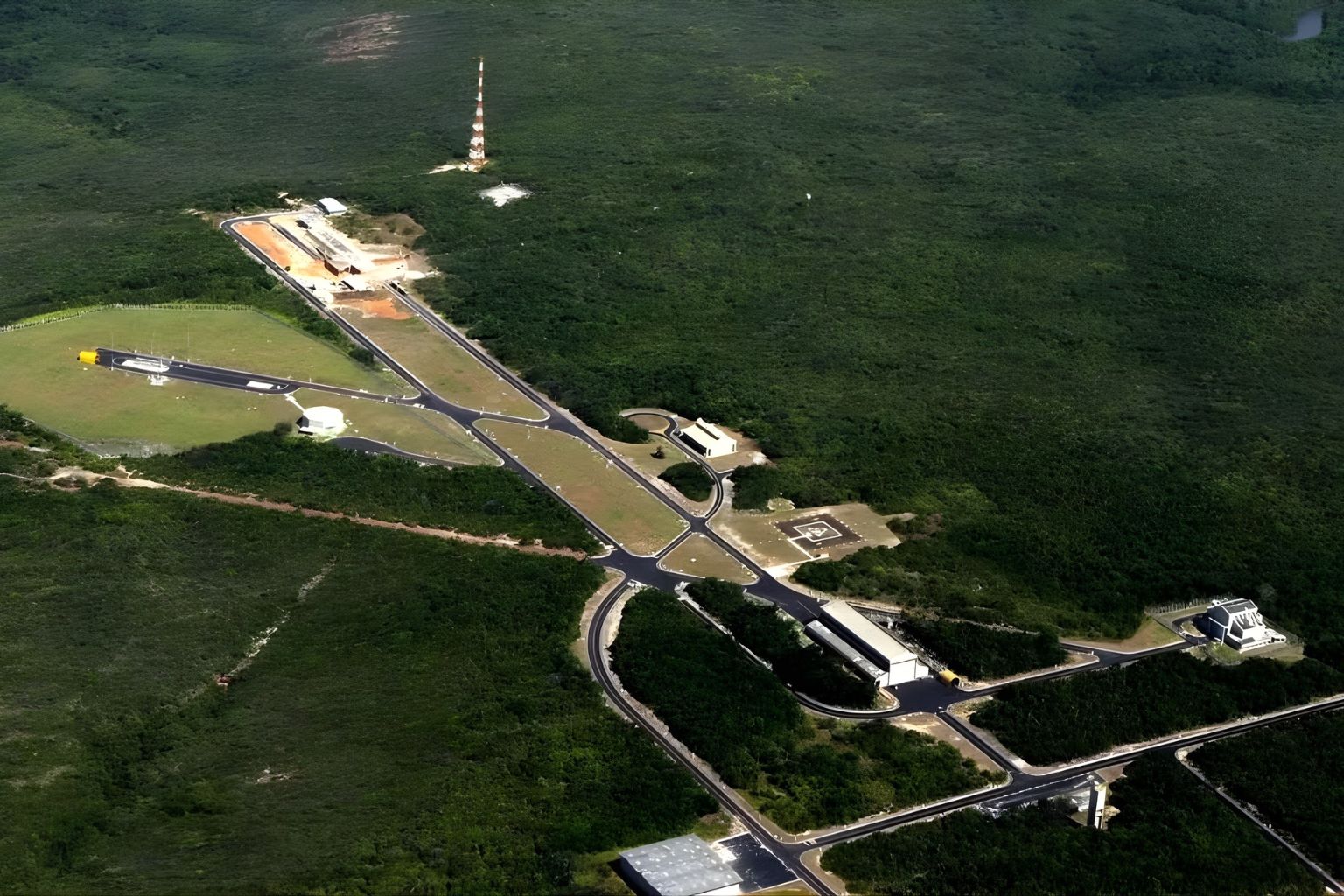
A few kilometers from the equator, the Brazilian space base in Alcântara has a position that can drastically reduce rocket fuel, appears in satellite images, and rivals French Guiana, while bearing the weight of an explosion that killed 21 technicians and stalled the program for years.
-
ABB integrates generative artificial intelligence into the energy management system and accelerates operational insights in the industry with more efficiency, sustainability, and data-driven decision-making.

-
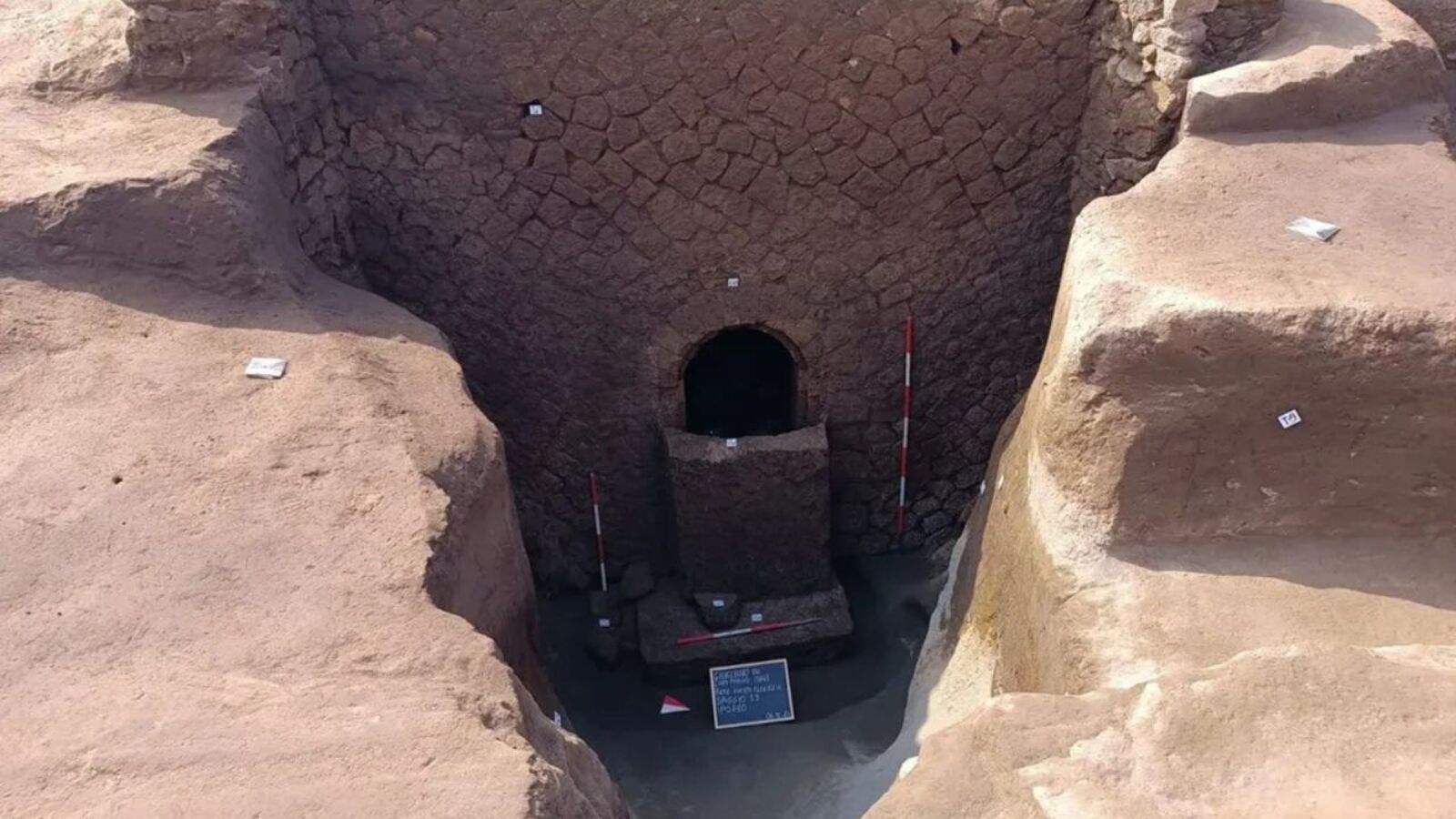
For the first time in 2,000 years, a sarcophagus was opened in the Tomb of Cerberus, revealing a mummy lying face down, a preserved shroud, and funerary objects in Naples.
The collected liquid showed over 95% purity in tests, which means there is almost no water mixed with the recovered oil. This separation rate is crucial for the oil from the ocean to be effectively removed and potentially even reused.
Traditional spill cleanup methods often capture large volumes of water along with the oil, diluting the material and making disposal or reprocessing difficult. The robot dolphin’s filter solves this problem at the source.
The current numbers of the prototype and what they mean for the future
The current prototype collects about 2 milliliters of oil per minute and operates for approximately 15 minutes with its internal battery.
In a complete cycle, the robot recovers about 30 milliliters of oil from the ocean, enough to demonstrate the concept, but far from what would be necessary to tackle a real spill. The engineers are aware of this and are already planning improvements.
Expanding the filter area is the first step: a larger filter absorbs more oil per pass. Installing more powerful pumps inside the robot will allow it to suck oil from the ocean more quickly.
And increasing the battery capacity should extend the operating time from 15 minutes to hours. Each of these improvements multiplies the efficiency of the system, and when combined, they can transform the robot dolphin from a laboratory curiosity into a real disaster response tool.
The vision of a life-sized robot dolphin operating autonomously

The team of engineers does not want to stop at the bench prototype. The more ambitious plan is to develop robots with dimensions similar to those of a real dolphin, about 2 to 3 meters long, capable of operating semi-autonomously in areas affected by ocean oil spills.
In practice, this would mean releasing several robot dolphins into an oil spill and letting them work together, sweeping the surface and collecting oil without the need for constant human operation.
The inspiration in the shape of the dolphin is not just aesthetic. The hydrodynamics of the dolphin’s body is one of the most efficient in nature for movement on the surface and just below it, exactly where the ocean oil accumulates after a spill.
A robot with this shape uses less energy to move, covers more area, and adapts better to waves than devices with conventional shapes. Biomimetics—drawing inspiration from nature to solve engineering problems—gives the project a conceptual advantage over other cleanup methods.
Why cleaning oil from the ocean is so difficult with current methods
Traditional spill response methods include floating barriers that contain the spill, skimmers that scrape oil from the surface, and chemical dispersants that break the oil into smaller droplets.
None of them are ideal: barriers fail in rough seas, skimmers capture too much water along with the oil, and dispersants do not remove oil from the ocean, they only spread it into smaller particles that continue to pollute.
It is in this context that the robot dolphin gains relevance. A device that selectively absorbs oil from the ocean, without dragging water and without adding chemicals to the environment, addresses fundamental limitations of existing methods.
If the technology scales as the engineers plan, fleets of robot dolphins could be pre-positioned in regions with a history of spills—oil platforms, tanker routes, port terminals—ready to spring into action minutes after a leak is detected.
What do you think of this idea of using robot dolphins to clean oil from the ocean? Does the technology have potential or is it just a laboratory curiosity? Let us know in the comments.







Seja o primeiro a reagir!