





 Portuguese
  English
  Spanish
  4 min of reading
  0 comments


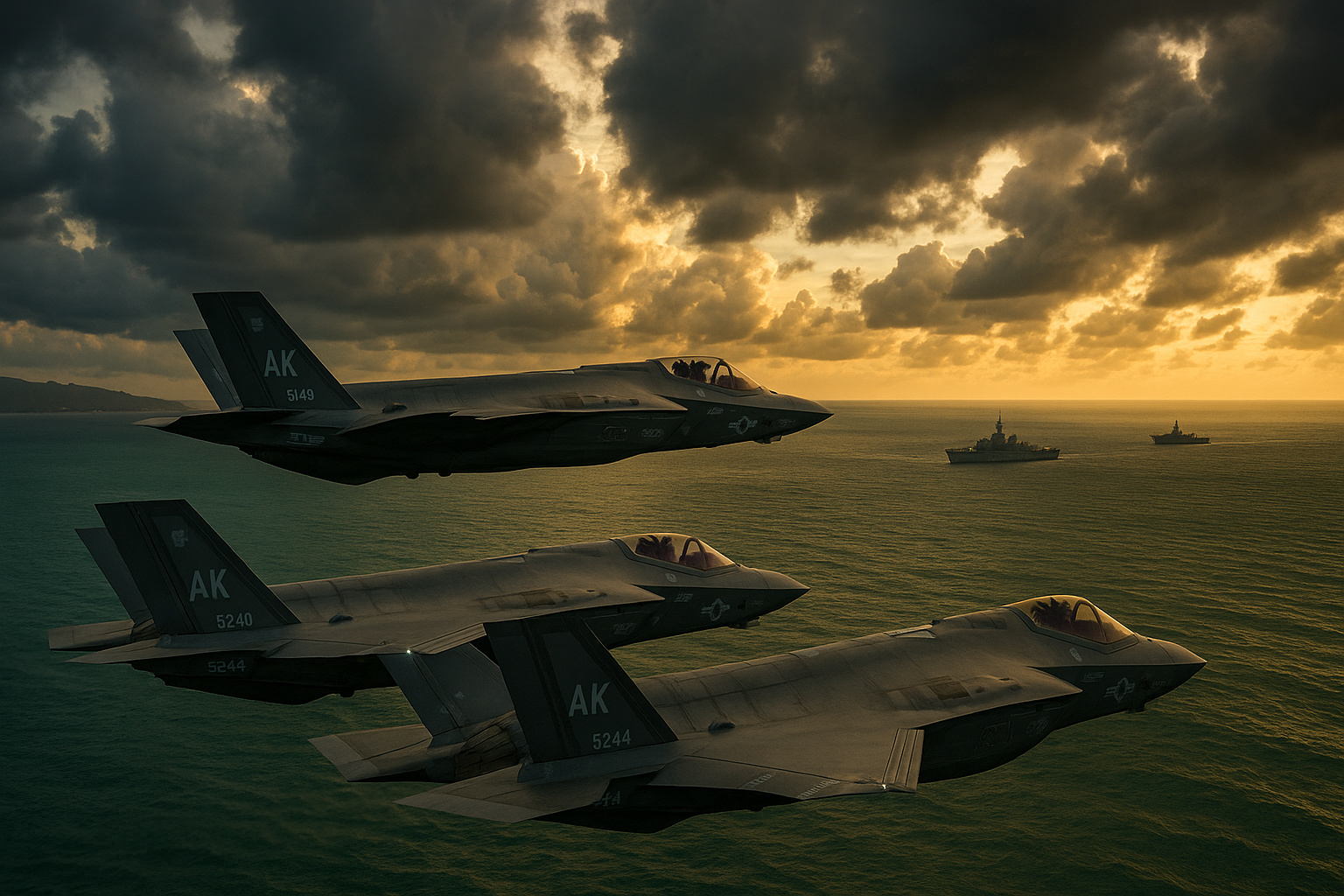
Venezuela Accuses Washington of Using the Fight Against Drug Trafficking as a Pretext to Mobilize Stealth Planes and Warships, While Nicolás Maduro Responds with Maneuvers, Militias, and Decrees of National Emergency
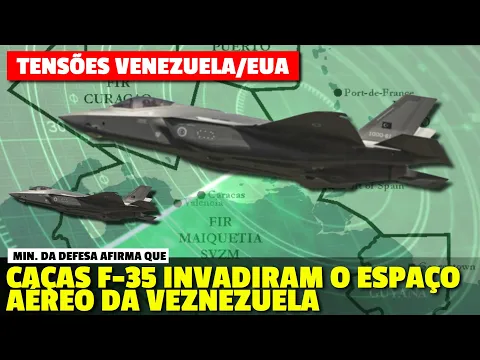
Tensions between the United States and Venezuela have escalated again after reports that U.S. F-35 fighter jets allegedly invaded Venezuelan airspace. According to statements from Defense Minister Vladimir Padrino, broadcast by state television, the Venezuelan air defense system detected more than five vectors, identified as fighter planes.
According to information released by G1, the United States has mobilized 10 F-35 fighters in Puerto Rico almost a month ago, reinforcing its military presence in the Caribbean. In addition, Washington sent eight warships, in an operation that was officially aimed at fighting drug trafficking. For Caracas, however, this is a clear provocation.
President Nicolás Maduro classified the action as a “military siege” and a direct threat to Venezuelan sovereignty. In his words, “American imperialism dared to approach the shores of Venezuela,” but he assured that the country is not intimidated by the movement of enemy forces.
-
SUS surpasses Brazil and inspires a revolution in health: agreement with Mexico could bring universal, free, and more accessible care to millions of people outside the country.

-
With a total blockade of software, data, and connected systems, the U.S. has completely closed its doors to Chinese cars and transformed vehicles into geopolitical weapons, creating a new technological battlefield that could reshape the global automotive industry.
-
With US$ 65.8 billion and 34 new ships, the U.S. launches a mega naval plan that prioritizes nuclear submarines, strengthens military logistics, and repositions the strategy for prolonged conflicts in the Pacific.
-
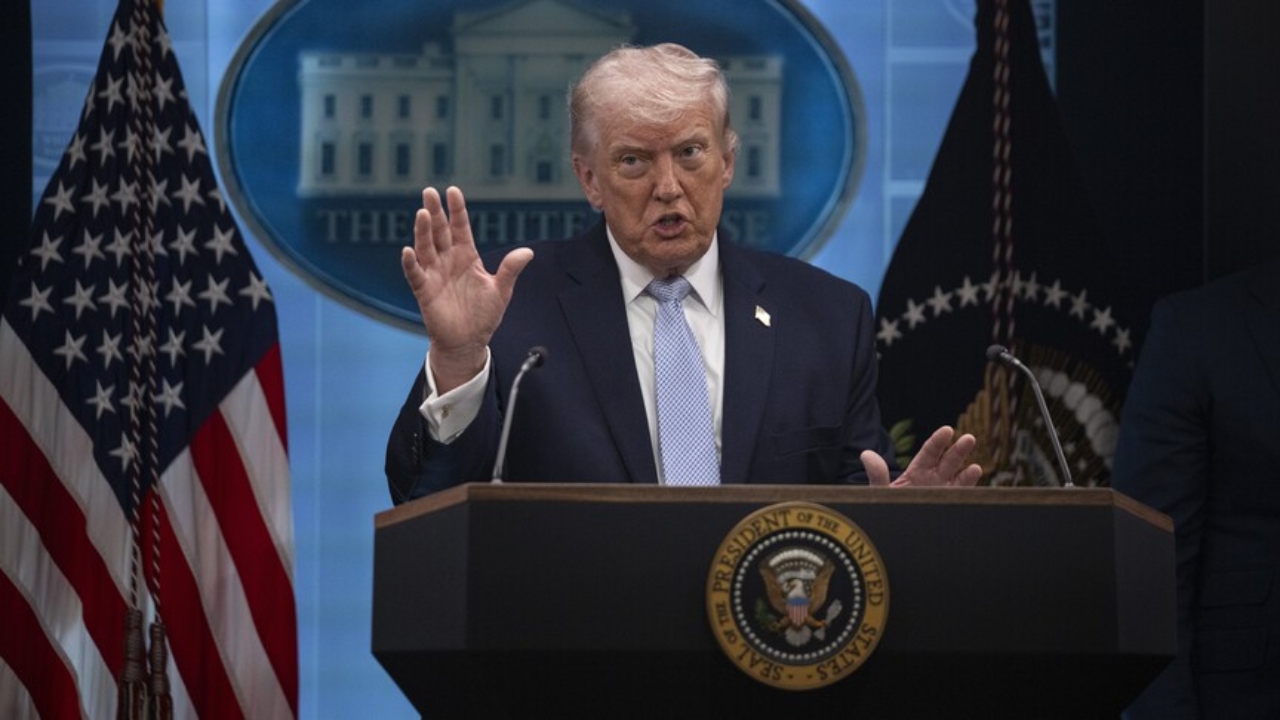
Trump pressures NATO in Europe with threats regarding bases and the use of troops in Spain and Germany to punish allies and change the military balance in the bloc.
Maduro Denounces “Imperialist Provocation” and Responds with Military Forces
Padrino reinforced the tone of international denunciation, claiming that the presence of the fighters represents not only a provocation but also a real threat to national security. He also stated that commercial flight pilots spotted military aircraft near air routes.
In recent weeks, American operations had already resulted in bombings against four boats of suspected drug traffickers. Caracas, however, accuses the U.S. of using the fight against drug trafficking as a political pretext to destabilize Maduro’s government and seize the largest oil reserves in the world.
In response, the Venezuelan president ordered the mobilization of troops, ships, helicopters, and amphibious vehicles, conducting large military exercises in La Orchila, in the north of the country, on September 20. According to the government, around 2,500 military personnel participated in the maneuvers, which included emergency simulations and training of the Bolivarian Militia, composed of armed civilians.

Maduro Prepares Emergency State Decree and Anticipates Christmas
In addition to military maneuvers, Nicolás Maduro announced that he has prepared a decree to declare a state of external commotion, a measure that would expand his powers in the face of the crisis with the United States. However, its legal reach is still uncertain, as the provision has never been applied in Venezuela and could even suspend constitutional guarantees.
Alongside the tension, the president made an unusual decision: he advanced the start of Christmas to October 1, claiming to defend “the right to happiness” of the people. This action repeated the 2024 move, when, after protests that left 28 dead and 2,400 arrested, the government also anticipated the festivities. The regime even illuminated public buildings and launched fireworks at the intelligence service headquarters, the feared Helicoide, where there are reports of political prisoners.
Venezuela Expands Fight Against Drug Trafficking and Attacks Armed Groups
While denouncing the U.S., Minister Vladimir Padrino presented a report on internal operations against organized crime. According to him, Venezuelan forces dismantled drug traffickers’ camps, as well as positions attributed to the ELN and dissidents of the FARC operating near the border.
With a defiant tone, the minister stated that Venezuela is “willing to defend its sovereignty and geographic space against any intruder”. He also sent a direct message: “Whoever is operating there, drug traffickers, leave Venezuelan territory, go commit crimes elsewhere.”
Escalation of Tensions in the Caribbean Worries the International Community
The most recent incident occurred on Thursday, October 2, when Caracas claimed that five American fighters approached the Venezuelan coast. The announcement heightened the atmosphere of hostility and increased international concern over a possible direct confrontation between the two nations.
According to the U.S. government, operations in the Caribbean remain justified as part of a strategy for fighting transnational drug trafficking. For Venezuela, however, it is a disguise for military interventions and attempts to destabilize Nicolás Maduro’s regime.
As reported by G1, the coming months promise new chapters of tension, as Washington maintains troops, planes, and ships in the region while Caracas intensifies its military exercises and strengthens its rhetoric of resistance against what it calls “imperialist threat.”





Seja o primeiro a reagir!