





 Portuguese
  English
  Spanish
  3 min of reading


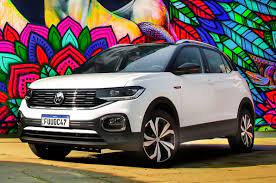
Federal Brazilian Universities Are Receiving Private Initiatives for Greater Development in Vehicle Automation Research in Engineering Areas. One of the Highlights in Development in the Area Is Unicamp, Located in the City of Campinas, São Paulo, Competing with USP in Scientific Development and Research Funding.
Vehicle automation, for the manufacture of autonomous cars, is already part of the technology in many countries, including brands like Tesla, which is based in the United States. In short, it enables the creation of vehicles that are smarter and capable of driving without any human effort.
Guilherme Stella, founder of TrackFY, a company focused on automotive engineering, states that without digital mapping technologies, it would not be possible to create new developments like those being fostered in our country.
Channel Shows More About How Vehicle Automation Works in Practice, Watch the Video
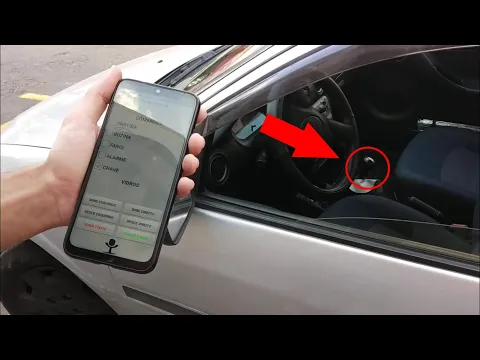

The YouTube channel belonging to Will Vargas has a video (above) that discusses more about how vehicle automation works in practice. Nowadays, with the technologies we already have, it is possible to optimize cars even if they didn’t come that way from the factory. Therefore, anyone can take a version from before 2015, when automation became a trend, to make it more technological.
-
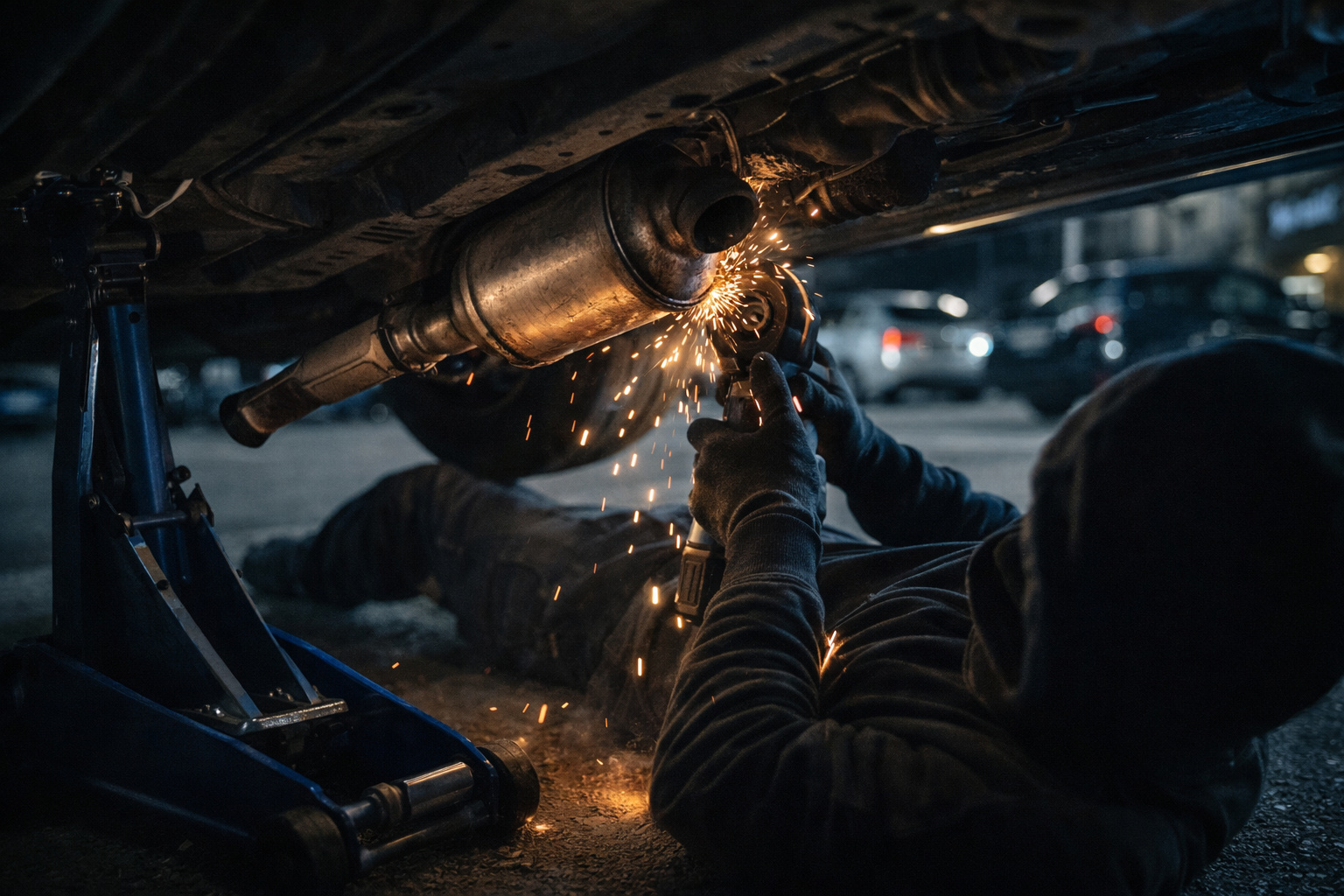
Thefts of catalytic converters are increasing in Brazil, a component that contains platinum, palladium, and rhodium, metals that can be worth more than gold, and can be removed from under a car in less than 2 minutes, causing losses of up to R$ 8,000 and only being noticed when the driver starts the vehicle and hears an extreme noise from the exhaust.
-
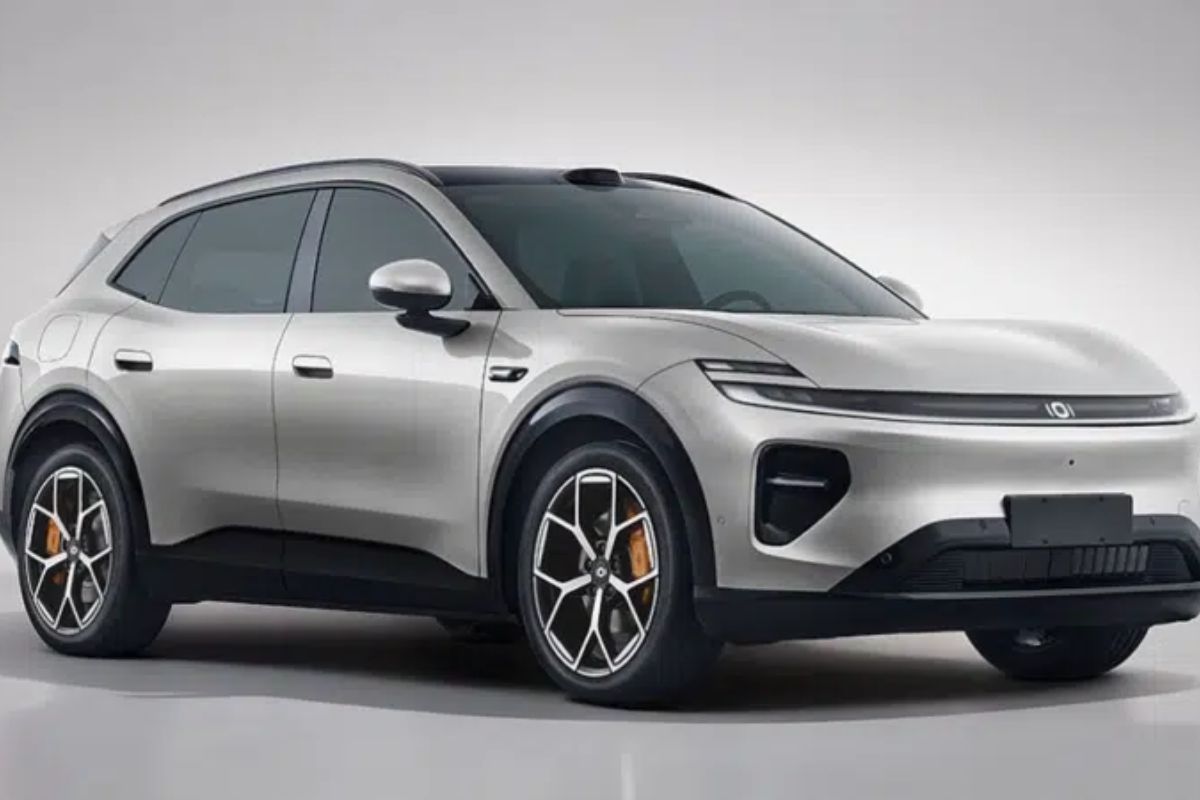
Changan launches Nevo Q06 with 800V architecture and 6C ultra-fast charging, AWD option with two rear motors, EV and EREV versions, LiDAR on the roof, and up to 14 different wheels now.
-
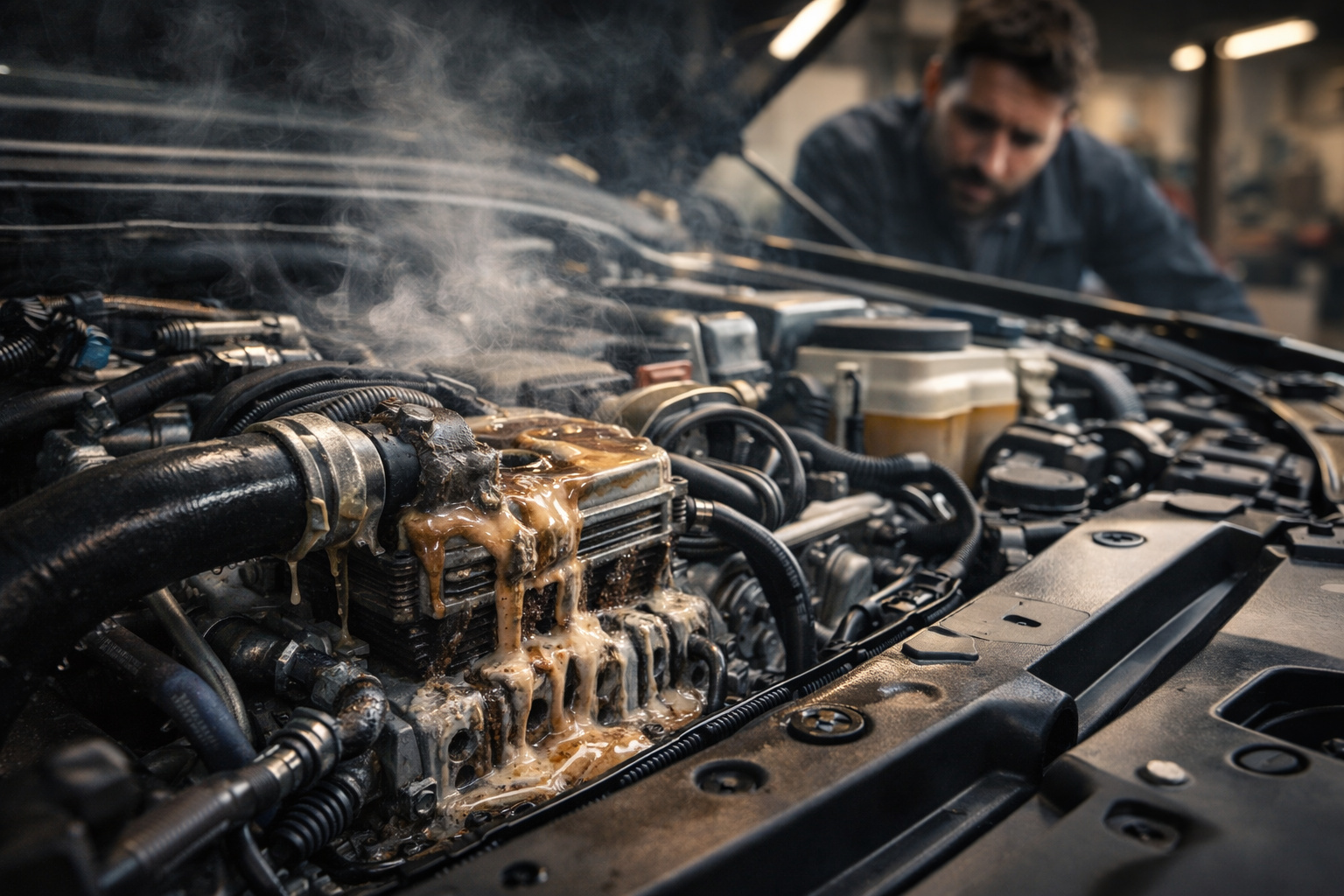
Losses that can exceed R$ 15,000 affect owners of Jeep Renegade and Compass after a failure in the heat exchanger mixes oil with coolant, generating emulsion in the system and causing overheating that can destroy the transmission.
-
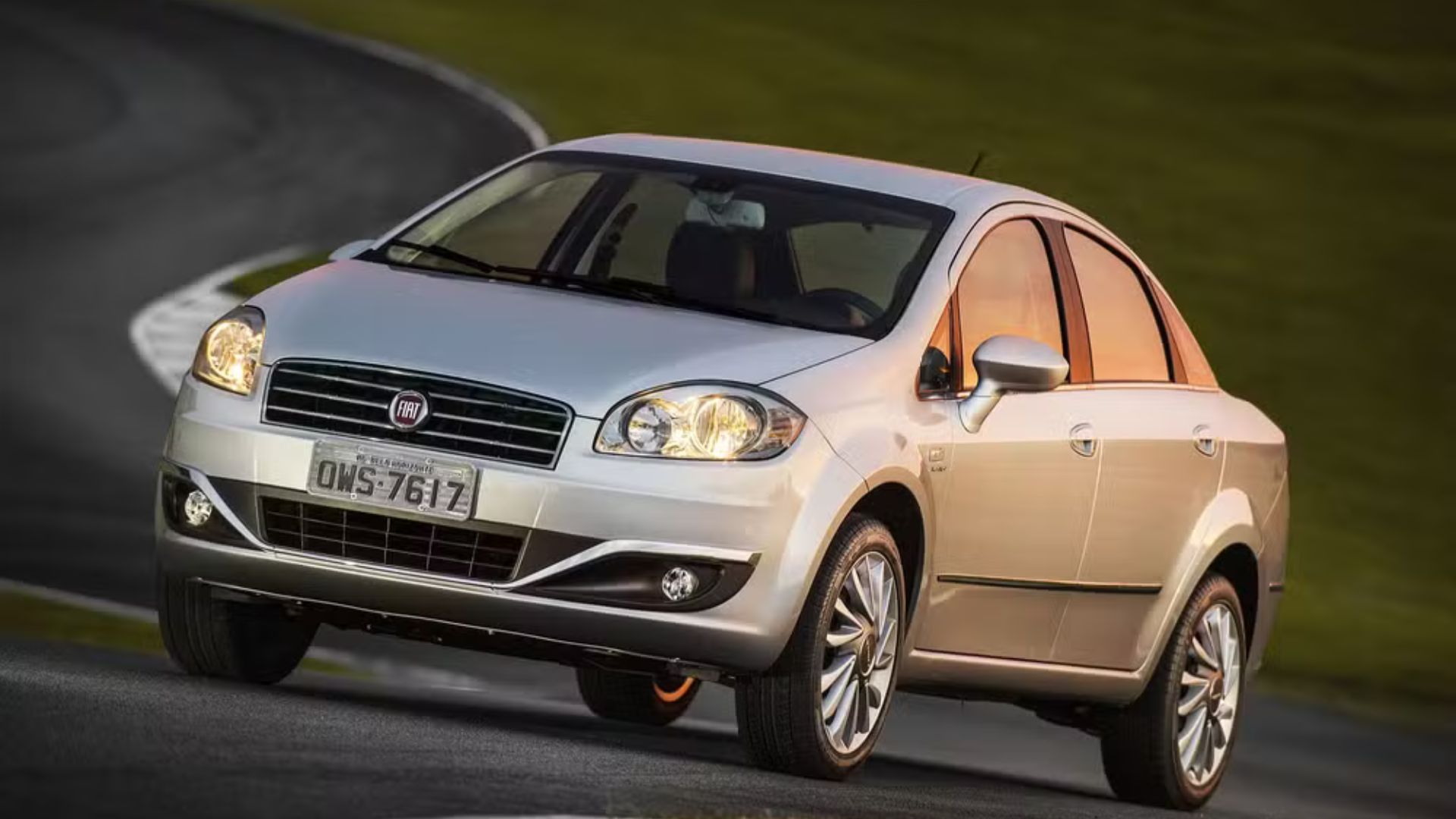
Car starting from R$ 29 thousand with Fiat’s unbreakable engine: 4 used options with up to 167 hp, 23 kgfm, and 0 to 100 km/h in 7.4 s; turbo with overboost and surprising performance.
Nowadays, there are cars that have external safety features that monitor traffic so that the vehicle can drive itself and take actions without needing human assistance if another car is approaching. This way, it prevents accidents.
The Vehicle Automation Market Is Valued at R$270 Billion
Brazil already has significant projects in the city of Campinas that are studying the development of vehicle automation. Overall, it is estimated that the market value is at least R$ 270 million, with expectations for even more substantial growth.
Nowadays, private initiatives are crucial for funding 3D equipment that assists UNICAMP students in developing novel ideas for the sector. In other words, engineering fields can work towards more technological development.
Stella argues that, over the past three years, this type of project has seen significant growth in our country, especially when discussing research development sectors. However, it is still necessary to create structures to implement ideas and bring them to fruition.
Tradition in Development
Last year, FUCAMP, the Development Foundation of UNICAMP – University of Campinas, initiated one of its projects to develop a Lidar. A Lidar is nothing more than a sensor that can identify nearby objects and ensures that actions are taken according to its safety programming.
Fucamp already has an extensive history in automating projects, and it also integrates its students into these through grants provided by the federal government, which vary by income and participation.
UNIFEI, Federal University of Itajubá, also began to develop vehicle automation projects during the year 2022, using Lidar sensors created through 3D methods. Financial support from private institutions for project development has been crucial for taking this step.







Seja o primeiro a reagir!