





 Portuguese
  English
  Spanish
  4 min of reading
  0 comments


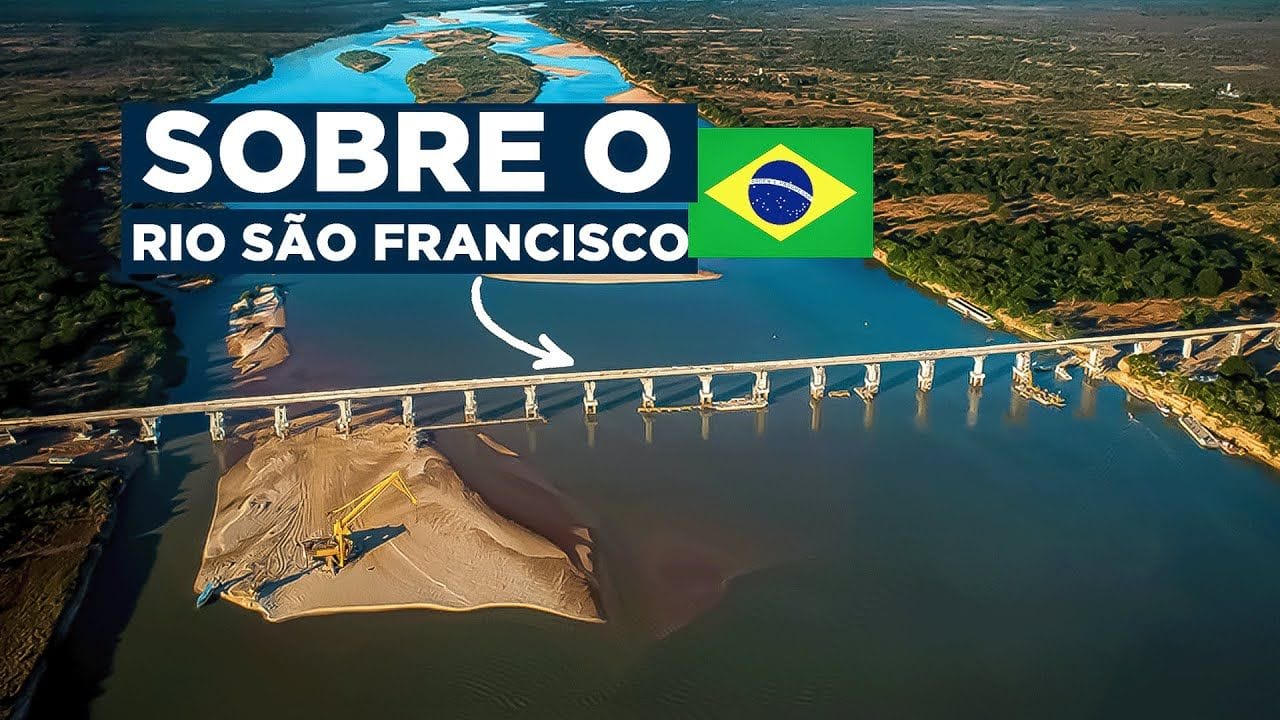
Railway Bridge over the São Francisco River, a 2.9 km Landmark in Bahia, Promises to Revolutionize Regional Transport and Economy, Integrating the West-East Integration Railway of 1,500 km and Strengthening National Connections.
In the picturesque landscape of the Northeast, Bahia stands out with the recent inauguration of the Railway Bridge over the São Francisco River, a structure with 82 pillars and almost three kilometers in length, connecting Serra do Ramalho and Bom Jesus da Lapa. This landmark not only symbolizes the union of two localities with distinct natural and cultural riches but also serves as a crucial section of the ambitious West-East Integration Railway (FIOL), which spans over 1,500 kilometers.
Designed to strengthen transport and economic development, FIOL connects the interior of Bahia to the ports on the Atlantic, crossing territories up to Tocantins, where integration with the North-South Railway is anticipated, boosting national trade. The construction of the bridge, which began in 2015, faced technical and environmental challenges, overcome by innovative methods such as the successive balance, a technique nationally developed in the 1930s.
Railway Bridge over the São Francisco River is Significant for the Region


In addition to being an engineering feat, the bridge represents a significant advancement in the region’s infrastructure, promising to boost tourism and the local economy. The project, which cost R$ 135 million, illustrates the capacity to execute large projects in Brazil, with a predicted positive impact in terms of reducing logistical costs and CO2 emissions. Thus, the Railway Bridge over the São Francisco River is more than a construction; it is a bridge to the future, symbolizing progress and unity in the heart of northeastern Brazil.
-
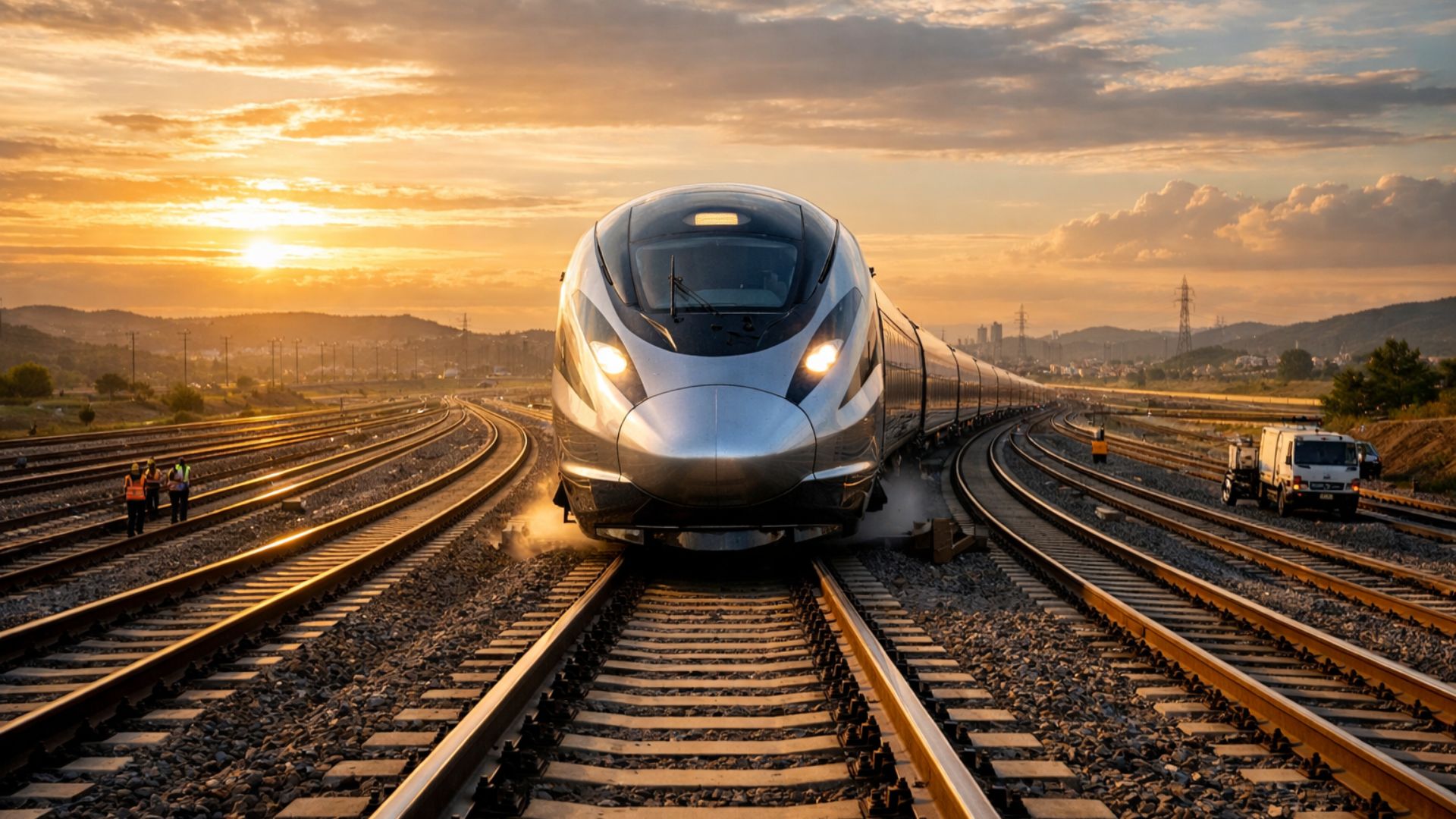
São Paulo surprises the world with a colossal railway network project that promises over 1,000 km of tracks, R$ 194 billion in investments, and 40 projects connecting the capital to the interior with fast and sustainable trains.
-
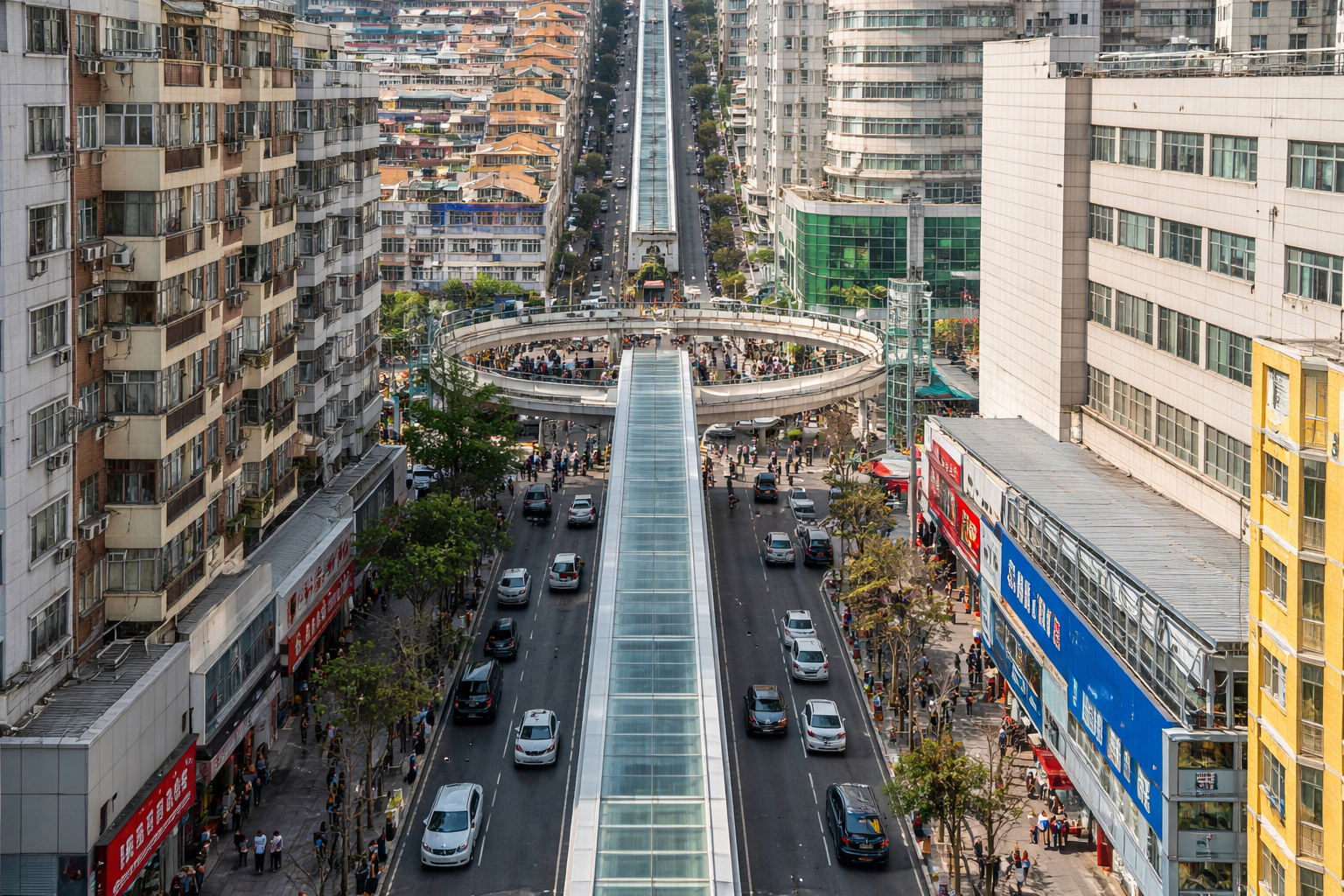
The world’s largest escalator, measuring 905 meters in China, reduces urban travel time from 1 hour to about 20 minutes and transforms mobility in mountainous regions with an engineering solution adapted to the terrain.
-
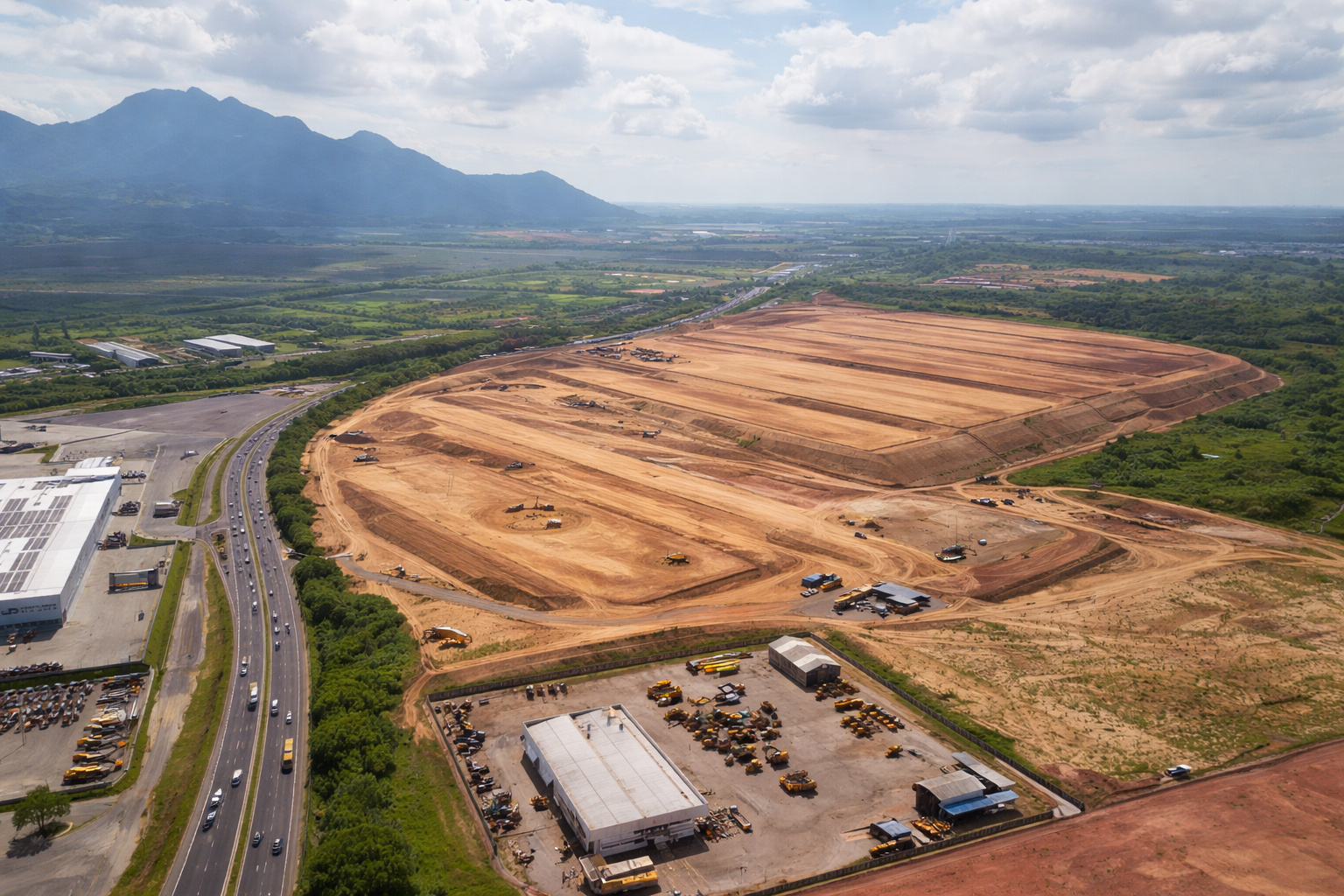
A R$ 300 million logistics giant is taking shape in Serra with over 100,000 m² and raises a question: how can this transform e-commerce and distribution in the state?
-
Could Uber Rides Lose Minimum Fare? Understand What’s Happening!


The Railway Bridge over the São Francisco River, strategically located between Serra do Ramalho and Bom Jesus da Lapa, not only connects two cities with unique cultural and natural heritages but also fits into a larger infrastructure project aimed at improving logistics and the economy of northeastern Brazil. This project, the West-East Integration Railway (FIOL), stretches over 1,526 km, crossing vast areas of fertile land and mountains and plays a crucial role in transporting heavy cargo, including grains, ores, and industrial products, to the ports on the Atlantic coast.
The construction of the bridge, which began in 2015, stood out for using advanced engineering techniques, such as the successive balance method, which allows for large spans to be constructed without temporary support, reducing costs and execution time. The project overcame various challenges, including geographic and environmental aspects, thanks to innovative engineering that incorporated methods such as continuous helix and compressed air caisson to establish solid foundations.
West-East Integration Railway
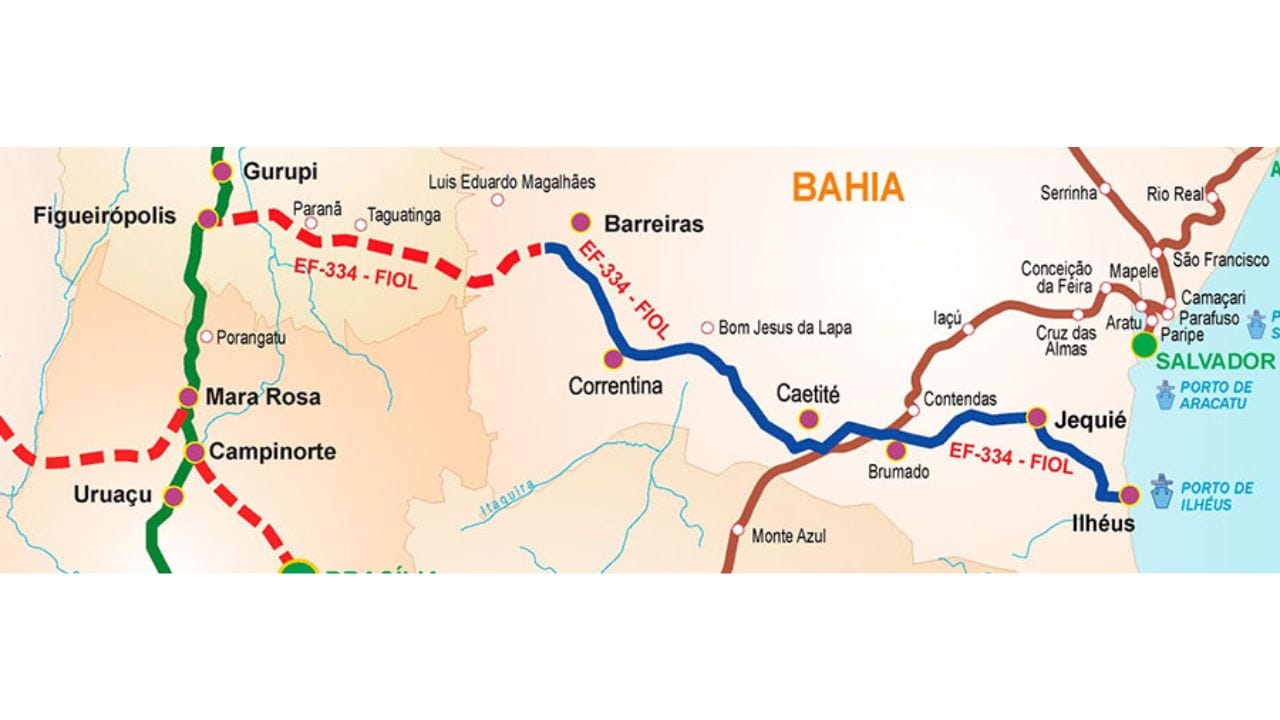
The West-East Integration Railway (FIOL), one of the most awaited infrastructure projects in Brazil, extends for approximately 1,527 km, connecting Ilhéus, on the coast of Bahia, to Figueirópolis, in Tocantins. This railway is designed to be a crucial route in the country’s transport network, improving access to the ports and markets for the producing regions of the interior.
The FIOL project is a significant initiative, with robust investments reflecting its strategic importance. The construction is divided into several phases, with the section from Ilhéus to Caetité (FIOL 1) being one of the most advanced. The estimated total cost for this section is around R$ 8.9 billion, covering the first two phases of FIOL. Bahia Mineração S.A. (Bamin), under the umbrella of the Eurasian Resources Group, won the bid for the FIOL 1 section, committing to invest approximately R$ 3.3 billion to complete the works, of which R$ 1.6 billion is specifically allocated to finalize FIOL 1.
The construction is in the hands of several renowned companies in the infrastructure sector, including Crec-10 and Tiisa, which bring experience and technical expertise to the project. FIOL serves multiple purposes, not only improving transport logistics and facilitating the flow of products such as iron ore and agricultural commodities but also stimulating economic development. The railway is expected to bring a significant reduction in transport costs, which in turn can promote a more equitable distribution of income and foster growth in various regions of Brazil.
In addition to the economic benefits, FIOL plays an important role in environmental and social sustainability, as it is anticipated to contribute to the reduction of CO2 emissions, decreasing the reliance on road transport, which is more polluting. This transition to a more efficient and less polluting mode of transport is vital for the sustainable development of the region and the country, aligning with sustainable development goals and efforts to reduce negative environmental impacts.





Seja o primeiro a reagir!