





 Portuguese
  English
  Spanish
  3 min of reading
  0 comments



The Cost Of Batteries For Electric Cars Is Decreasing At An Accelerated Rate Due To The Reduction In The Price Of Certain Raw Materials.
The bank Goldman Sachs, from the United States, released an important piece of information about the batteries used in electric cars. According to the institution, the prices of raw materials such as lithium, nickel, and cobalt are falling, positively impacting the production costs of batteries and making these vehicles more accessible.
- Import
- Volvo XC40 vs C40: What Are The Differences Between The Electric SUVs?
In 2022, the average cost of 1 kWh was US$ 155 (R$ 752 at the current exchange rate) for manufacturers in production. However, this year, that value dropped to US$ 99 (R$ 480), representing a 40% reduction. The initial expectation of a 33% decrease was significantly surpassed.
With this cost reduction, future projections for the sector change considerably. If prices continue to fall at the same rate, it is estimated that by 2030 the price of 1 kWh will be US$ 70 (R$ 340), coming very close to the production costs of a combustion vehicle.
-
Engineers propose a fourth traffic light for intersections – the change promises to affect crossings, queues, and waiting times.

-
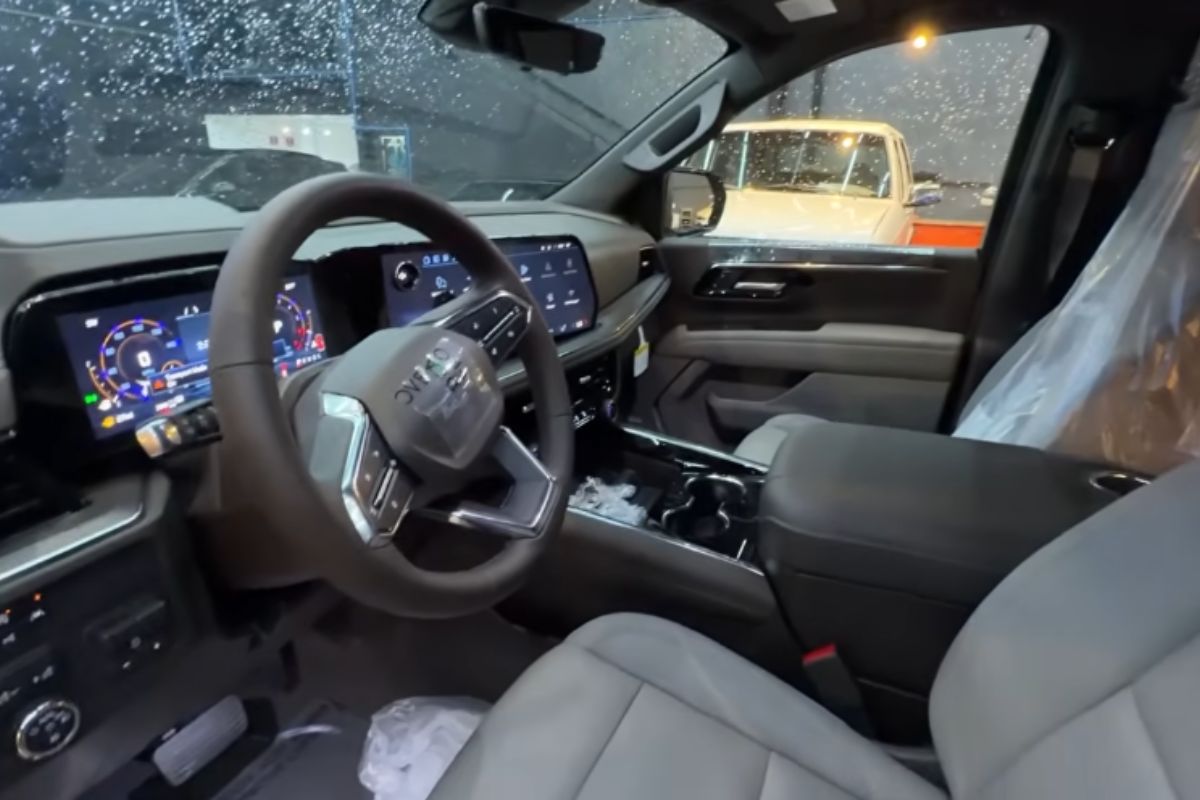
Chevrolet Suburban Z71 lands in Brazil with a V8 engine, off-road design, air suspension, seven seats, and colossal size, a rare version imported for around R$ 1.3 million with luxury and exclusivity.
-
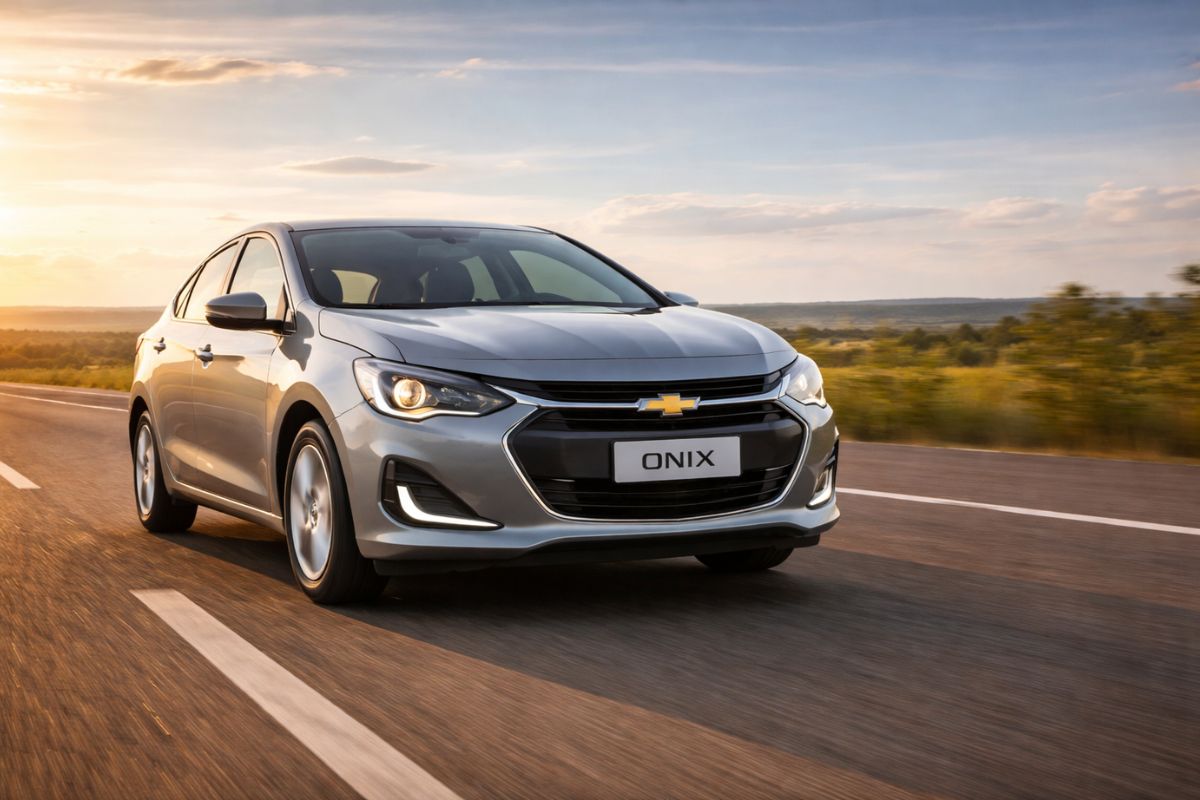
The Chevrolet Onix 1.0 turbo achieves 17.7 km per liter on the highway and ranks among the three most economical cars in Brazil in 2026, alongside two more expensive Toyota hybrids available at dealerships.
-
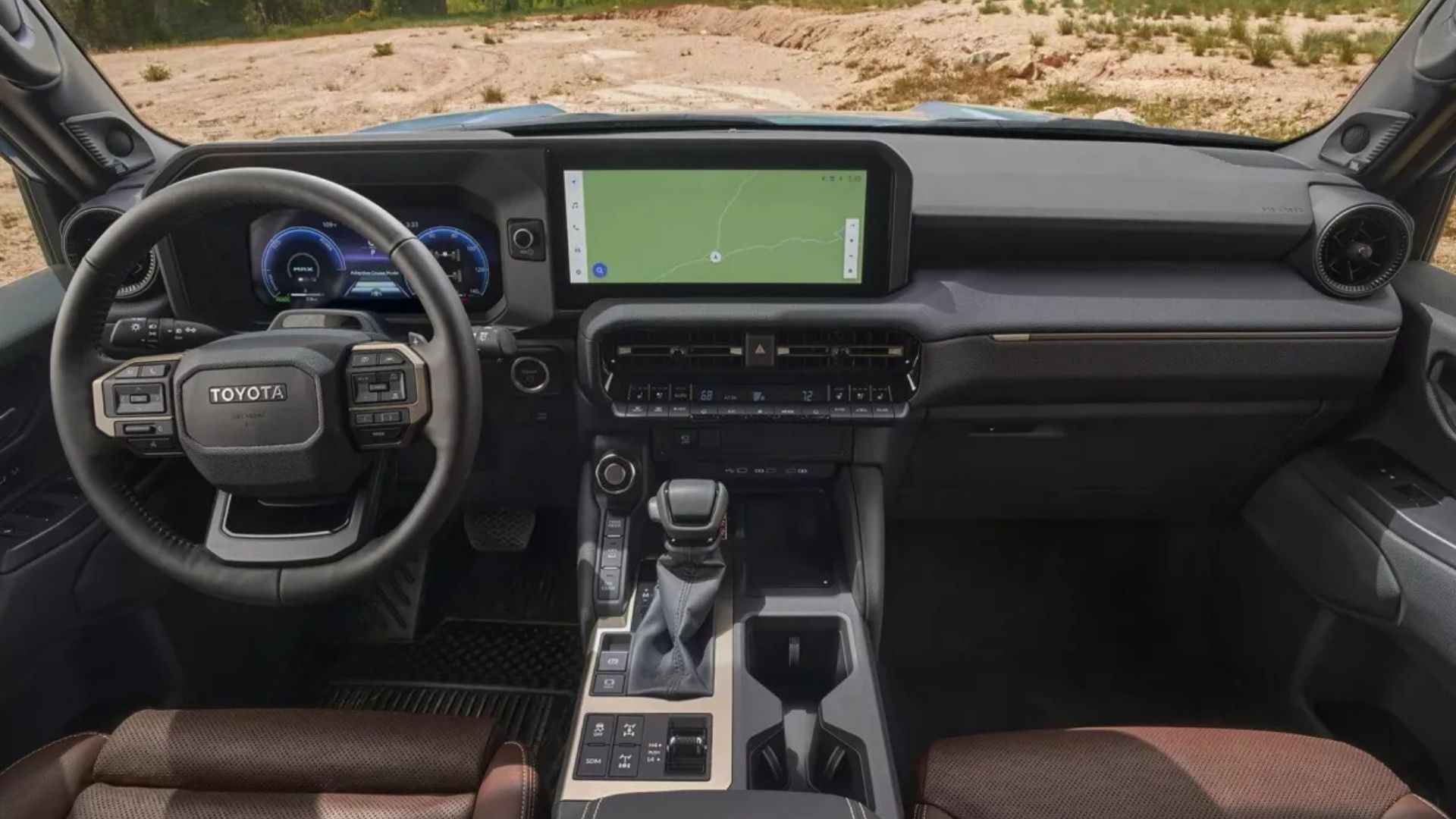
Little sister of the Hilux: Toyota launches Land Cruiser FJ with 4 radical versions, 2.7 engine with 166 hp and 4×4 traction with locking.

In light of this scenario, Goldman Sachs suggests that the subsidies applied by governments and companies on the prices of electric cars may be gradually reduced, due to greater price competitiveness and a better balance with gasoline or diesel-powered models.
Nikhil Bhandari, director of the green energy research unit of Goldman Sachs for Asia and the Pacific, states that the reduction in battery costs could stimulate broader adoption of electric vehicles, leading to greater growth in markets focused on batteries and electric cars.
The research conducted by Goldman Sachs also indicates that the demand for electric cars is decreasing in some countries due to expectations of the removal of benefits in their acquisition. However, with the drop in battery prices and the arrival of solid models, costs are expected to decrease dramatically, increasing the demand for 100% electric models.
The bank estimates that by 2030, electric cars could account for between 35% and 47% of global sales, depending on the level of acceptance of this technology.
Source: Goldman Sachs
Goldman Sachs Reveals Reduction Of Prices Of Batteries For Electric Cars
The bank Goldman Sachs, from the United States, released an important piece of information about the batteries used in electric cars. According to the institution, the prices of raw materials such as lithium, nickel, and cobalt are falling, which is positively impacting the production costs of batteries and making these vehicles more accessible.
- Brazil Confirms Return Of Import Taxes For Import Of Electric Cars
- Volvo XC40 vs C40: What Are The Differences Between The Electric SUVs?
In 2022, the average cost of 1 kWh was US$ 155 (R$ 752 at the current exchange rate) for manufacturers in production. However, this year, that value dropped to US$ 99 (R$ 480), representing a 40% reduction. The initial expectation of a 33% decrease was significantly surpassed.
With this cost reduction, future projections for the sector change considerably. If prices continue to fall at the same rate, it is estimated that by 2030 the price of 1 kWh will be US$ 70 (R$ 340), coming very close to the production costs of a combustion vehicle.
In light of this scenario, Goldman Sachs suggests that the subsidies applied by governments and companies on the prices of electric cars may be gradually reduced, due to greater price competitiveness and a better balance compared to gasoline or diesel-powered models.
Nikhil Bhandari, director of the green energy research unit of Goldman Sachs for Asia and the Pacific, states that the reduction in battery costs could stimulate broader adoption of electric vehicles, leading to greater growth in markets focused on batteries and electric cars.
The research conducted by Goldman Sachs also indicates that the demand for electric cars is decreasing in some countries due to expectations of the removal of benefits in their acquisition. However, with the drop in battery prices and the arrival of solid models, costs are expected to decrease dramatically, increasing the demand for 100% electric models.
The bank estimates that by 2030, electric cars could account for between 35% and 47% of global sales, depending on the level of acceptance of this technology.
Source: Goldman Sachs
Source: Canal Tech









Seja o primeiro a reagir!