





 Portuguese
  English
  Spanish
  3 min of reading


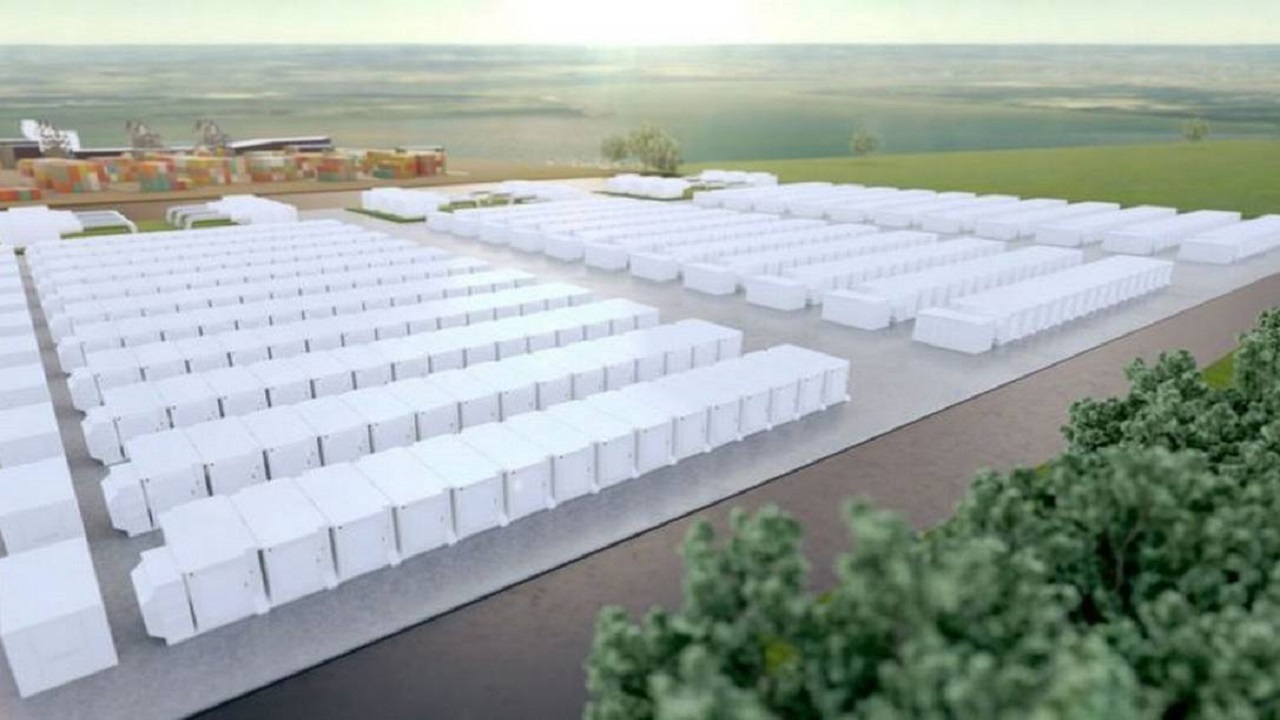
Aneel States That Batteries Should Have a Greater Presence in the Electric Market Next Year, Fostering the Use of Solar and Wind Energy. The Entity Is Already Preparing for the Implementation of Regulations
Batteries are expected to enter the national market with greater force, fostering the use of solar and wind energy starting next year, in the view of the president of the National Electric Energy Agency (Aneel), André Papitone, who regulates the electric sector. According to the president, last Monday (29), during an event held by Huawei, a Chinese technology company, this will be the year of batteries, and Aneel will work on the necessary regulation. In the United Kingdom, it is already believed that batteries could take the place of oil.
Read Other Related News
Batteries Are Essential to Foster Solar and Wind Energy
According to the director, energy storage is an important part of expanding renewable energy sources, such as solar and wind energy.
-
Brazilian product exports to the U.S. plummet, accumulating 8 consecutive declines after Trump’s tariff hike, resulting in a deficit of $420 million, while China buys more and becomes the great savior of the Brazilian trade balance.

-
Itaipu receives proposals in the renewable energy tender and reinforces the role of public universities in the energy transition with projects that can reduce costs, increase academic investments, and accelerate sustainable innovation in the country.
-
Boa Safra (SOJA3) targets Nigeria: $10 million JV brings corn technology to Africa and challenges expensive credit in 2026.
-
Russia and China already conduct 99% of their trade with each other without using the dollar, and BRICS is creating a digital tool on blockchain so that other countries in the bloc can do the same soon.

The director of Aneel emphasizes that the National Energy Plan, which is a strategy that outlines Brazil’s priorities regarding investments in the electric sector, projects an increase in the participation of these clean sources in the energy matrix to about one-third of the total.
Batteries play the role of regulating the load in the system, given that wind and solar energy are intermittent. The Aneel director also highlighted the need to develop the regulation of so-called distributed generation, a model that is widely used in the solar energy segment, where electricity generation occurs in a decentralized manner in small systems, such as solar panels installed on rooftops of houses and buildings.
Aneel Comments on Distributed Generation in Solar Energy
There is a tax issue that prevents the sale of energy by individuals. Currently, distributed generation systems, which are connected to the electric grid, earn credits that can be deducted from the energy bill which do not incur ICMS.
Thus, it is not possible to sell energy generated by residential solar panels, for example. For the Aneel director, the changes that the electric sector is undergoing will cause electricity consumers to become managers, changing their relationship with distributors.
New generation technologies, such as wind and solar energy, combined with artificial intelligence and data systems, will enable the emergence of new energy contracting models and differentiated tariffs.
Aneel Approves Large-Scale Battery Energy Project
Last month, the entity approved the first large-scale electricity storage project in the national system. The project is scheduled to be built at the Registro substation in São Paulo, which is responsible for supplying electricity to the Southern São Paulo coast.
It is worth noting that the Allowed Annual Revenue, due to the installation of the project, will be R$ 27 million, according to Isa Cteep. Lithium batteries will be installed over an area of approximately 4,000 m², with an installed capacity of 30 MW and equivalent to about 30 containers, ensuring that demand on the Southern Coast, which is around 400 MW, is met, benefiting at least 2 million people.








Seja o primeiro a reagir!