





 Portuguese
  English
  Spanish
 5 min of reading
  0 comments


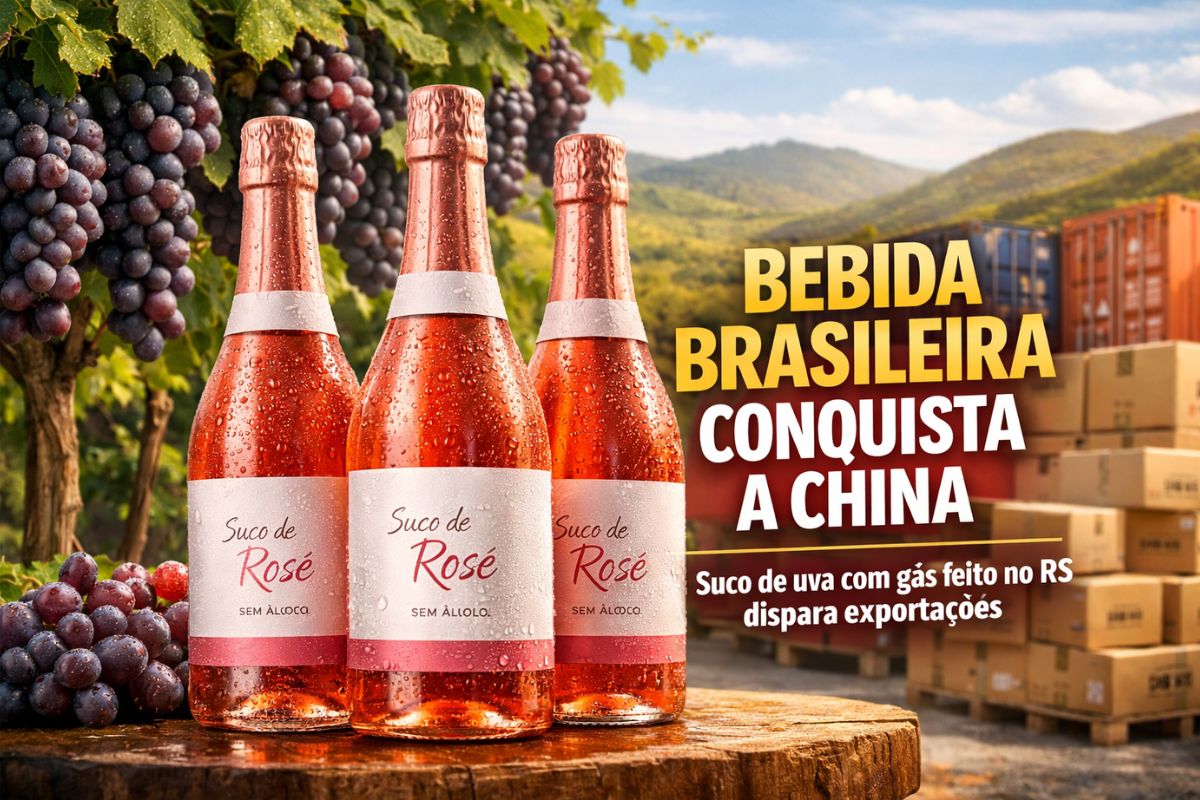
Created in Rio Grande do Sul, Non-Alcoholic Rosé Grape Juice Beverage Shows How Brazil Strengthens Its Presence in the Asian Market, Winning Chinese Consumers and Boosting the Grape Chain.
When a sweet sparkling beverage made from non-alcoholic rosé grape juice wins the taste of the Chinese, it fills more than just supermarket shelves. It paves the way for Brazil in the Asian market, increasing exports by over 20% and transforming the work of small grape producers in Serra Gaúcha into a global business.
That’s exactly what happened with the industry in Bento Gonçalves, Rio Grande do Sul, which recognized China as a consumer seeking lighter, easy-to-drink beverages with different ingredients.
After years of research focused on customer taste, the result was a portfolio of sparkling juices that today brings the flavor of Brazil to the Asian market and many other destinations.
-
Inflation in March reaches 0.88% according to IBGE and pressures the Brazilian economy, impacting family budgets and requiring more strategic decisions to maintain financial control.
-
In Paraná, distributor Pacto connects 100% of the load in Coronel Vivida to batteries: a BES of 10 MW and 20 MWh costs just over R$ 30 million and lowers the local tariff now.

-
With a dependence of up to 80% on gas imported from the United States, Mexico is responding with a robust energy strategy, betting on shale gas, creating a scientific committee, and preparing to expand natural gas production to reduce vulnerability and strengthen its energy security in the coming years.

-
The United States proposes to Brazil a critical minerals agreement with a minimum price to combat Chinese dumping and priority for investment, but the Planalto is blocking the signing out of fear of upsetting China and due to electoral calculations in a year of competition.

A Beverage Made for the Chinese Palate
The starting point was simple yet bold. Instead of adapting a ready-made product, the company decided to create a beverage designed from the beginning for the Asian consumer.
This gave rise to the sparkling rosé grape juice, sweeter and more aromatic, fitting the profile of those seeking non-alcoholic, light, and easy-to-drink beverages.
This is neither traditional soda nor wine. It is a middle ground crafted for parties, family gatherings, and celebratory moments when consumers want to toast without consuming alcohol.
This combination of sweetness, carbonation, and the absence of alcohol became Brazil’s gateway to the Asian market, especially in China, where curiosity for different flavors grows each year.
Seven Years of Study to Find the Right Formula
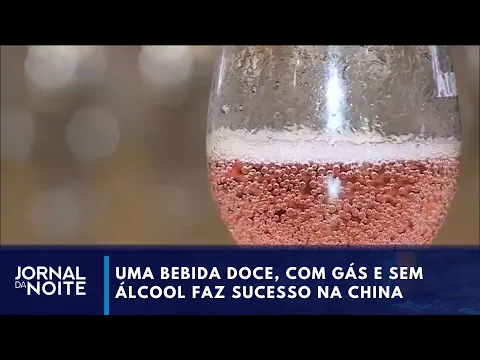

None of this happened overnight. It took around seven years of research within the industry in Bento Gonçalves to reach the formula that truly pleased.
Technicians adjusted levels of sugar, carbonation, acidity, and color, always based on tests and feedback from the Asian market.
The beverage that now circulates in China and other countries is a direct result of this lengthy process. Each flavor adjustment was designed to strengthen Brazil’s presence in the Asian market, balancing the identity of Brazilian grapes with local preferences.
The focus was clear: not to deliver a generic product, but something that genuinely represented Brazil and made sense on the Chinese consumer’s table.
Exports Increase by Over 20% and Open New Destinations
With the acceptance of the product, exports from the gaucho industry to China began to grow by over 20%. The Asian country became the primary destination for the beverage, but not the only one.
Today, the sparkling juice also reaches Uruguay, Paraguay, Ghana, and the United States, expanding the company’s reach and that of Brazilian grapes.
This expansion demonstrates how a specific innovation can drive an entire chain. By bringing the flavor of Brazil to the Asian market, the beverage paves the way for other products with the same identity, reinforces the country’s image as a producer of high-quality grapes, and helps consolidate national brands outside Brazilian territory.
In the Vineyard, the Grape That Sustains Success
Away from the aisles of Asia, the impact is first felt in the vineyard. In Serra Gaúcha, while the grape clusters are still forming, the producer closely monitors the weather.
The ideal scenario is a delicate balance: too much heat is harmful, excessive rain is also detrimental. The goal is to harvest a sweet, healthy grape with a consistent standard, capable of meeting domestic demand and the growing international market.
The farmer knows that it isn’t enough to have a good industrial product if the raw material doesn’t support it. That’s why they emphasize proper management, suitable fertilization, appropriate input selection, and, above all, care for the plant.
This daily work allows the grape to leave the vineyard in Rio Grande do Sul and travel until Brazil’s entry into the Asian market becomes a reality in the form of a ready-to-consume beverage.
Rio Grande do Sul, Powerhouse in Grapes and Wine
Rio Grande do Sul has long been the largest producer and exporter of wine in Brazil. In 2024, the state sold 351 million liters to the international market, encompassing wines, sparkling wines, and derivatives.
Within this context, the new sweet sparkling beverage emerges as another branch of a vocation that the state knows well: turning grapes into high-value products.
To an outside observer, it may seem like just another bottle on the shelves. For those in the region, it is a symbol.
The same land that supplies domestic consumption now also helps position Brazil in the Asian market as a supplier of distinctive beverages, building a unique identity based on terroir, quality, and history.
Brazilian Identity in Every Sip
Executives and technicians from the company emphasize that the goal is not to compete with copies of international flavors, but to offer something with a Brazilian signature. This encompasses the choice of grapes, the method of processing the juice, and how the brand presents itself abroad.
When a Chinese consumer opens the bottle, they are not just tasting a sweet sparkling beverage. They are encountering a bit of the Gaucho terroir, the tradition of Serra, and Brazil’s capacity to deliver products with a distinct personality to the Asian market.
This is the point that connects export numbers, the producer’s routine, and the final consumer’s experience.
From the Heart of Brazil to Tables on the Other Side of the World
In the end, the journey of this beverage demonstrates that innovation is not just cutting-edge technology but also the ability to listen to the customer, understand a distant market, and adapt production without losing essence.
From a factory in Bento Gonçalves and vineyards scattered throughout Rio Grande do Sul, Brazil reaches the Asian market in the form of toasts, bottle by bottle, table by table.
Meanwhile, in the fields, work continues. Each successful harvest ensures more security for the industry to plan for the future, maintain jobs, and invest in new labels.
On the other end, the Asian consumer discovers that there is a different grape flavor, with carbonation, sweetness, alcohol-free, and a whole story behind it.
And you, what do you think of this strategy where a simple beverage brings Brazil to the Asian market while also changing the lives of those working in the vineyards here in the country?






Seja o primeiro a reagir!