





 Portuguese
  English
  Spanish
  2 min of reading
  0 comments


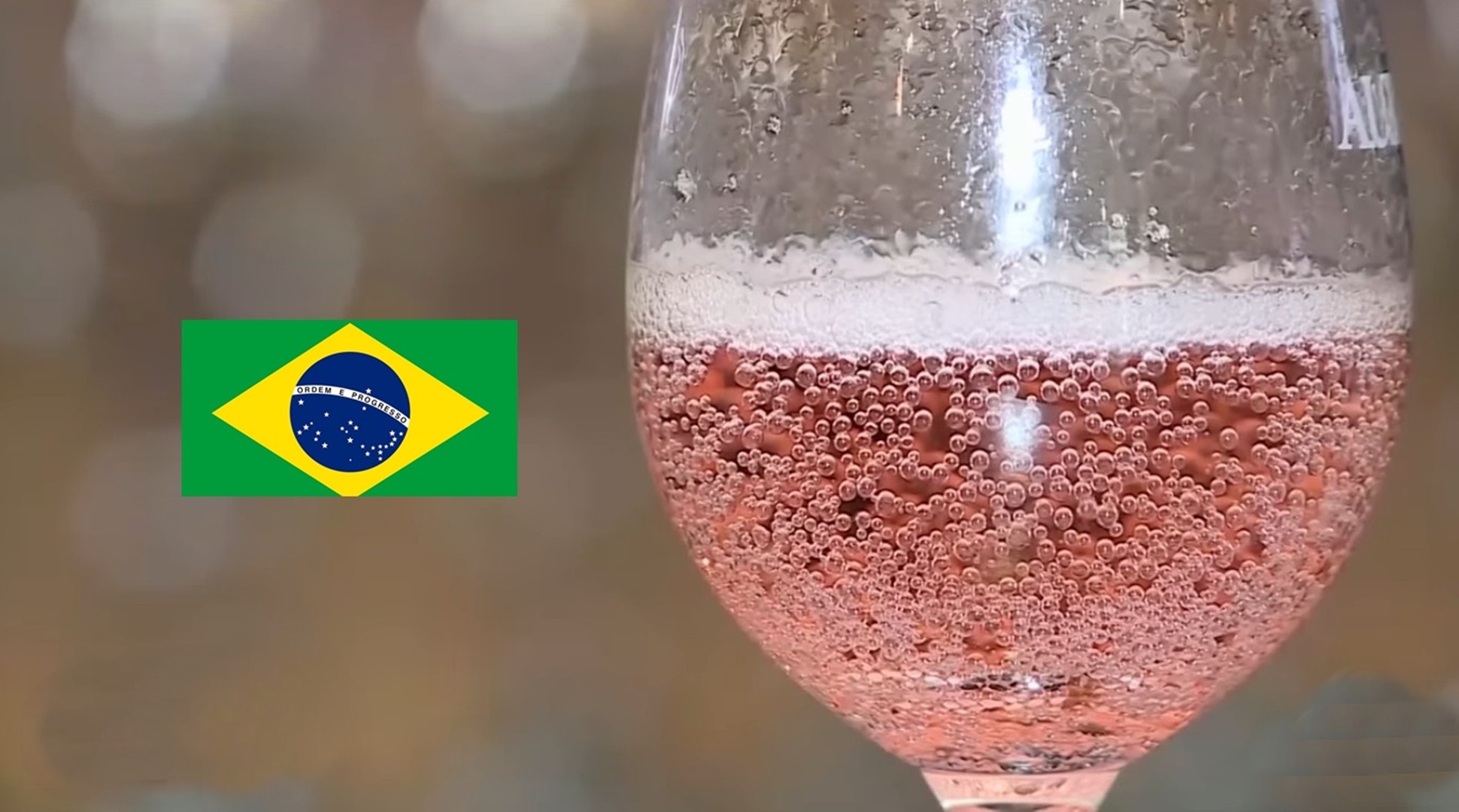
With 1.014 Million Liters Exported Between January and September, Vinícola Aurora Expanded International Presence, Consolidated China as Main Destination, Diversified Markets in Africa and Mercosur, and Initiated Strategic Negotiations in Europe
Vinícola Aurora, from Bento Gonçalves (RS), exported 1.014 million liters of beverages between January and September, a growth of 17% compared to 2024, driven by product adaptations, the leadership of China as a destination, and the operational resumption of the cooperative. Report information from Folha de São Paulo.
Export Performance and China’s Leadership
Of the total volume exported, 23.7% had China as the main destination, a result of adjustments made by the cooperative to meet local preferences, particularly for carbonated beverages and products aligned with the demand for low-alcohol options.
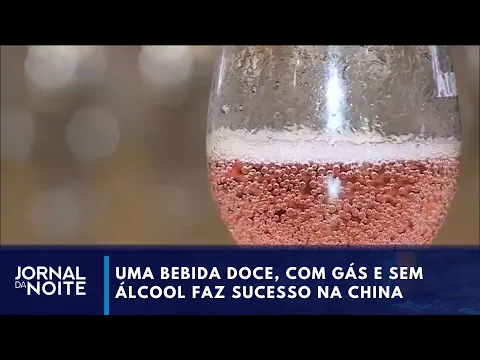
Carbonated juices led sales to the Chinese market, especially rosé juice, developed specifically for this audience after the company identified opportunities related to the consumption of lighter and more enjoyable beverages.
-
IPTU exemption for seniors in 2026: see how to secure the benefit.

-
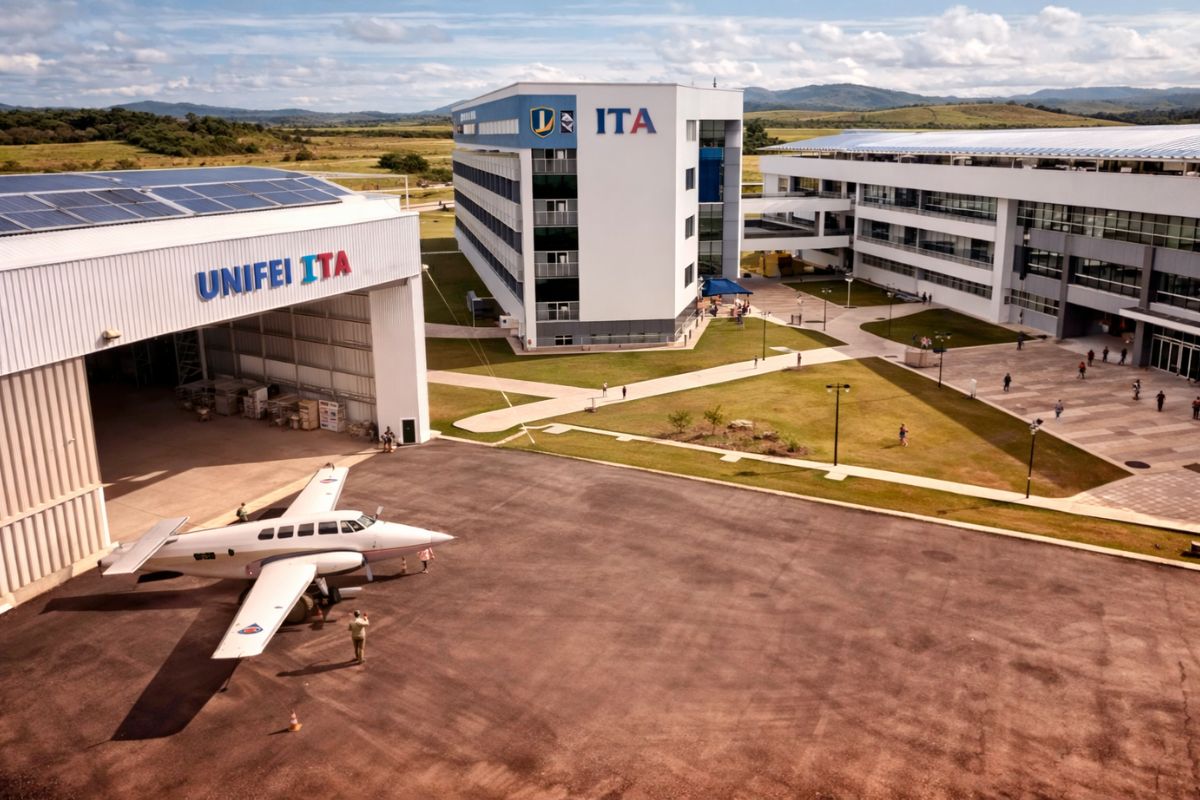
The institute that trained the greatest aerospace engineers in Brazil has just opened its first campus outside São Paulo after 75 years: ITA Ceará will have R$ 445 million, new courses in energy and systems, and classes are expected to start in 2027.
-
Luciano Hang, owner of Havan, goes to Juiz de Fora after the tragedy in February, brings R$ 1 million, hands out R$ 2,000 cards, and donates up to R$ 15,000 to victims in the region.

-
The Brazilian passport allows legal residence in dozens of countries without the need for a prior visa, and most Brazilians are unaware that they can apply for residency directly upon arriving in nations in South America, Africa, and even Europe.


Secondary Destinations and Regional Strategy
After China, Paraguay accounted for 16.6% of external sales, followed by Ghana, with 13.2%, Uruguay, with 10.5%, and the United States, with 9.5%, reflecting the search for expansion in Africa and Mercosur.
Among all the cooperative’s products, grape juice accounted for 52% of exports, while wines represented 41%, showing the growing weight of non-alcoholic beverages in the international commercial strategy.
Context of Resumption and Operational Adjustments
The increase in exports occurs during the recovery of the largest wine cooperative in the country, after two turbulent years marked by crop failure and reputational impacts that affected the company’s image in Brazil and abroad.
According to management, part of the recent performance is due to active listening to the market and the improvement of packaging, aligning beverage development with the search for healthy options, with lower alcohol content and benefits perceived by the consumer.
New European Markets and Global Opportunities
The cooperative also began approaching European markets, such as Serbia, following a partnership established during the ProWine fair in São Paulo at the end of October, as well as expanding negotiations with Slovakia and France.
The event also revealed new opportunities on the African continent and interest from professionals in Russia and China in de-alcoholized products and the grape juice line in Tetra Pak, which is beginning to gain international traction.








-

-

-

-

-

-

26 pessoas reagiram a isso.