






 Portuguese
 Spanish


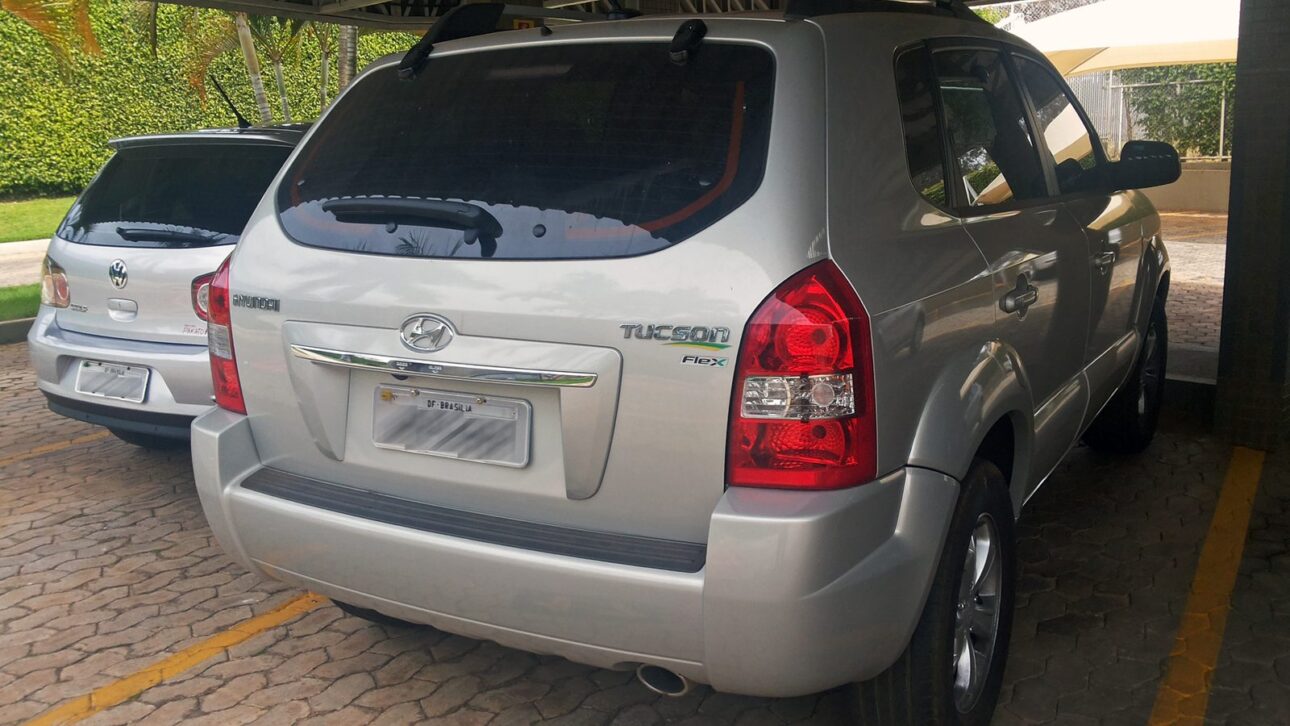

The 2016 Hyundai Tucson 2.0 16V Flex with automatic transmission is valued at R$58,317 in Brazil’s November 2026 FIPE table, below the R$68,993 price of a new Renault Kwid Zen 1.0. Assembled by Caoa in Anápolis, the SUV has 146 hp on ethanol, a 4-speed transmission and high fuel consumption
The Hyundai Tucson GLS 2.0 with automatic transmission, model year 2016, is valued at R$58,317 in Brazil’s November 2026 FIPE table, consulted on Thursday, November 26. The price is listed under code 015093-2, for the Tucson 2.0 16V Flex Aut.
The price comes from the official FIPE table, and the same figure appears in the model’s listing on the Ficha Completa website, using the November 2026 reference.
In the same November table, the new Renault Kwid Zen 1.0, the least expensive Kwid, is valued at R$68,993 under code 025266-2.
-
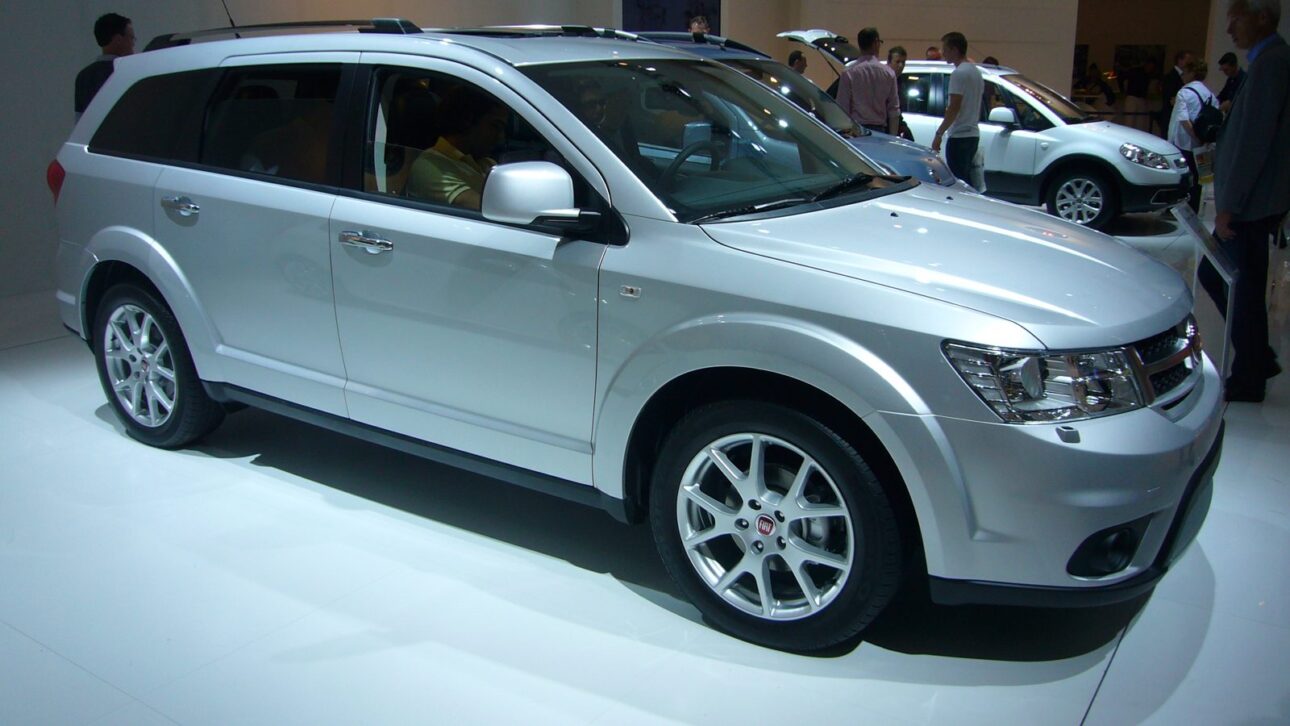
Seven-seat Fiat Freemont fits the whole family and costs less than a brand-new Renault Kwid: the 2016 SUV, with a 172-hp 2.4-liter engine, automatic transmission and 580-liter trunk, is listed at R$62,000 in the FIPE table

-
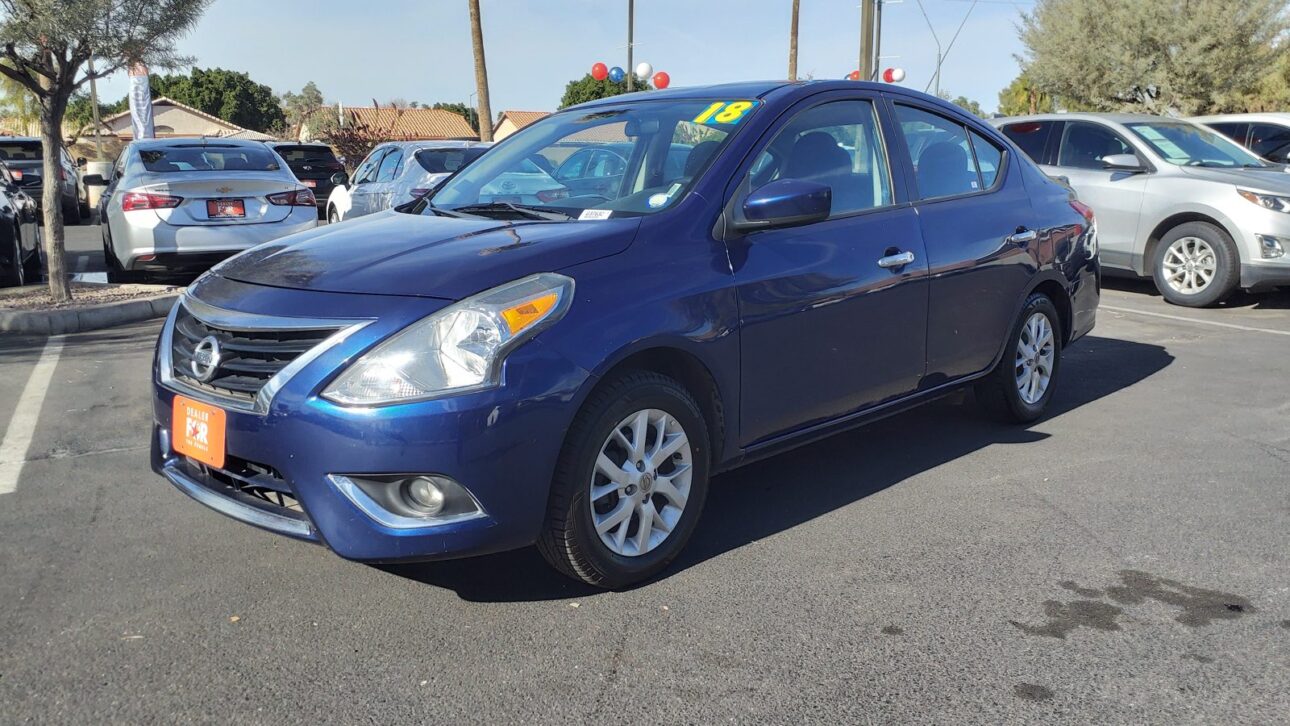
Nissan Versa SV 1.6 CVT 2017: Offers a 460-liter trunk and automatic transmission for less than a new Kwid
-
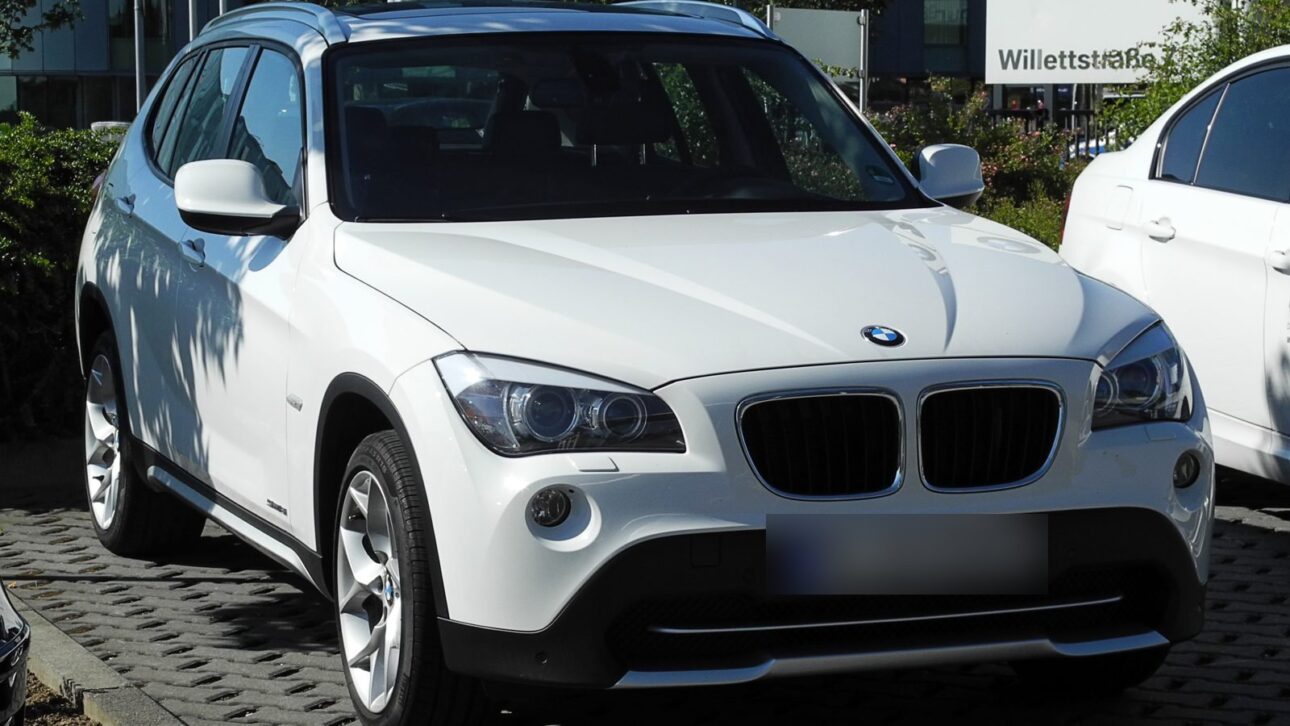
Priced below a brand-new Renault Kwid: the 2012 BMW X1 sDrive18i, with a 150-hp 2.0-liter engine, automatic transmission, 420-liter trunk and German badge, is listed at about R$61,000 in Brazil’s FIPE guide
-
2016 Mitsubishi Lancer 2.0 CVT Offers 413-liter Trunk and Costs Less Than a Brand-new Renault Kwid
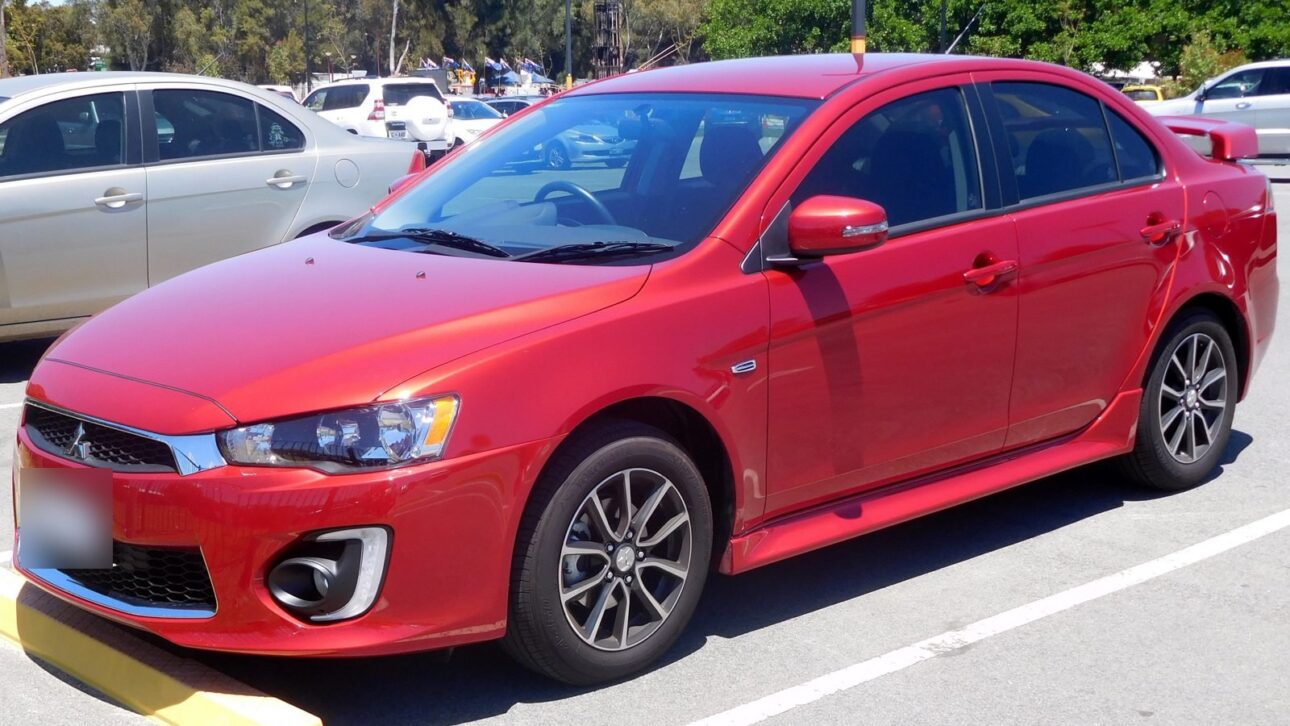
For car shoppers in Brazil, the 10-year-old automatic SUV is listed below the price of a new Kwid. The Tucson also comes with higher fuel and maintenance costs.
2016 Tucson price in the November FIPE table
FIPE lists the model as the Hyundai Tucson 2.0 16V Flex Aut., model year 2016. Its reference value is R$58,317, the average price the table uses for the used-car market.
Ficha Completa lists the same figure and identifies the version as GLS 2.0 AT. Inmetro lists the vehicle as GLB and GLSB, both with 4-speed automatic transmissions.
The price of each listing varies with mileage, condition and service history. FIPE provides a reference for negotiations.
What a used Tucson and a new Kwid mean for Brazilian buyers
The November 2026 FIPE values are R$58,317 for the 2016 Tucson and R$68,993 for the new Kwid Zen 1.0. The cars serve different purposes.
The Kwid is a new entry-level compact car. The Tucson is a 1,550-kg SUV with a 2.0-liter engine, automatic transmission and 528-liter cargo area, but it is 10 years old.
This generation of the Tucson has been assembled by Grupo Caoa in Anápolis, Goiás, since 2010, according to Motor Show and AutoPapo. Both publications say the model has been on the Brazilian market for 13 years.
AutoPapo says engine and transmission parts for the Tucson are easy to find. Body parts are the main problem.
2.0 flex-fuel engine delivers 146 hp on ethanol and 142 hp on gasoline
The Tucson GLS has a 2.0-liter, 16-valve engine with a displacement of 1,975 cc, four cylinders and multipoint fuel injection. It produces 146 hp on ethanol and 142 hp on gasoline at 6,000 rpm.
Ficha Completa, Motor Show and the Carzin website list the same horsepower figures.
Torque figures vary by source. Ficha Completa lists 19.6 kgfm on ethanol and 19 kgfm on gasoline, at 4,500 rpm.
Motor Show reports 192 Nm and 186 Nm at the same engine speed.
In its review of the 2010 Tucson from the same generation, AutoPapo says peak torque arrives late. When passing, the driver needs to downshift for a more responsive performance.
The Carro Chefe channel posted a review on April 4, 2019, of the 2012 Tucson 2.0 with automatic transmission, from the same generation as the 2016 model, as a used-SUV option.


4-speed automatic transmission and front-wheel drive
The transmission is a 4-speed automatic with a torque converter, and the vehicle has front-wheel drive. Inmetro, Brazil’s national metrology agency, lists the transmission as A4 in its 2016 table, and the full specifications show the same setup.
The number of gears is the most frequently criticized point. On March 21, 2017, Motor Show described it as an automatic transmission with just four gears.
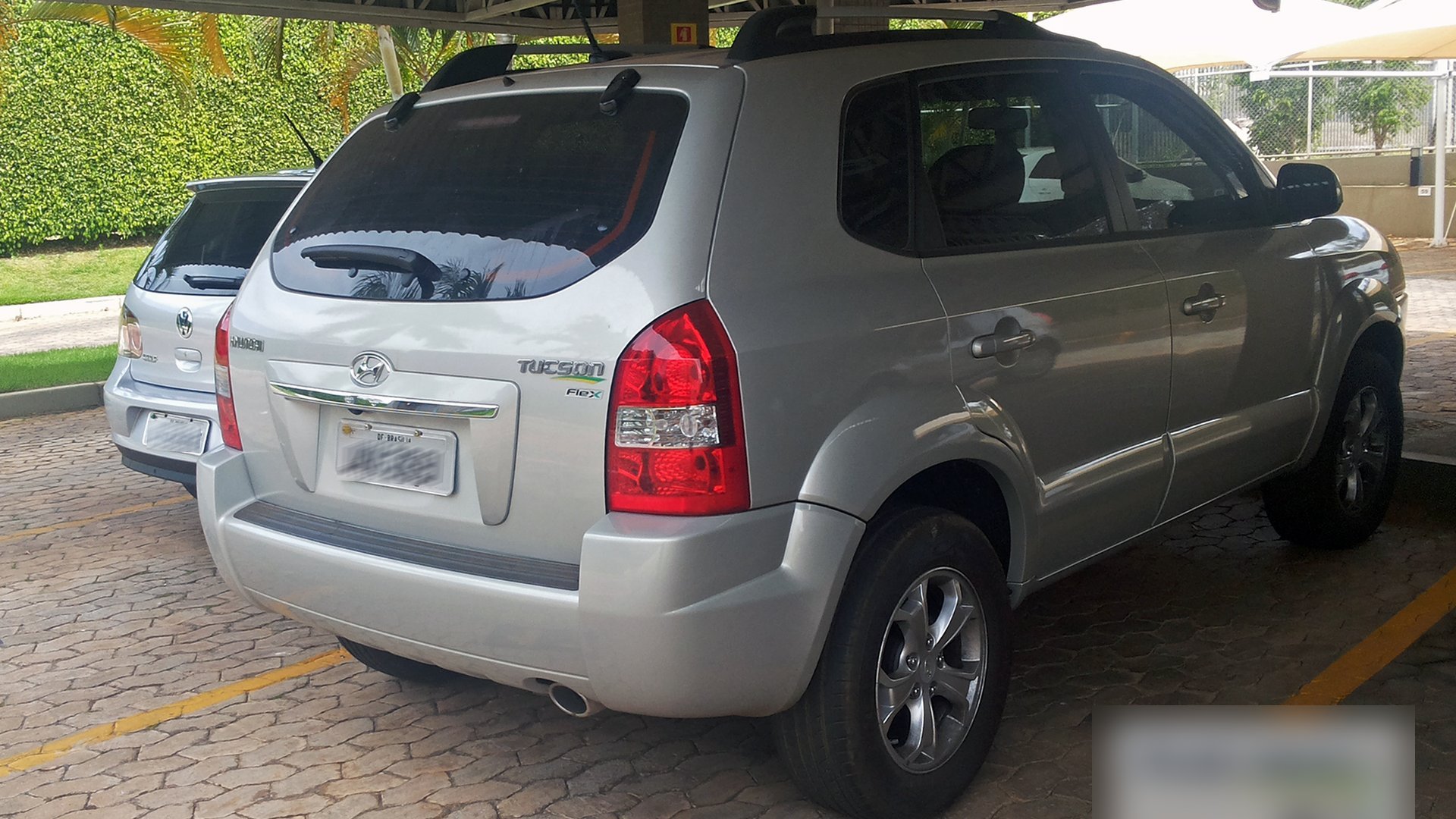
The same review says the vehicle’s high weight hurts performance, which falls short. AutoPapo points to the limited number of gears and poor gear spacing at midrange engine speeds.
528-liter cargo area, or 644 liters up to the roof
The Tucson’s cargo area capacity varies by source and measurement method.
The full specifications list 528 liters. The same figure appears in a 2022 Motor Show article and on AutoPapo, but neither gives the measurement method.
Carzin lists the cargo area at 644 liters. A 2017 Motor Show article explains the difference: 325 liters up to the cargo cover and 644 liters up to the roof.
To expand the cargo area, the rear seat is split-folding, according to the full specifications. Payload capacity is 588 kg, a figure listed in the full specifications and by AutoPapo.
Tucson fuel economy in Inmetro testing: 7.1 km/L in the city on gasoline
Fuel economy is the clearest weakness of the 2016 Tucson.
In Inmetro’s 2016 Brazilian Vehicle Labeling Program table, the model gets 7.1 km/L in the city and 8.3 km/L on the highway with gasoline.
On ethanol, fuel economy drops to 5 km/L in the city and 5.9 km/L on the highway. Full Specs lists the same four figures.
Inmetro, Brazil’s national metrology and quality institute, classifies the Tucson as a compact SUV and gives it an E rating compared with others in its category. Motor Show also recorded an E rating in 2022.
In 2017, Motor Show wrote that its fuel economy was the worst in its category.
An owner interviewed by the magazine in 2022 said running costs are high in everyday use, especially with the air conditioning on.
The tank holds 65 liters, a figure listed by Full Specs and Carzin.
The Carros do Xenão channel posted a review of the 2013 flex-fuel Tucson 2.0 with automatic transmission, from the same generation, on November 23, 2021. Its title calls it an SUV that has stood still over time.
Equipment and dimensions of the SUV made in Anápolis
The Tucson is 4,325 mm long, with a 2,630-mm wheelbase; Full Specs and Carzin list the same dimensions. Both sources that describe the rear suspension identify it as independent.
Equipment listed by both Full Specs and Motor Show in 2017 includes automatic climate control, 16-inch alloy wheels, upholstered seats, GPS and a rearview camera.
Full Specs also lists disc brakes on all four wheels with ABS, front airbags, keyless entry, Bluetooth and USB.
In 2017, Motor Show noted the lack of stability control and Isofix child-seat anchor points. The magazine also described the design as quite dated.
Weak points cited by owners and mechanics
The suspension is the most frequently cited issue. In 2022, Motor Show interviewed mechanic Luis Carlos of Shalon Centro Automotivo, who identified the most common problems in the control arms, bushings and sway-bar links.
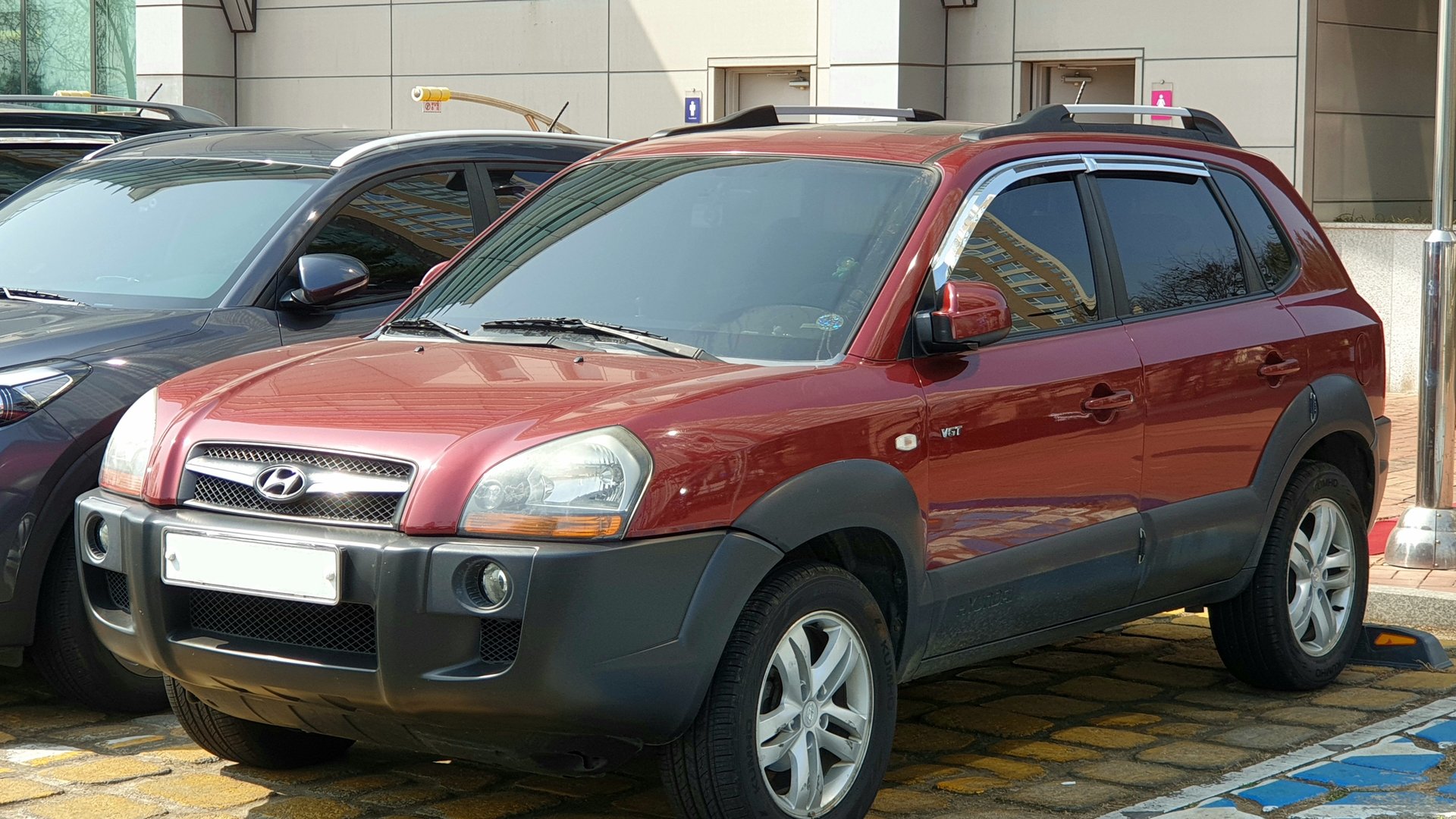
AutoPapo also reports premature suspension wear in the same generation. Motor Show links some of the wear to the vehicle’s 1,550-kg weight.
In its review of the 2010 Tucson, AutoPapo cites play and noise in the steering system, along with brake discs that warp.
Both reports mention the cost of parts. One owner interviewed by Motor Show complains about the high price of replacement parts, while AutoPapo says repairs are more expensive.
At the same time, the mechanic interviewed by Motor Show describes the vehicle as sturdy and easy to maintain. None of the owners interviewed by the magazine reported a serious or chronic problem.
The Opinião Sincera channel posted a video on June 15, 2018, covering the Tucson’s history, details and figures.

What to check before buying a 2016 Tucson
The first step is to ask for the service history. The mechanic interviewed by Motor Show recommends using original parts and regularly changing the automatic transmission fluid and engine oil.
When inspecting the vehicle, check the suspension control arms, bushings and sway bar links, the components most often mentioned by Motor Show and AutoPapo.
Also check for play and noise in the steering system and inspect the condition of the brake discs, issues cited by AutoPapo.
During a road test, the buyer should pay attention to how the 4-speed transmission responds during acceleration, the point most often criticized in the reviews.
New Tucson recall does not apply to the older 2.0 Tucson
In May 2021, Hyundai and Caoa recalled the 1.6-liter turbo New Tucson to replace the ABS module’s multi-fuse, due to the risk of an engine fire starting.
The campaign covers 2016–2021 model-year New Tucson vehicles with chassis numbers HB000001 through NB016743, according to AutoPapo and Mecânica Online. It is a different model from the next generation.
For any used Tucson, owners can check by chassis number on the recall.hyundai-motor.com.br website or call customer service at 0800 770 3355, the channels cited in both reports.
AutoPapo also notes a recall for the same generation of the 2.0 Tucson to replace the brake light switch in vehicles manufactured in 2008.
The 2016 Tucson’s place in Hyundai’s history in Brazil
The 2016 Tucson was among the last model years of this generation in Brazil. According to Motor Show, it shared showroom space with the ix35 and the next-generation New Tucson.
The older model remained in production with the 2.0 flex-fuel engine and 4-speed transmission. That combination explains both its low price in the FIPE table and its high fuel consumption in Inmetro tests.
For buyers, the 2016 Tucson GLS offers SUV proportions, an automatic transmission and a large cargo area for R$58,317 in the FIPE table.
The cost of ownership still depends on each vehicle’s condition and maintenance history.


